There are several steps between research on seemingly esoteric subjects and breakthrough medical treatments. Ethical oversight at every stage ensures science and society ultimately benefit.
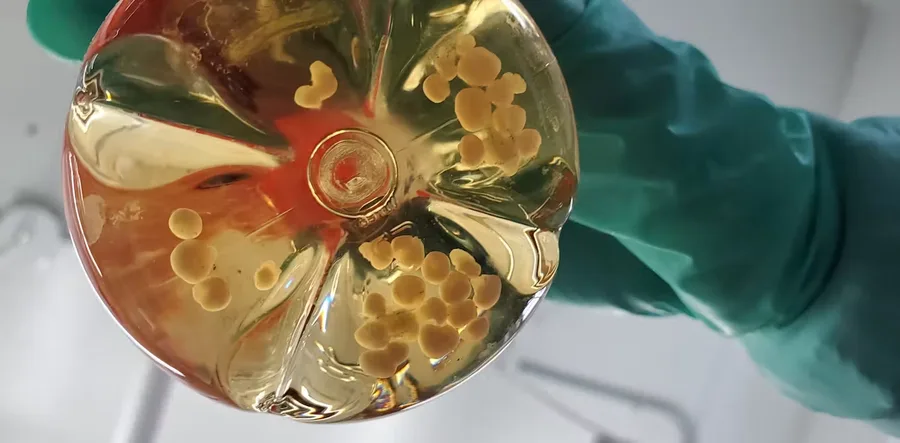
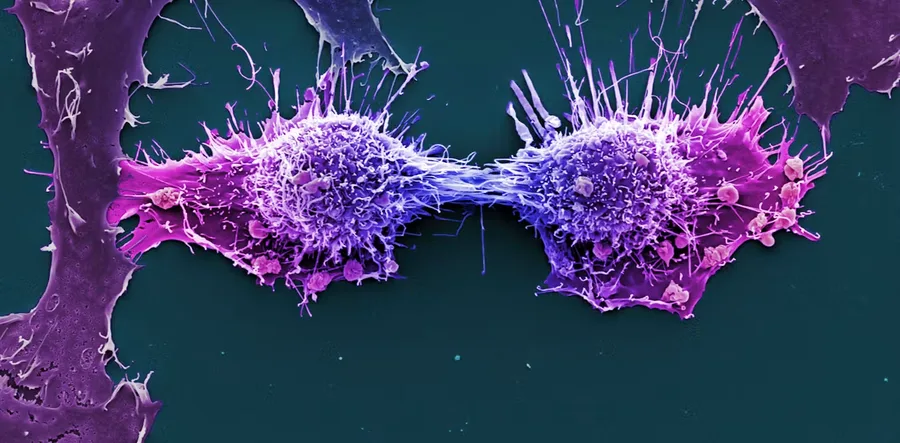
The settlement is a long-awaited moment of victory for Henrietta Lacks and her family. But the battle for justice in genetic and medical research is not over yet.
Robert S. Olick·...·SUNY Upstate Medical University
3d ago
Karen Ann Quinlan fell into a coma in 1975. The high-profile legal case over her parents’ wish to remove her ventilator shapes American patients’ rights today.
Vladimir Putin and Xi Jinping were recently caught discussing whether organ transplants could help a person live forever. The idea has scientific and ethical flaws.
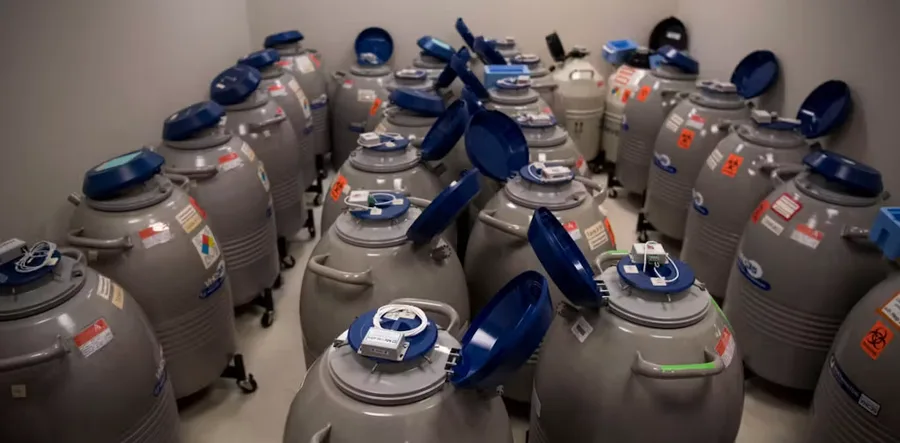
Biobanks collect and store large amounts of data that researchers use to conduct a wide range of studies. Making sure participants understand what they’re getting into can help build trust in science.
Hospital ethics committees and consultants do not make decisions for others, but their input can help support doctors and patients navigate difficult dilemmas.
In the absence of clear-cut regulation, who should decide on where and how a technology that could change the course of human health should be applied?
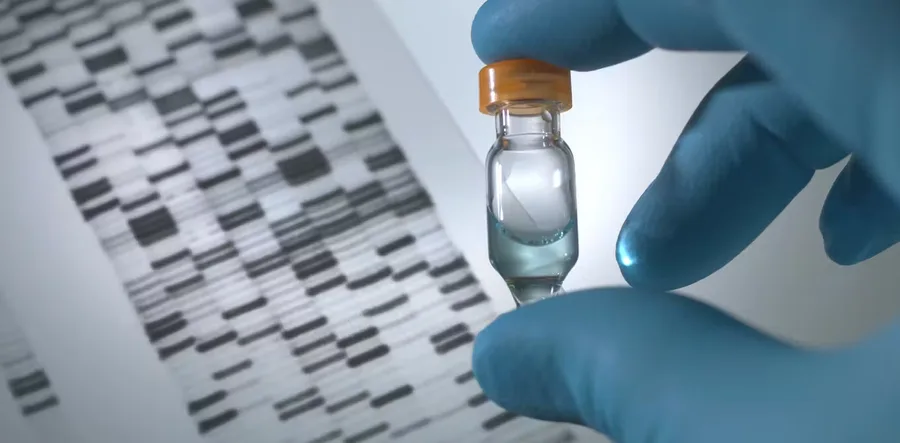
If you were a 23andMe customer, your genetic and personal information could be used in civil or criminal cases, targeted advertising, medical discrimination and so much more.
We asked 5 experts if clinics should be allowed to prescribe medicinal cannabis if they have financial links to the supplier or dispenser. Here’s what they said.
Health-care professionals aren’t pacifists refusing conscription into the military. They freely choose health-care careers – that comes with obligations.
South Africa’s recently updated research ethics guidelines provide guidance on oversight into heritable human genome editing, and they should not be interpreted as a green light.
Scientists can create viable eggs from two male mice. In the wake of CRISPR controversies and restrictive abortion laws, two experts start a dialogue on ethical research in reproductive biology.












 research.io