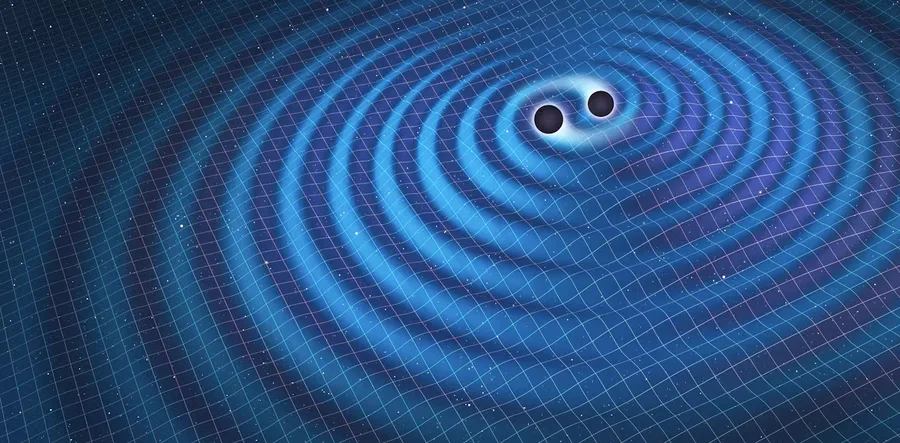
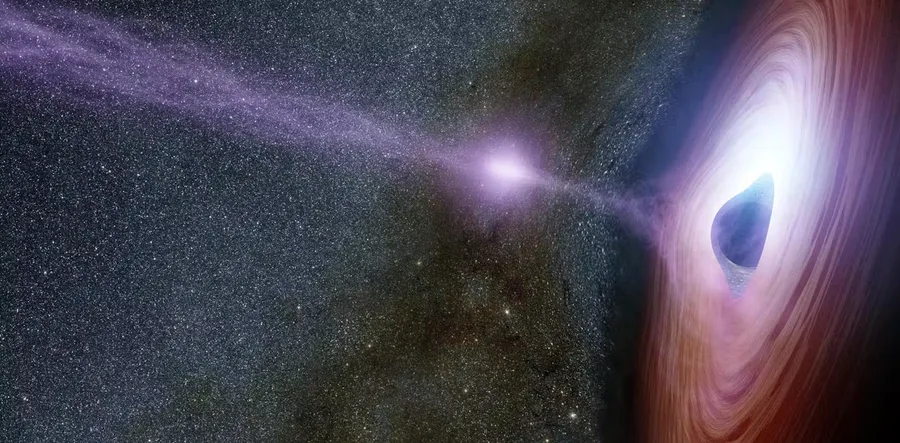
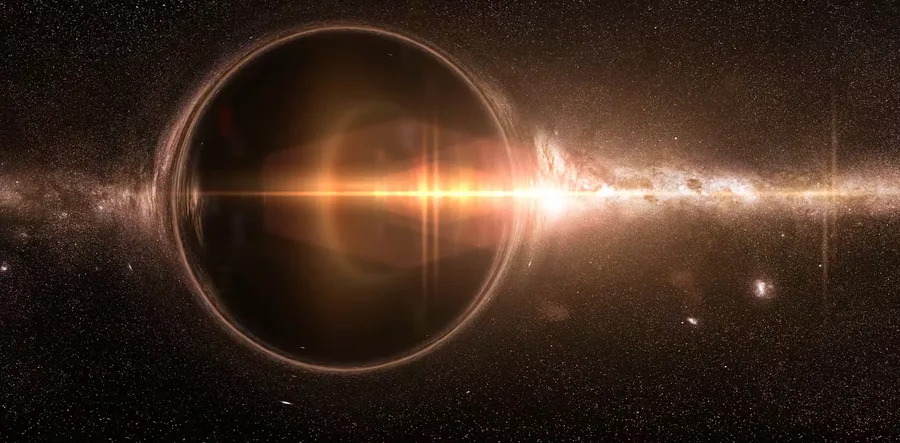
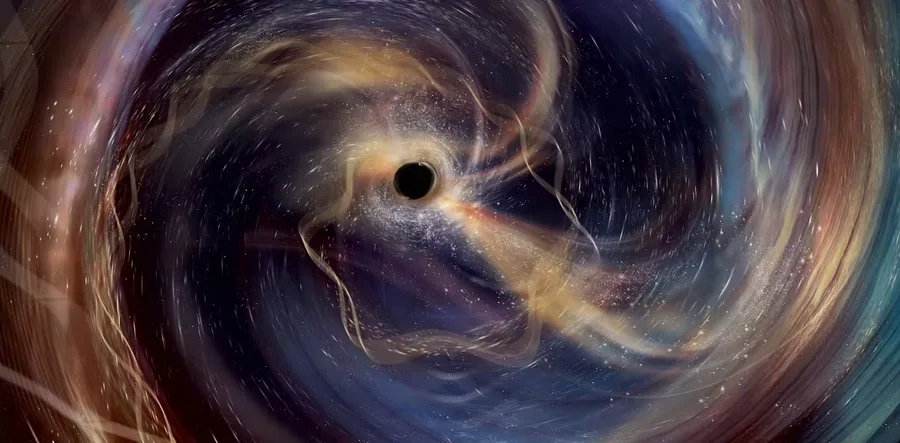
Astronomers have discovered the first dormant black hole outside of the Milky Way. These black holes are not absorbing matter from a nearby star, making them incredibly hard to find.
Too big to come from a dying star and too small to inhabit the center of a galaxy, these black holes are a puzzle that scientists are using LIGO to investigate.
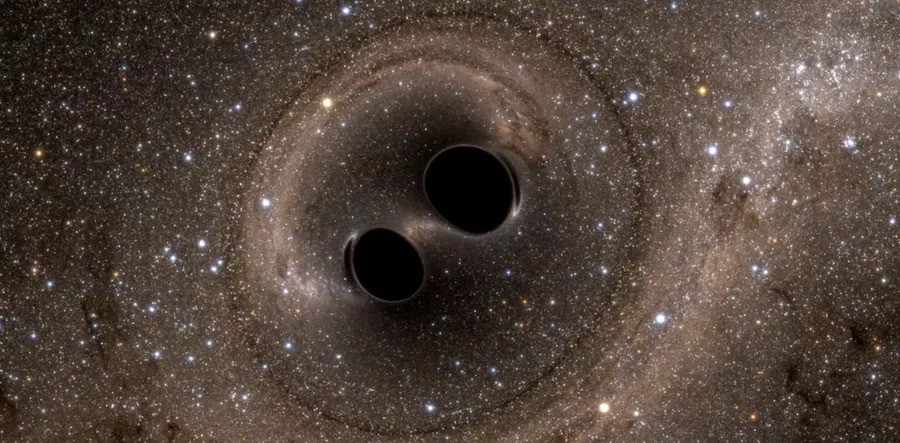
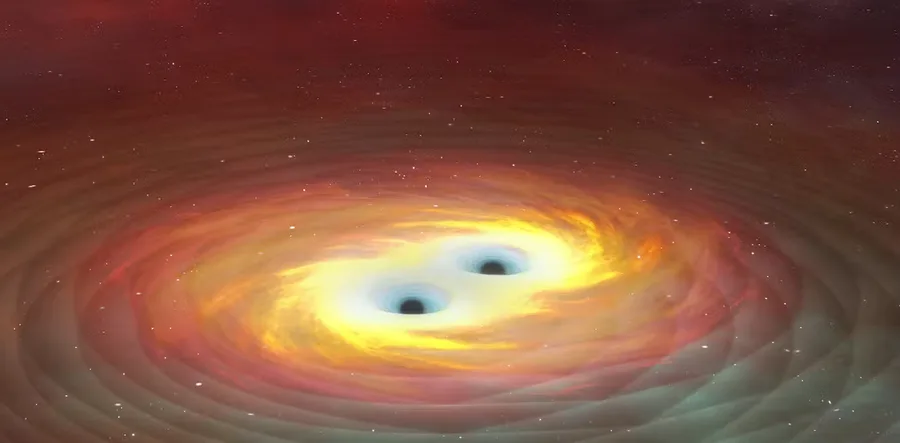
A new effort to map the rumblings in spacetime caused by enormous black hole collisions paints a surprisingly loud and lopsided picture of the universe.
Eric Howell·...·The University of Western Australia
28d ago
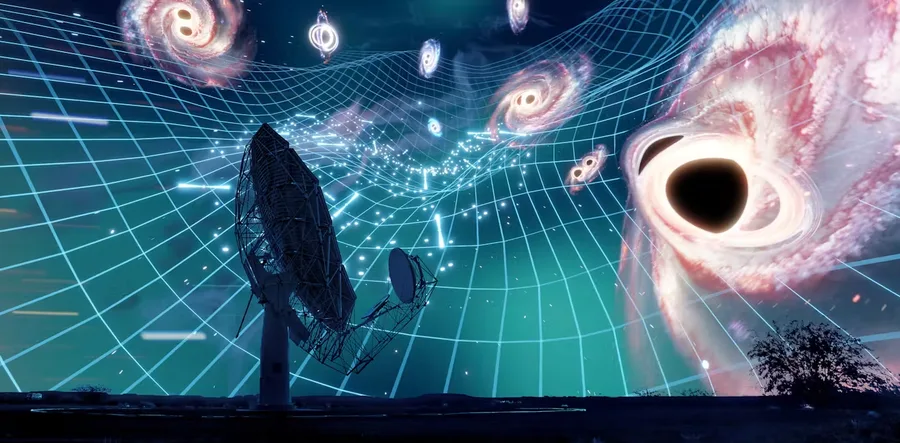
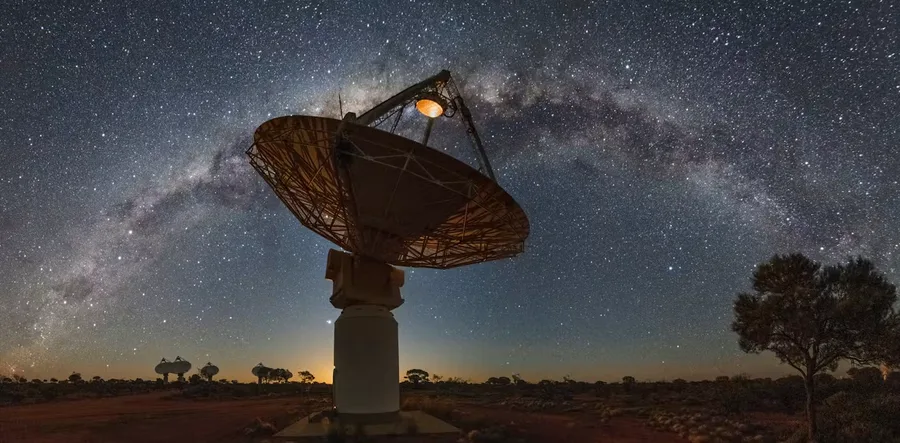
Massive flashes of energy known as ‘fast radio bursts’ have puzzled astronomers for years – and a new search for links to gravitational waves has so far found no connection.
The astronomy and astrophysics decadal survey for the 2020s lays out plans to search for life on distant planets, understand the formation of galaxies and solve deep mysteries of physics.
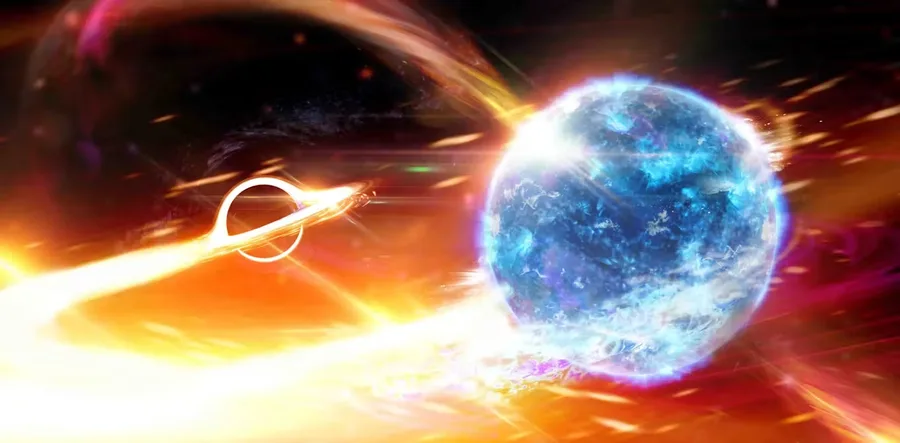
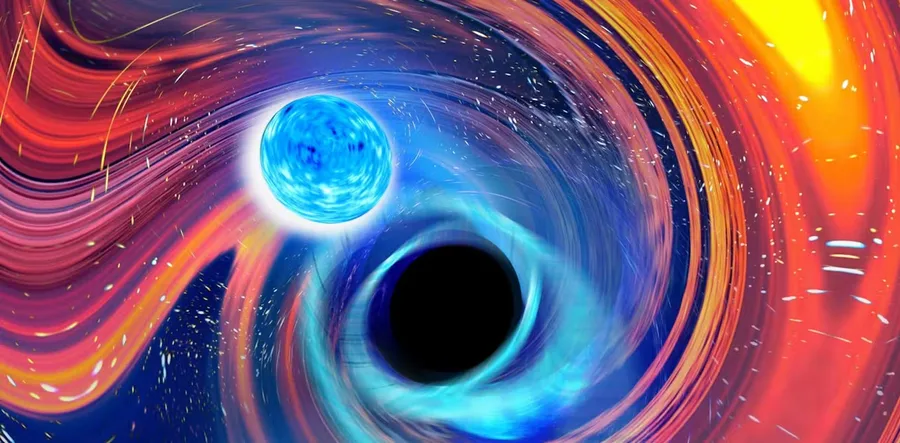
Gravitational waves reveal the demise of super-dense neutron stars spiralling into their black hole companions - the first time such strange and exotic star systems have ever been observed.
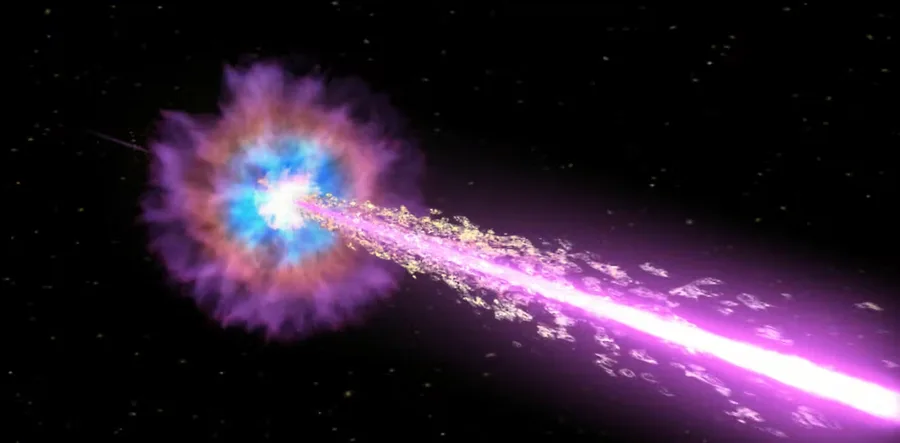
For years, astronomers have been detecting incredibly powerful pulses from the cosmos, without a confirmed source. Recent advances in astronomy are getting us closer to the solution.
A small add-on to existing gravitational wave detectors could reveal what happens to matter as it becomes a black hole, a process like the big bang in reverse.
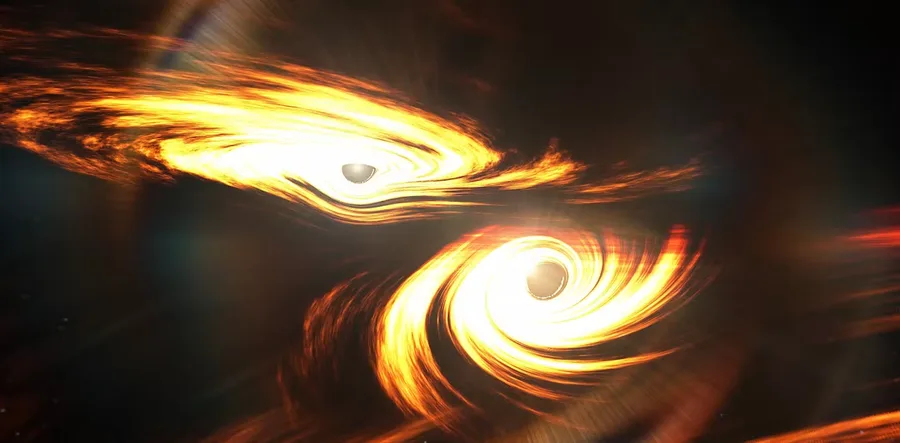
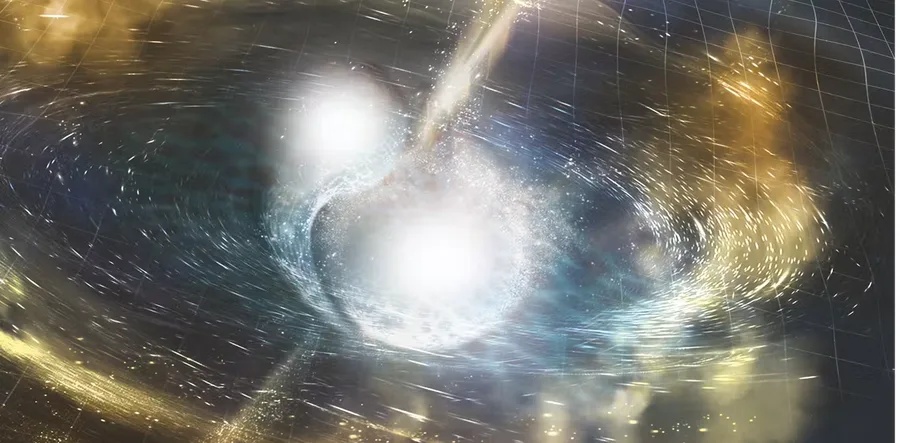
A decade after the first discovery, scientists have used these waves to find a unique merger, a massive binary system and a crystal-clear gravitational wave signal.

 research.io