Sabelo Ndlovu-Gatsheni·...·University of South Africa
3d ago
The process of decolonising research methodology is an ethical, ontological and political exercise rather than simply one of approach and ways of producing knowledge.
Phrases like “knowledge production” conceal the fact that knowledge answers to something beyond itself and beyond us. To produce knowledge is to find out about something.
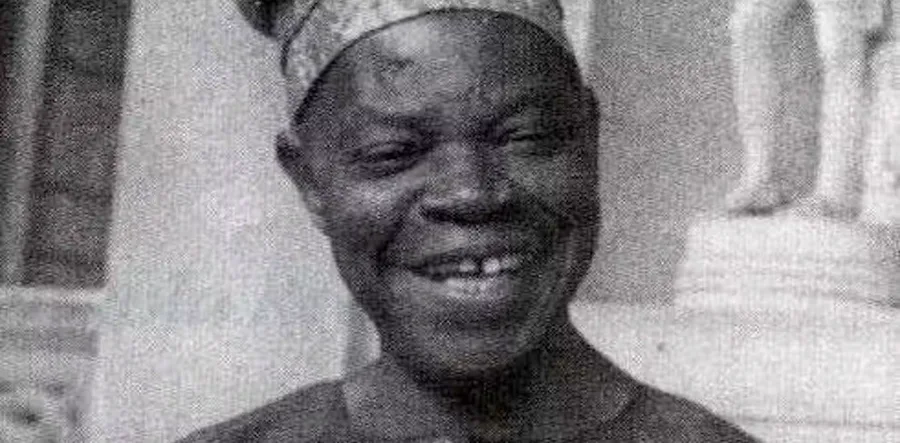
Amos Tutuola has contributed significantly to the resilience of ways of life and worldviews that could easily have disappeared under the weight of colonialism, globalisation and the market economy.
Do you actually know how a bicycle or a zipper work, or what a penny or a common brand logo look like? Intellectual humility can help reduce overconfidence in what you don’t understand.
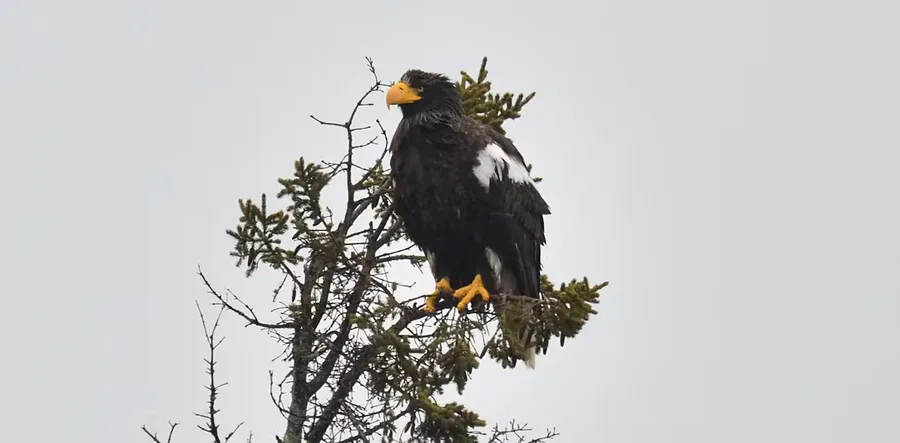
A Steller’s sea eagle, native to the Asian Arctic, has traveled across North America since 2021. A scholar questions whether the bird is lost – and how well humans really understand animals’ actions.
It’s time to (do more than) talk about knowledge. Universities must take leadership in helping develop students capacity to recognise different kinds of knowledge and work flexibly.
Laura D'Olimpio·...·University of Notre Dame Australia
3d ago
The world around you might be an illusion and you’re really a brain in a vat connected to a supercomputer. Sounds preposterous? But can you prove it’s not true?
Dr Joe Gumbula was a master-singer of Manikay, the exquisite Yolŋu tradition of public ceremonial song. While the songs contain incredible knowledge, scholars have rarely treated them as an intellectual tradition.
Troy D Sadler·...·University of North Carolina at Chapel Hill
3d ago
Critical thinking is an essential skill students should be encouraged to develop as part of their science learning. NZ’s draft science curriculum fails the test.
If you’re committed to a belief, it’s hard to let go. Psychology and philosophy provide different ways to think about how skeptics respond to counterevidence.
















 research.io