On Episode 224 of This Week In Space, Rod Pyle and guest co-host Rick Jenet are joined by Dr. David Kring to discuss the where, whys, and hows of the Artemis Program's lunar exploration plans.
Virgin Galactic has pushed the resumption of its commercial flights back by a few months, to February 2027. The company hasn't been to space since June 2024.
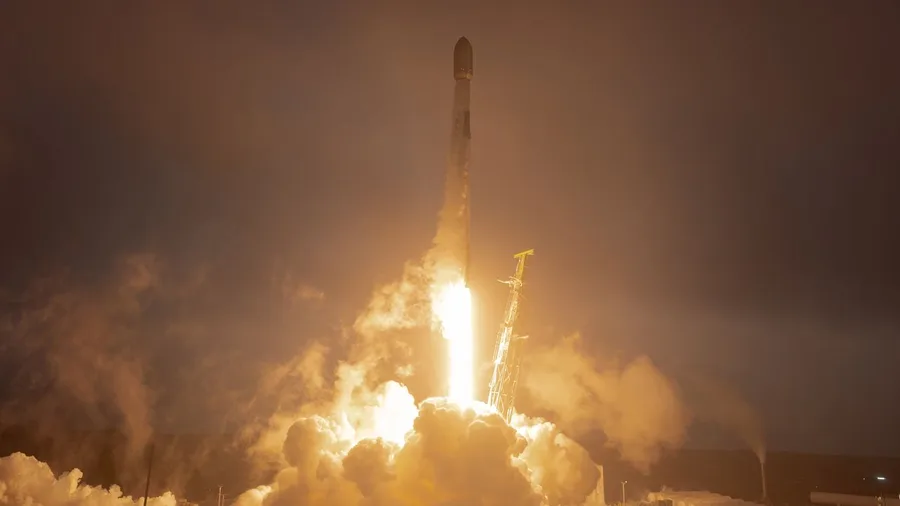
A SpaceX Falcon 9 rocket launched 24 more of the company's Starlink internet satellites from California's central coast late on Friday night (July 31).
Astronomers found seven rare quasar gravitational lens candidates using AI, providing a powerful new tool for studying black hole and galaxy evolution.
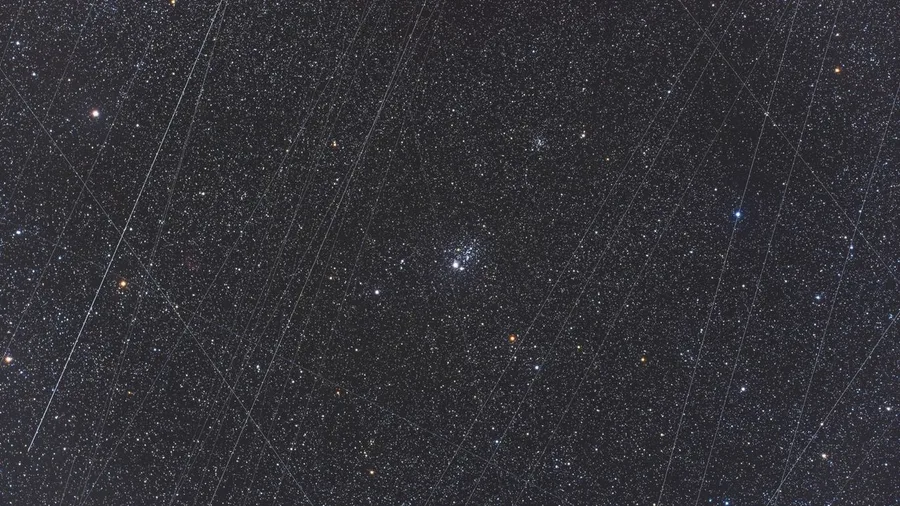
The U.S. Federal Communications Commission (FCC) can single-handedly approve space projects that will change the night sky around the world. The international community can do very little against it.
This amazing pair of binoculars is almost 30% off their retail price on Amazon and we think they are a great pair for stargazing with their 50mm objective lenses and excellent image stabilization.
India's first privately built orbital rocket, Skyroot Aerospace's Vikram-1, will try to reach orbit early Saturday morning (July 18), and you can watch the historic action live.
"Hawking's laws of black hole mechanics provided a satisfying connection between extreme and ordinary physics and have been the paradigm for 50 years, but they have a serious limitation."
A Chinese Long March 10B rocket aced its debut launch on Friday (July 10), sending a satellite to orbit and coming down for a history-making landing at sea.







 research.io