Urban Air Mobility (UAM) presents a promising solution for alleviating urban traffic congestion and enhancing transportation efficiency. However, the widespread acceptance of UAM, particularly sustained ridership of autonomous passenger air vehicles (PAVs), is contingent upon addressing critical human factors for building passenger trust, especially in the absence of a human pilot. This paper eva…
This paper identifies key cognitive and human-automation challenges in the integration of Uncrewed Aerial Systems (UAS) and Advanced Air Mobility (AAM) through a thematic review of existing academic and industrial literature. Human Factors considerations in UAS-AAM differ from those in conventional aviation and require greater attention before wide deployment. This research provides a thematic re…
In extreme environments, habitats are built for survival. Submarines, Antarctic bases, and post disaster dwellings are designed to prioritize health and safety.
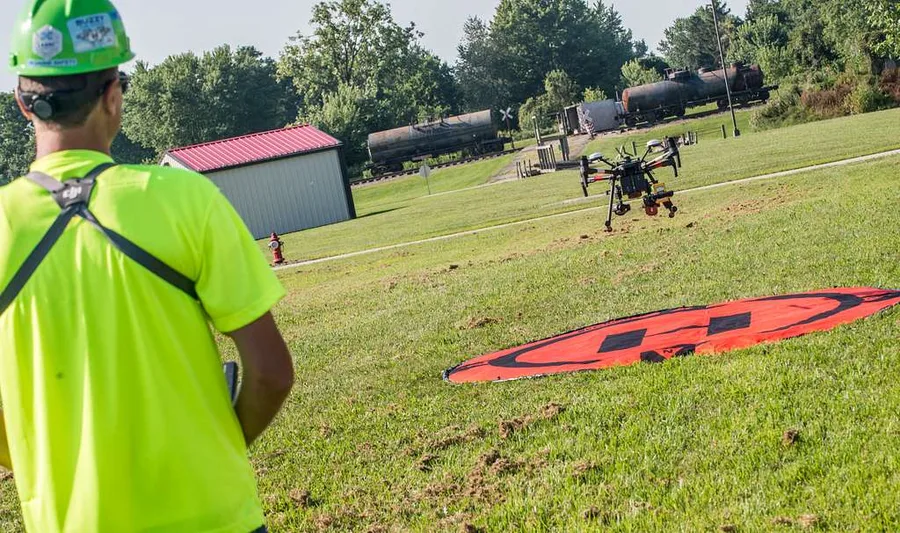
Part 1 of DRONELIFE’s Exclusive Series: The Human Edge: People, Perception, and the Future of Drone Operations In this three-part DRONELIFE guest series, transportation and aviation experts Aloha Ley and Giovanni Carnaroli examine the human dimension of drone operations through the lens of current research and operational experience. Rather than focusing solely on technology, the […] The post Mi…
Discovery Institute Center on Natural and Artificial Intelligence
7/17/2026
The age of AI is upon us and is already changing the way we conduct our lives. What is the optimal division of tasks between humans and machines? On this episode of Mind Matters News, host Robert J. Marks welcomes psychologist Dr. Joe McDonald to the podcast to explore the relationship between cognitive psychology and artificial intelligence (AI). Dr. McDonald is an expert in cognitive psychology…
As humans consider long-duration exploration missions to the Moon and Mars, there are outstanding questions about how to design spacecraft habitats to support crew wellbeing. Researchers in the Engineering Systems […] The post Interactive causal diagram of habitat design impacts on behavioral health and performance in extreme environments appeared first on MIT AeroAstro .
IntroductionGenerative artificial intelligence (GAI) is increasingly integrated into daily decision-making and task performance, as users rely on it to improve productivity, support decision-making, and reduce perceived human error. However, GAI outputs may contain inaccuracies, misleading content, or algorithmic biases. These issues may contribute to uncritical acceptance or excessive dependence…
Mark Thompson (https://www.universetoday.com/authors/mark)
5/30/2026
Building a permanent base on the Moon sounds like an engineering problem. Design the habitat, sort the power supply, figure out life support, and you're most of the way there. But the engineers who've spent time thinking hard about this will tell you the real challenge isn't the hardware — it's the humans inside it. Now researchers have built a virtual Moon base and run tens of thousands of simul…
Artificial intelligence (AI) can help blind and visually impaired people make sense of the world around them – while also exposing where it falls short. The AI systems solve many tasks correctly, but they lack a built-in stop button when the evidence is too thin. In other words, they cannot reliably distinguish between knowledge and qualified guesswork – and often respond without signalling uncer…
A Multidisciplinary Endeavor, A User-Friendly End
Influence the next generation of consumer products, technological systems, or other user environments.
The Department of Psychology and Human Factors at Michigan Tech offers MS and PhD degrees in Applied Cognitive Science and Human Factors. This research-intensive program unites the expertise of multiple disciplines toward optimizing performance, …
A Multidisciplinary Endeavor, A User-Friendly End
Influence the next generation of consumer products, technological systems, or other user environments.
The Department of Psychology and Human Factors at Michigan Tech offers MS and PhD degrees in Applied Cognitive Science and Human Factors. This research-intensive program unites the expertise of multiple disciplines toward optimizing performance, …
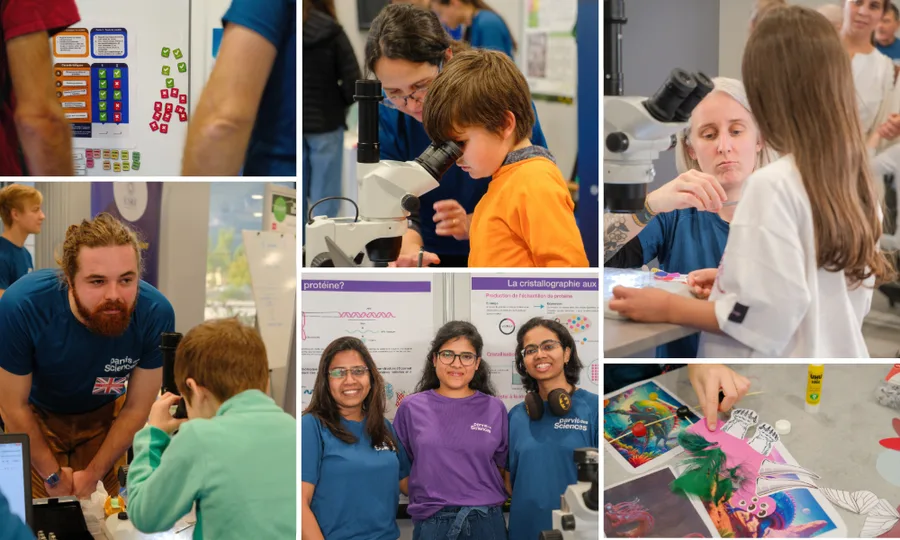
EMBL Grenoble took part once again in Parvis des Sciences, highlighting EMBL efforts towards engaging more with the public and the importance of the human factor in AI development.
Discovery Institute Center on Natural and Artificial Intelligence
1/23/2025
On this episode, host Robert J. Marks begins a conversation with Dr. Joe McDonald exploring the relationship between cognitive psychology and artificial intelligence (AI). Dr. Joe McDonald is an expert in cognitive psychology and human factors research. He is the CEO and Principal at Jumpseat Research, a firm that applies cognitive science principles to improve technology design and user experien…
🔬 Research Summary by Tita Alissa Bach, Ph.D., is a Principal Researcher at the Digital Transformation research team at DNV, Norway, focusing on Human Factors in AI in safety-critical industries [Original paper by Tita A. Bach, Jenny K. Kristiansen, Aleksandar Babic, and Alon Jacovi] Overview: Failure to ensure quality human-AI interaction (HAII) in safety-critical industries […] Source