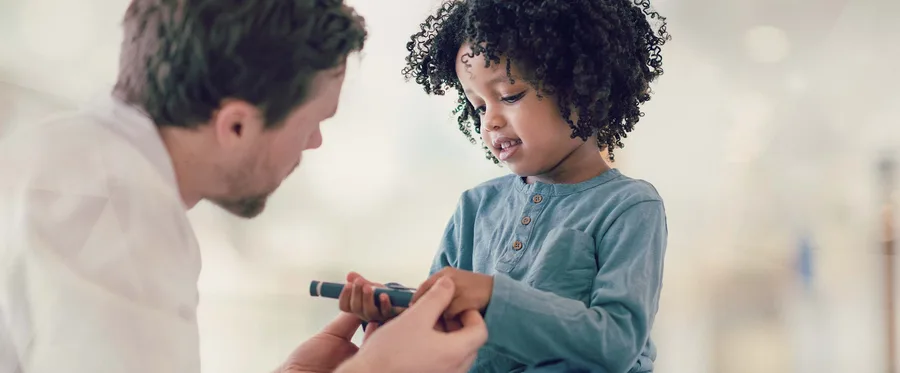
A ten-year study of more than 220,000 children in Germany found that screening during routine paediatric visits identified most of those who later developed clinical type 1 diabetes. Most came from families with no history of the disease, showing why screening only those already considered at increased risk would miss many early cases.
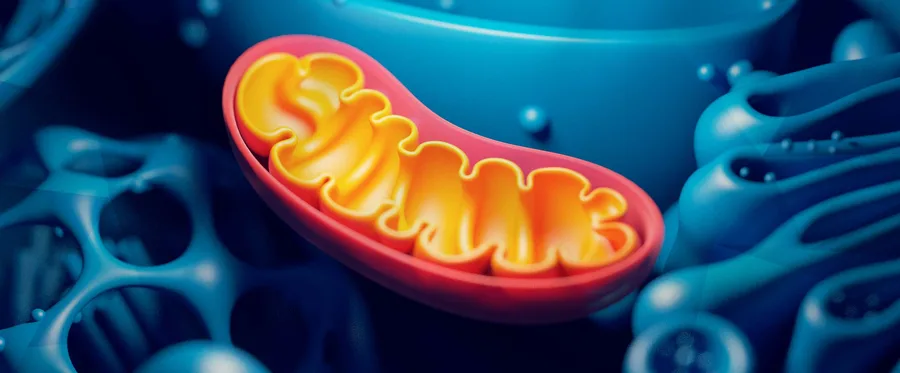
Children with a rare genetic disease lose the cellular structures their brains, muscles and other organs need to produce energy, and many die within their first years of life. Experiments in patients’ cells and mice suggest that activating the energy sensor AMP-activated protein kinase (AMPK) can protect mitochondria that still function and restore energy production – pointing towards the first t…
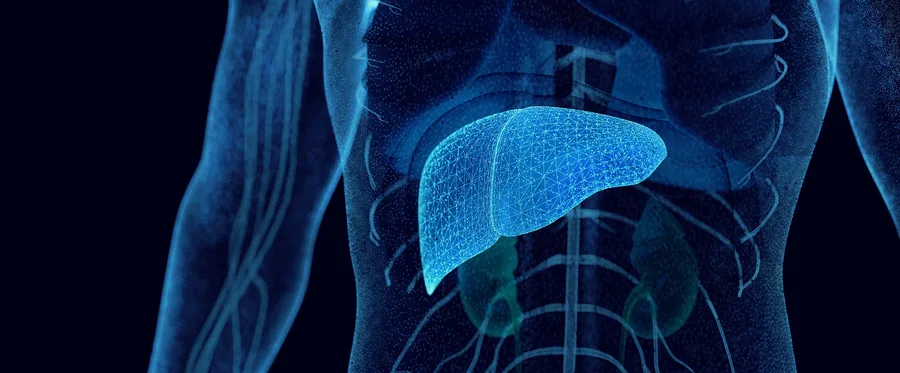
Researchers have grown small pieces of human liver tissue from stem cells and shown that they can produce liver proteins, metabolise substances and keep functioning after transplantation into mice. The hope is for a small implant under the skin that can relieve the burden on a failing liver before the kidneys and brain are pulled down with it, says a researcher.
A genetic study of nearly 80,000 young children found that activity, shyness, sociability and emotionality share some genetic roots with ADHD, autism and personality traits measured much later in life. The overlaps cannot predict an individual child’s future, but reveal biological continuity across development.
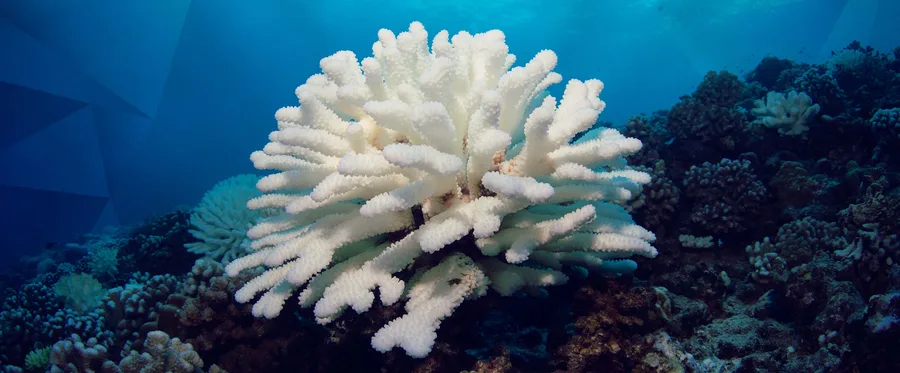
Heat often harms corals by disrupting their partnership with the algae that feed them. But new experiments suggest that short bursts of extreme heat can also attack the coral animal directly. As temperatures rise, the tiny hairs that normally ventilate the coral surface beat faster – until the flow they create starts trapping oxygen-poor water close to the tissue instead of refreshing it.
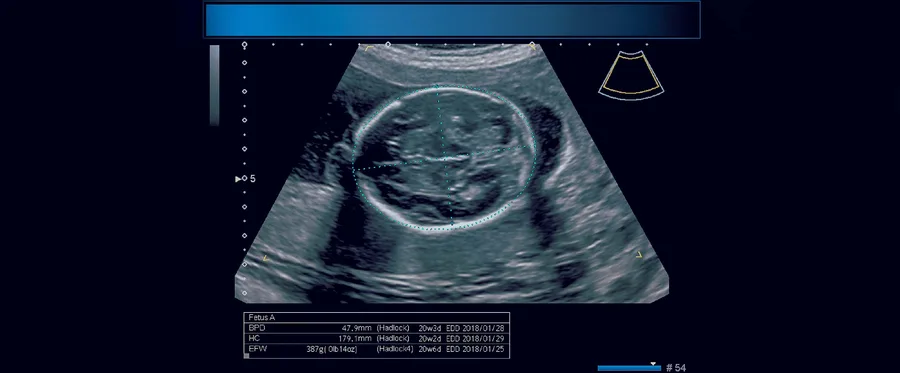
A new study involving more than 337,000 children turns a well-known picture of early brain development on its head. Fetuses who later developed epilepsy, autism or an intellectual disability had, on average, slightly larger heads in mid-pregnancy. The finding shifts some of the focus away from birth and back to brain growth during pregnancy.
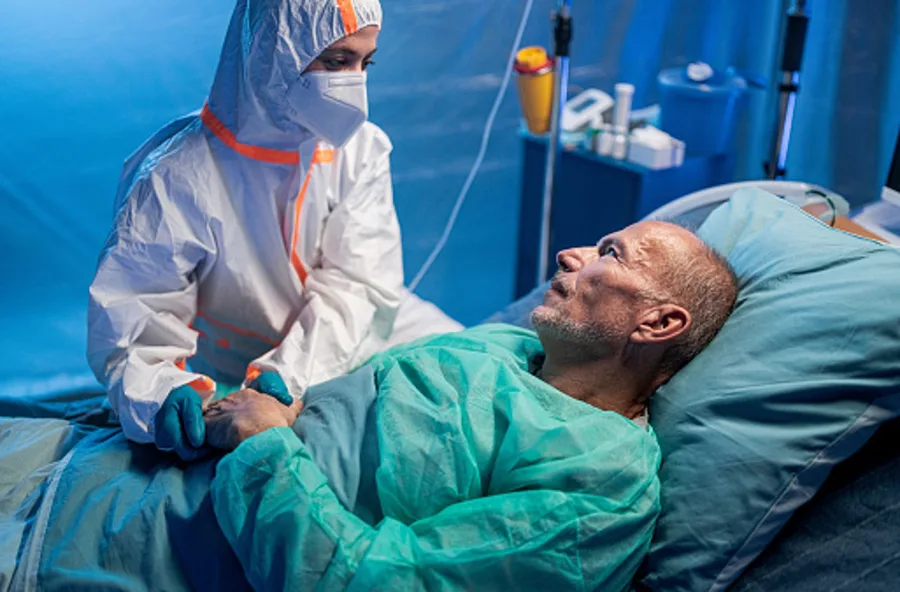
Millions of people have had long-term effects after COVID-19, but are these caused by something specific to SARS-CoV-2 – or rather by the body having experienced a severe infection? A large nationwide registry study shows that the risk rises especially after the most severe disease courses and that severe COVID-19 resembles other serious infections more than researchers had expected.
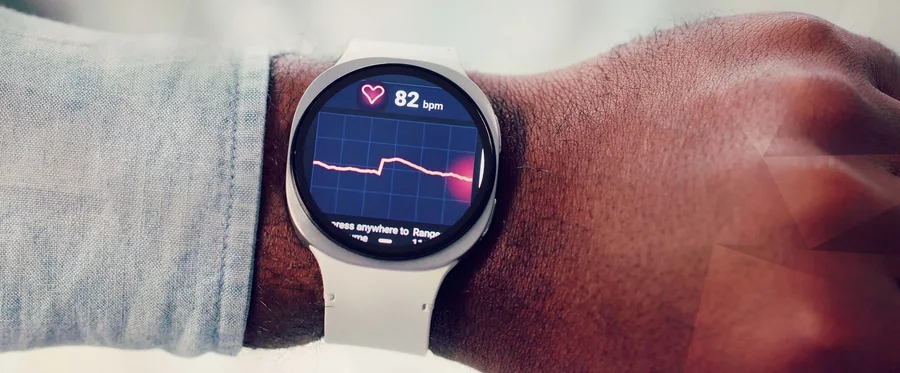
A simple wearable-style electrocardiograph (ECG) may produce signs of hidden structural heart disease – not pulse or heart-rate data, but the heart’s electrical trace. This could help to identify people who need ultrasound scanning before symptoms appear, although real-world smartwatch recordings still need to be tested.
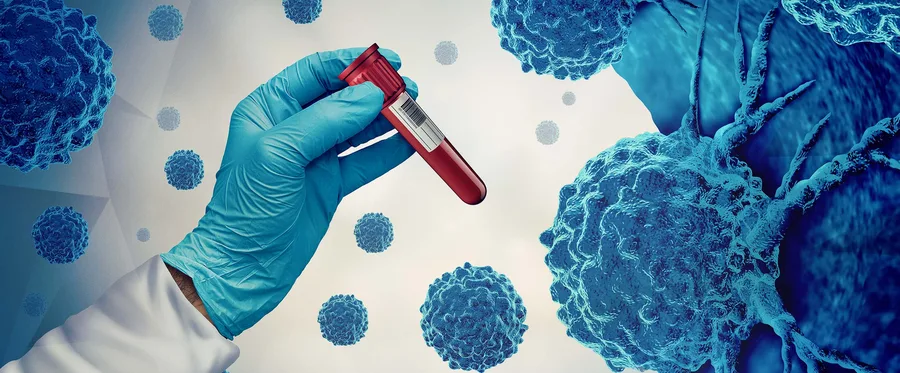
A new interventional study shows that a blood test can reveal who still has microscopic traces of bladder cancer after surgery – and may therefore benefit from immunotherapy. The approach is more precise than current guidelines, and for 60% of those treated, cancer DNA disappeared from the blood and scans showed no signs of disease.
Artificial intelligence (AI) requires ever-larger data centres and ever more power. Now, researchers have developed an artificial neuron that operates using light and brings together several of the brain’s most important functions in a single component. The technology could eventually pave the way for more energy-efficient AI and intelligent sensors.
People exposed to the highest levels of air pollution are about twice as likely to develop Parkinson’s disease dementia or Lewy body disease as those exposed to the lowest levels. Researchers cannot prove that pollution is the cause, but the findings suggest that one of the few risk factors that societies can actually change may influence brain health.
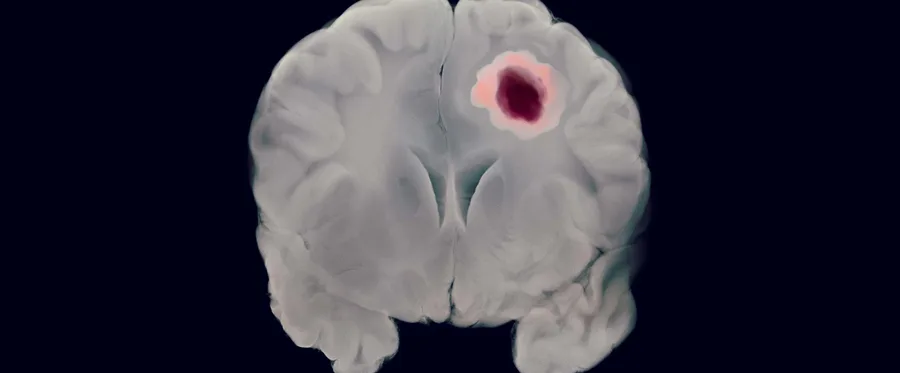
Nanoparticles shed by cancer cells into the bloodstream could become a new tool for making more precise diagnoses and tailoring the treatment of people with brain cancer. The method could identify tumours more accurately in a minimally invasive way while also enabling doctors to monitor how the disease develops over time, says a researcher.
A research team in Denmark has analysed 25 conversations between patients with serious blood disorders, their relatives and clinicians. The study shows that uncertainty about the prognosis can be used to open conversations about the future while there is still time to make choices and give priority to what matters most. When clinicians follow patients’ cues and shifts in openness, discussing thes…
African forest and savanna elephants look different, live in different habitats and were only formally recognised as separate species a few years ago. Now, hundreds of elephant genomes reveal that they have nevertheless exchanged genes for millions of years – a finding that sheds new light on how species can remain distinct despite occasional interbreeding.
A new artificial intelligence (AI) model can detect acute heart failure on chest computed tomography (CT) scans of patients hospitalised with shortness of breath. The model performs similarly to both radiologists and cardiologists and may, in the long term, help doctors make better use of the scans that many patients already undergo.
Spending many hours a day without moving is statistically linked to diseases affecting almost every part of the body. A new comprehensive study shows that the more you sit still, the more frequently these conditions occur, and a run after work does not seem to break the pattern.
A rapid and accurate blood test has been developed that can measure melatonin in the blood in extremely small amounts. The method could open new possibilities, including sleep disorders, mental disorders and metabolic disorders. But the researchers emphasise that the clinical work has only just begun.
Scientists have discovered that uncertainty about the landscape beneath Antarctica’s kilometre-thick ice sheet can influence future sea-level forecasts just as much as the difference between high and low CO₂ emissions. The findings suggest that, in Antarctica, better forecasts may depend as much on better maps as on better models.
When gut bacteria break down dietary fibre, they appear to send signals to the body’s brown fat, which acts as an internal radiator. A new study points to a previously unknown link between digestion and heat-producing fat that could both reshape our understanding of metabolism and, in time, pave the way for new treatments for obesity and metabolic disorders.
A new RNA-based technique could enable vaccination directly through the skin without using needles. Using sugars, the technique can guide vaccines precisely to the skin’s immune cells and could eventually be used against viruses, bacteria, skin cancer and other diseases.







 research.io