EMBL
EMBL-EBI enables global productivity gains worth £11.8bn per year and powers AI-driven science and innovation at scale.
First open-source release of SIFTS for residue-level mapping between protein sequences and structures
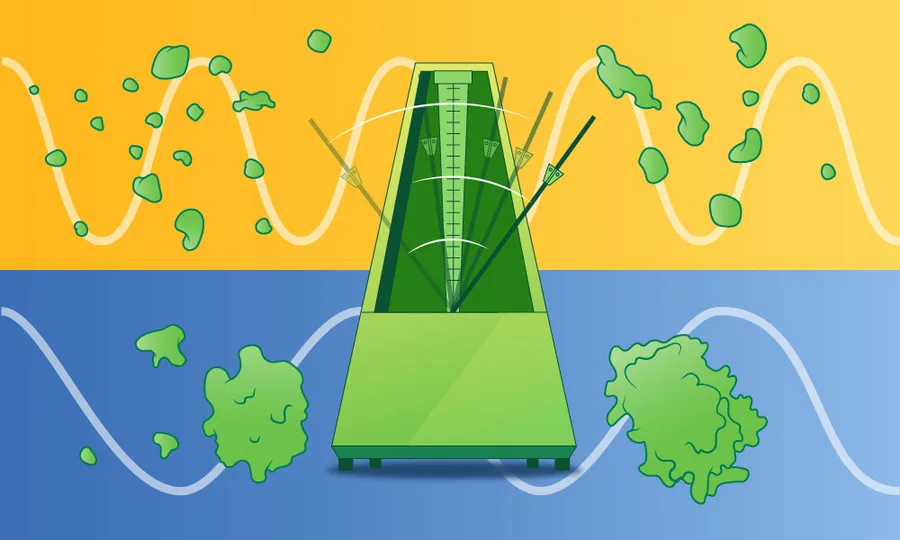
A newly identified protein, SNOR, has been found to help cells in a starvation-induced dormancy restart protein synthesis once nutrients are again available.
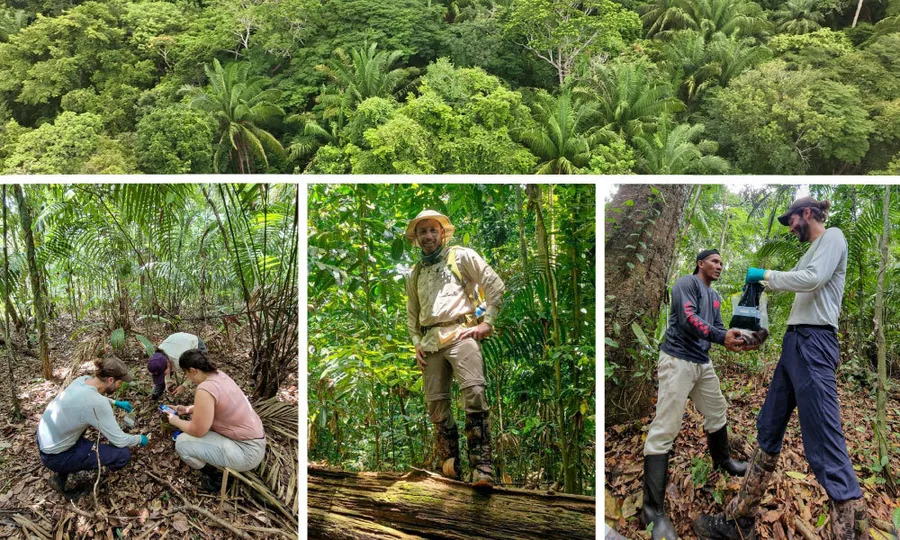
EMBL-EBI and collaborators release a step-by-step guide to making research compliant with the Nagoya Protocol.
Headquartered in Tokyo – with a European Research facility in Munich – the company focuses on developing and delivering innovative new medicines, alongside advanced drug discovery and delivery methodologies, which serve patients globally. CPP members benefit from direct connection with EMBL’s world-leading molecular biology research, services, and technology development, and their support enables…
An international consortium has found over 1,700 new proteins from noncoding DNA, many of which show potential as targets for cancer immunotherapy.
The Marquez Team has developed an AI-based training method that automates crystal screening and identification for macromolecular crystallography studies.
Sharing genomic and clinical data through DECIPHER helps clinicians identify rare diseases faster, provides answers to families, and enables scientists to advance clinical understanding of these conditions
EMBL scientists are finding new and interesting ways to engage the public and make the wonders of scientific discoveries more accessible to everyone.
Economic report analysing the financial impact of sequencing all complex life in the UK and Ireland shows a strong return on investment and growth in scientific research.
Bastian Drees, EMBL's Head of Scientific Information Management, discusses the successes and challenges associated with implementing the organisation's open science policy.
Bertha Rueda-Zarazua, a postdoctoral fellow working in cancer genomics, shares her insights on making science more accessible and supporting historically underserved groups.
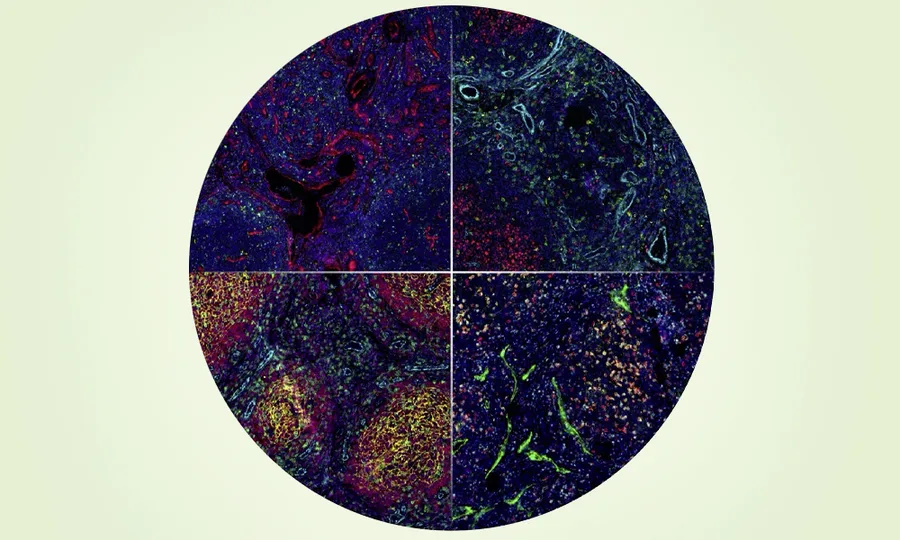
New portal integrates imaging and gene expression data to map gene activity across tissues.
Spatial Transcriptomics Portal: Seeing gene expression in a spatial context New portal integrates imaging and gene expression data to map gene activity across tissues Related links
research.ioSign up to keep scrolling
Create your feed subscriptions, save articles, keep scrolling.