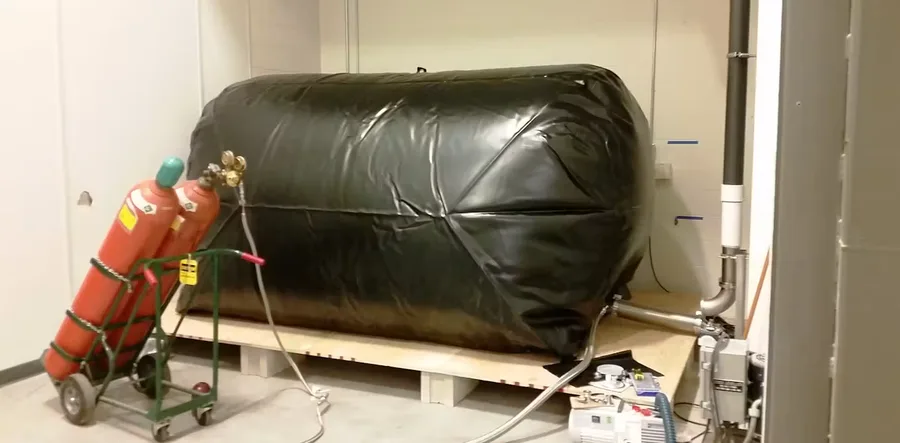
Helium lifts balloons and makes our voices squeak. But its supply on Earth is finite and is critical for modern industrial processes and medical imaging in hospitals. How worried should we be?
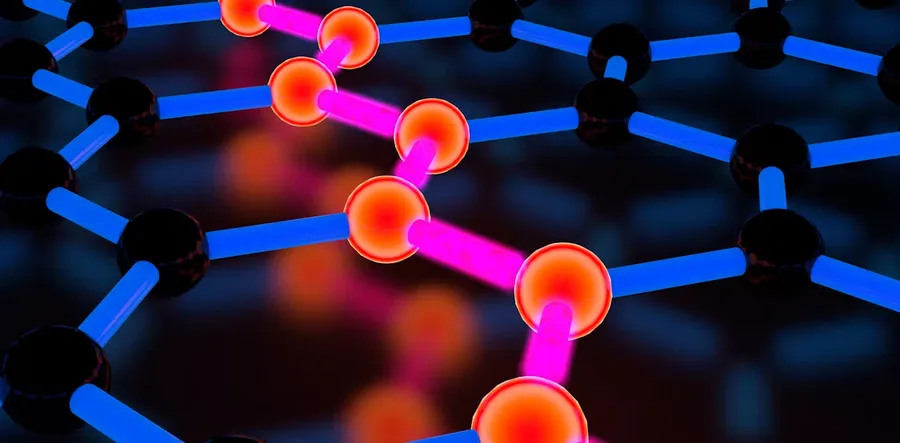
Generating energy usually means wasted heat. Semiconductors let the electrons flow with zero waste – but so far scientists only know how to get them to work at ultra-low temperatures.
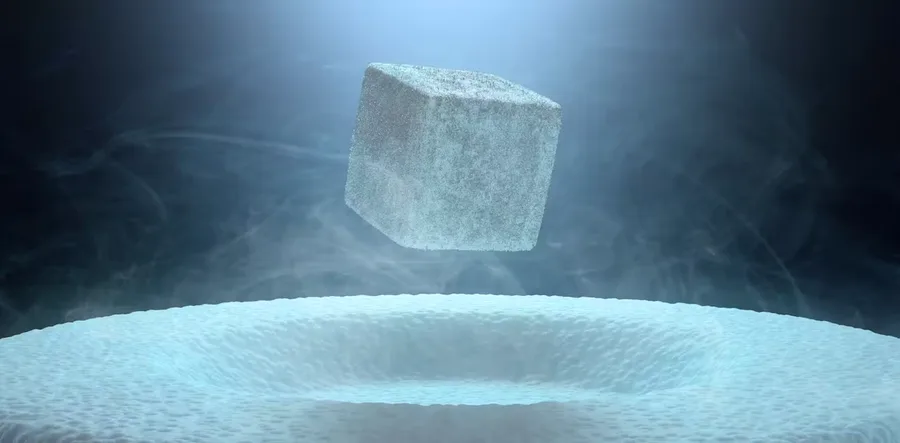
Claims about the discovery of a coveted room-temperature superconductor peppered the news in 2023. We pulled three stories from our archives on what superconductivity is and why scientists study it.
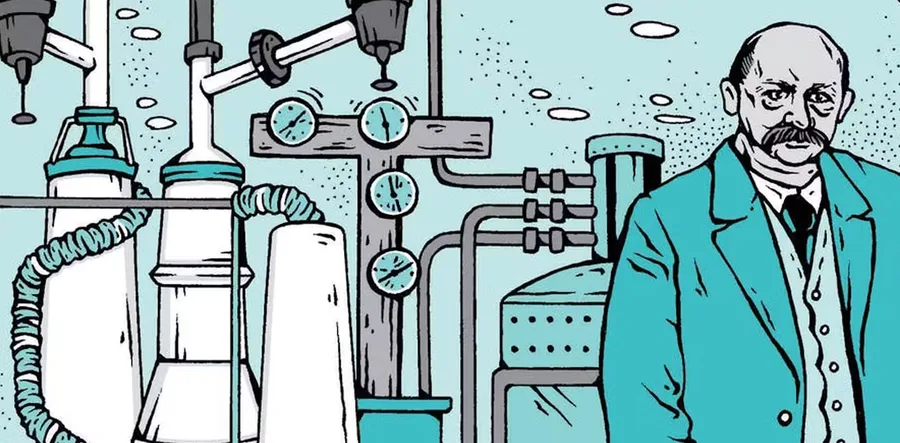
Superconductivity may sound like science fiction, but the first experiments to achieve it were conducted over a century ago. Heike Kamerlingh Onnes, credited with the discovery, won a Nobel Prize in 1913.
Mishkat Bhattacharya·...·Rochester Institute of Technology
3d ago
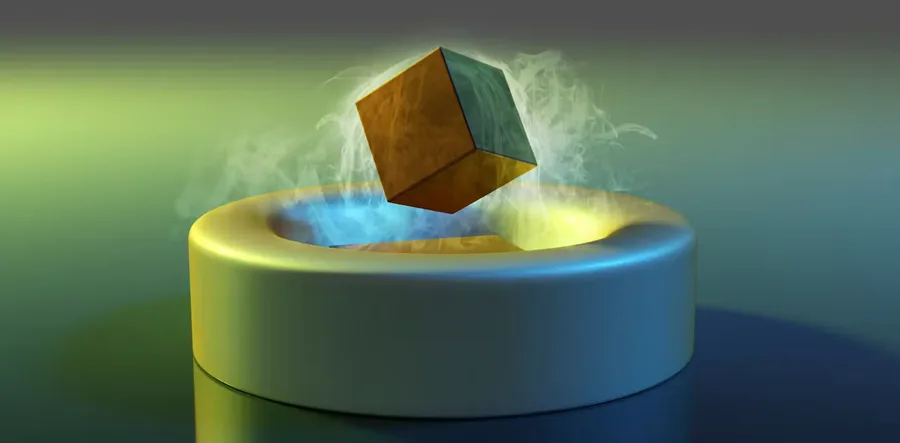
Superconductors are materials that can transmit electricity without any resistance. Researchers are getting closer to creating superconducting materials that can function in everyday life.
Massoud Pedram·...·University of Southern California
3d ago
Superconductors make highly efficient electronics, but the ultralow temperatures and ultrahigh pressures make them costly and difficult to use. Room-temperature superconductors promise to change that.
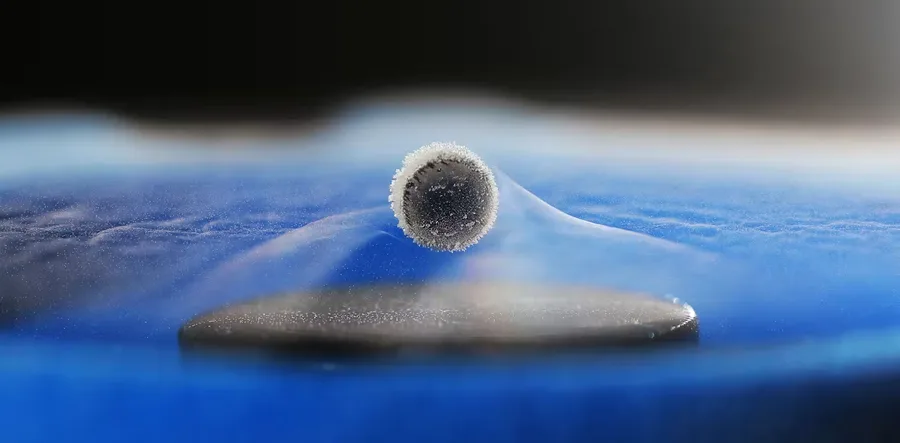
Just what is a superconductor? And what can it be used for? Research using superconductors at higher temperatures opens up more possibilities for this fascinating class of materials.