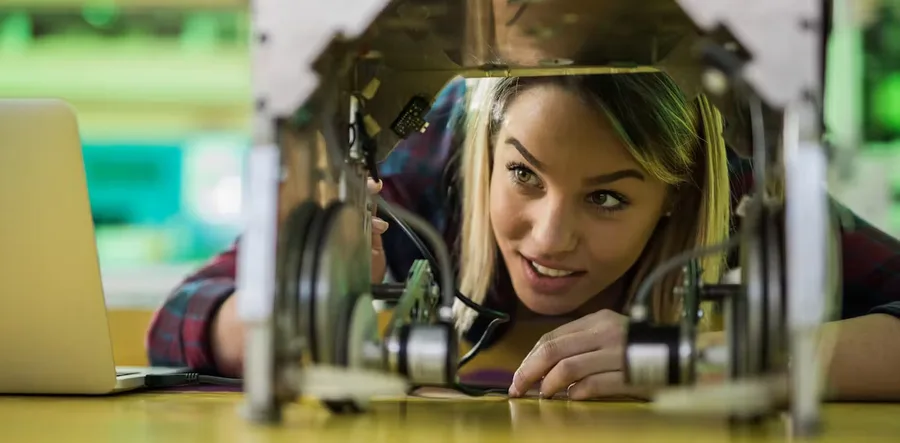
A negative environment dissuades many women engineering students from staying in the field. Can colleges and universities do anything to reverse the trend?
With unprecedented skills shortages looming in Australia, more than ever we need gender equity in science, technology, engineering, and mathematics. Here’s what needs to happen.
Michael Lachney·Assistant Professor of Educational Psychology and Educational Technology
3d ago
Without university-level programs to provide teacher training for advanced computer science, states will not be able to offer high-quality computer science education to all students.
A professor shows science students how humanities classes are the real stem that other disciplines sprout from. They learn that critical thinking and skepticism don’t stop when they leave the lab.
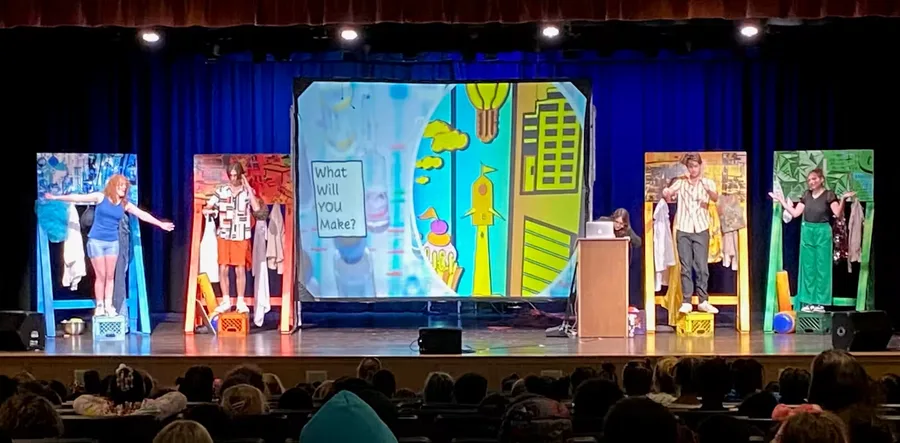
Is it a STEM education or a STEAM education? Integrating arts into science programming and vice versa can pique kids’ curiosity − a play touring Michigan aims to do just that.
If we’re going to prime a future-ready Australia, we need more research and development funding, and a diverse, highly skilled workforce. Are this year’s commitments in the right places?
Researchers asked engineering students to tell stories about challenges they had faced. Telling the stories, students said, made them more likely to stay in their major.
‘Don’t Say Gay’ bills claim to use science to justify a binary definition of sex based on certain traits. But the biology of sex and gender is not so simple.
















 research.io