How a future IHC Based Companion Diagnostic Reached Clinical Trial Readiness in Six Months In regulated diagnostics, the calendar leaves little room for drift. A sponsor needed an immunohistochemistry (IHC)-based clinical trial assay targeting a transmembrane protein transferred, validated, and submission-ready against an aggressive European timeline.
As pressure mounts across the clinical development landscape, organizations are increasingly adopting AI-driven automation to accelerate the delivery of new therapies. Sophisticated tools are being introduced to streamline workflows, scale operations, and reduce development timelines. Yet clinical development remains inherently complex. Real-world clinical data is shaped by diverse patient popula…
The strategic advantage in clinical trials is not only found in the protocol, the technology, and/or the therapeutic expertise; it is often found in the Financial relationship and how effectively study finances are managed.
A conversation with START Dublin Director Dr. Austin Duffy reveals how a country that once had no Phase 1 oncology infrastructure should now be one of Europe’s go-to destinations for early-phase clinical trials.
Receptor occupancy (RO) studies have long been used to demonstrate target engagement of therapeutic antibodies. Today, many programs rely on RO data to inform dose selection, pharmacodynamic interpretation, biomarker strategy, and mechanism-of-action assessments. Bispecific antibodies, T-cell engagers, antibody-drug conjugates (ADCs), and other next-generation therapies have expanded both the opp…
In a global Phase 3 colorectal cancer study, Precision's North American team turned a focused site management engagement into a pivotal contribution. When enrollment stalled after activation, the team built a prescreening tracker from scratch, identified a hemoglobin threshold that was systematically excluding eligible patients, and worked alongside the sponsor to amend the protocol.
A Phase 1 theranostic radiopharmaceutical study entered execution with two investigational products, an evolving FDA expectation around intensive imaging, and a sponsor that had built a strong scientific program without the operational scaffolding underneath it. Progress required site-level radiopharm expertise, structured cross-functional integration, and a willingness to push back on the sponso…
What Precision’s regional leaders are really saying about global clinical development The signal was in the repetition. Across APAC this year, Precision for Medicine’s regional leaders have been in the rooms where global development strategy is being debated, from CMAC 2026 in Suzhou to Clinical Trials Festival Asia in Singapore to a China-based industry webinar. The topics kept changing: dose op…
A Phase 1-2 rare rheumatology program achieved all startup milestones ahead of schedule, enrolled eight healthy volunteer cohorts back-to-back on time, and navigated a fundamentally different enrollment landscape when transitioning to patients. The team managed this while adapting to frequent strategy changes and maintaining close sponsor governance across multiple geographies.
Designing Smarter Autoimmune Trials for Heterogeneity and Signal Detection Autoimmune diseases represent one of the most complex and heterogeneous areas for drug development, affecting hundreds of millions of patients worldwide. These conditions span a wide spectrum of clinical phenotypes, immunological drivers, and progression patterns. As therapeutic innovation accelerates—particularly with bio…
A small European biotech company required end ‑to ‑end regulatory, scientific and assay validation support to transform an exploratory IHC assay into a multi ‑indication, multi ‑region patient ‑selection tool across the US and Europe.
China’s Regulatory System Enters a New Phase of Modernization China’s pharmaceutical regulatory system is entering a new phase of accelerated modernization, creating policy driven opportunities for innovative drug development and global collaboration. The Fourth Revision of the Regulations for the Implementation of the Drug Administration Law , issued by the State Council in January 2026 and sche…
Early phase oncology research is often described as cutting edge. In practice, it is just as defined by logistics as by science. For Dr. Sankhala, the work of advancing new therapies has always been inseparable from a more practical question: how do patients outside large academic centers, who are often limited by cost, geography, or system barriers, gain timely access to clinical trials?
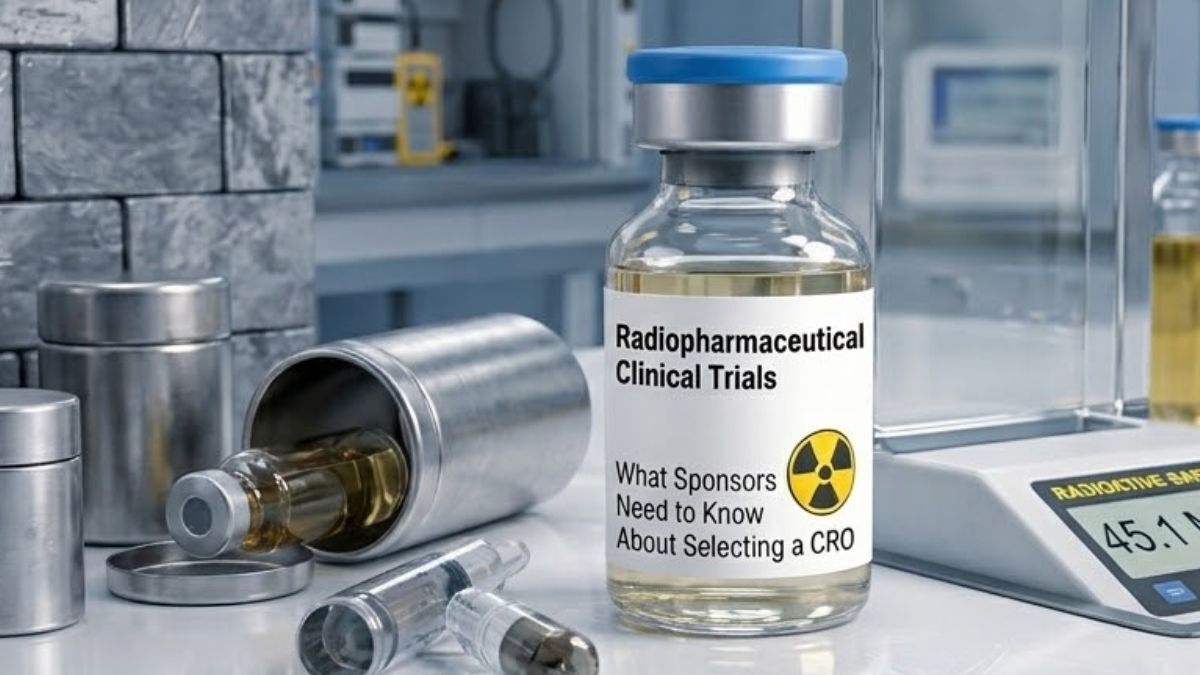
Choosing the right radiopharmaceutical CRO can make or break your clinical trial. When every minute counts, you need a partner who knows the stakes. Radiopharmaceutical clinical trials stand as some of the most complex studies in drug development today. These trials go beyond standard oncology studies, demanding strict adherence to specialized handling procedures, accommodating short half-life pr…
At NEXT Oncology, Dr. Tolcher has spent his career accelerating first-in-human cancer research. His perspective on what truly moves the field forward is simple. Work as one team. Remove friction. Meet patients where they are. The Precision Site Network is built to do exactly that.
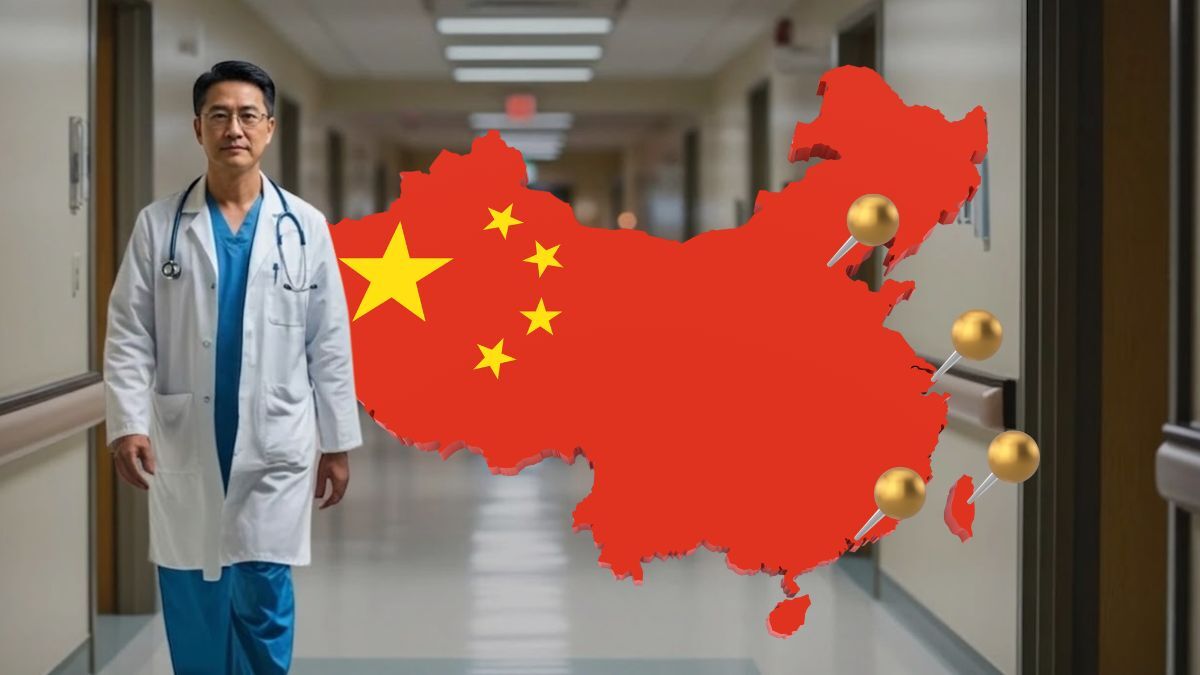
As glo bal clinical development becomes more complex, China continues to play a critical role in scientific innovation, patient diversity, and biotech growth. Sponsors conducting global and multi regional clinical trials increasingly require partners who can operate with local precision while maintaining global consistency. To support this demand, Precision for Medicine has expanded its footprint…
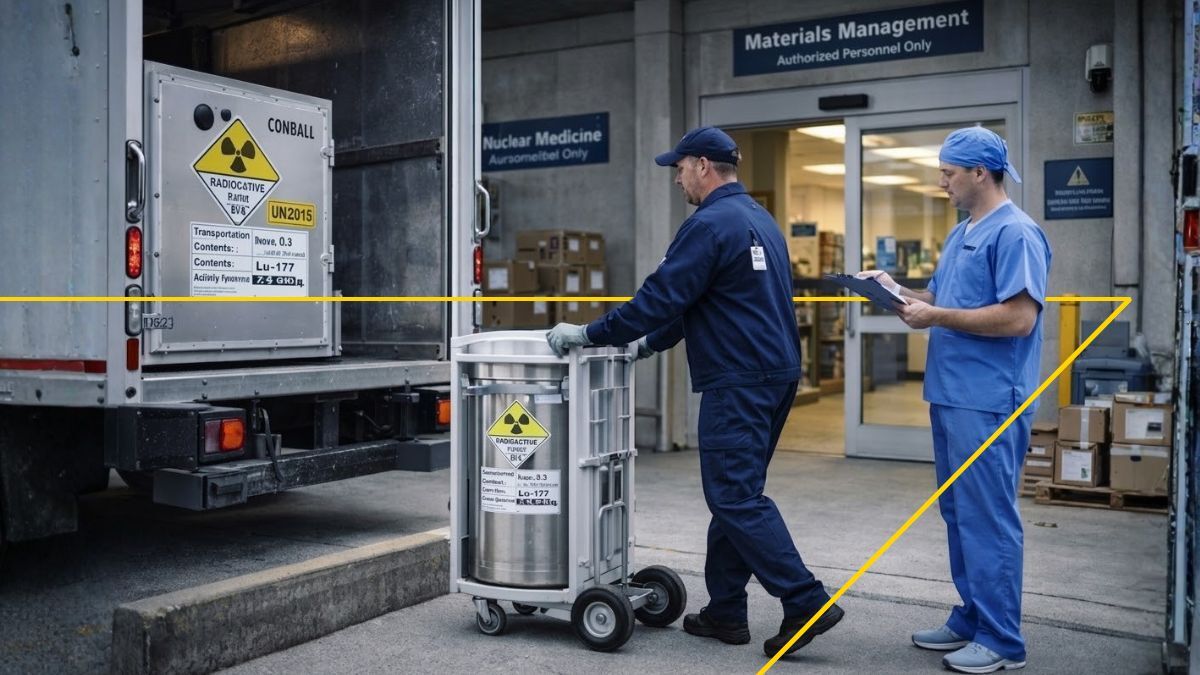
Running a radiopharmaceutical clinical trial is a race against time It's a race in which even a minor delay can undermine patient schedules, imaging windows, and ultimately, data integrity. With some imaging agents carrying half‑lives measured in minutes, operational discipline becomes just as important as scientific rigor. And the stakes are only rising.
This is the story of how a monitoring only rescue team caught a silent PK problem before it damaged a Phase 1 CAR-T data package and persistent pattern recognition kept a complex trial on track. What first looked like a few isolated sample issues quickly resolved into a pattern: time sensitive PK samples were arriving invalid at one of the four participating sites in a rare population, first in h…








 research.io