Understanding ‘Brain Fog’ Defining and Impacting ‘Brain Fog’ with Nutrition Chronic neuroinflammation is implicated in the propagation of “brain fog”, a colloquial term used to describe a heterogeneous set of cognitive issues, including brain-based fatigue, effortful cognition, poor focus, and forgetfulness. Complaints of brain fog and other cognitive inefficiencies have increased in frequency i…
Understanding Interesterefied Fats and Oils At IAFNS, we advance food science through rigorous research, collaboration, and science-based guidance. Human Health Effects of Interesterified Fats and Oils in Foods Policy makers and opinion leaders in North America are raising questions about the use of interesterified (IE) fats/oils in foods. The best practice for decision making in […] The post Int…
Sweeteners Guidance At IAFNS, we advance food science through rigorous research, collaboration, and science-based guidance. Bridging the Guidance Gap: Building a Research Roadmap for Low- and No-Calorie Sweeteners Low- and no-calorie sweeteners have become one of the most contested topics in nutrition science. What we’re seeing today is a real disagreement about how different types […] The post A…
Coffee and tea have been traditional sources of caffeine in the diet, but other sources, such as soft and energy drinks, are now increasingly consumed. Also, new caffeinated beverages are continuously added to the marketplace. These include higher-caffeine content energy drinks and an array of specialty and cold brew coffees. The study will provide […] The post Long-Term Trends in Intake and So…
Evidence-Based Sweetener Science ADA and IAFNS Sweetener Webinar Series The American Dental Association (ADA) and IAFNS joined forces to produce 3 LNCS webinars. Series Title: Role of Low- and No-Calorie Sweeteners: Metabolic Effects, Safety Profiles, and Implications for Chronic Disease. Click here for more information. RDN/NDTR CPEUs: pending approval “Reconciling Evidence on the Safety and […]…
This project creates a practical framework to help researchers, trainees, and non-specialists identify the hallmarks of rigorous, transparent, and trustworthy science — and recognize red flags — in scientific research. By improving how evidence is evaluated, the initiative supports stronger dietary guidance and public health policy grounded in scientific integrity. Advancing Trustworthy Nutrition…
Evidence-Based Sweetener Science ADA and IAFNS Sweetener Webinar Series The American Dental Association (ADA) and IAFNS joined forces to produce 3 LNCS webinars. Series Title: Role of Low- and No-Calorie Sweeteners: Metabolic Effects, Safety Profiles, and Implications for Chronic Disease https://engage.ada.org/courses/668/view ADA members: $199; non-members $299 (3 Continuing Education credits) R…
IAFNS Food Microbiology Committee and IAFNS Food Chemical Safety Committee are organizing the following three sessions at the International Association for Food Protection Annual Meeting in 2026. Balancing Innovation and Consumer Expectations: Aligning Food Safety and Building Trust Roundtable Expand Monday, July 27, 8:30-10:00 am CT. For food safety professionals, the convergence of sustainabili…
Advancing Dry Sanitation Solutions Optimization of Novel Antimicrobial for Dry Cleaning and Sanitation for Low-Moisture Food Production Development and Validation of Novel Safer Sanitizing Solution for Dry Processing Environments A previous study developed a novel non-polar liquid sanitizing formulation for food processing environments. This provides an alternative sanitizing tool that decreases …
An app to help consumers make informed food choices The IAFNS Assembly on Scientific Integrity guides members from government, industry and academia as they drive, fund and lead actionable science in support of public health. The Food Additive Lens iPhone App Leverages AI to Give Users Expert Information on Additives Instantly from Grocery Aisle A […] The post Food Additive Lens App appeared fi…
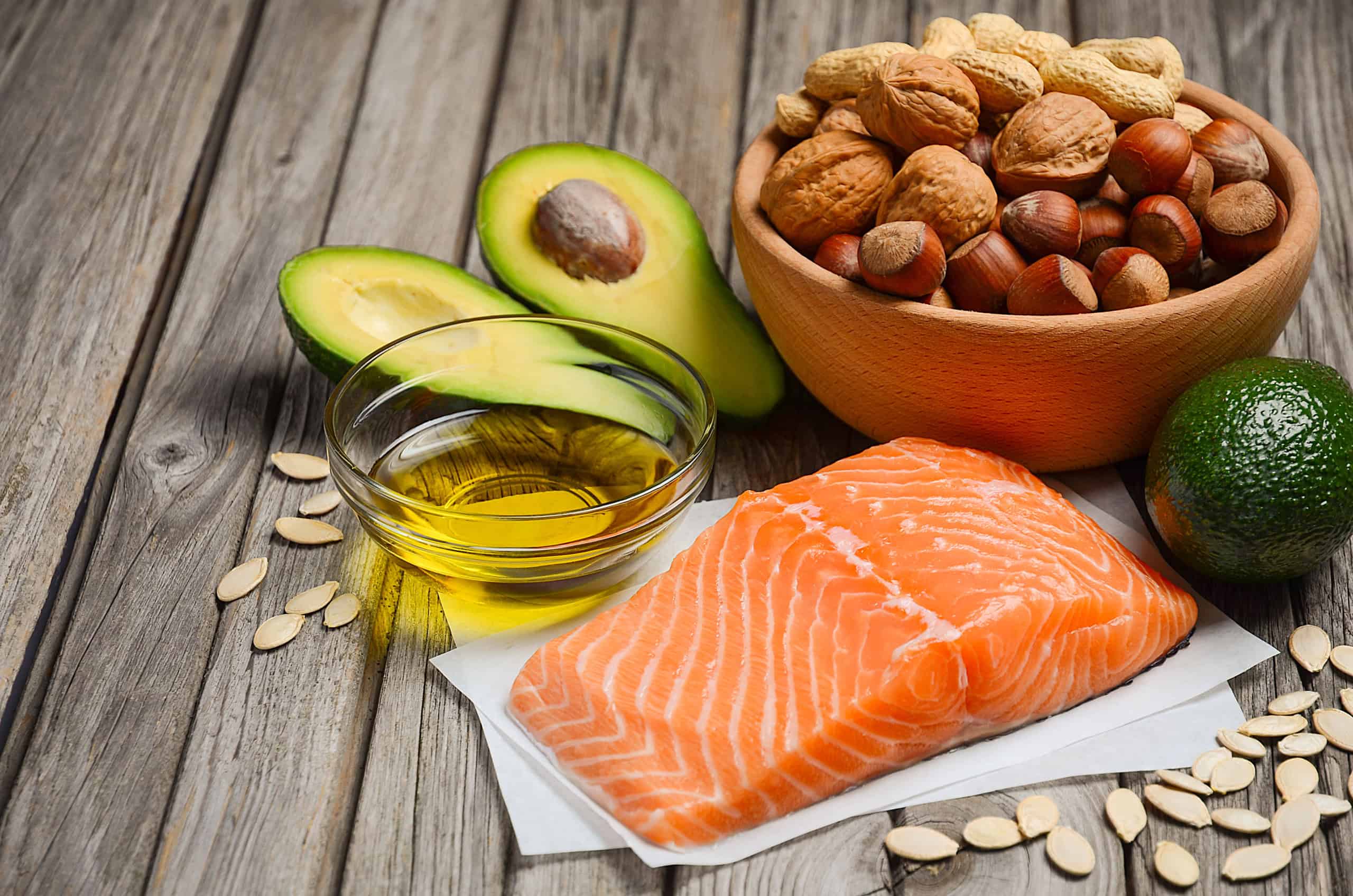
Science-Informed Practical Answers IAFNS Dietary Lipids Committee mobilizes members from government, industry and academia to drive, fund and lead actionable science in support of public health. Should I Recommend Foods with Unsaturated Fats? Parts 1 and 2 This webinar series is targeted to health professionals addressing patient and client questions about whether to eat foods containing […] The …
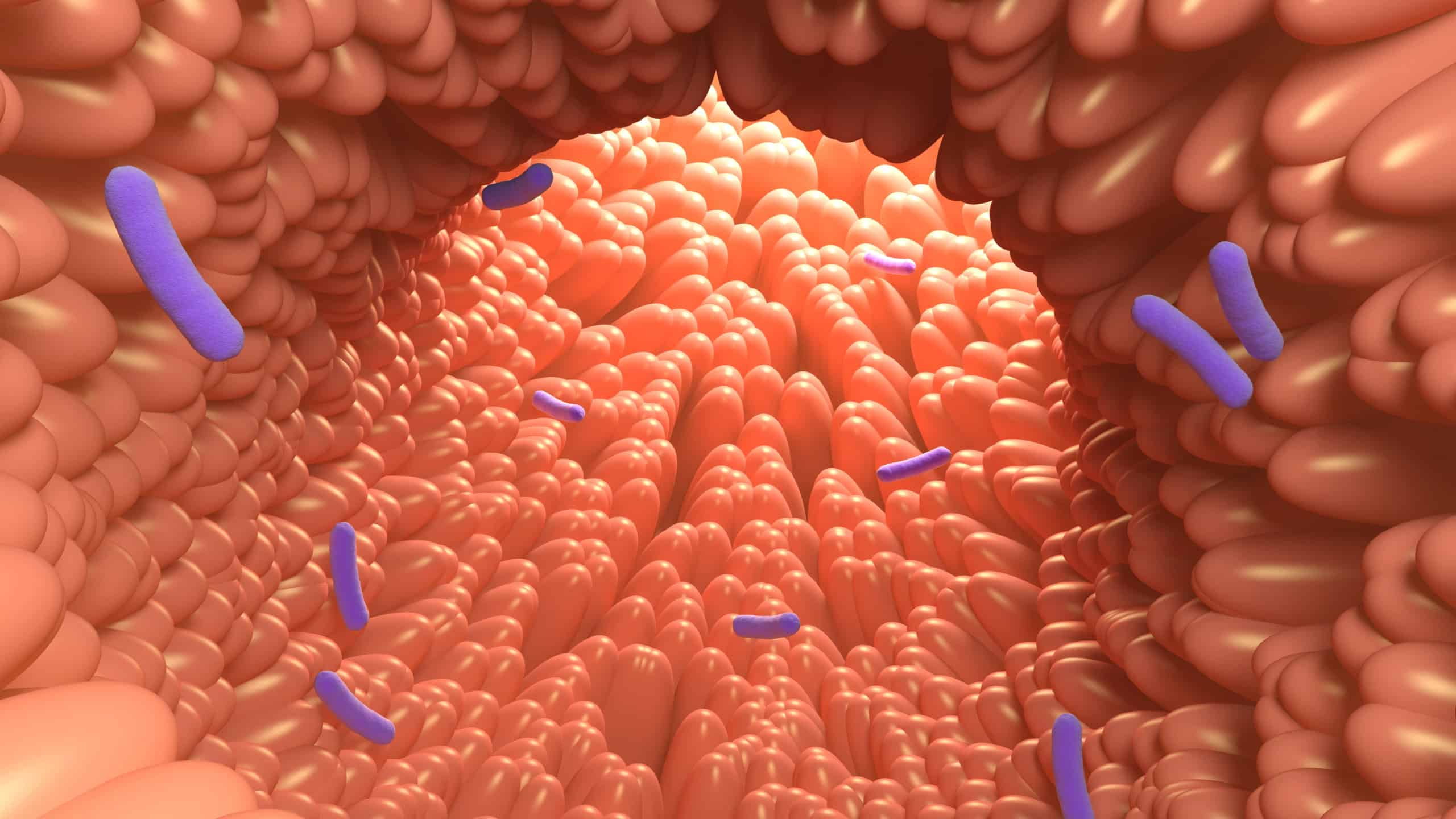
The Healthy Gut Documenting Consumer’s Perspectives on ‘Gut Health’ and the Impacts of Nutrition How Consumers Think About Gut Health There is significant consumer, research, and industry interest in supporting ‘gut health’ although the specific effects that are desired, investigated, or targeted through diets, foods, and supplement products are highly variable. There is an opportunity […] The po…
The Food Microbiology Committee is proud to have supported the following sessions at the 2025 International Association for Food Protection’s Annual Meeting. Symposium: Spores…Let’s B. cereus Expand Session #1: Symposium: Spores…Let’s B. cereus Abstract: Bacillus cereus is a common spore forming bacteria that can cause foodborne illness if cells grow to sufficiently high levels (e.g., […] The pos…
Nutrition Meets Neuroscience Mapping Nutrition for a Healthier Brain Cognitive decline has become more a more prominent health concern in the US and globally, in part due to increased life expectancy. As a result, efforts to mitigate decline through research findings, product development, and education have garnered increasing attention. Diet is one modifiable risk factor […] The post Nourish the…
Omega-3 Biomarkers At IAFNS, we advance food safety through rigorous research, collaboration, and science-based guidance. Tracking Omega-3 Status in Plant-Based Teens: Diet, Biomarkers, and Mental Health Preferences for plant-based, animal protein restricted diets and vegetarianism are increasing in North American adolescents despite questions about the suitability of diets limited in key nutrien…
Ingredient & Additive Risk Assessment Evidence-Based Risk Assessment of Ingredients and Additives This project focuses on the development of a framework to facilitate the risk assessment of potential human dietary hazards. Such a framework will consider the relevance and inter-species extrapolation of exposure, toxicokinetics, as well as the toxicological mechanisms of action underlying observed …
Three-Part Research Series Advancing LNCS Research Through a Three-Part Webinar Series and Publication IAFNS' Low & No Calorie Sweetener (LNCS) Committee hosted a 3-part webinar series to present new evidence from three large consortium projects. The projects focused on the effects of LNCS and include: Sweet Project: Developing evidence on the long-term effect of sweeteners on […] The post Low & …