A hormone already known for curbing appetite and supporting weight loss may have a surprising second job: protecting the liver from inflammation and scarring. Researchers at McMaster University found that GDF15 activates a previously unknown brain-to-liver pathway that triggers the release of glucocorticoids, helping calm immune activity in the liver.
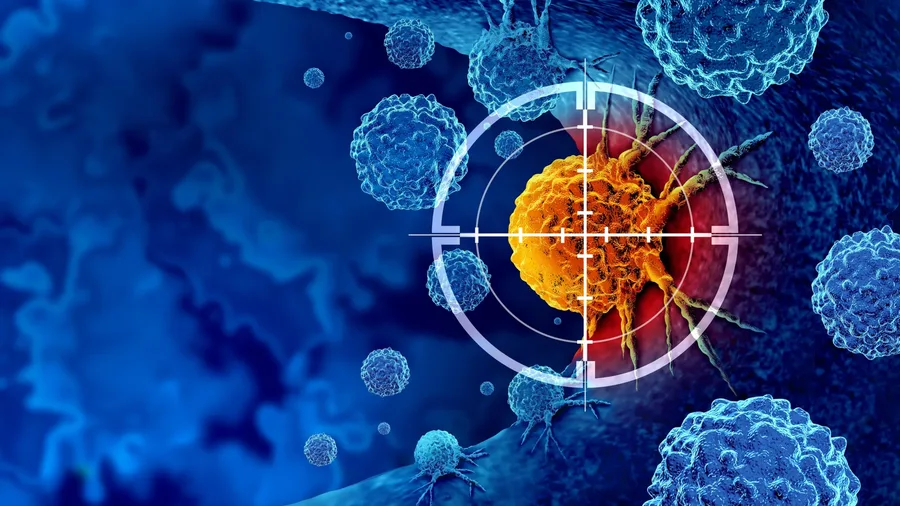
Scientists used CRISPR to make prostate cancer cells easier for the immune system to detect and destroy. The experimental treatment dramatically improved the effects of immunotherapy in mice and may offer hope for other hard-to-treat tumors.
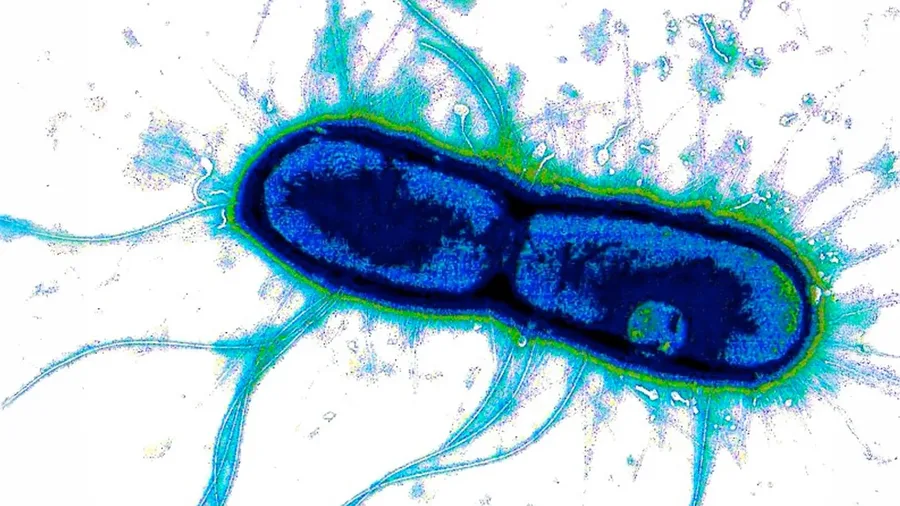
Researchers discovered an “Achilles’ heel” shared by E. coli, Shigella, and other diarrhea-causing bacteria: enzymes they use to breach the gut’s protective mucus layer. By targeting this common vulnerability, scientists may be able to develop a single vaccine that prevents several major diarrheal infections before they even begin.
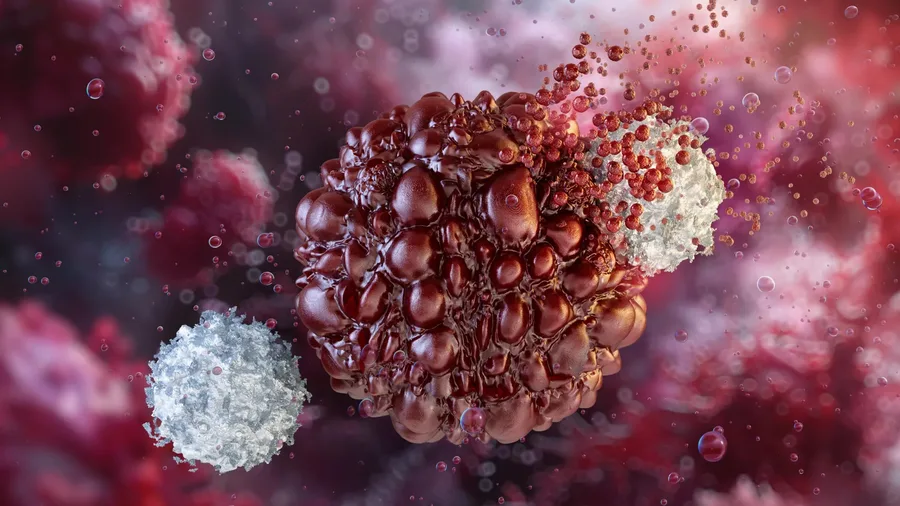
A new stem-cell-inspired technique allows scientists to grow vast numbers of immune-cell progenitors that can be engineered to hunt cancer and strengthen immune responses. In animal studies, the cells fought tumors, restored immune function, and showed promise as a durable, off-the-shelf therapy platform.
For decades, pancreatic cancer has been one of the most lethal cancers, with few effective treatment options. A new drug, daraxonrasib, targets the KRAS mutation that fuels most pancreatic tumors—something many scientists once thought couldn't be done. In a major clinical trial, the treatment nearly doubled survival for patients with advanced disease and reduced the risk of death by 60%.