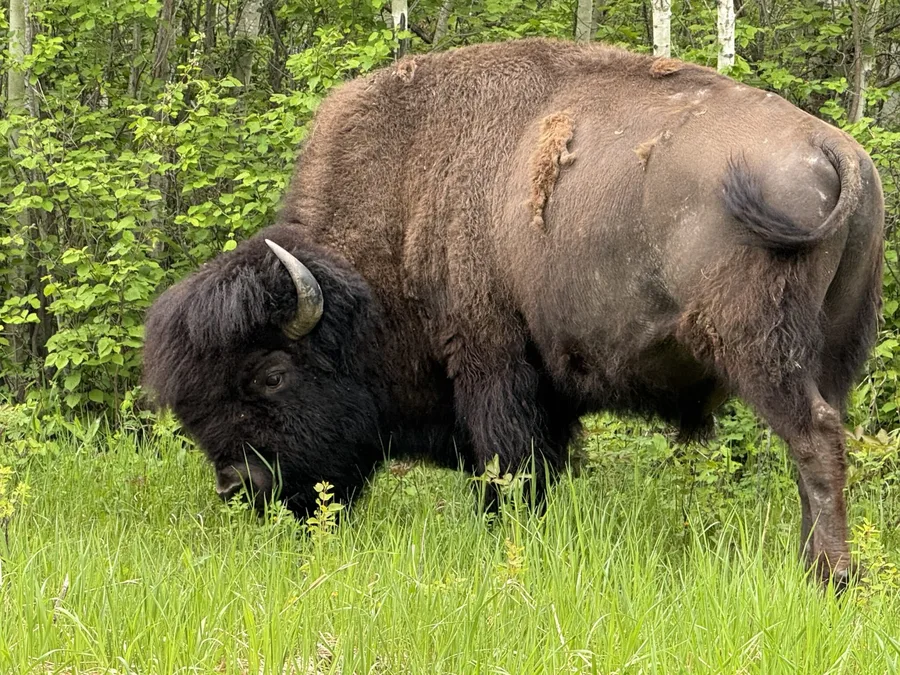
A new study by leading ancient DNA researchers at the University of California, Santa Cruz, used paleogenomics to create a genetic roadmap to help guide the restoration of another iconic species once on the brink of extinction: the North American bison.
A team of palaeontologists from China University of Geosciences (Beijing) studying penguin fossils from Seymour Island off the Antarctic Peninsula have demonstrated how ancient bird bones can act as chemical archives of past climate change.
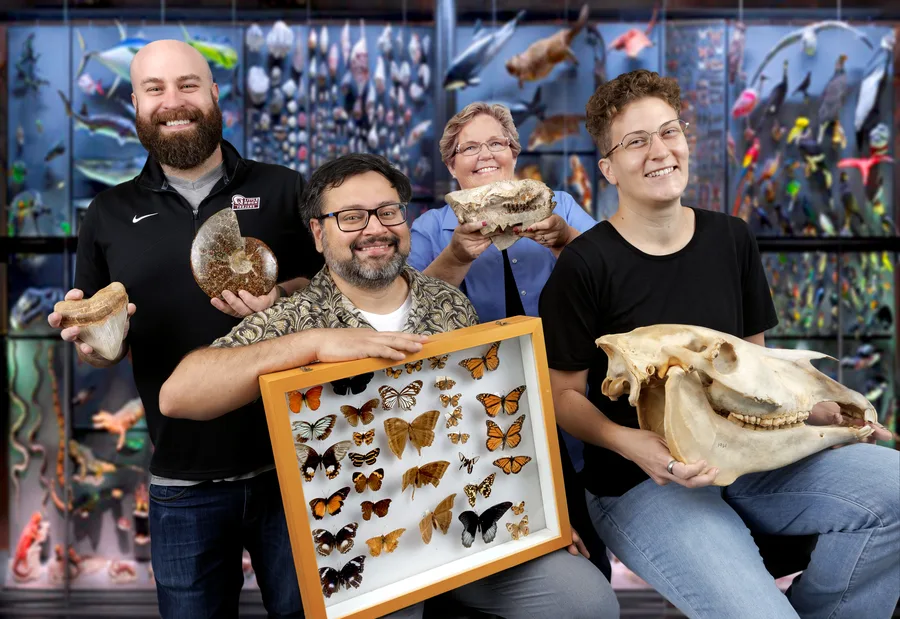
The University of Arkansas at Little Rock is building a Museum of Natural History on campus, to be located in Ottenheimer Library. It will utilize myriad artifacts, minerals, and specimens to demonstrate the timeline of Arkansas, from when the state was literally underwater, to the present day.
Florida State University researchers are part of an international team whose work challenges the long-held belief that North and South American mammals did not mix until the continents joined through an isthmus, a narrow strip that connects two larger land masses.
State University of New York (SUNY) at Stony Brook (Stony Brook University) Professor Maureen O'Leary from the Department of Anatomical Sciences in Stony Brook University's Renaissance School of Medicine (RSOM) and research associate at the American Museum of Natural History (AMNH) is part of a research team that recently uncovered a preserved fossil from Mongolia's Gobi Desert that is reshaping …
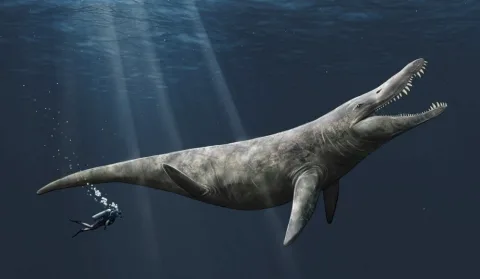
For more than 25 years, Liopleurodon has been one of the world's most recognisable prehistoric marine predators. Immortalised in the BBC's landmark Walking with Dinosaurs series as a colossal 25 metre marine hunter, it captured the imagination of millions and became synonymous with the giant reptiles that ruled Jurassic seas.
Fossils are often not complete and the subtlety of differences between certain species, and changes that occur while an animal grows, complicates identifying the species by the fossil. A paper published in Paleobiology lays the groundwork for a new approach to identifying an animal fossil, the implications of which are significant for vertebrate paleontology.
A Florida State University paleoclimatologist led the creation of a global database hosting thousands of seawater isotope measurements collected over almost 50 years that will aid scientists in generating more accurate climate reconstructions and predictions.
CT scans of a 300-million-year-old minnow reveal well-preserved neural tissues, suggesting that the interior of the skull can be used to study the size and structure of early fish brains.
A new study found that a major shift in Earth's ancient ice age cycles was triggered by Southern Hemisphere ocean circulation - not the Northern - which provides a vital baseline data to model modern climate change.
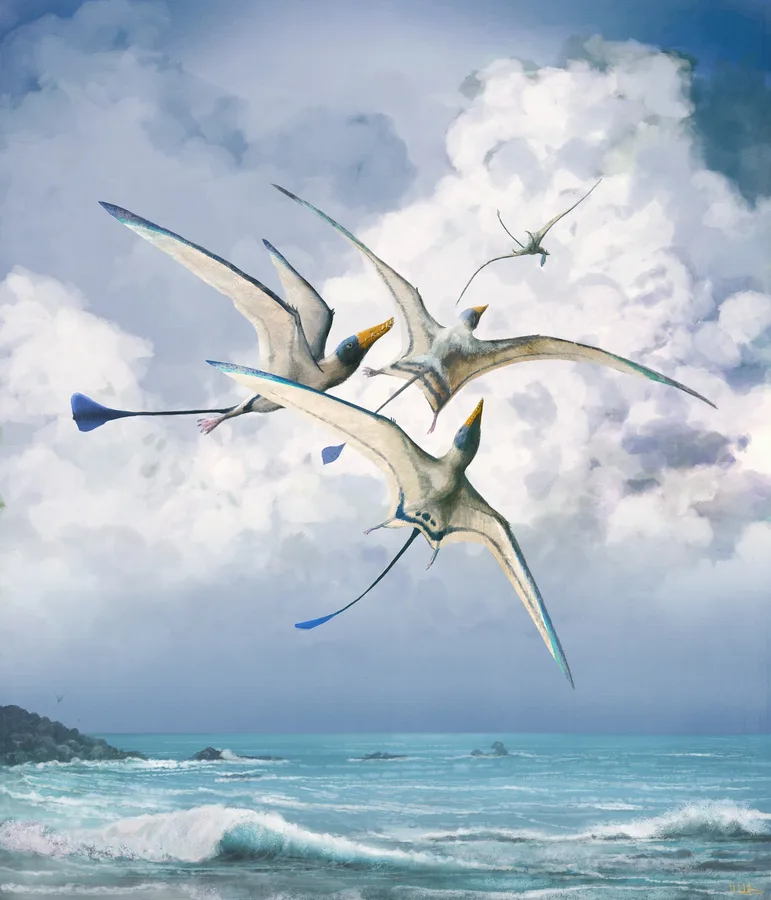
Pterosaurs, the first vertebrates to fly, would have had more diverse wing shapes than current scientific reconstructions suggest, according to new University of Bristol-led research. The study is published in the journal Paleobiology today [Tuesday 23 June].
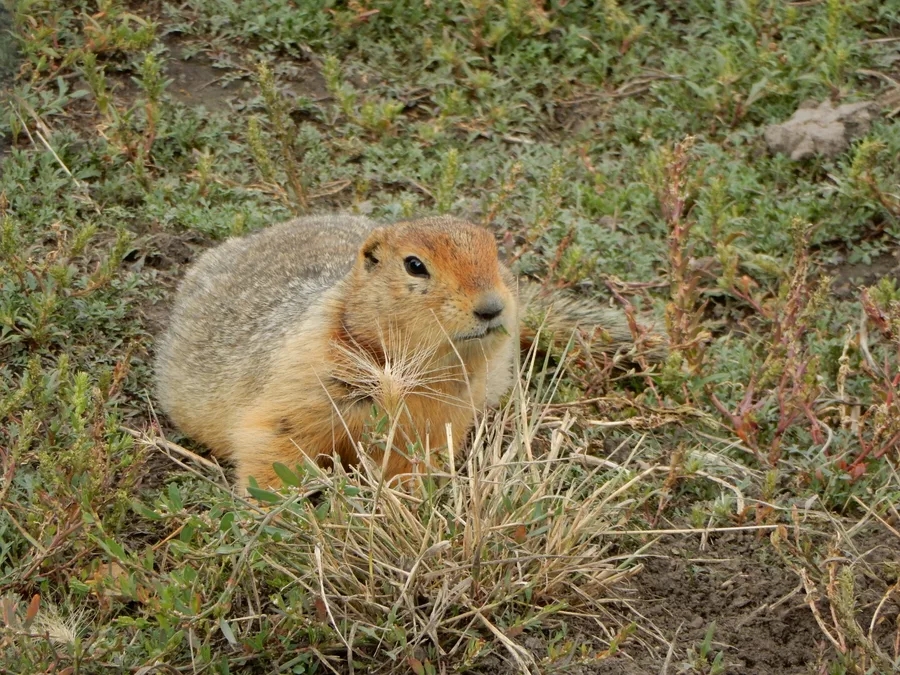
Ground squirrel droppings, preserved for millennia in the Yukon's deep permafrost, have yielded an enormous amount of environmental DNA from dozens of species of plants, insects, microbes and large mammals, offering detailed genetic information about an environment that no longer exists.
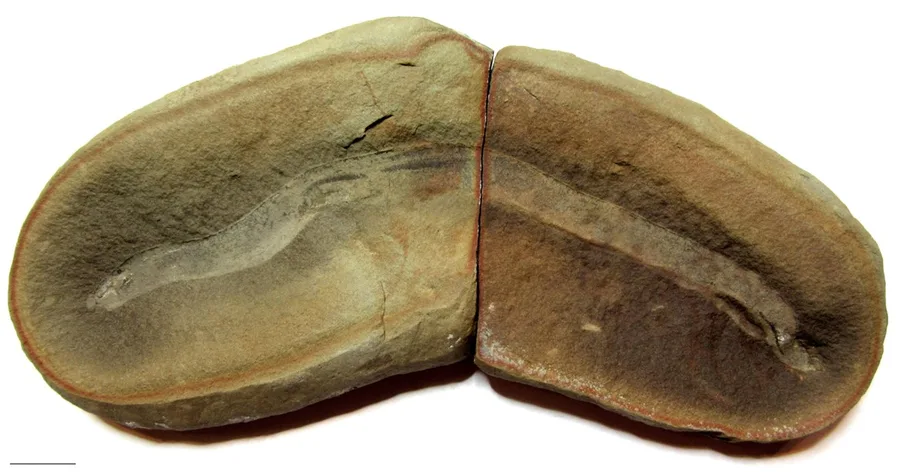
New research led by a University of Wisconsin-Milwaukee geoscientist provides insight into how one of the most primitive living vertebrates evolved its uniquely simple visual system.
The asteroid impact thought to have wiped out the dinosaurs 66 million years ago was followed by surges of fungi in North America, according to a new paper by Johns Hopkins Bloomberg School of Public Health researchers.
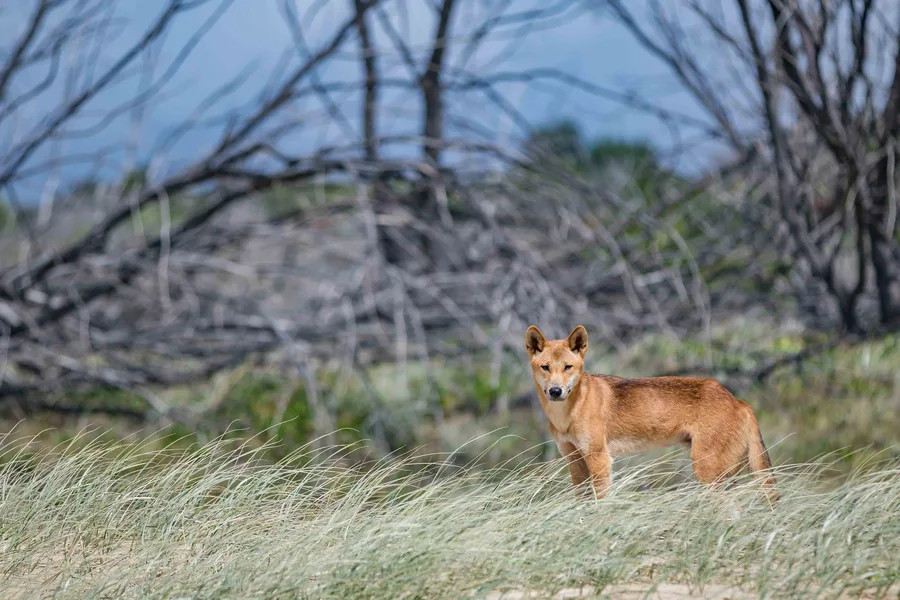
A new genetic test has revealed that most of the free-roaming canines in Australia, often labelled 'wild dogs', carry a significant amount of dingo ancestry.
Baby dinosaurs were likely fed more nutritious food than their adult counterparts, a finding that could offer insights into their social evolution, suggests a new study.
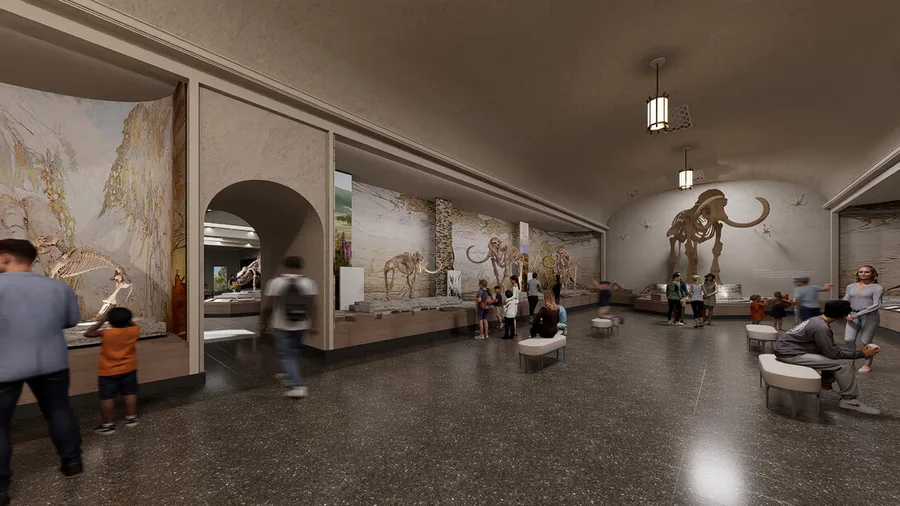
Morrill Hall's second floor, including its iconic Elephant Hall, will undergo its largest renovation in the museum's 99-year history.On April 24, the University of Nebraska Board of Rege
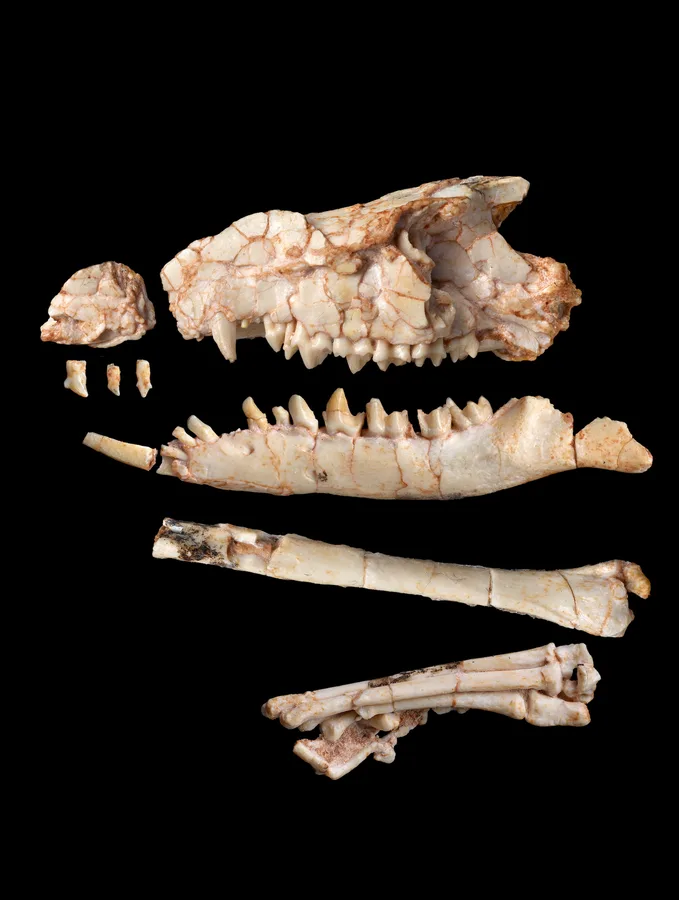
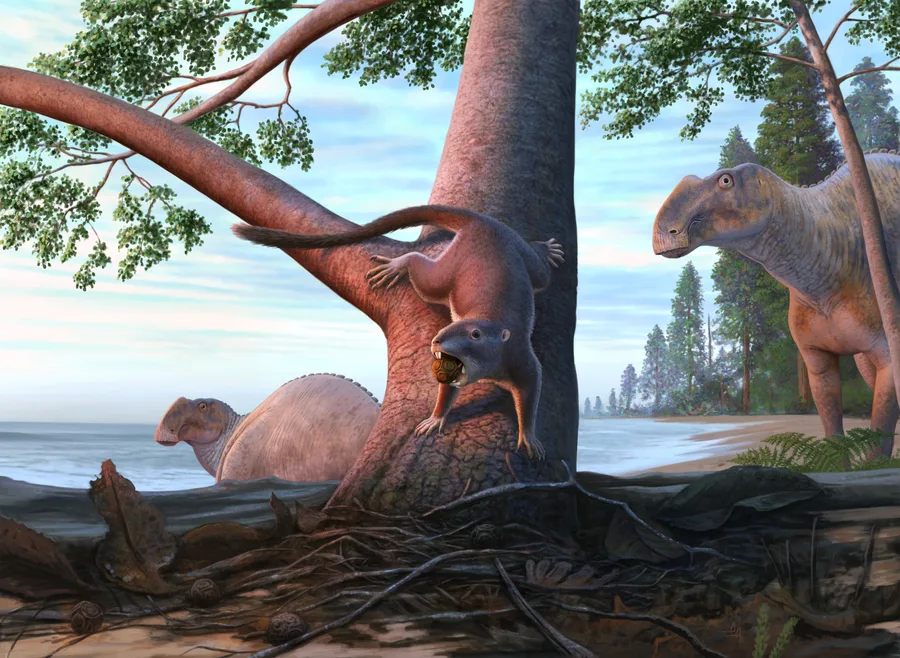
A research team led by the University of Washington has identified a new species of an ancient rodent-like creature. The new species, named Cimolodon desosai, was about the size of a golden hamster, the researchers said. It likely scampered on the ground and in the trees and ate fruits and insects.
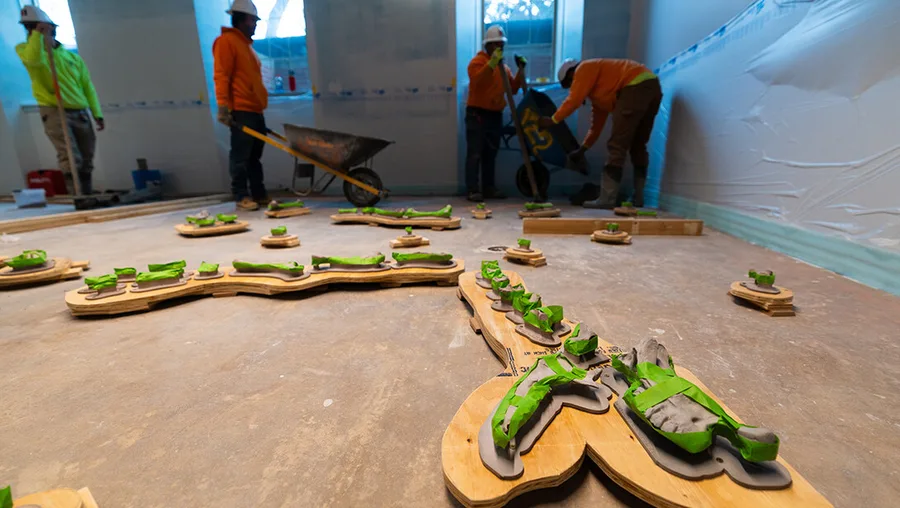
Children visiting the University of Nebraska State Museum-Morrill Hall will soon be able to unearth a lifelike fossil through a partnership with the Frontier Tech Lab at Nebraska Innovation Studio.
A new study doubles the evolutionary history of the weasel family. Researchers, including Chris Law, a University of Washington principal research scientist in the biology department, have determined that a fossil that was discovered in Spain belongs to a new species dating back to around 6.5 million years ago. This new species was likely similar in size to the smallest living weasel species toda…








 research.io