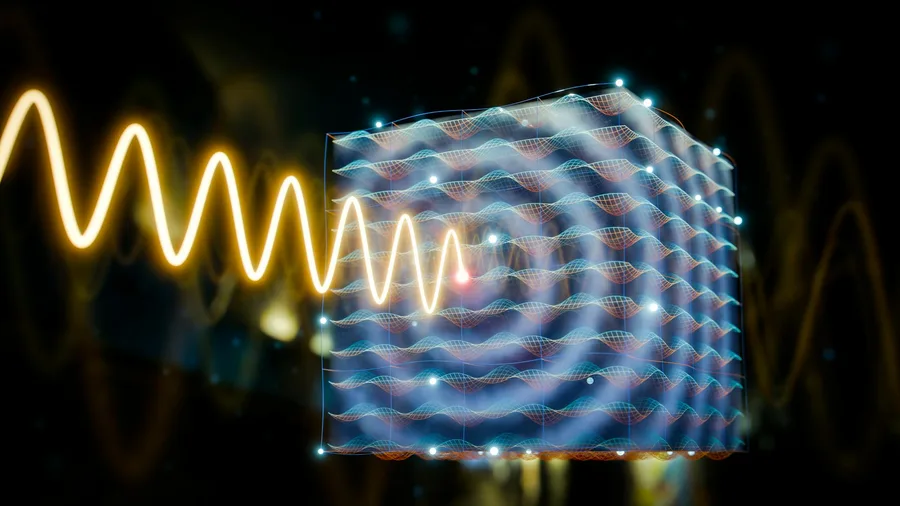
In a breakthrough, researchers in France and Germany demonstrate a photonic time crystal—with optical properties that change over time—and it has the potential to dramatically increase signal processing/optical computing rates.
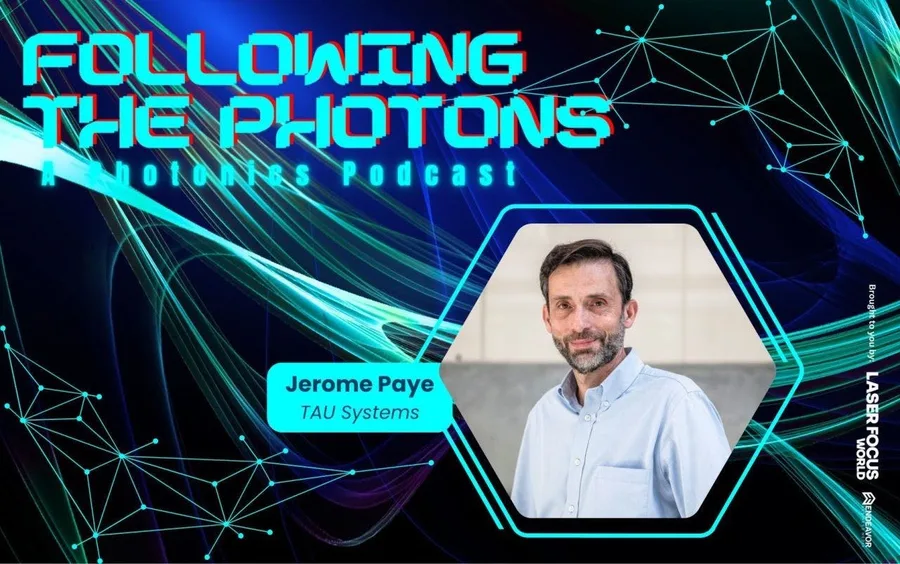
This episode of Following the Photons: A Photonics Podcast examines the increasing number of optics and photonics technician training programs around the U.S.
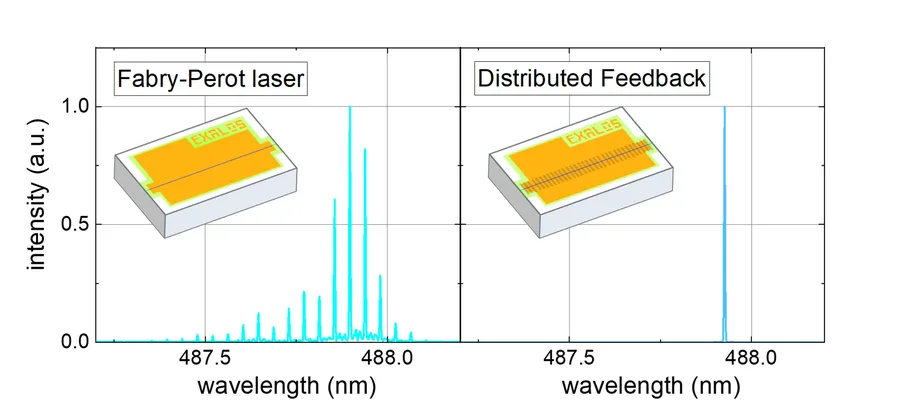
Laser subsystems are a constraint in scaling quantum technologies, but advances in visible distributed feedback (DFB) lasers provide an alternative that offers intrinsic single-frequency operation, mode-hop-free tuning, and wafer-scale manufacturability.
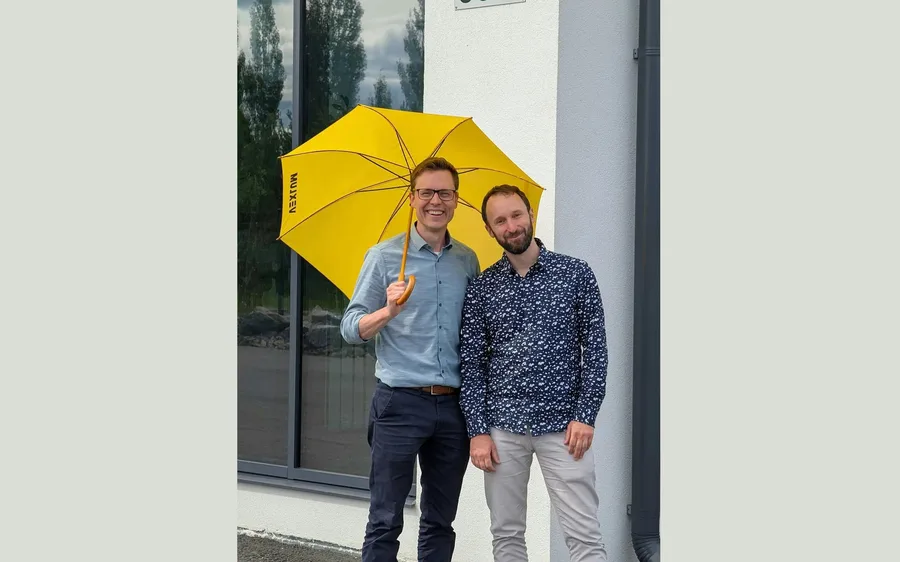
Vexlum’s CEO and Cofounder Jussi-Pekka Penttinen shares how the Finnish company differentiates itself, why they’re expanding operations into the U.K., and three intriguing trends he sees emerging within the quantum space right now.
By silencing noise at its source, waveguide-integrated quantum dots now deliver transform-limited single photons directly within the original telecom band—making the premier quantum light source compatible with low-loss fiber infrastructure and silicon photonics.
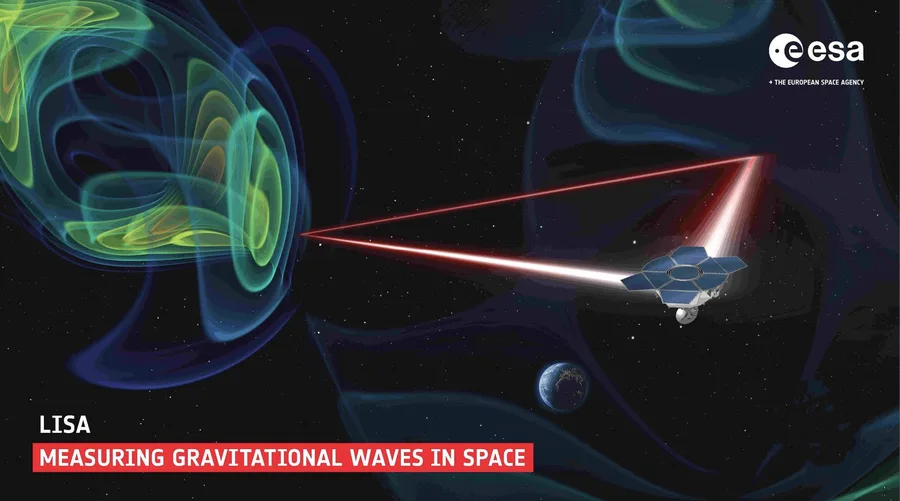
NASA selected Exail’s flight-proven lithium-niobate phase modulators for its Laser Interferometer Space Antenna (LISA) space mission, which highlights how industrialized electro-optic components can support precision in laser metrology and other space laser applications.
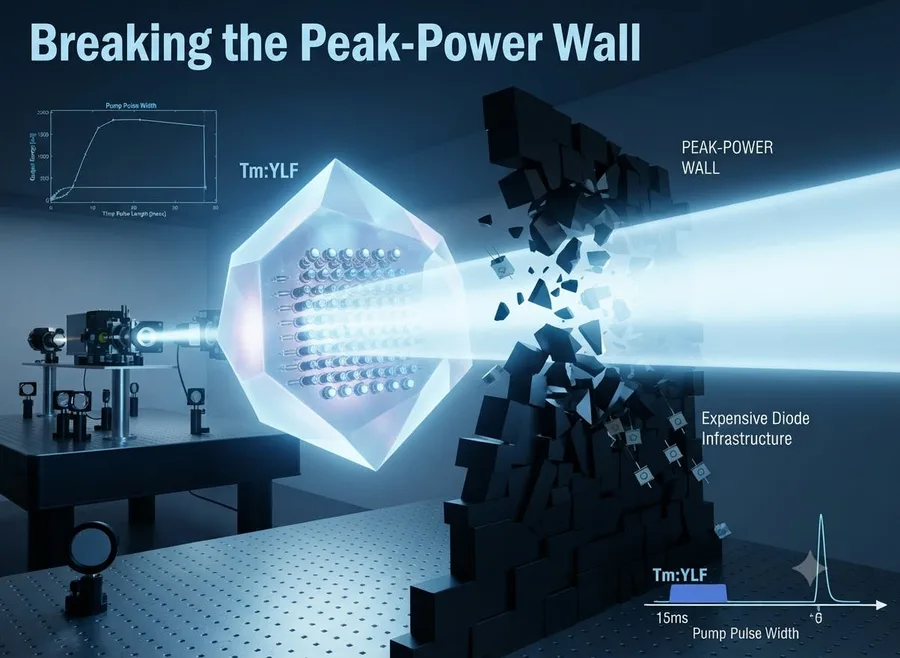
Long upper-state lifetimes of thulium-hosted crystals offer bypass of prohibitive diode infrastructure costs that bottleneck low-repetition-rate, multi-joule laser architectures.
By first amplifying squeezed light with a multimode optical parametric amplifier, researchers increase its signal without adding noise—and enable simultaneous measurement of many quantum modes in real time.
This episode of Following the Photons: A Photonics Podcast kicks off a monthly series that will examine specific topics via the perspectives of industry experts.
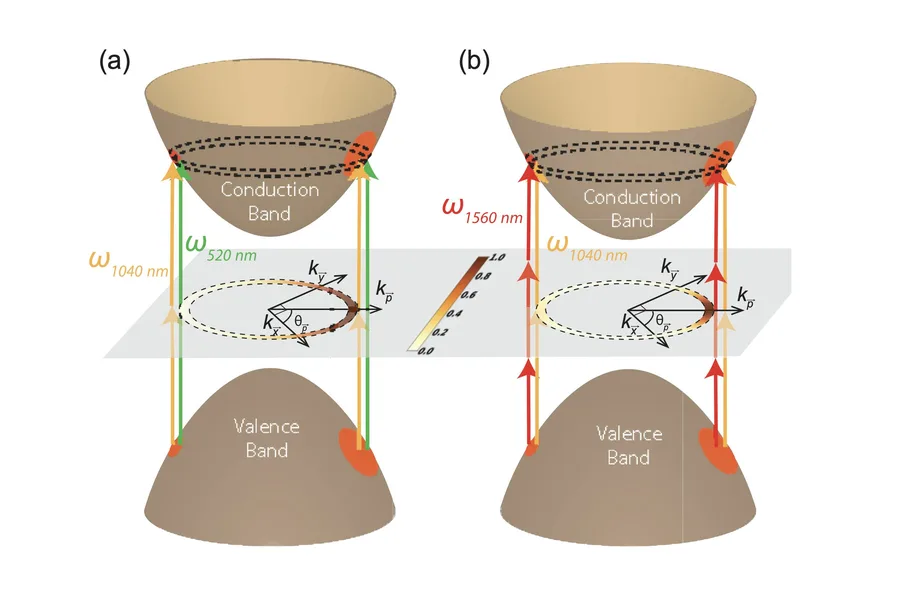
University of Michigan researchers use phase- and polarization-controlled two-color laser fields to generate a photocurrent within a semiconductor and control the direction in which carriers are injected.
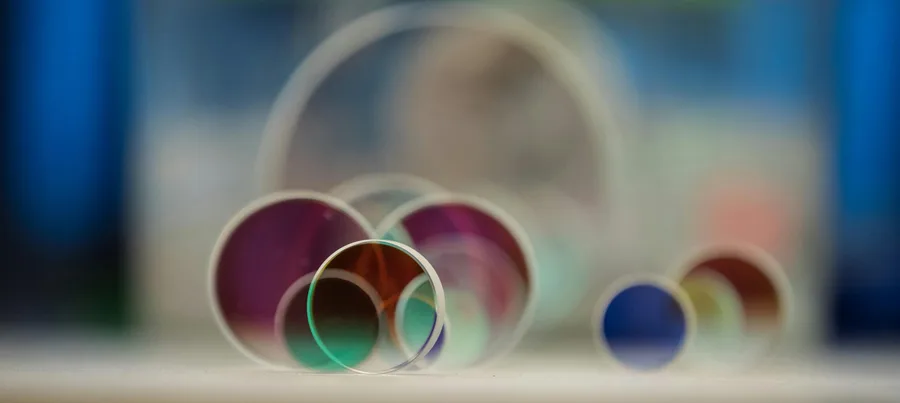
A local presence helps customers define the right optical problem earlier, connect system requirements with coating expertise, and reduce risks of a technically advanced optic becoming the wrong solution for the application.
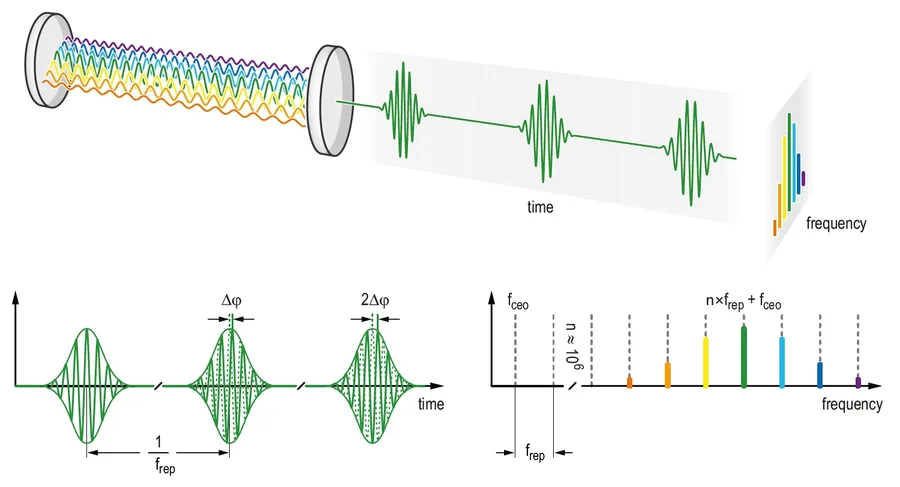
Primer: Fundamentals of ultralow-noise frequency comb technology and how to transfer spectral purity without degradation across broad optical bandwidths.
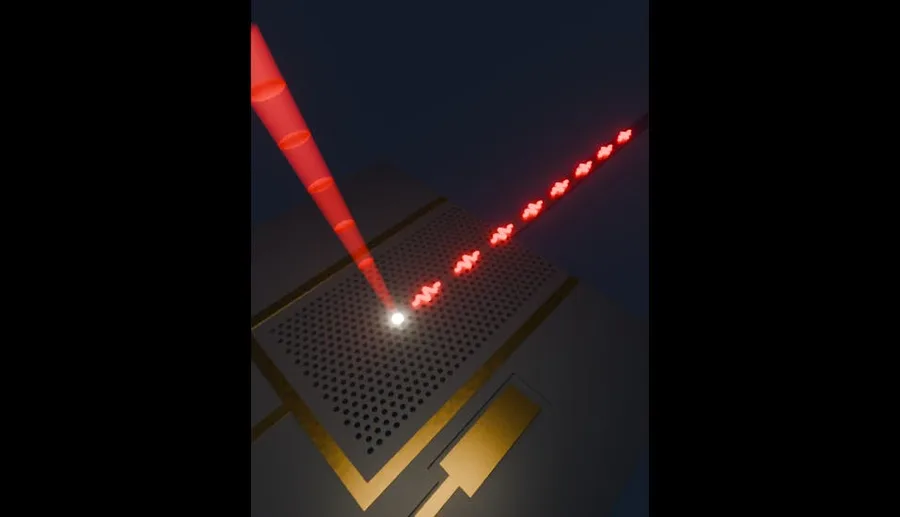
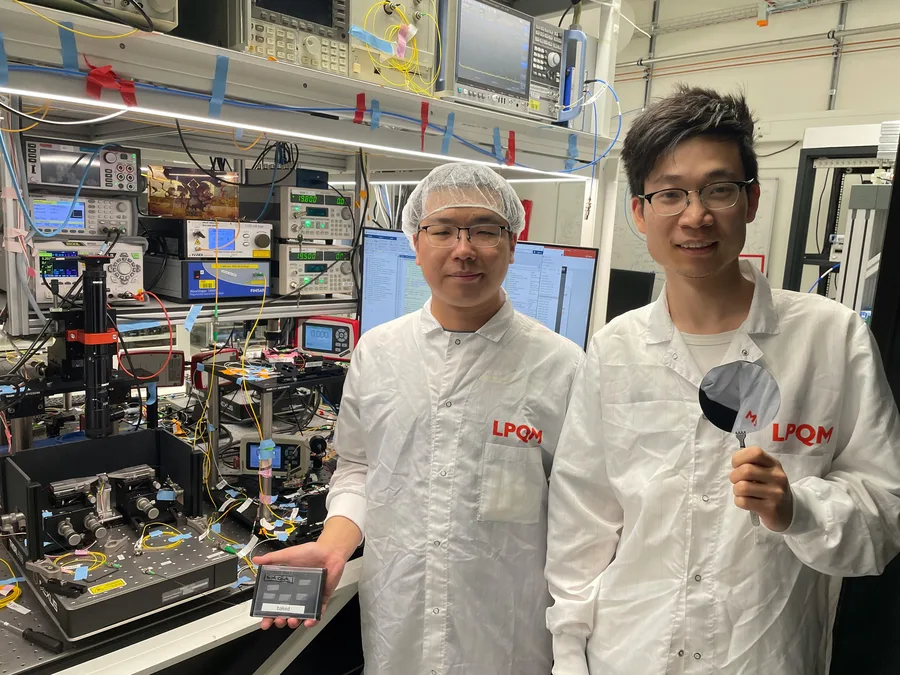
Yes—finally! Generation of intense ultrafast pulses directly on chip brings a new capability to photonic integrated circuits (PICs) and enables integration of more functionalities, such as monolithic piezo actuators.


 research.io