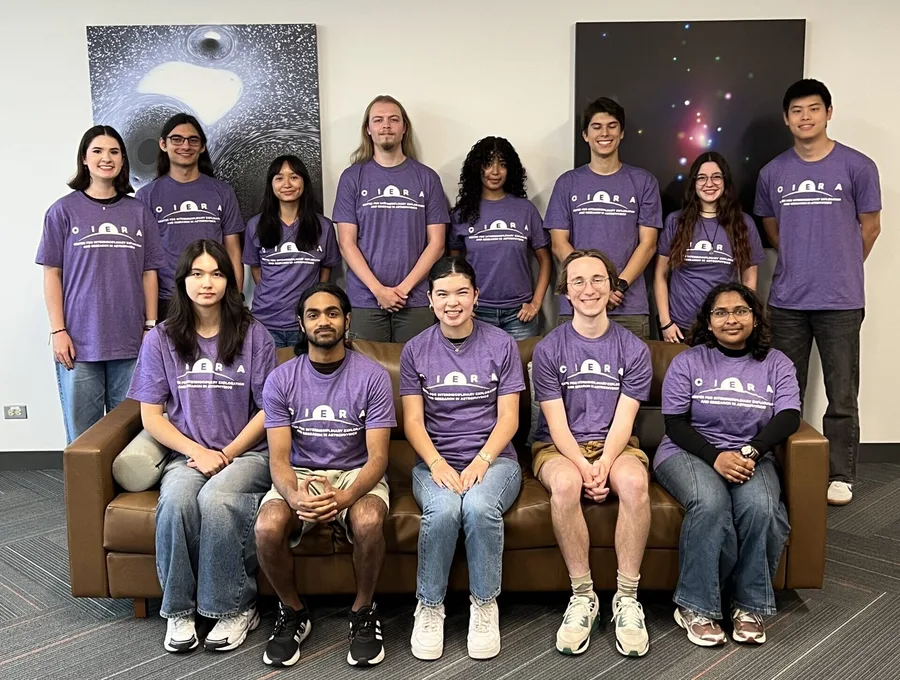
On Aug. 20, 13 undergraduate students from across the country presented posters at Northwestern University’s Center for Interdisciplinary Exploration and Research in Astrophysics (CIERA), marking the culmination of nine weeks of rigorous astrophysics research through CIERA’s Research Experience for Undergraduates (REU). Now in its twelfth year at CIERA, the REU program is a carefully built
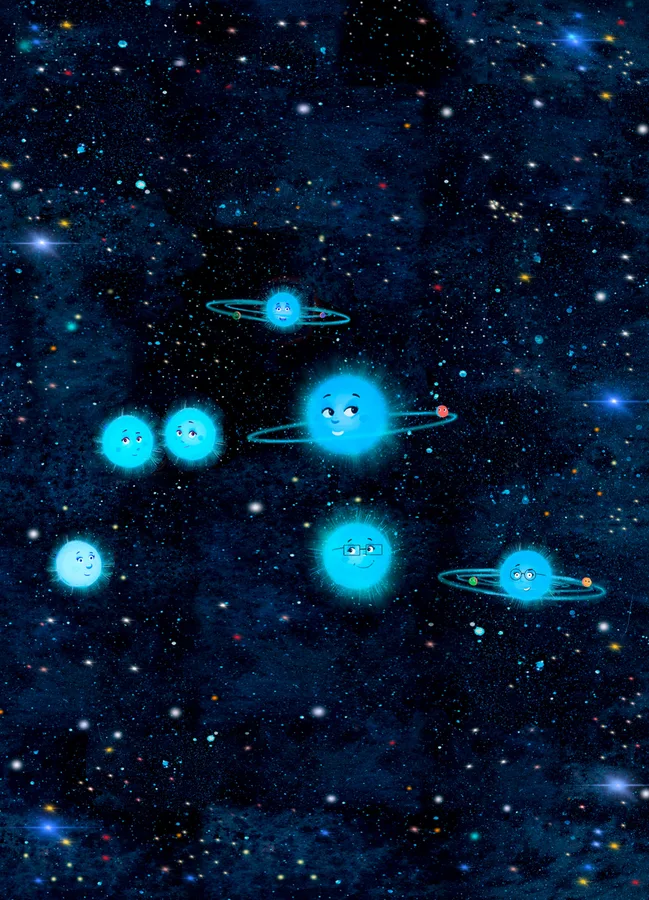
CIERA’s Aaron Geller has published a new astrophysics textbook, written together with collaborators Nathan Leigh and Taeho Ryu. The book, titled Dawn of the Stars, teaches undergraduate astrophysics through an engaging and sometimes comical narrative that follows the seven brightest stars of the Pleiades cluster, also known as the Seven Sisters, on a fictional journey
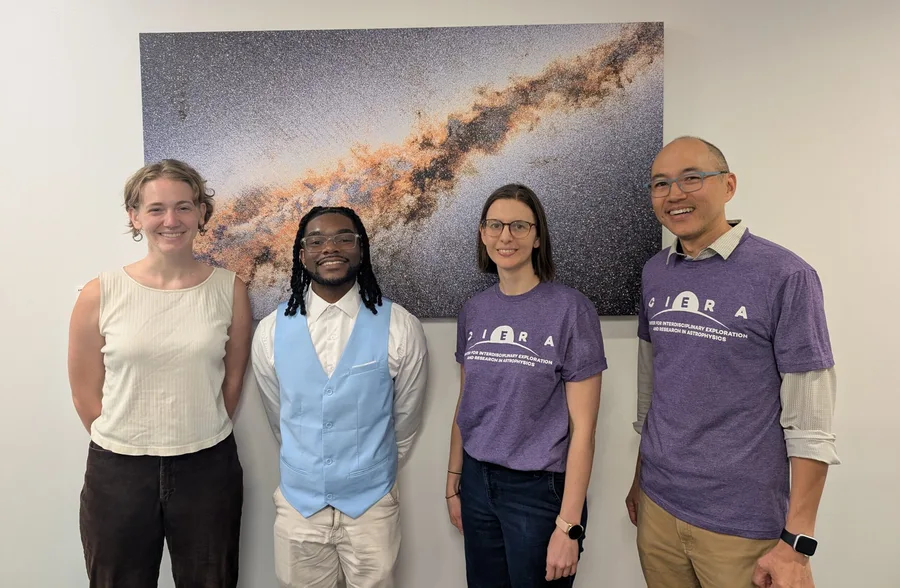
With students on summer break, four Chicago educators became the learners for the six-week Research Experience for Teachers (RET) program at the Center for Interdisciplinary Exploration and Research in Astrophysics (CIERA). The program, funded in part by the National Science Foundation (NSF), pairs local STEM teachers with CIERA mentors to conduct original astrophysics research and
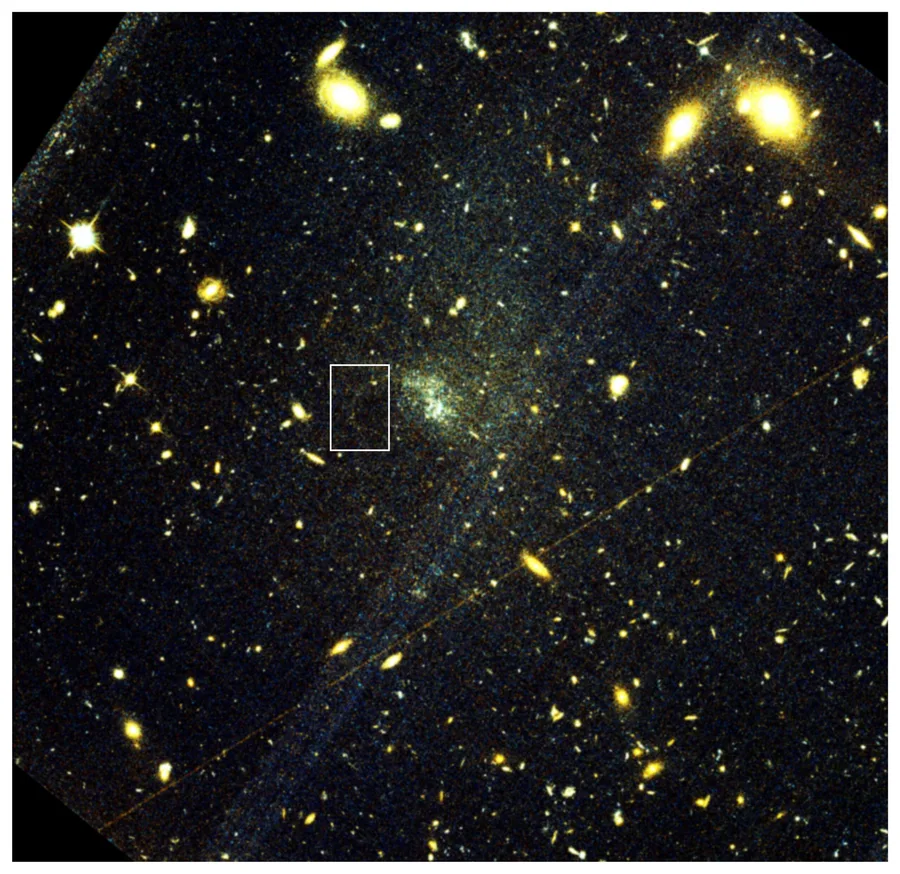
Update (Aug 14, 2026): This research was recently featured by CNN. For billions of years, an ancient star cluster has been slowly unraveling, leaving behind a delicate ribbon of stars. And now it’s finally giving up its secrets. Discovered by an international team of scientists, including a Northwestern University astrophysicist, this faint trail of stars
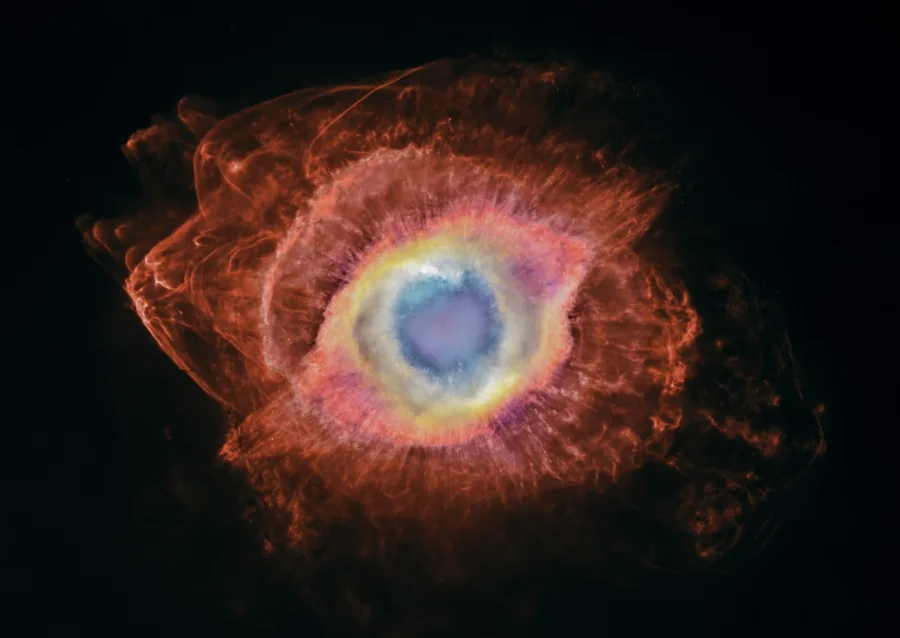
An international team of scientists, including Northwestern University astrophysicists, has captured an unprecedented view of a dying star’s remains in the act of being recycled. A striking new image of the Helix Nebula reveals a star’s fragments plowing through surrounding gas. By studying the image, astronomers traced the star’s debris as it is stripped, broken
Every year, users and developers of an open-source library of coding tools and algorithms — known as Scientific Python — gather for a conference to showcase projects made with the programming toolkit and to learn about its new developments. At the 2026 SciPy conference, hosted July 13-19 in the Twin Cities by the University of
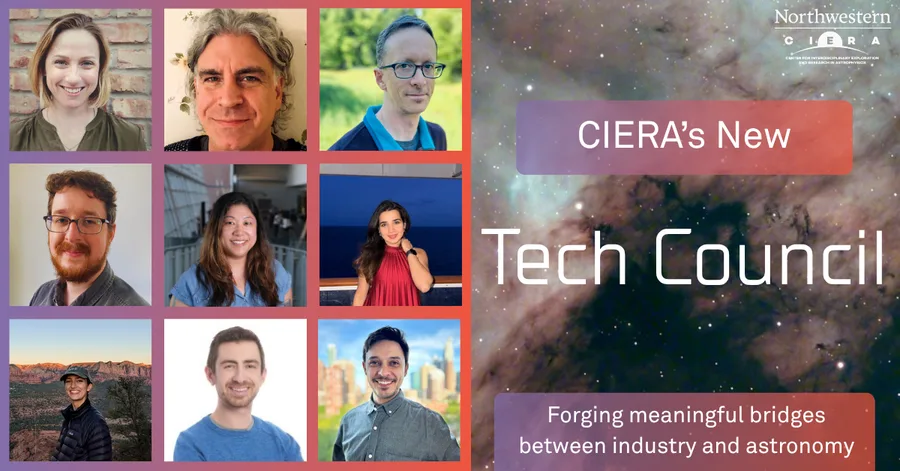
  The Center for Interdisciplinary Research and Exploration in Astrophysics (CIERA) Tech Council had its inaugural meeting April 13. The new 9-member group will build bridges between astronomy and industry through collaboration, mentorship, and events. The members are industry professionals, many with a background in astrophysics, currently working in organizations ranging from Google, North…
Center for Interdisciplinary Exploration and Research in Astrophysics (CIERA) graduate students Alice Cai, Charles Gibson, Josh Harry, and Andy Marszewski are four of 28 total recipients to earn a $10,000 fellowship award from the Illinois Space Grant Consortium (ISGC) to support their research in the 2026-2027 academic year. Funded by NASA’s National Space Grant College
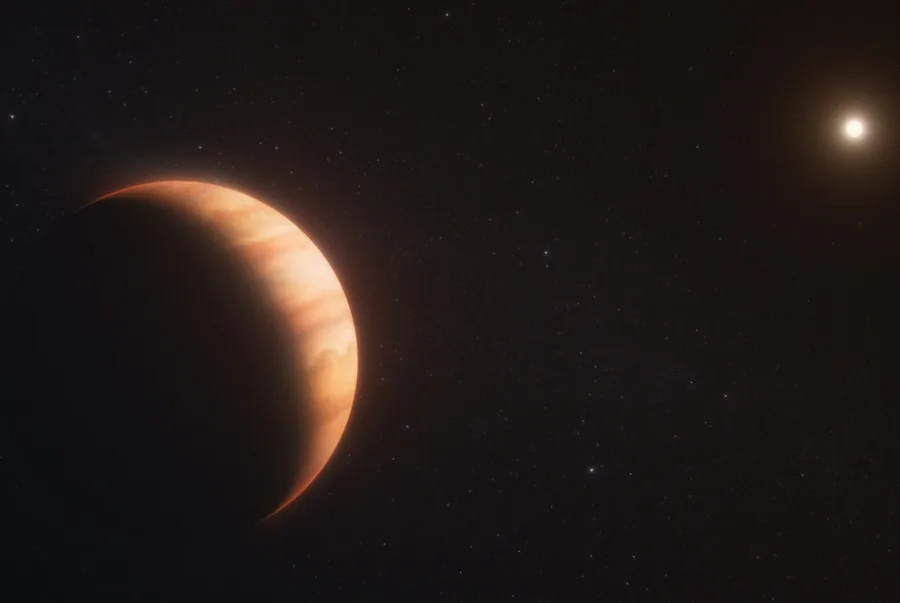
  When astronomers discovered a giant planet orbiting a dead star in 2020, they wondered how it survived its star’s violent demise. Now, observations from NASA’s James Webb Space Telescope (JWST) may finally explain the planet’s unlikely escape from destruction. In a new study, an international team of scientists — including a Northwestern University astrophysicist
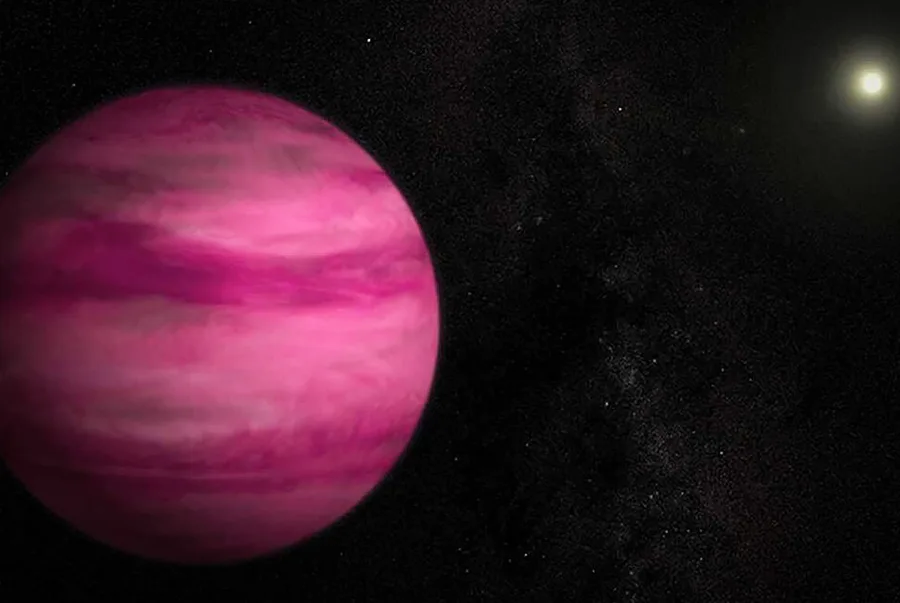
James Webb Space Telescope finds salt clouds surround one of the coldest objects ever studied Northwestern University-led astronomers have discovered salty skies surrounding the universe’s famous “Pink Planet.” For more than a decade, the ancient, rosy hazed world kept astronomers guessing. One of the coldest known planetary-mass companions ever directly imaged, the elusive object is
Former member of the Center for Interdisciplinary Exploration and Research in Astrophysics (CIERA), Francesca Valsecchi, Ph.D., as well as CIERA Tech Council Member, Angus Forbes, Ph.D., recently visited CIERA for the CIERA Connections speaker series to share how research experience facilitated their transition from academia to their respective data and computer science industry careers. Over
On June 22 The Graduate School (TGS) of Northwestern University announced CIERA Graduate Student Elena González Prieto as one of only six awarded the Presidential Fellowship for 2026. It is the most prestigious fellowship awarded to graduate students at Northwestern University. Awardees, according to the website, are those “who promise to combine outstanding intellectual or
The half-century-long search is finally over, opening a new window into the physics at play in the center of the galaxy   The hunt is over. After more than 50 years of searching, astrophysicists at Northwestern University have finally discovered evidence of a powerful wind blowing from the Milky Way’s central supermassive black hole, Sagittarius
CIERA’s fifth annual event blended a public lecture, hands-on activities, and telescope viewing at Dearborn Observatory By Matt Golosinski Photo credits: Bonnie Robinson Hundreds of community members, students, families, and astronomy faculty and enthusiasts gathered at Northwestern University on May 28 for CIERA’s fifth annual “Astronomy Night Out,” a free public program that brings the wonder …
The 2026 awardees of the National Science Foundation’s (NSF) Graduate Research Fellowship Program (GRFP) includes CIERA member Elizabeth Moné! The GRFP recognizes outstanding graduate students who are pursuing full-time, research-based masters and doctoral degrees in science, technology, engineering or math or STEM education. The award provides students with three years of support over a five-year
Nico Bers, a junior physics major at Northwestern University concentrating in astronomy, has been named a 2026 Goldwater Scholar—one of the nation’s highest honors for undergraduates pursuing research careers in the natural sciences, mathematics, and engineering. Awarded by the Barry Goldwater Scholarship and Excellence in Education Foundation, in partnership with UWorld and the Department of
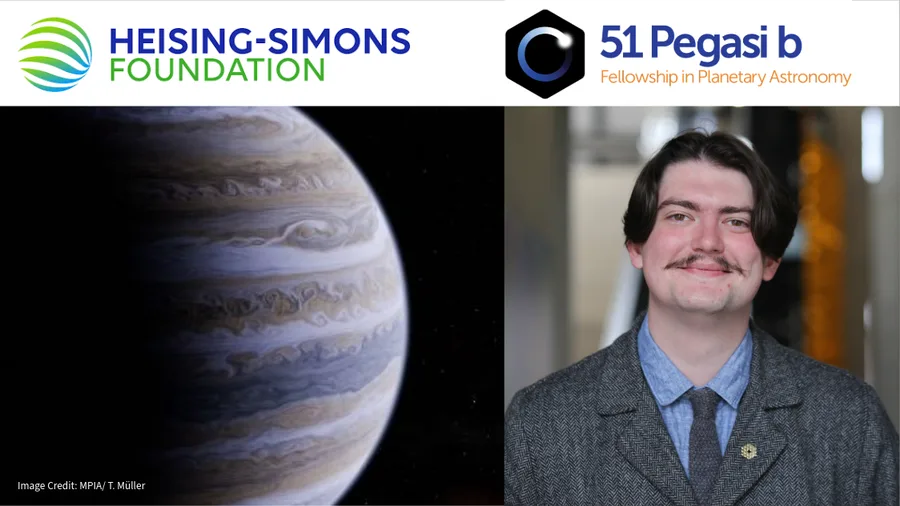
The Center for Interdisciplinary Exploration and Research in Astrophysics (CIERA) is proud to announce that William Balmer (they/them) has been named Northwestern University’s first Heising-Simons Foundation 51 Pegasi b Fellow and a member of the
The Center for Interdisciplinary Exploration and Research in Astrophysics (CIERA) is proud to announce that William Balmer (they/them) has been named No…
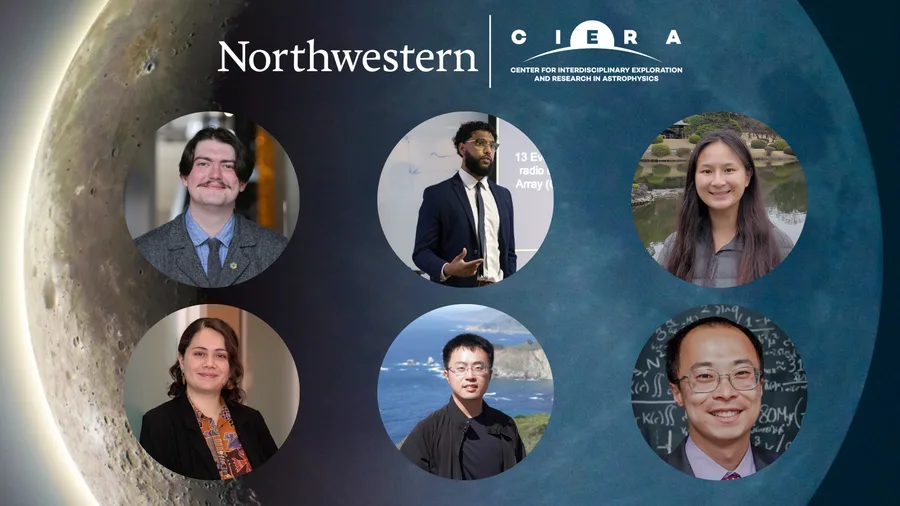
We are delighted to announce that six CIERA Postdoctoral Fellows will be joining the CIERA community in Fall 2026. Please join us in extending a warm welcome to these outstanding researchers!
William O. Balmer
William Balmer (Johns Hopkins University) captures images of exoplanets using powerful telescopes both on the ground and in space. They analyze these observations to better understand the o…
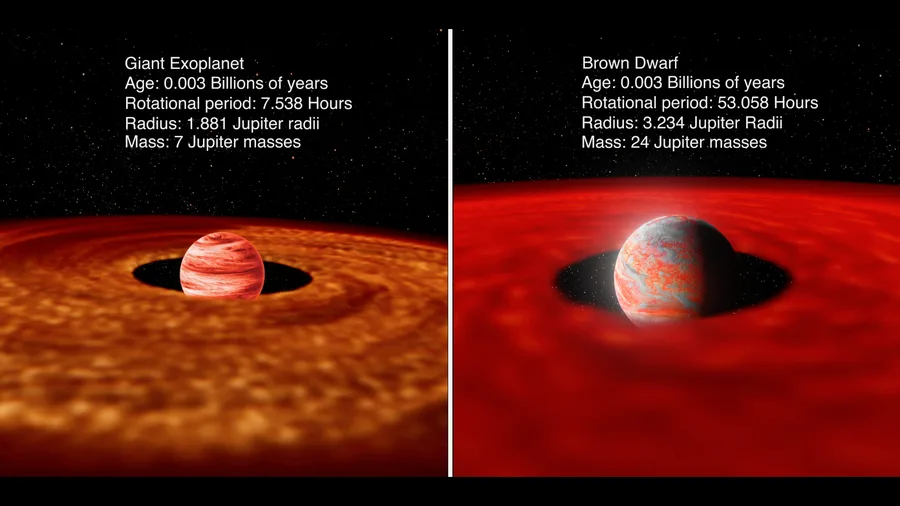
Clearest evidence yet that giant planets spin faster than their cosmic lookalikes
For decades, astronomers have struggled to differentiate giant planets from brown dwarfs, a class of objects more massive than planets but too small to ignite nuclear fusion like true stars.
Through a telescope, these cosmic lookalikes can have overlapping brightness, temperatures and even atmospheric fingerprints. …
EVANSTON, Ill. — An international team of scientists, including Northwestern University astrophysicists, has detected 128 new gravitational-wave candidates — more than doubling the size of the current catalog.
Within the new dataset, the more unusual signals include the heaviest black hole binary detected to date, a binary where both black holes have exceptionally high spins (rotating at nearly 4…


 research.io