It can be difficult to an appointment to see your GP. So when should you make the effort to see a GP for a prescription for influenza antivirals? And how effective are they?
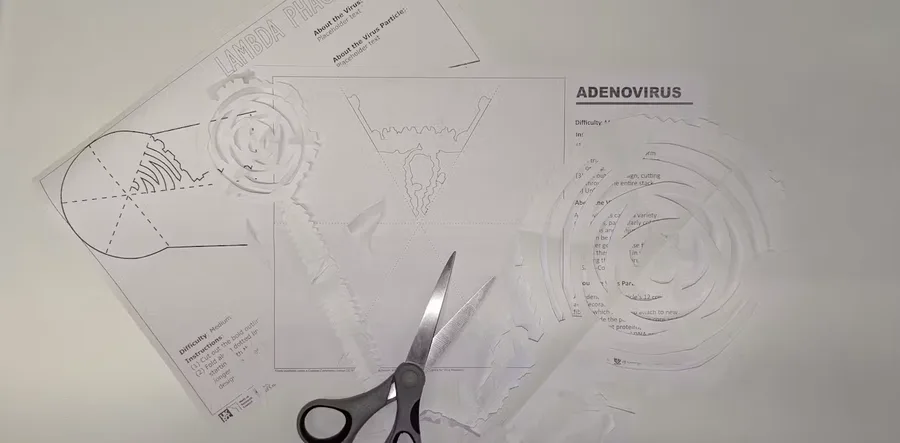
Viruses can get into cells in several ways. Figuring out how to stop them from entering in the first place is a key to developing better vaccines and stopping future pandemics.
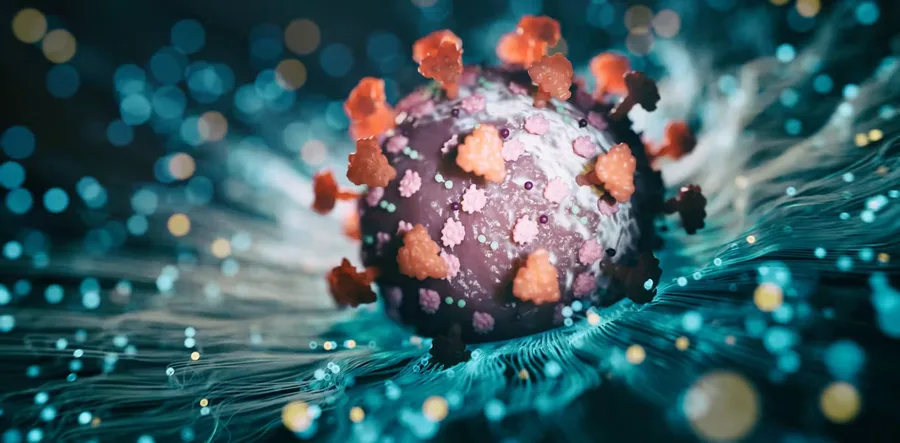
The JN.1 variant has become dominant in Australia and around the world, causing large waves of infections. Here’s what we know about it so far – and why it’s so important.
Enzo Palombo·...·Swinburne University of Technology
3d ago
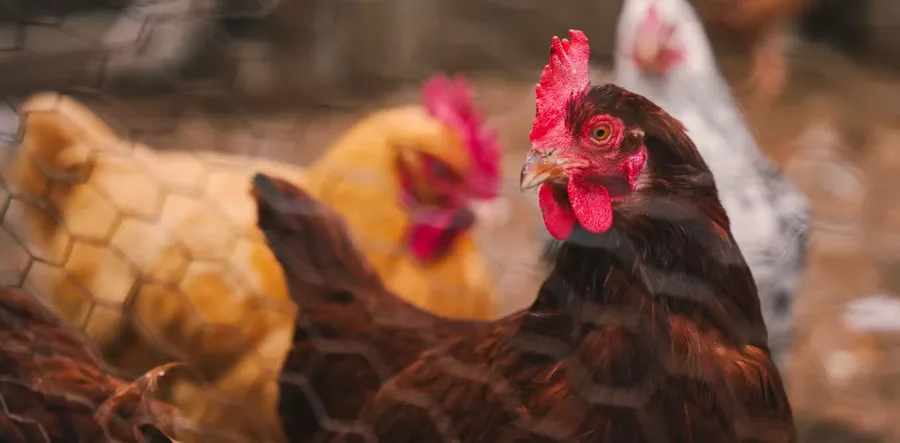
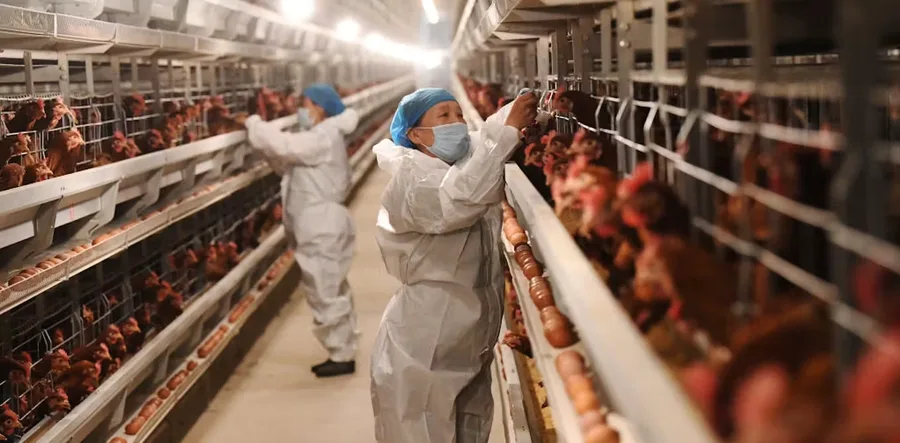
Can the virus transfer from infected farm animals to contaminate milk, meat or eggs? It depends on where you are and how well you cook your food. But for most of us, the chances are low.
From ice cores extracted from the Tibetan Plateau, scientists recovered the equivalent of 1,705 virus species. Reading their genomes tells the story of 41,000 years of climate change.
The virus that causes eastern equine encephalitis, or EEE, has evolved to infect mosquitoes. To be able to spread between people, however, it faces extra challenges.
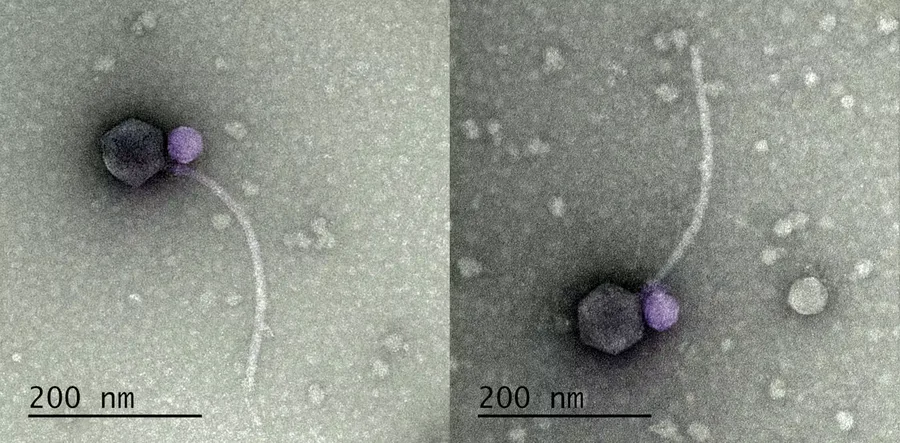
Researchers discovered a satellite virus latching onto the neck of another virus called MindFlayer. Studying the viral arms race between similar viruses could lead to new ways to fight infections.
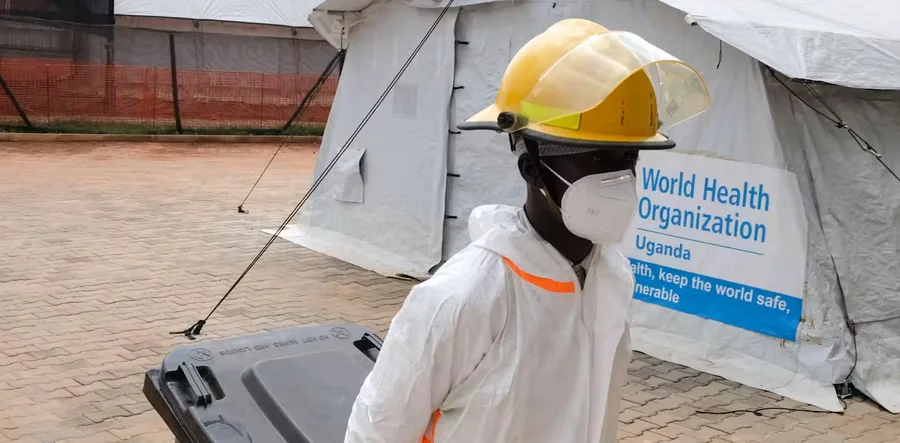
At the viral chatter stage of an outbreak, pathogens are just starting to infect people in sporadic bursts. It’s a sign that a pandemic may be on the horizon.
We tend to just think of viruses in terms of their damaging impacts on human health and lives. But viruses can also be used to benefit human health, agriculture and the environment.









 research.io