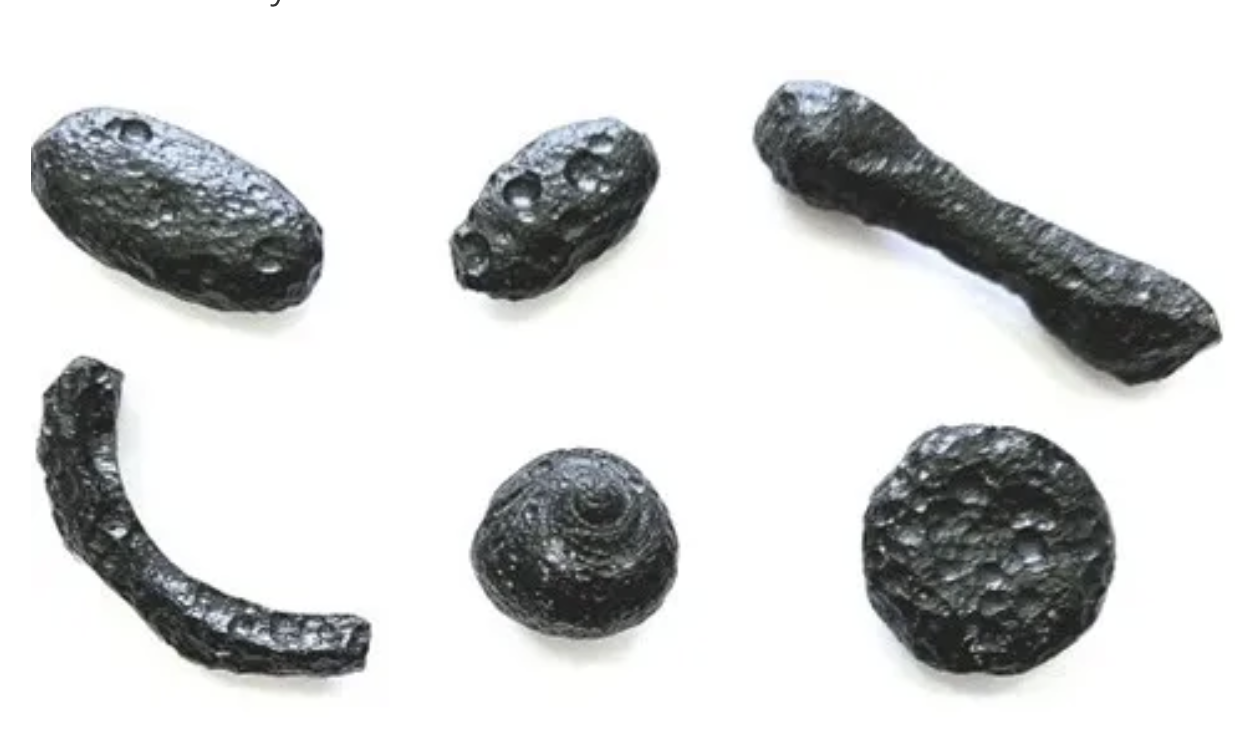
A field of tektites, tiny glass grains formed during meteorite impacts, has been found in Minas Gerais, Brazil. Read more about this discovery—and the mystery of the missing crater—on Space.com.
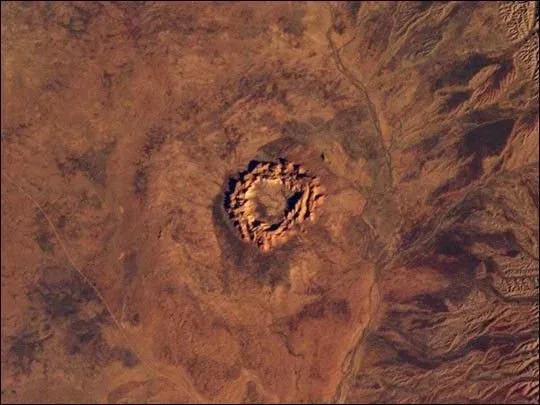
Did The Barringer Crater Impact Trigger Flooding In The Grand Canyon?
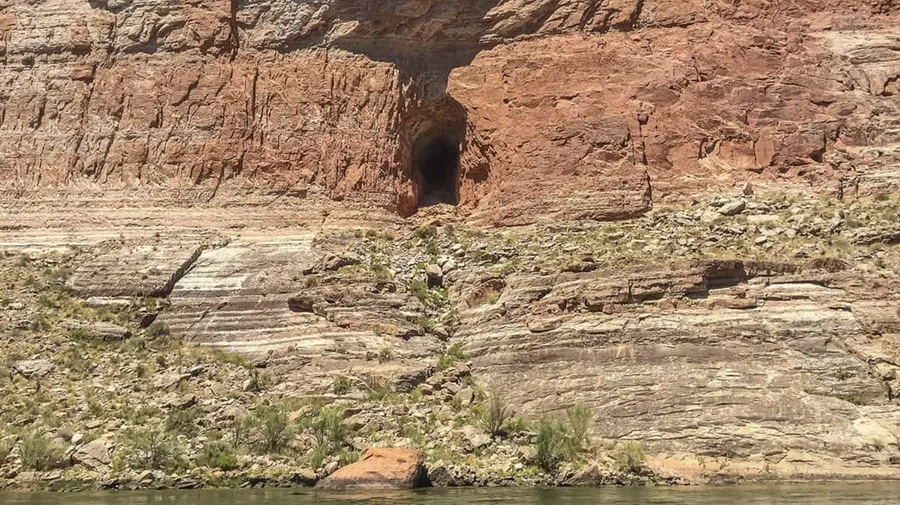
Ancient Driftwood found in Stanton’s Cave in Grand Canyon was dated to roughly 56,000 years ago…about the same era as the meteorite impact that created Barringer Crater! University of New Mexico’s Karl Karlstrom hypothesizes that flooding caused by the impact created an 80km lake in Grand Canyon.
First Stop on the Way to the Moon
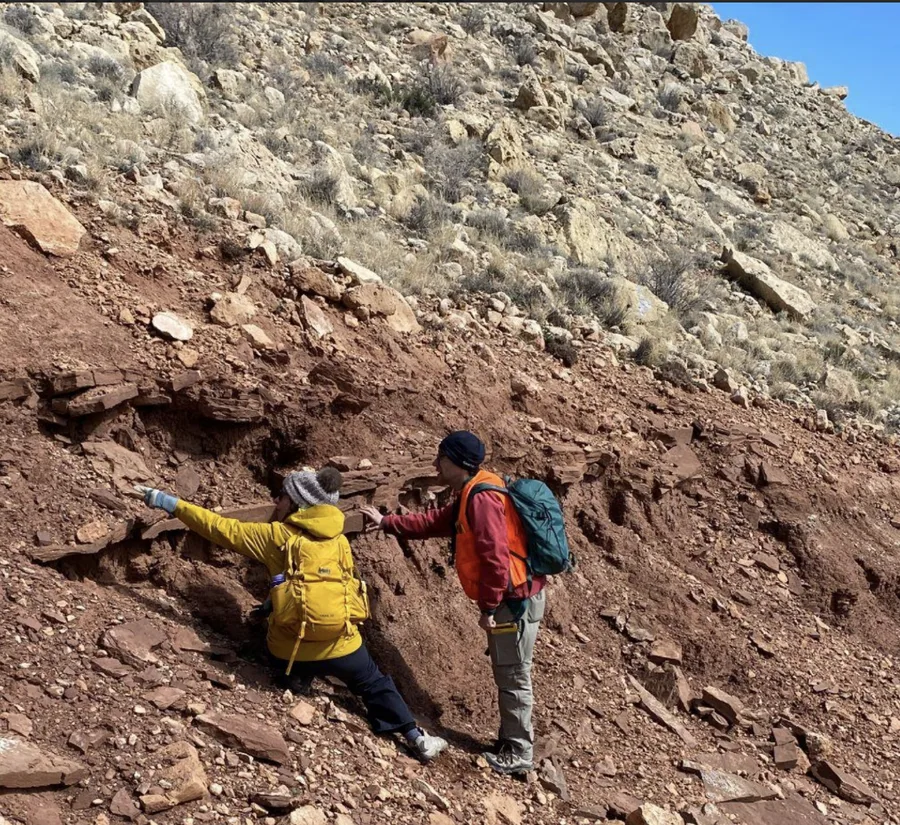
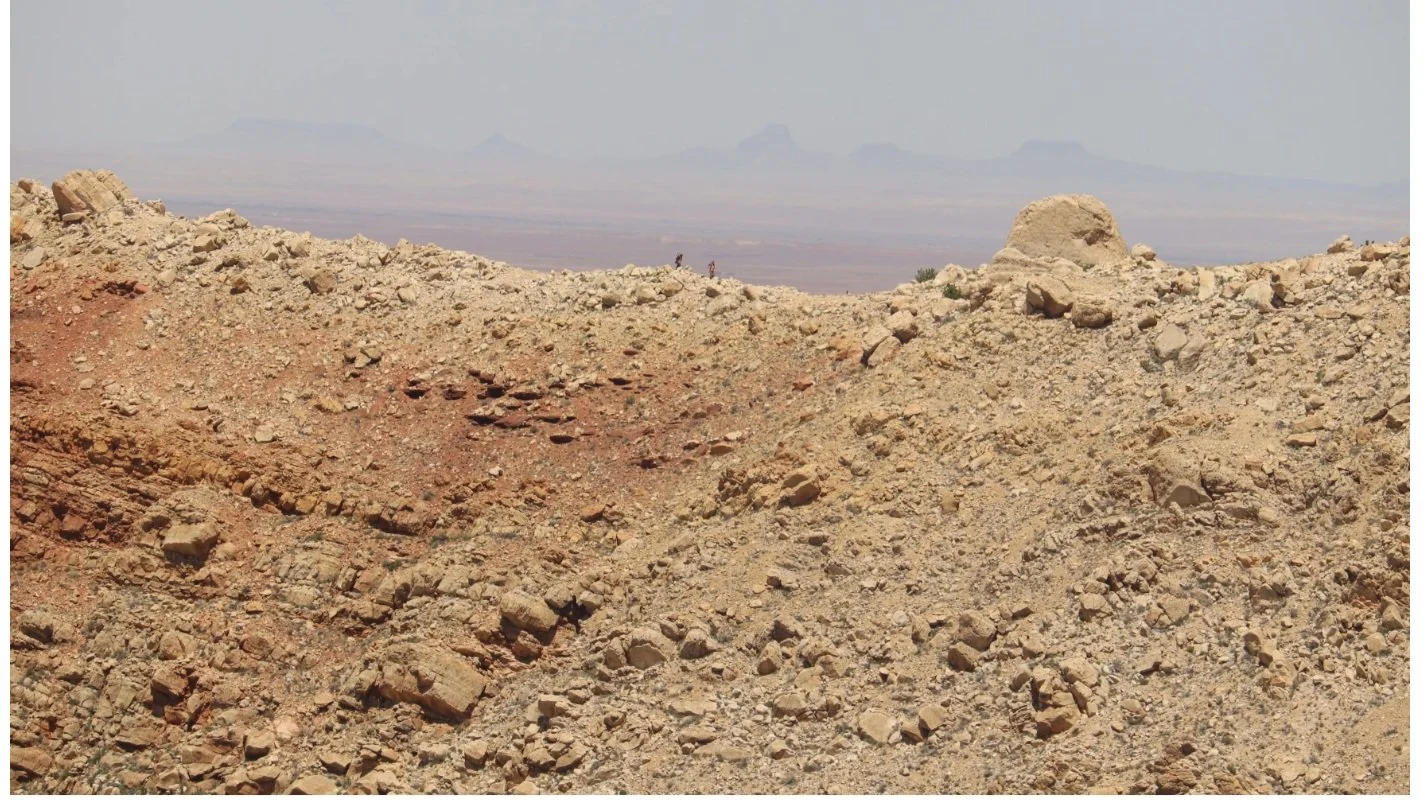
Two Canadian geologists, Sharini Kanni Suresh Babu and Ashka Thaker, visit the Barringer Meteorite Crater to better understand craters on the Lunar Surface, as reported by Arizona Public Radio (https://www.knau.org/knau-and-arizona-news/2025-06-16/arizonas-meteor-crater-is-first-stop-on-the-way-to-the-moon).
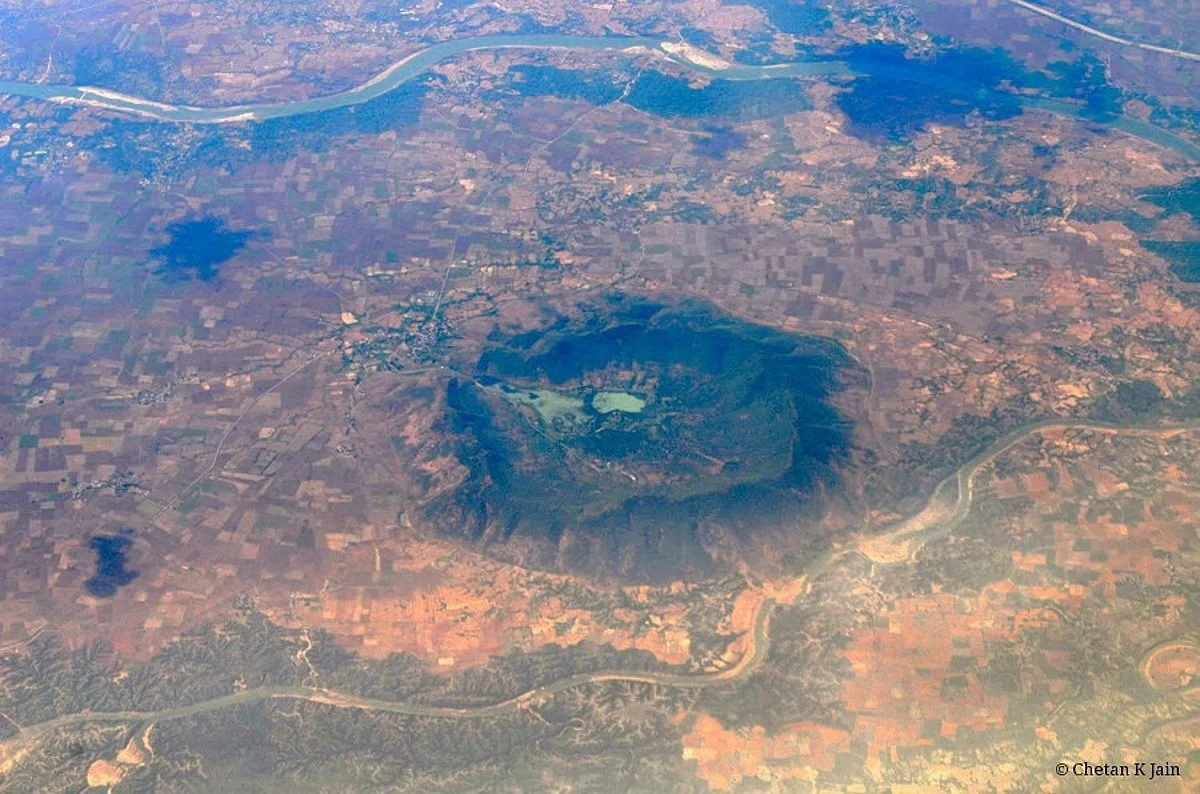
Meet Ramgarh Crater in Rajasthan, India
One of only three confirmed impact craters in India, Ramgarh boasts a lush interior that stands in contrast to our own Barringer Crater. Learn more at https://www.outlooktraveller.com/experiences/heritage/ramgarh-crater-in-rajasthan-all-about-the-rare-cosmic-and-cultural-gem.
NASA Visits The Barringer Meteorite Crater
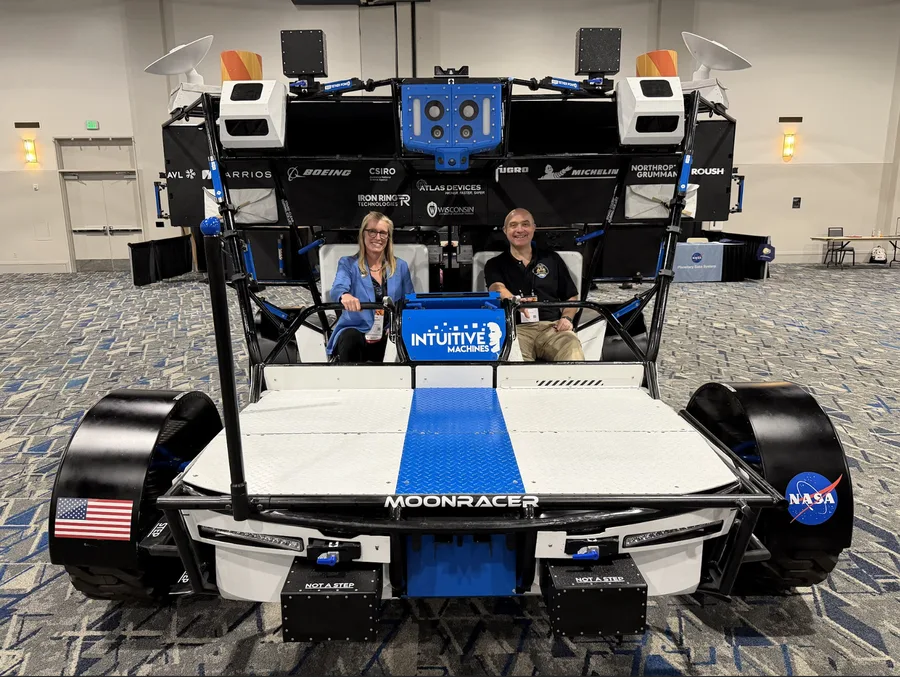
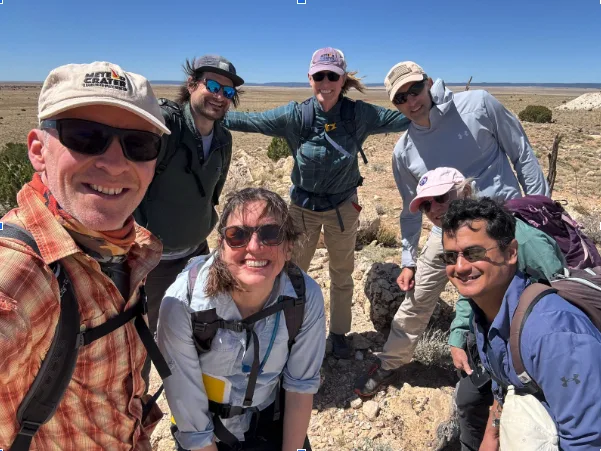
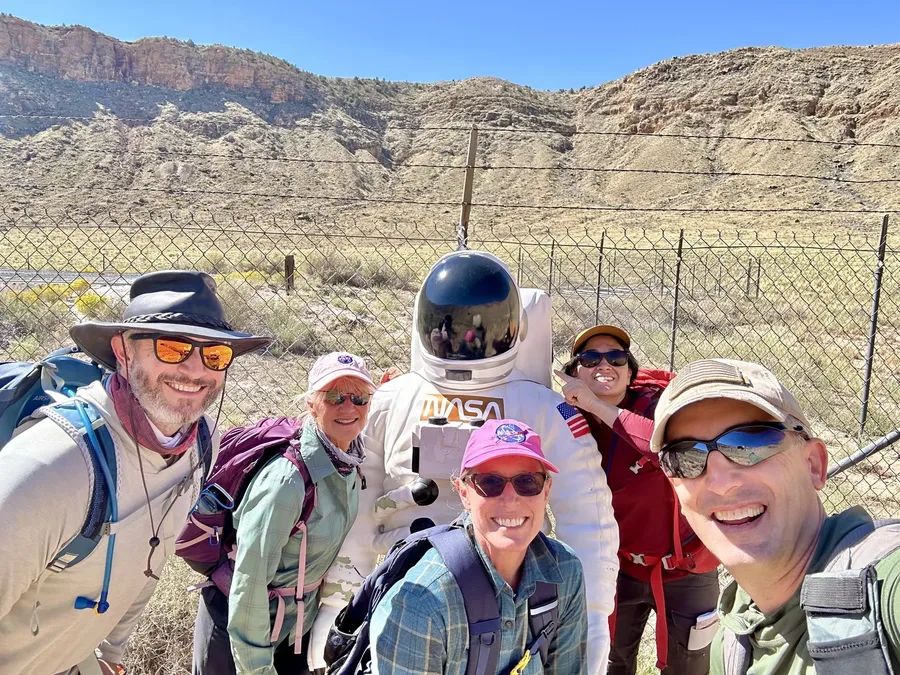
Last month members of the Artemis Internal Science Team (Trevor Graff, Artemis Internal Science Team, Cindy Evans, Artemis Internal Science Team, Jose Hurtado, Artemis III Geology team, professor at University of Texas, El Paso, Kelsey Young, Artemis Internal Science Team, Gordon Osinski, Artemis III Geology Team, professor at University of Western Ontar…
1-in-77 Chance for Asteroid Impact in 2032
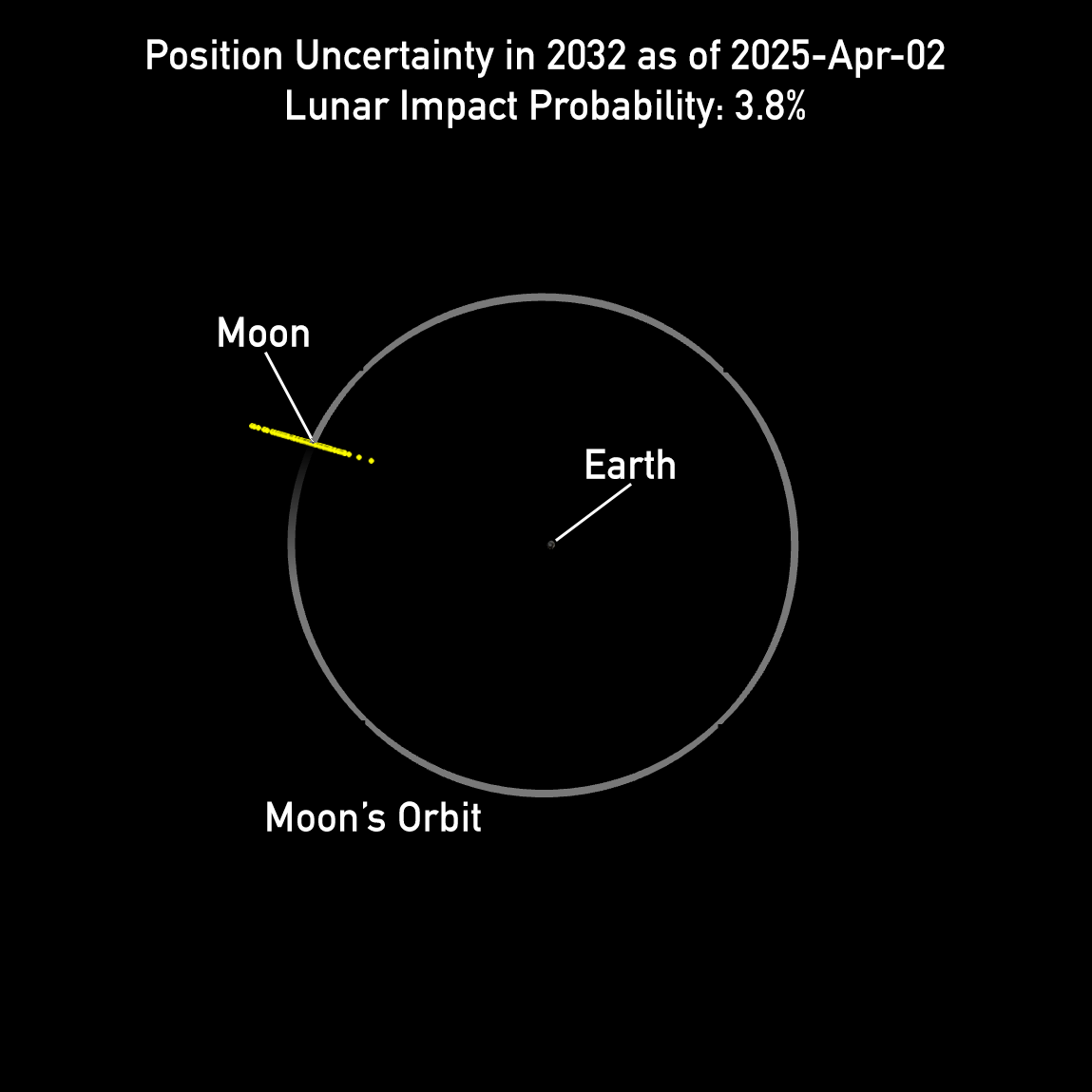
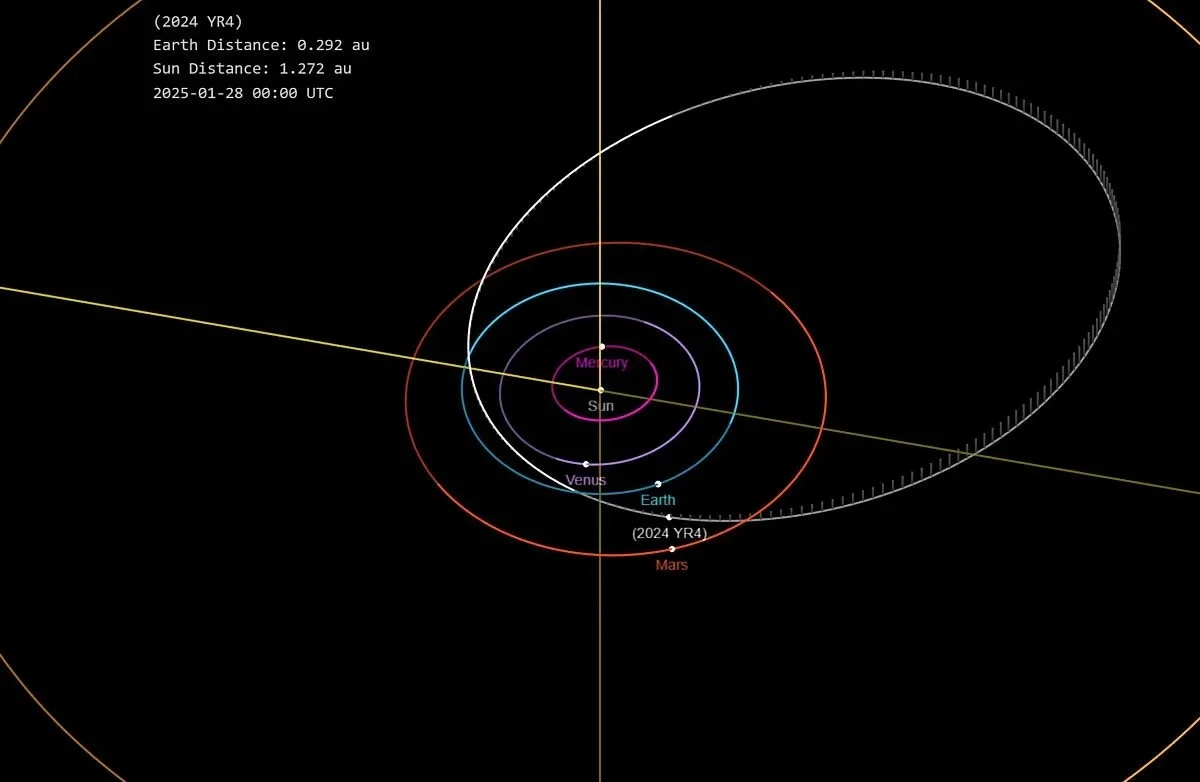
From the B612 Foundation’s Asteroid Institute (an organization supported by the Barringer Crater Company): Asteroid 2024 YR4 has a 1/77 chance of impacting the Earth on December 22nd, 2032. B612’s observations match data from NASA and the European Space Agency. There is no need to start prepping; further observations to rule out impact trajectories are a…
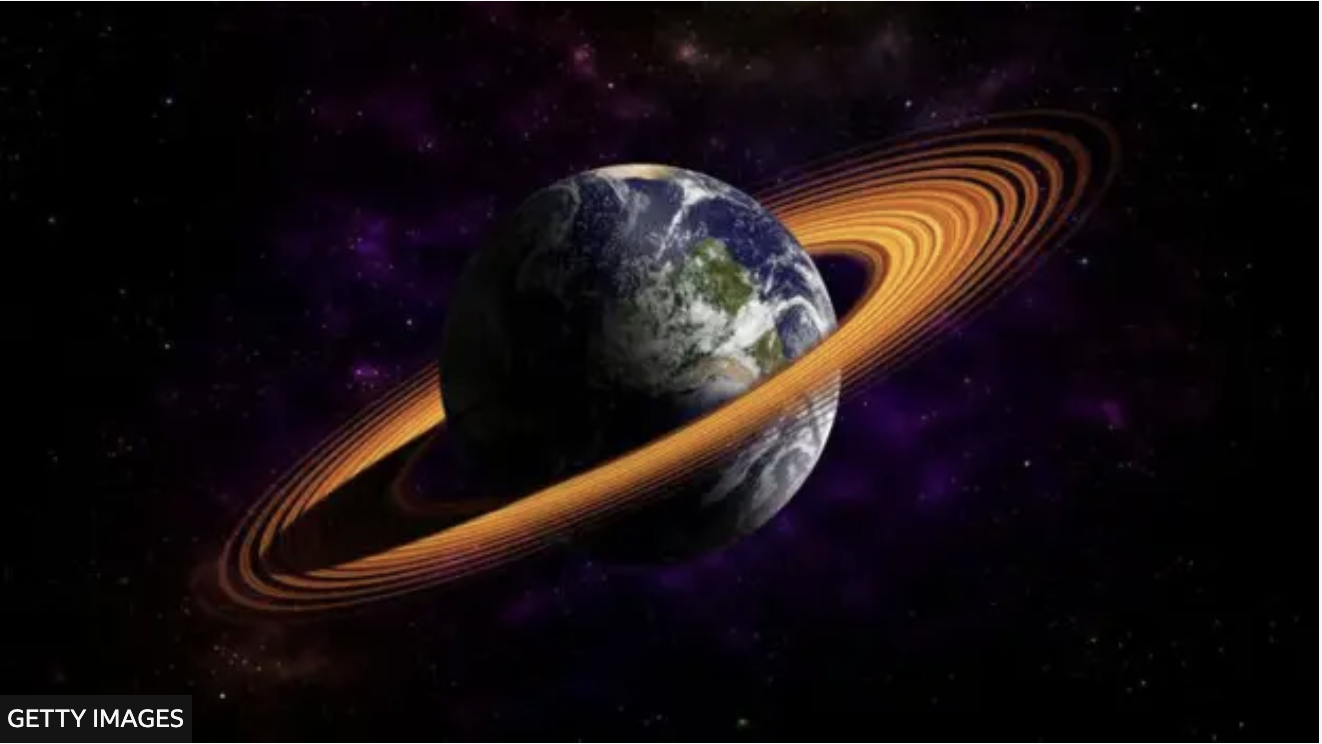
Scientists have used evidence from—what else?—asteroid impact craters to theorize that the Earth once had a ring like Saturn. Read the paper at Science Direct!
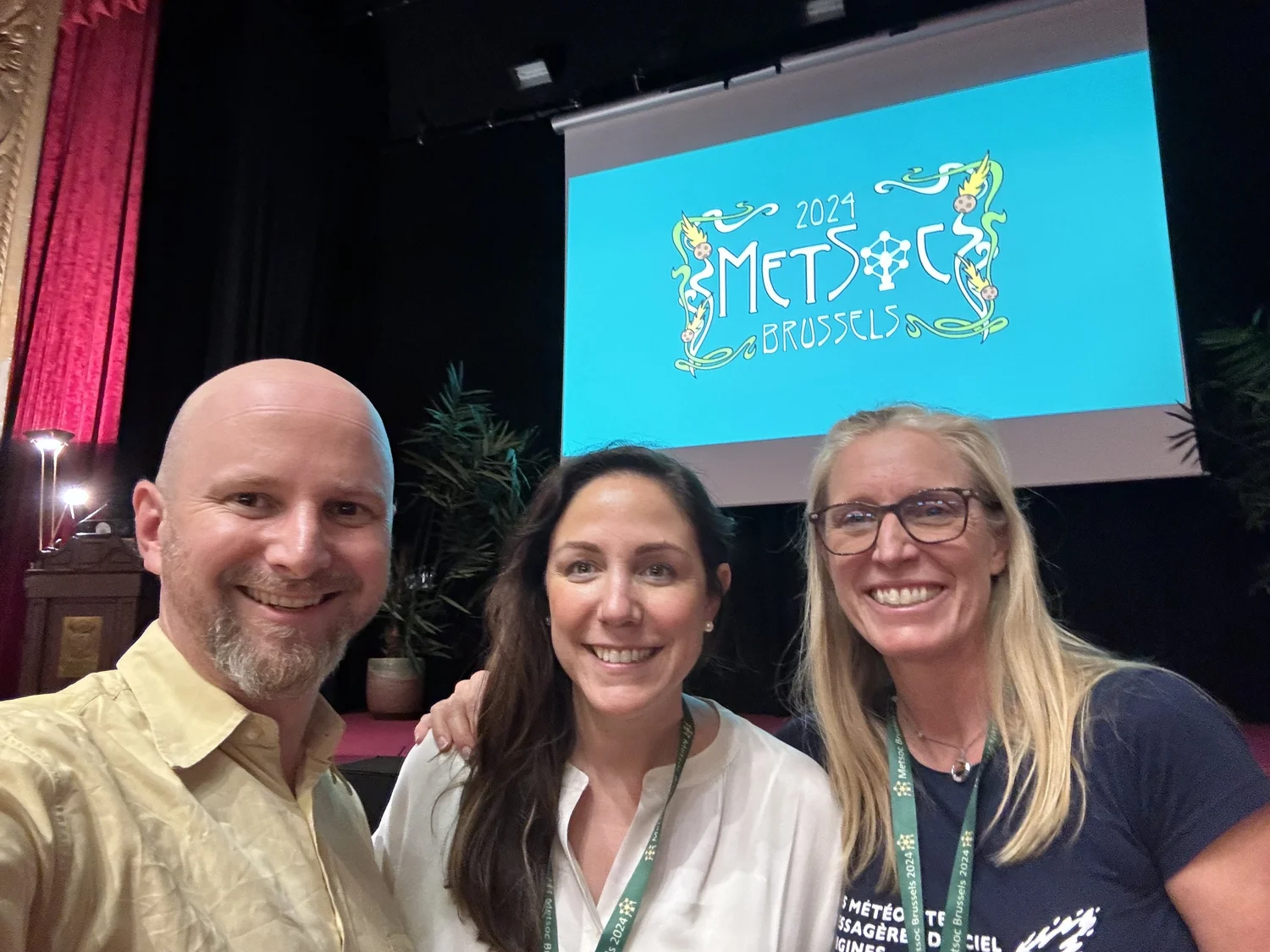
Barringer Crater Company Leadership @ MetSoc 2024
Barringer Crater Company CEO Jennie Wadsworth, President Jenny Barringer, and VP of Communications Greg Schicker-Taubman were thrilled to support the 2024 Meteoritical Society Conference in Brussels, Belgium this summer. The Barringer Crater Company is proud to support Barringer Medalist Dr. John Spray and the Public Barringer Lecture, delivered b…
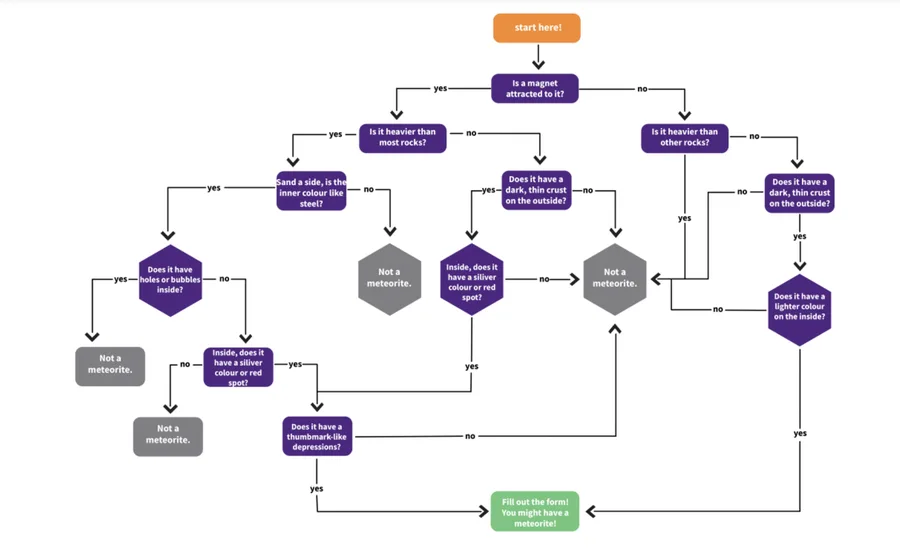
Is It a Meteorite? How We Figure It Out
How do we figure out if that rock we found is a meteorite? Thanks to this very helpful Impact Earth Chart from University of Western Ontario
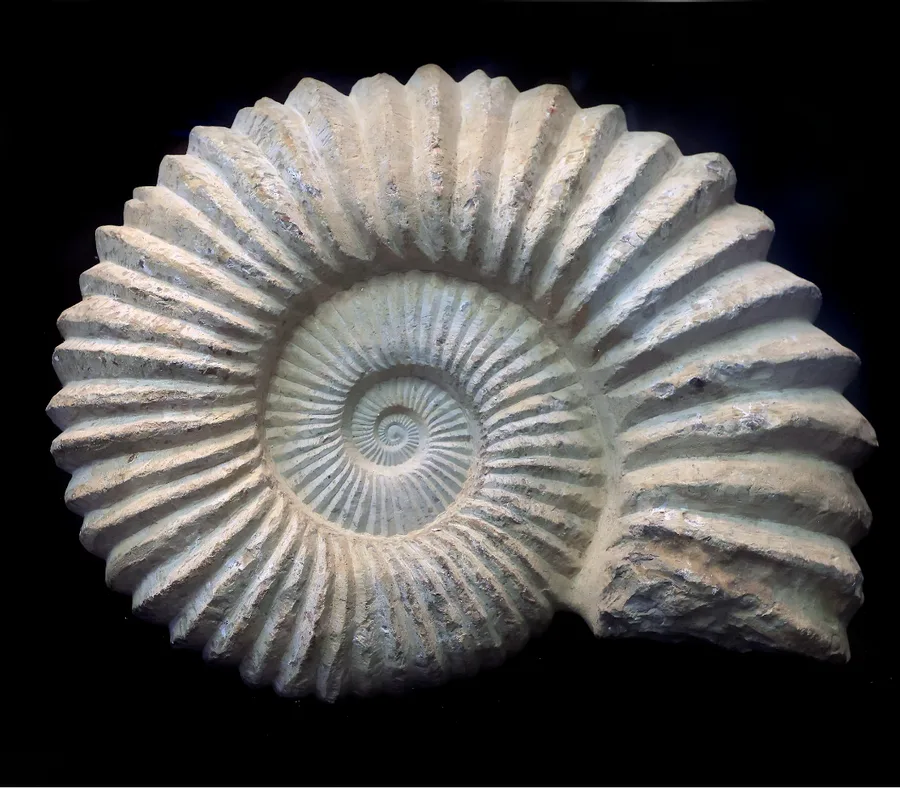
Once Prolific, Ammonites Ended With Chicxulub Impact!
Not only did Earth loose all its non-avian dinosaurs, apparently the Ammonites were fated by the Chicxulub Impact Cretacious extinction event! Ammonites are a common and popular collectable fossil, found often in gift shops and jewelry.
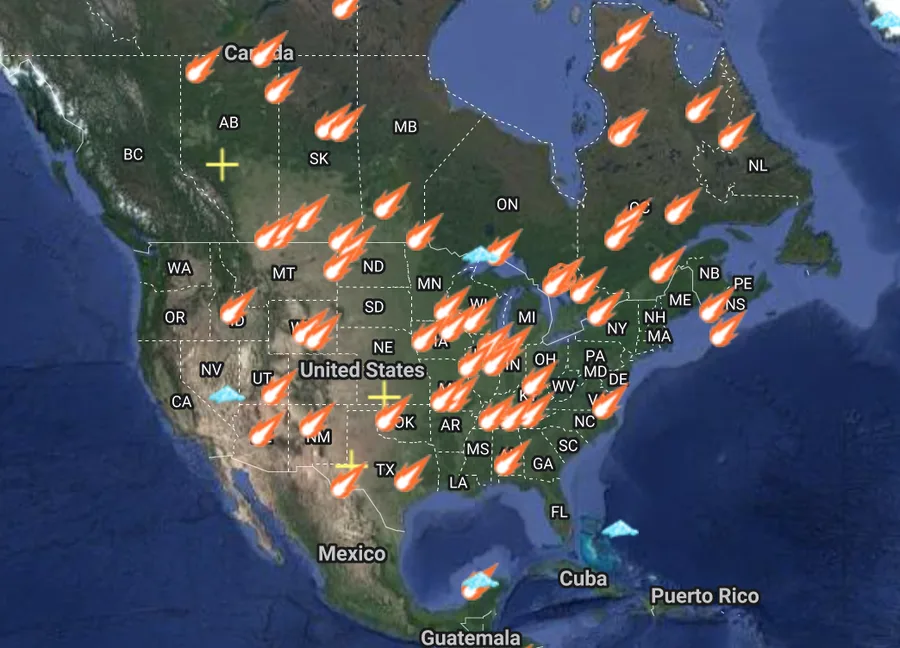
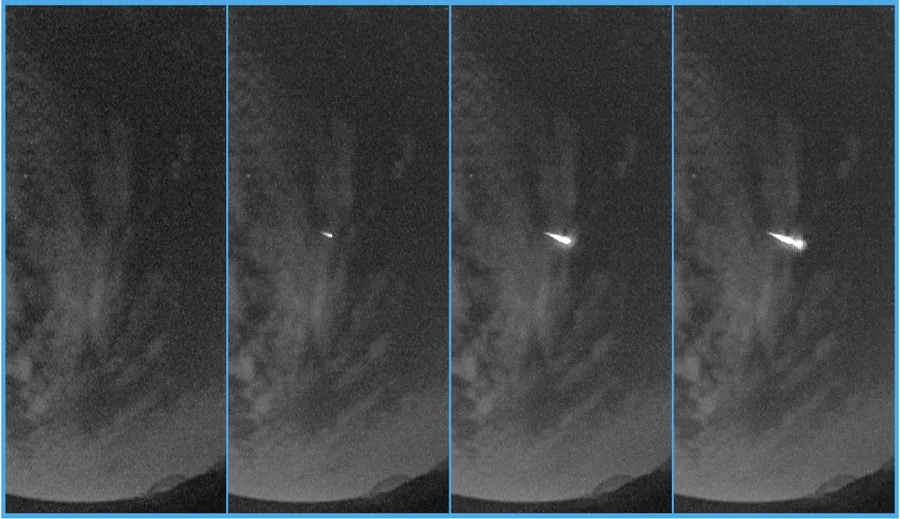
This year’s Lyrid meteor shower peaked on Monday night, April 22nd, lighting the sky with shooting stars. Learn more about the Lyrids and other annual meteor showers from NASA.gov!
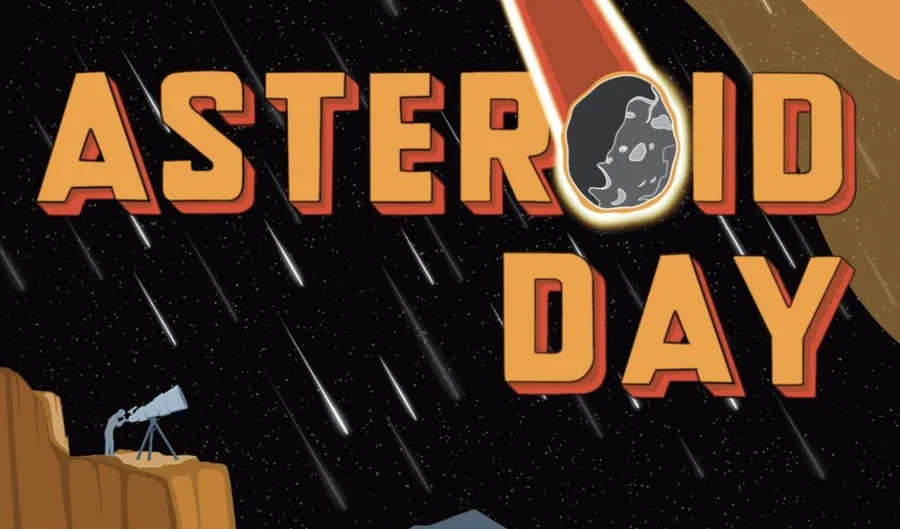
Celebrate Asteroid Day at Meteor Crater!
Meteor Crater and Lowell Observatory co-host and annual celebration of Asteroid Day, June 30th! Start at Meteor Crater for a day of events and family activities, and head to Lowell for a night of programs and star gazing!
“This a one-day public event will center around asteroids and their impact on Earth and include scientific programs, tours of both facil…
Barringer Crater Co. Welcomes New Science Advisor
Dr. Gordon Osinski (Oz), a professor of Planetary Geology at the University of Western Ontario, Canada, is one of the top impact crater scientists in the world. His research focuses on how meteorite impacts have shaped the surface of the Earth and other planetary bodies and how they may have played an important role in the origin and evolution of …



 research.io