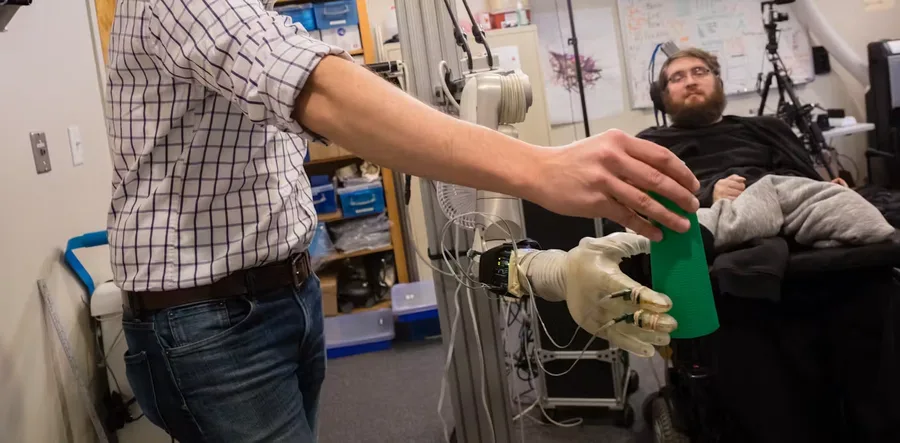
When designing neuroprosthetic devices for users to control with their thoughts, engineers must take into account the sensory information brains collect from the environment and how it gets processed.
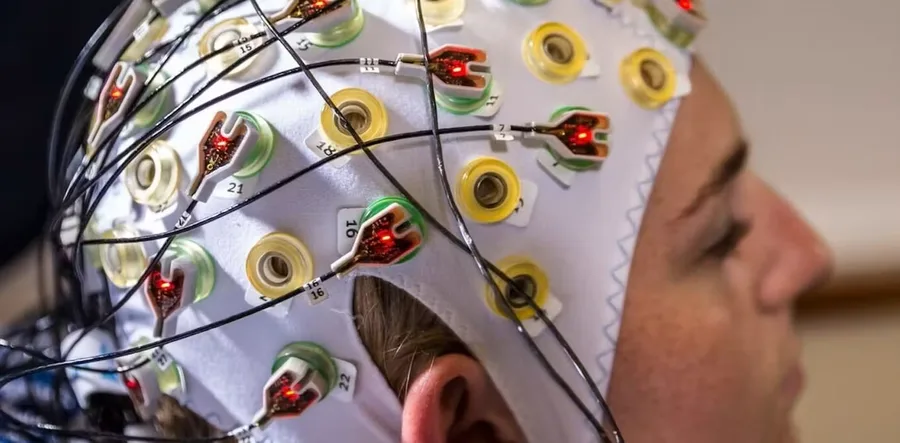
BMIs like the ones Neuralink is working on are already used in laboratories around the world as assistive technologies. But melding your mind with an AI is probably not happening anytime soon.
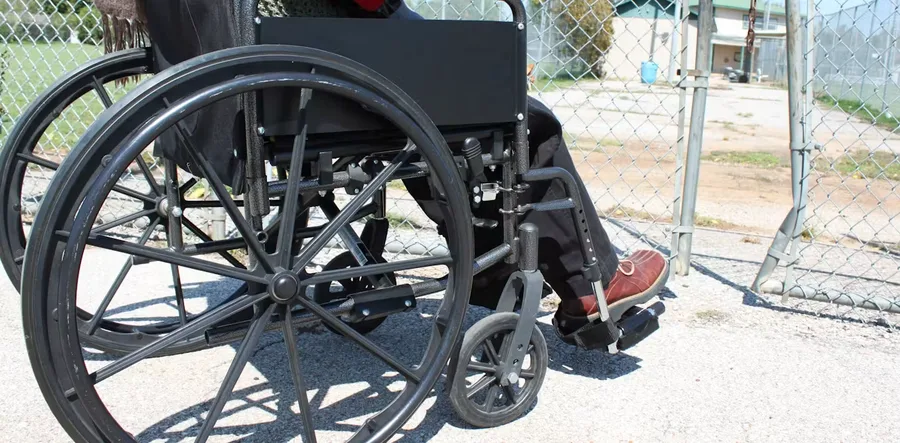
Brain-computer interface devices have the potential to boost users’ autonomy, especially for people who experience paralysis. But that comes with risks, as well.
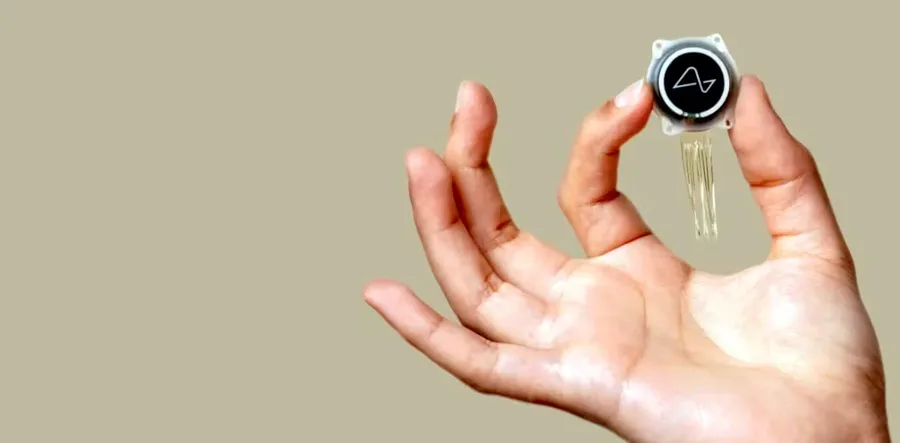
Brain-computer interfacing is a hot topic in the tech world, with Elon Musk’s announcement of his new Neuralink startup. Here, researchers separate what’s science from what’s currently still fiction.
People – individually and in groups – were not as good at facial recognition as an algorithm. But five people plus the algorithm, working together, were even better.
Brain-computer interfaces may present threats to cognitive liberty. But with or without them, we often overestimate how independent our own minds are, an ethicist writes.
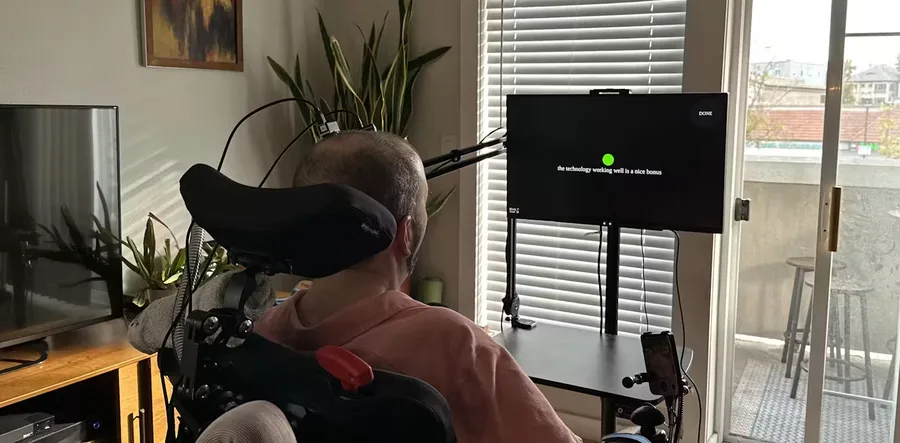
Listening in on neural activity is a promising way of restoring the ability to communicate for people whose bodies no longer can. Artificial neural networks are the key middleman in the process.
An expert explain the various concerns that were holding up FDA approval – from potential harmful side effects, to protecting the privacy of users’ brain-wave data.
AI-powered technologies are increasingly being integrated into assistive technologies like hearing aids and prosthetics. This is changing how the people who use them experience urban space.
BCI devices that read minds and act on intentions can change lives for the better. But they could also be put to nefarious use in the not-too-distant future. Now’s the time to think about risks.






 research.io