
textiles

E-textiles, particularly knitted resistive strain sensors, have been proposed for joint motion measurements. Although combining non-elastic conductive yarns with elastic non-conductive yarns improves sensor performance, the effects of knitting patterns and strategies for integrating sensors into garments remain underexplored. This paper addresses both by: (1) comparing the characteristics of plai…

Shrinkage means two different things in construction. In the front office, profits shrink as markets contract and project pipelines thin out. In the laundry room, a cotton shirt shrinks when heat and moisture act on its fibers. The business kind follows market cycles; the fabric kind follows physics, and the fabric version is the one […] The post How Cotton Shrinks: Fabric Care and Material Behav…

Linen is a natural textile made from plant fibers, woven from flax, a flowering annual that grows 3–4 feet tall in temperate climates. The same cloth found in clothing, curtains, tablecloths, pillows, rugs, and rope has a slightly rough, slightly shiny surface and a reputation for breathability, durability, and versatility, along with a tendency to […] The post Fabric in Construction: From Flax F…

Anne J. Manning·Harvard John A. Paulson School of Engineering and Applied Sciences
22d ago

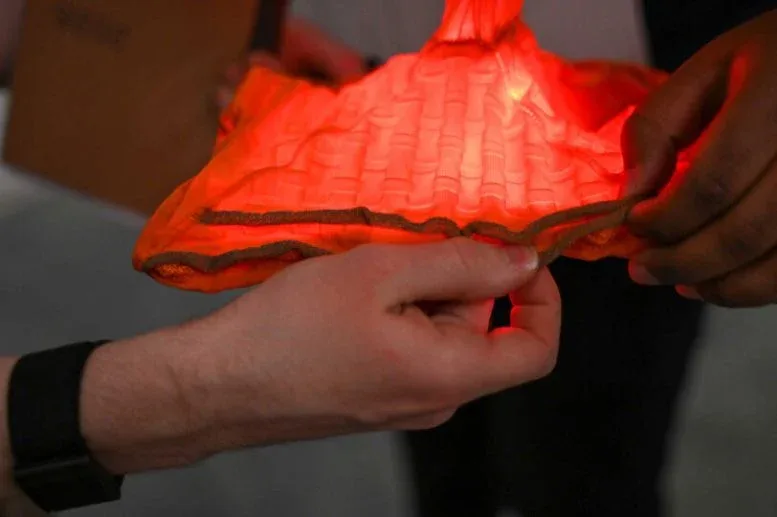
Researchers developed knitted textiles that can function as switches and count steps. A piece of knitted fabric can now do more than stretch and fold. By carefully controlling its yarns and stitch patterns, researchers have made textiles that snap between stable shapes, operate electrical switches, and even track a person’s steps. Researchers at the Harvard [...]

Threads That Connected the World Long before modern globalization, a vast network of trade routes connected distant civilizations across Europe, Asia, and the Middle East. Known as the Silk Road, this system carried not only goods—but ideas, cultures, and identities. Among the most influential commodities traded along these routes were textiles. Far more than simple clothing, fabrics became power…

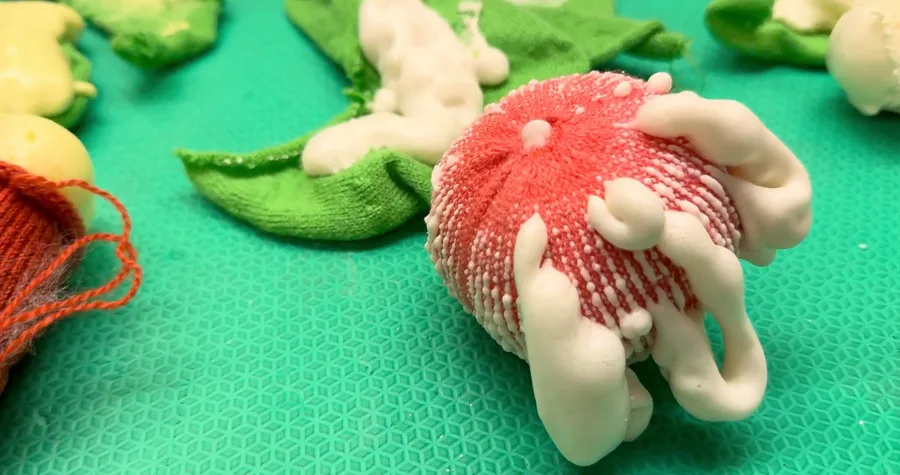
On Friday, March 7, the Textiles Lab at the Carnegie Mellon Robotics Institute, led by Associate Professor Jim McCann hosted a “Hard Textiles” lab jam. The lab jams show the unique ways textiles and technology interact, showcase the possible directions of future research and give the campus community an opportunity to see inside the lab [...] The post CMU Researchers Blend Materials at “Hard Text…

Fashion Technology & Textile Engineering - Juniper Publishers Abstract Denim is cotton and twill weave fabric that uses colored warp and white weft yarn and used for jeans, work clothes and casual wear considered as one of the most traditional and fashionable fabrics. In this study, stretchable denim fabrics for active sportswear was produced on Toyota® air jet loom with five different twill d…

Fashion Technology & Textile Engineering - Juniper Publishers Abstract Denim is cotton and twill weave fabric that uses colored warp and white weft yarn and used for jeans, work clothes and casual wear considered as one of the most traditional and fashionable fabrics. In this study, stretchable denim fabrics for active sportswear was produced on Toyota® air jet loom with five different twill d…