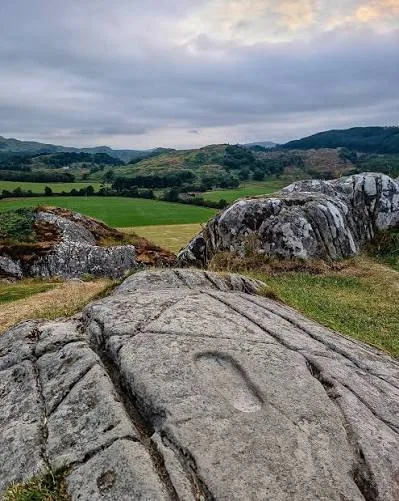
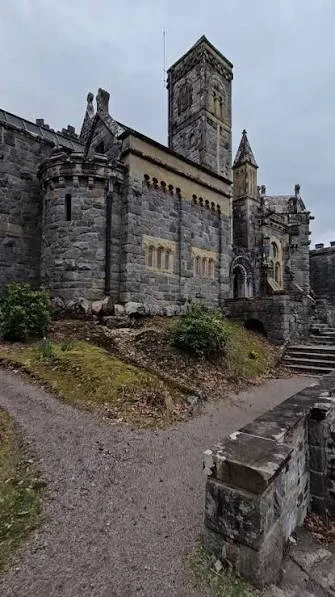
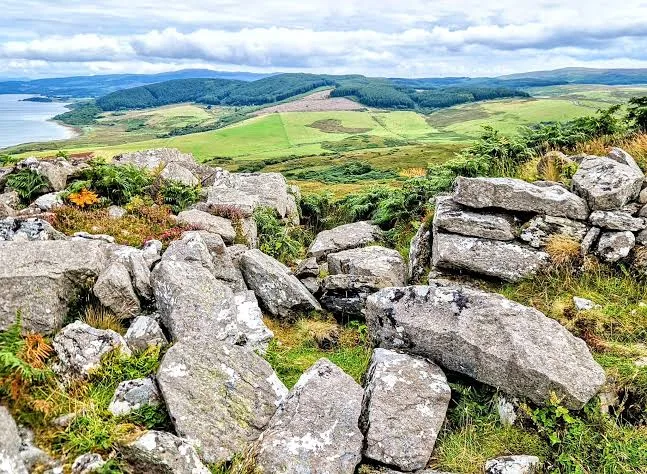
Dunadd Fort is one of the most important archaeological sites associated with the emergence of the early medieval Gaelic kingdom of Dál Riata in western Scotland. Rising dramatically above the flat expanse of Moine Mhòr, or the “Great Moss,” in Kilmartin Glen, Argyll, Dunadd was more than a defensive hillfort. It appears to have functioned as a major political and ceremonial center between approx…
Kilmartin Glen in Argyll contains one of the most remarkable concentrations of prehistoric monuments in Scotland. Spread across a relatively compact landscape are chambered cairns, stone circles, standing stones, burial monuments, carved rocks, and later archaeological remains. The importance of Kilmartin Glen does not come from a single spectacular monument. Instead, its significance lies in the…
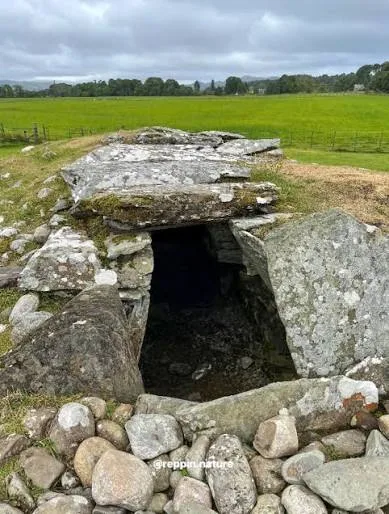
Nether Largie forms one of the most important components of the prehistoric ceremonial landscape of Kilmartin Glen. Rather than representing a single monument, the Nether Largie complex consists of several burial cairns positioned along the valley floor. Together they demonstrate how prehistoric communities repeatedly returned to the same landscape for funerary and ritual purposes. The Linear Cem…
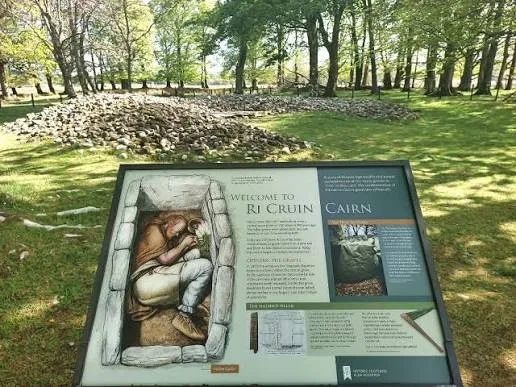
Ri Cruin Cairn occupies the southern end of Kilmartin Glen's remarkable prehistoric linear cemetery. The monument forms part of a landscape in which burial cairns, standing stones, stone circles, and carved rocks were arranged in close proximity. Its Bronze Age construction provides evidence for changing burial customs and social practices in prehistoric Argyll. A Monument Within a Larger Landsca…
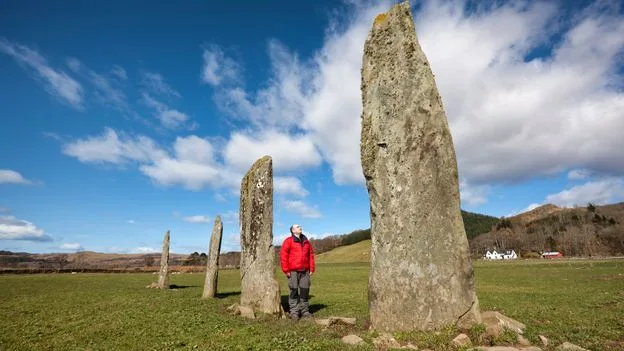
Standing stones are among the most recognizable archaeological remains of prehistoric Britain. Barnaluasgan belongs to the broader tradition of deliberately positioned stones found throughout Argyll and particularly around the prehistoric landscapes of Kilmartin Glen. These monuments demonstrate that prehistoric communities were capable of transforming natural landscapes into places of ceremony a…
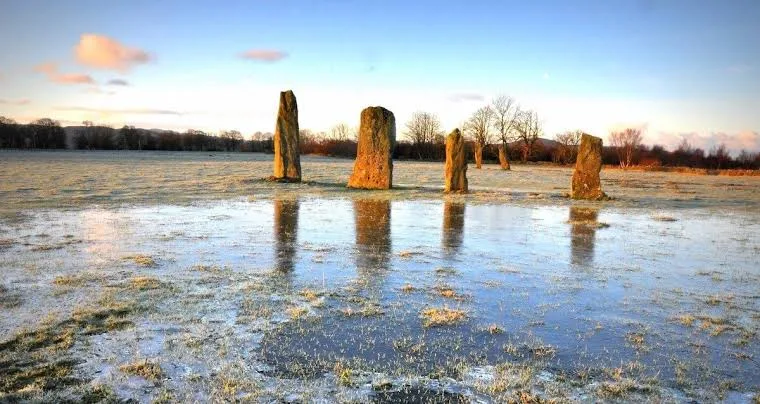
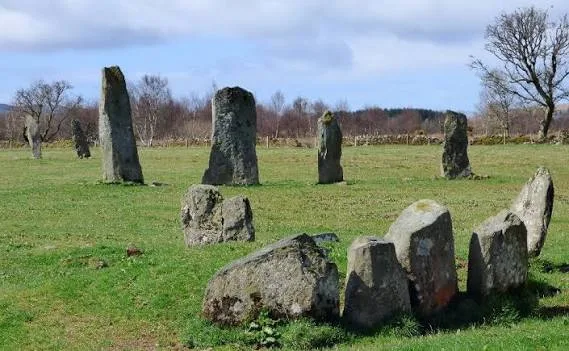
Ballymeanoch is part of the extraordinary prehistoric landscape surrounding Kilmartin Glen. Its archaeological significance comes from its relationship to nearby standing stones, burial monuments, and other prehistoric remains. The site illustrates how prehistoric communities used stone not simply as a building material but as a means of organizing ritual space. The Meaning of a Kerbed Cairn A ke…
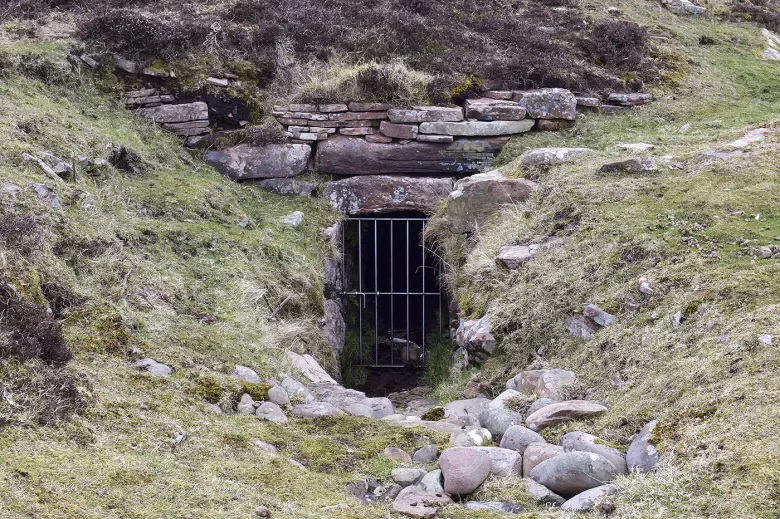
Vinquoy Hill is home to one of Eday's important prehistoric chambered cairns. The monument contributes to the extraordinary concentration of Neolithic burial architecture found throughout Orkney. The Chambered Cairn A chambered cairn was a large stone-built burial monument. Vinquoy Hill's architecture reflects the wider tradition of constructing enclosed chambers beneath substantial stone mounds.…
Pollachlean belongs to the broader archaeological record of early Christian activity in Argyll, a region that played an important role in the development of Christianity in western Scotland. The early medieval period was a time of significant cultural transformation, during which Christianity became increasingly integrated into political, social, and artistic life. Christianity in Western Scotlan…
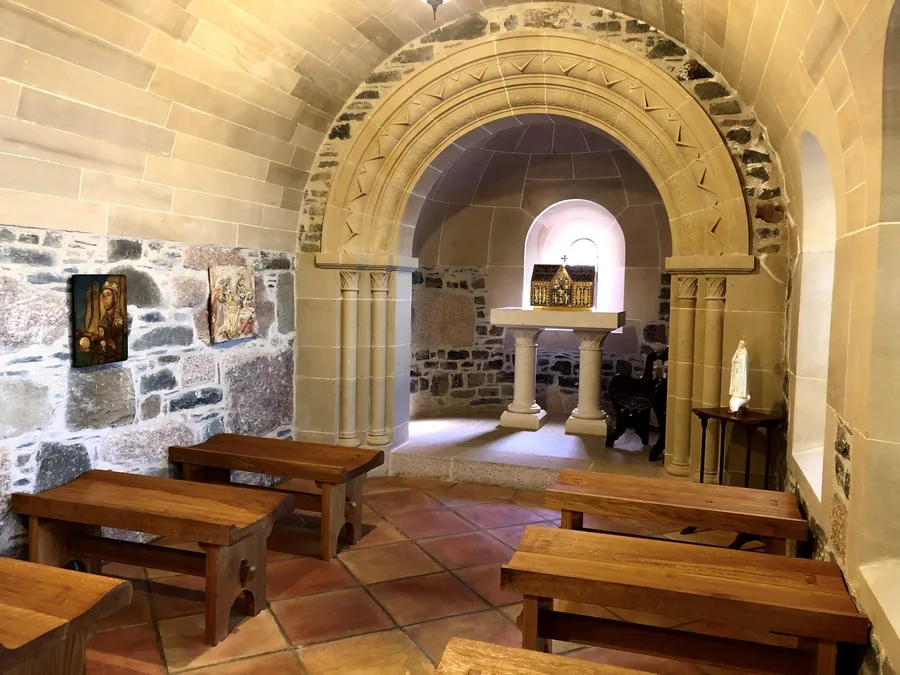
Kilchoan represents the type of small religious site that helps archaeologists reconstruct medieval life beyond Scotland's major monasteries and cathedrals. Medieval chapels served communities that could be geographically isolated yet deeply connected to wider religious traditions. Medieval Chapels in Scotland A medieval chapel was generally smaller than a major parish church. It could serve: loc…
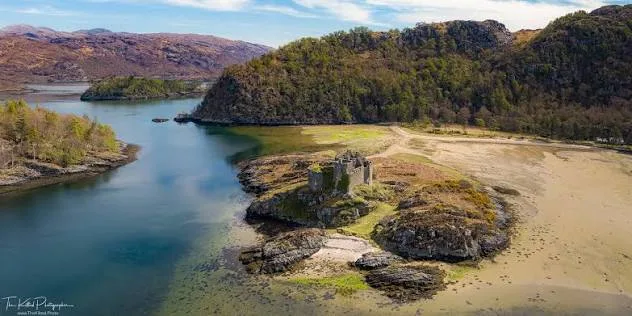
Castle Tioram is one of the most dramatic medieval fortifications in the western Highlands. Situated on a tidal island at the entrance to Loch Moidart, the castle was associated with the Clan MacDonald of Clanranald and became closely connected with the political struggles of the seventeenth and eighteenth centuries. Its ruined walls preserve evidence of a turbulent period in Highland history. Th…
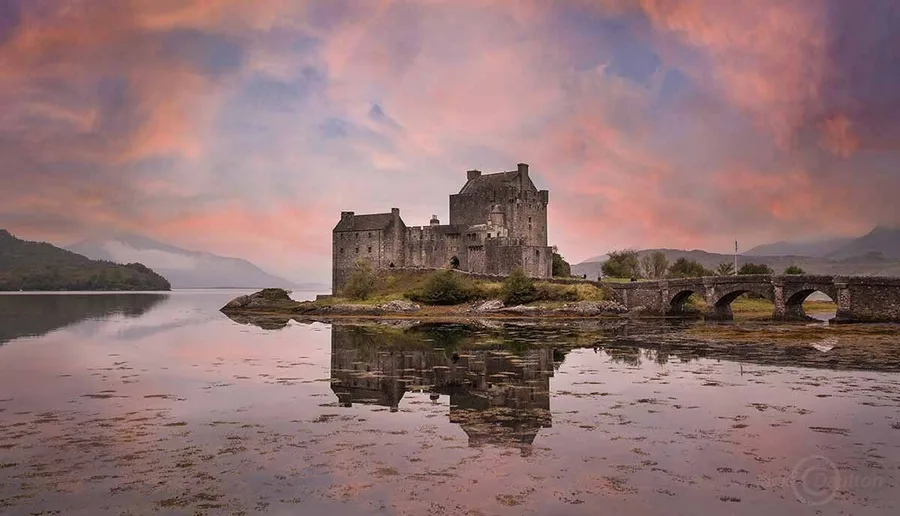
Eilean Donan is among Scotland's most recognizable castles. Although often associated with the landscapes of Skye and the western Highlands, the castle itself stands near Dornie on the mainland , at the meeting point of three sea lochs. Its position illustrates the extraordinary strategic importance of maritime geography in the Highlands. The castle's modern appearance is the result of extensive …
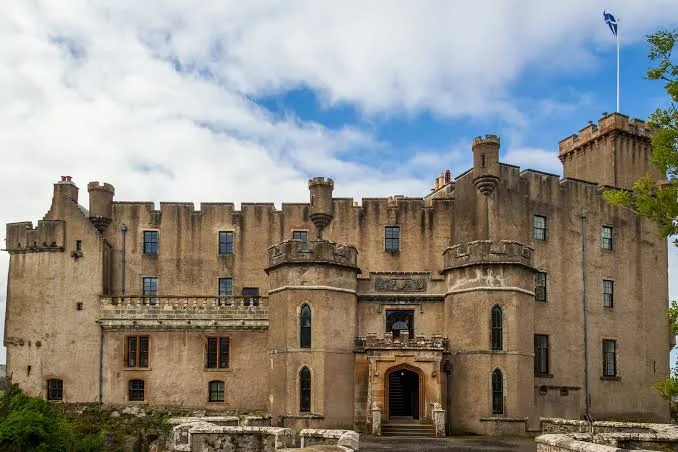
Dunvegan Castle stands on the Isle of Skye and has served as the ancestral seat of the chiefs of Clan MacLeod for approximately eight centuries. It is one of the most important surviving Highland castles and is particularly valuable because its architecture preserves evidence of repeated construction and modification from the medieval period through the nineteenth century. A Castle of Eight Centu…
Dun Sgurr represents the tradition of fortified prehistoric settlements found throughout the Scottish Highlands and Islands. The term dun generally refers to a fortified site or hillfort, although individual examples vary greatly in form, date, and function. In Sleat, such monuments demonstrate how communities used naturally defensible landscapes to establish settlements and protected places. The…
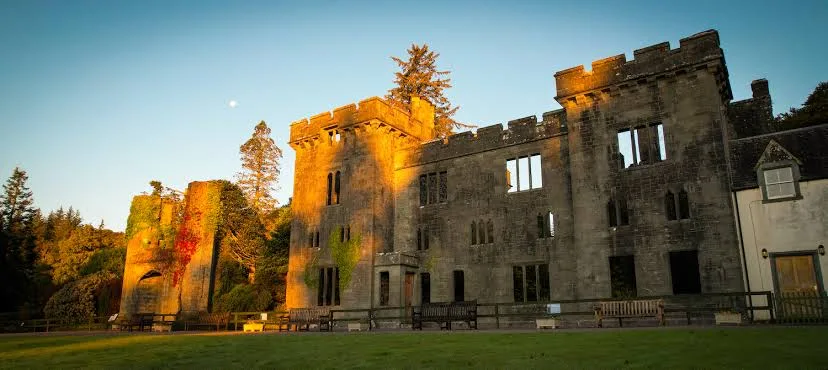
Armadale Castle occupies a dramatic position on the Isle of Skye overlooking the Sound of Sleat. The ruined castle and surrounding estate are strongly associated with Clan Donald , one of the most powerful political families in Highland and Hebridean history. Today, the site combines historic ruins, gardens, and the Museum of the Isles , creating a major center for understanding the history of th…
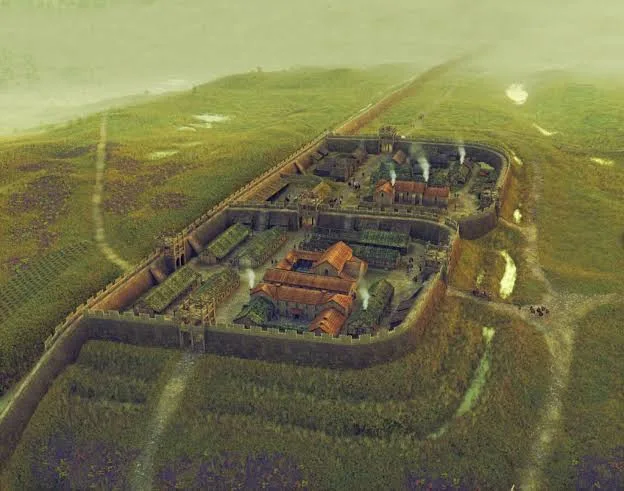
The title “Knock Roman Fort: Skye’s Antonine Wall Outpost” requires an important historical qualification. The Antonine Wall was located across central Scotland , running roughly between the Firth of Forth and the Firth of Clyde. It did not extend to the Isle of Skye. Consequently, Knock should not be described literally as an outpost of the Antonine Wall without strong archaeological evidence es…
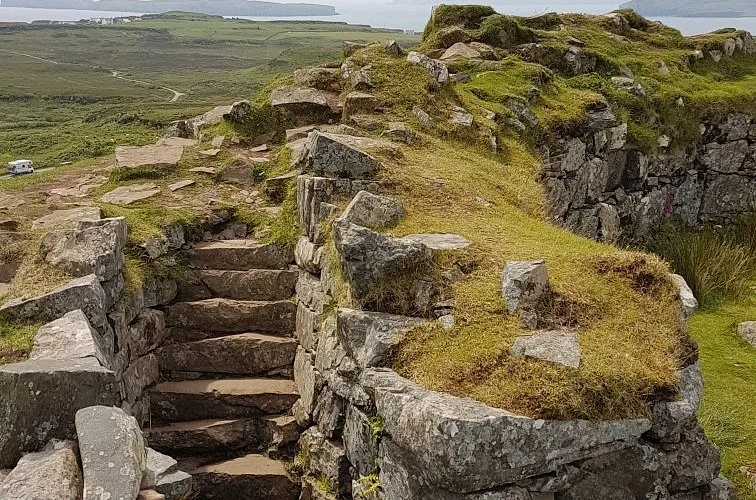
Dun Beag is one of the best-preserved broch towers on the Isle of Skye and provides an excellent example of Scotland's distinctive Iron Age monumental architecture. Brochs are circular dry-stone towers found exclusively in Scotland, particularly in northern and western regions. Dun Beag demonstrates that these structures were not simply defensive buildings. Their architecture also communicated st…
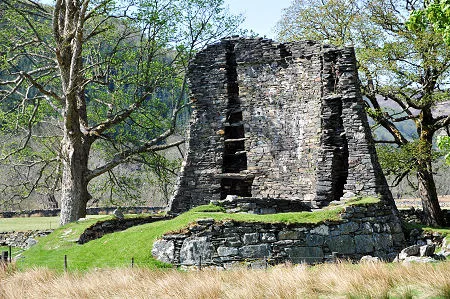
Dun Telve is one of the most impressive surviving brochs in mainland Scotland. Located near Glenelg in the western Highlands, the monument represents the remarkable architectural tradition of Iron Age Scotland, when communities constructed enormous circular dry-stone towers without mortar. Together with nearby Dun Troddan, Dun Telve forms one of the most important concentrations of broch architec…
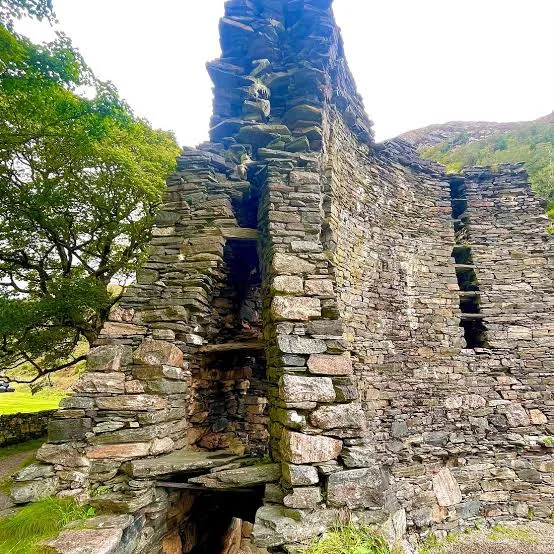
Dun Troddan is one of Scotland's most remarkable surviving Iron Age brochs. Located near Glenelg and close to Dun Telve, the structure forms part of a distinctive prehistoric landscape where two monumental circular towers were constructed within the same general area. The survival of Dun Troddan provides archaeologists with valuable evidence for prehistoric architecture, construction techniques, …
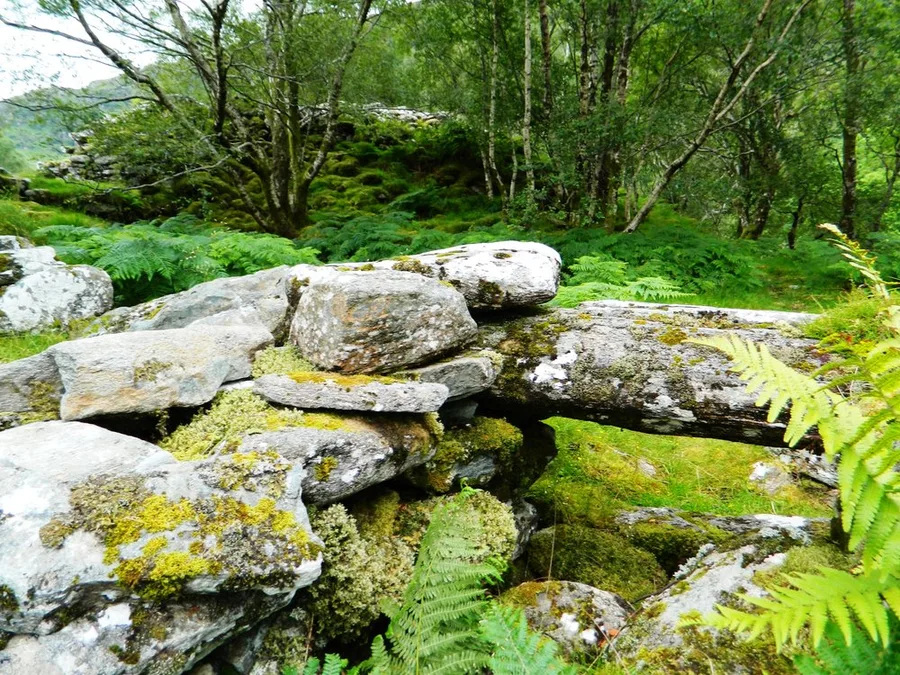
Dun Grugaig is associated with the distinctive Iron Age architecture of western Scotland and is particularly interesting because of its relationship to the wheelhouse tradition . Wheelhouses are circular stone structures in which internal radial walls or piers create a plan resembling the spokes of a wheel. They are particularly characteristic of the Iron Age Atlantic zone. The Wheelhouse Traditi…
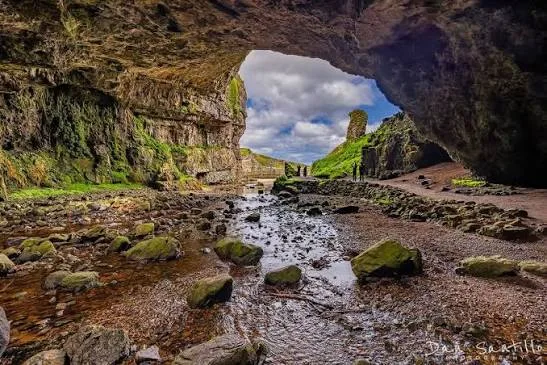
Smoo Cave is one of the most spectacular natural caves in northern Scotland. Located near Durness on the coast of Sutherland, the cave combines dramatic geology with evidence for human activity spanning multiple periods. Its location near the sea made it particularly well positioned within the maritime world of northern Scotland, including the period of Norse influence. A Natural Monument Smoo Ca…
research.io
Sign up to keep scrolling
Create your feed subscriptions, save articles, keep scrolling.

 research.io