Astrobiology (general) Archives - Astrobiology
Astrobiology Early Career Opportunities: March 2026 Digest NASA Dragonfly Guest Investigator Program Application Deadline: May 29, 2026 Applications are currently being accepted for Cohort 7 of the Dragonfly Mission’s Guest Investigator Program. Over a two-year period, students will be mentored by members of the Dragonfly team for 3.6 months per year on projects relevant to Saturn’s moon Titan. T…
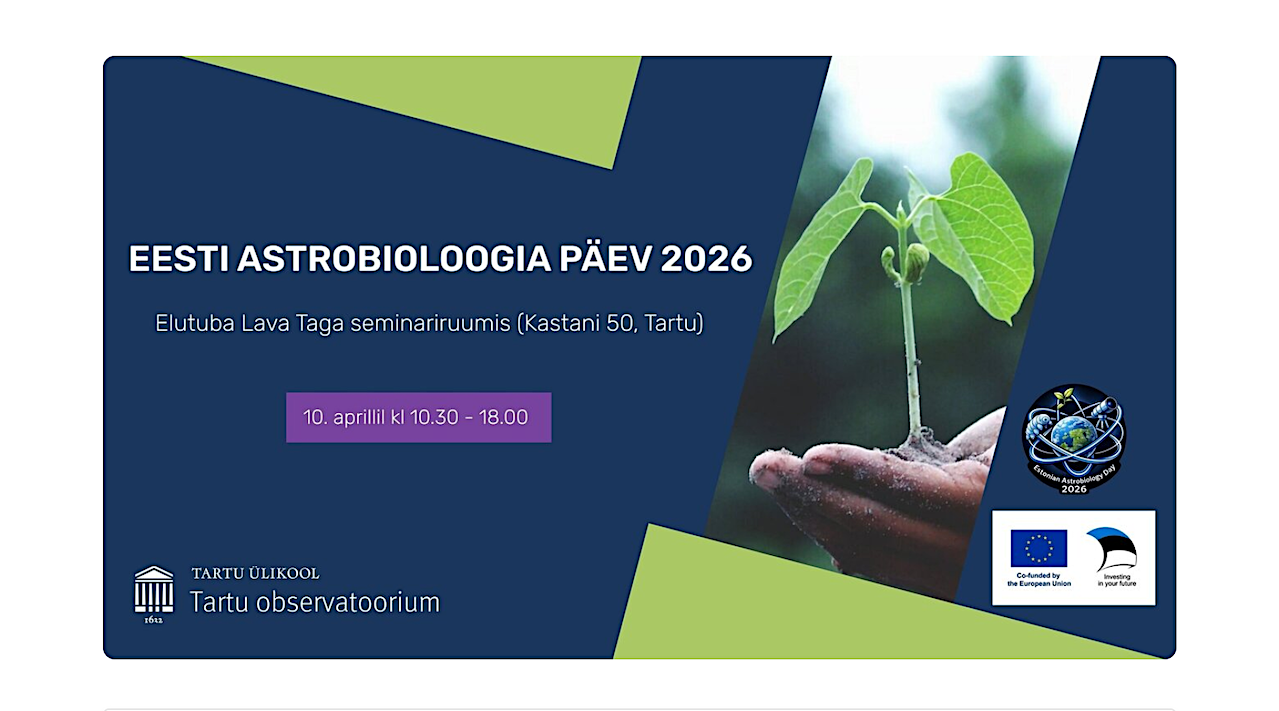
Estonian Astrobiology Day 2026 The first Estonian Astrobiology Day will take place on 10 April. The aim of the event is to create a community of astrobiology enthusiasts in Estonia, bringing together researchers, students, and anyone interested in the origin of life and its distribution in the universe. Astrobiology is a rapidly developing interdisciplinary field. The goal of the event is to brin…
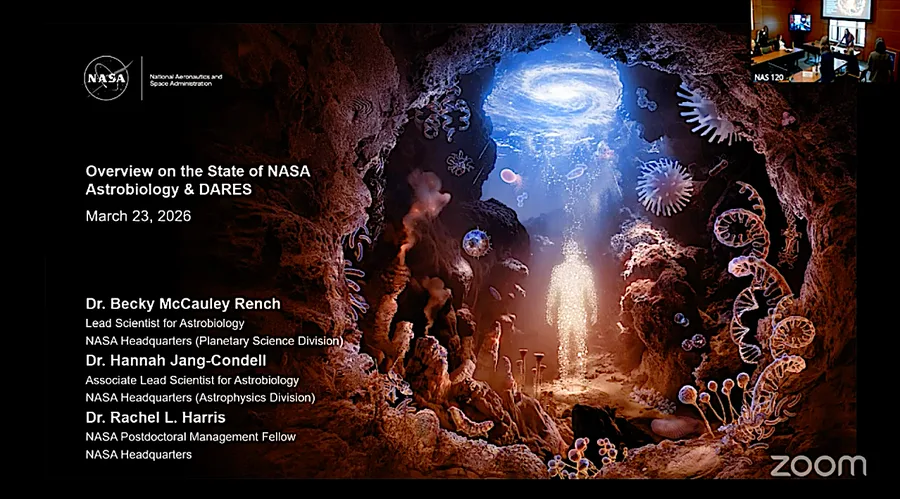
NASA Astrobiology Update At Space Science Week 2026(with audio) On 23 March 2026 the NASA Astrobiology Program staff gave an update presentation at National Academies of Science Space Science Week 2026 Speakers: Dr. Rebecca McCauley Rench, Lead Scientist for Astrobiology, NASA-PSD / Dr. Hannah Jang-Condell, Associate Lead for Astrobiology, NASA / Dr. Rachel Harris, Postdoctoral Management Fellow,…
National Academies of Science Space Science Week 2026 – Astrobiology Update Each year, Space Science Week at the National Academies of Science brings together leaders across the space science disciplines to explore the latest developments and discuss the future of the field from a variety of perspectives, from planetary protection to astrophysics to Earth science and applications from space. Upda…
Molecular Origins of Life, Munich (MOM 2026) Molecular Origins of Life, Munich (MOM 2026) explores one of science’s most fundamental questions: How did life begin? Featuring talks by leading international researchers, alongside panel discussions and poster sessions, MOM 2026 brings together scientists across disciplines. From astronomy, biochemistry, biophysics, geosciences, to theoretical chemis…
Registration Is Now Open For Origins 2026 Origins 2026 is an international conference jointly organized by the International Society for the Study of the Origins of Life – The International Astrobiology Society (ISSOL) and the Astrobiology Commission of the International Astronomical Union (IAU). Origins 2026 will bring together experts from a wide range of disciplines—including chemistry, biolog…
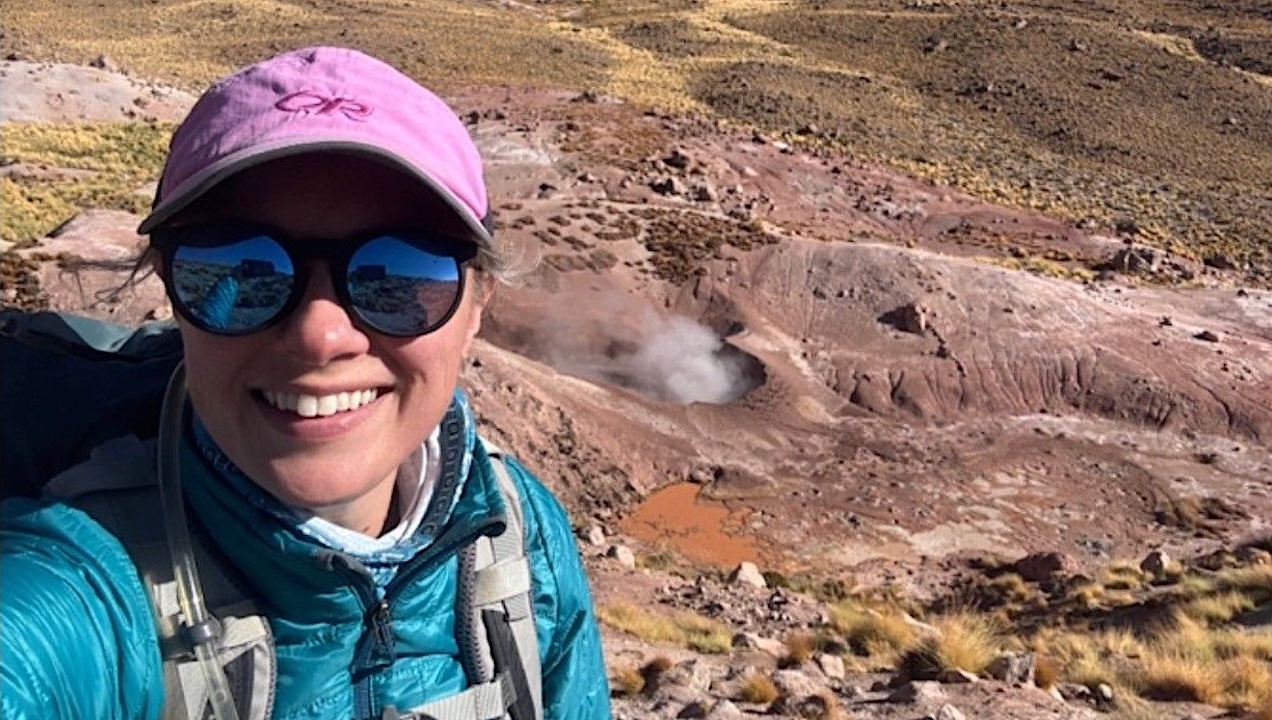
Astrobiology Mars Analog Atacama Desert As Seen From Orbit A portion of the Atacama Desert along Peru’s southern Pacific coast, featuring barren plains, rocky cliffs, vast sand dunes, and fertile river valleys, is pictured from the International Space Station as it orbited 265 miles above the South American nation. NASA uses Chile’s Atacama Desert as a premier Mars analog, employing the Atacama R…
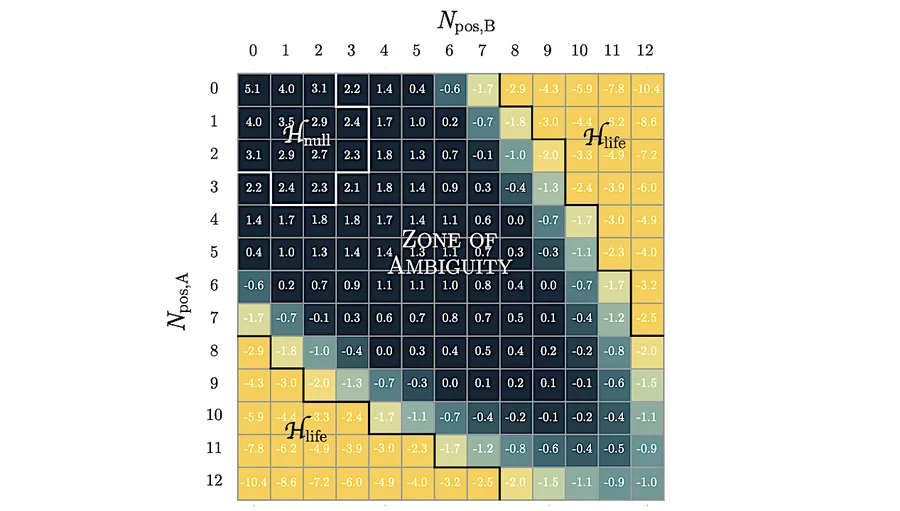
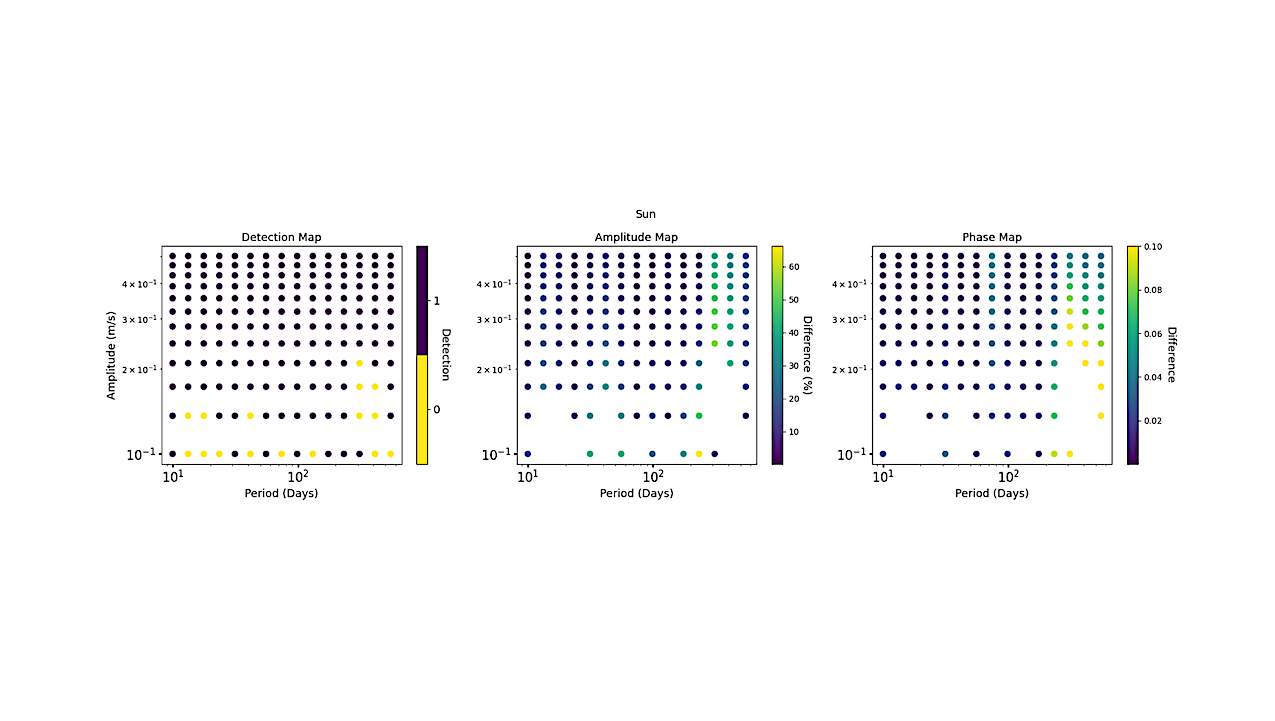
The Maintenance Of Ambiguity In Martian Exobiology How do scientists maintain their research programs in the face of not finding anything? Continual failure to produce results can result in declining support, scientific controversy and credibility challenges. We elaborate on a crucial mechanism for sustaining the credibility of research programs through periods of non-detection: the maintenance o…
Explorers Club Fellow, ex-NASA Space Station Payload manager/space biologist, Away Teams, Journalist, Lapsed climber, Synaesthete, Na’Vi-Jedi-Freman-Buddhist-mix, ASL, Devon Island and Everest Base Camp veteran, (he/him) 🖖🏻
Astrobiologists Search For Alien Life And Help Life On Earth In The Process On Earth, life thrives in some of the most seemingly inhospitable environments. Single-celled organisms like bacteria teem in the hot springs of Yellowstone National Park, where temperatures reach nearly 200 degrees Fahrenheit (93 degrees Celsius). Others dwell deep underground or several miles above Earth’s surface in th…
Planetary Analog Sites In The Indian Subcontinent And The Indian Ocean: Underexplored Environments Suited For Astrobiological And Space Research Astrobiology seeks to understand the origin, evolution, distribution, and future of life in the Universe, focusing on habitability beyond Earth. Due to the high cost and complexity of space missions, studying planetary analog sites on Earth is essential …
The Genesis Project On The Origin Of Life Becomes A National Centre Of Competence In Research The Federal Council has approved funding for the “Genesis” project on the origins of life, led by ETH Zurich in collaboration with the University of Lausanne. Genesis is one of six new National Centers of Competence in Research (NCCRs). How did life emerge on Earth? Is there life elsewhere in the univers…
The Origin, Extension, and Future of the “NASA Definition” of Life The “NASA definition” enjoys broad popularity among scientists, particularly in the astrobiology community: life is “a self-sustained chemical system capable of Darwinian evolution.” Imprecise and difficult to implement, it nevertheless captures important features of life interesting to researchers and public audiences. A product …
NASA ROSES-25 Amendment 39: Rolling Submissions Extended Through August Historically the new omnibus ROSES solicitation was released in February but proposals to the programs from the prior year’s ROSES that were rolling submissions (no due date) could be submitted until the end of March. This overlap period allowed those who had a proposal in work to submit it rather than having to start again. …
Rethinking Where Life Could Exist Beyond Earth Astronomers have long searched for life within a rather narrow ring around a star, the “habitable zone,” where a planet should be neither too hot nor too cold for liquid water. A new study argues that this ring is too strict: on tidally locked worlds that keep one face in daylight and the other in permanent night, heat may still circulate enough for …
Astrobiology Mentioned In OSTP Report On Science & Technology Highlights There is a mention of #astrobiology in this new White House OSTP report on Science & Technology Highlights: Year One: “Promoting Progress in Astrobiology. NASA’s Perseverance rover found a sample on Mars that potentially contains biosignatures, substances or structures that might have a biological origin but require addition…
Exploring The Diversity Within EANA And AbGradE As Mirror Of The European Astrobiology Community Since its foundation in 2001, EANA (European Astrobiology Network Association, http://www.eana-net.eu/) has organized annual meetings to foster and strengthen the astrobiology community within Europe. The growth of the European astrobiology community over the years is reflected not only in the growing…
Origins Center 2026 Conference May 18–20, 2026 (Abdij Rolduc, Kerkrade) Questions about the origin and nature of life — and whether it might exist beyond Earth — have a rare power to pull disciplines together. This spring, the Origins Center will bring that full breadth to Kerkrade for our 2026 conference at Abdij Rolduc, a nearly 900-year-old medieval abbey and one of the official Top 100 Dutch …
NASA Decadal Astrobiology Research and Exploration Strategy (NASA-DARES). Venus Exploration and Analysis Group (VEXAG) November 2025 Meeting Introduction: NASA sponsored Astrobiology research focuses on three basic questions: How does life begin and evolve? Does life exist elsewhere in the Universe? How do we search for life in the Universe? Over the past 50 years, astrobiologists have uncovered …
research.ioSign up to keep scrolling
Create your feed subscriptions, save articles, keep scrolling.