Renewable Energy News -- ScienceDaily
Bio-tar, once seen as a toxic waste, can be transformed into bio-carbon with applications in clean energy and environmental protection. This innovation could reduce emissions, create profits, and solve a major bioenergy industry problem.
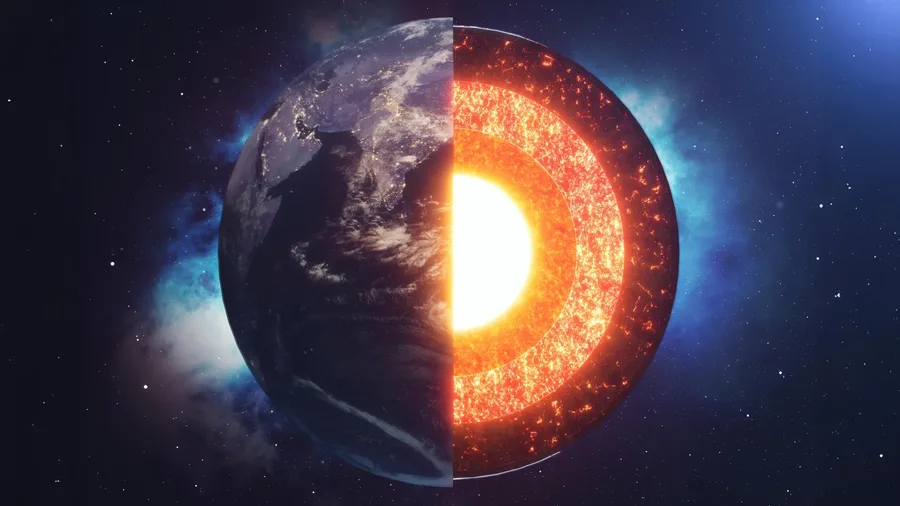
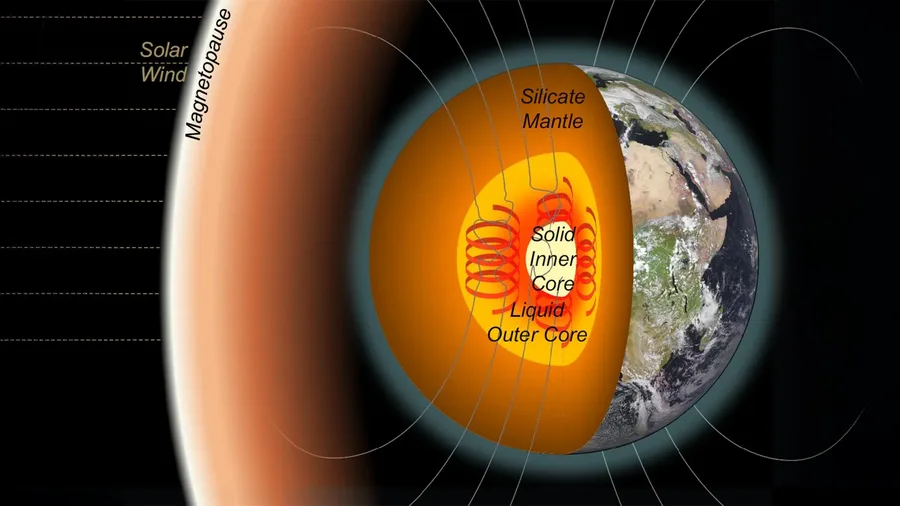
New research reveals that carbon made it possible for Earth’s molten core to freeze into a solid heart, stabilizing the magnetic field that protects our planet. Without it, Earth’s deep interior — and life above — might look very different.

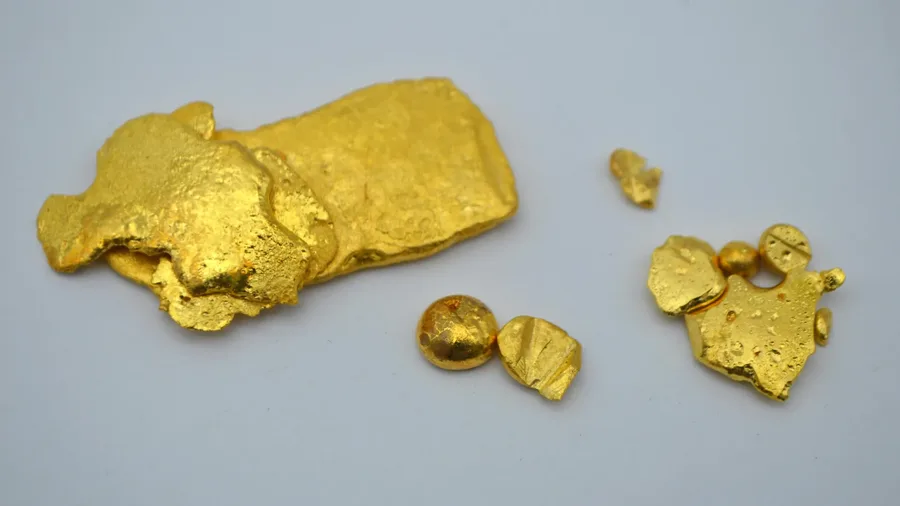
At Flinders University, scientists have cracked a cleaner and greener way to extract gold—not just from ore, but also from our mounting piles of e-waste. By using a compound normally found in pool disinfectants and a novel polymer that can be reused, the method avoids toxic chemicals like mercury and cyanide. It even works on trace gold in scientific waste. Tested on everything from circuit board…
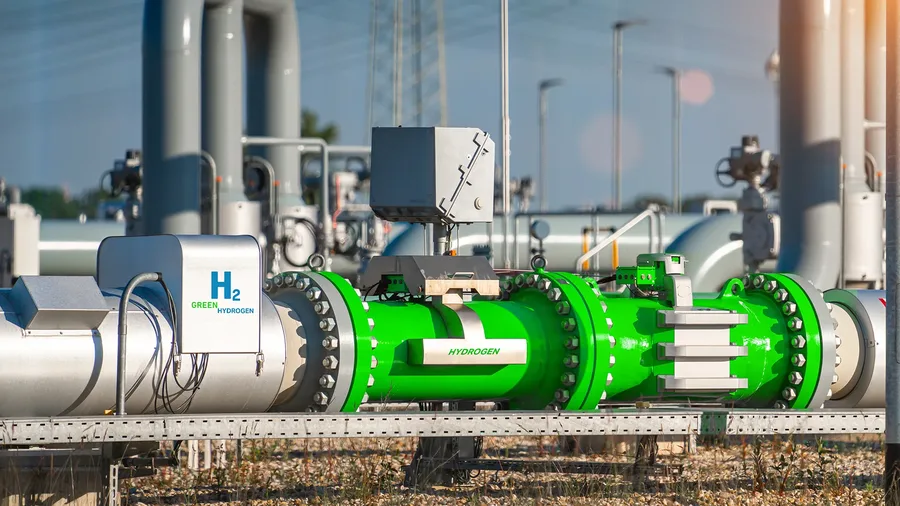
Researchers in South Korea have developed a powerful and affordable new material for producing hydrogen, a clean energy source key to fighting climate change. By fine-tuning boron-doping and phosphorus levels in cobalt phosphide nanosheets, the team dramatically boosted the efficiency of both sides of water-splitting reactions. This advancement could unlock scalable, low-cost hydrogen production,…
Australia can reach net-zero emissions and still protect its natural treasures but only if everyone works together. New research from Princeton and The University of Queensland shows that the country can build the massive amount of renewable energy infrastructure needed by 2060 without sacrificing biodiversity, agriculture, or Indigenous land rights. But the path is delicate: if stakeholders clas…

Increasing renewable energy may not reduce the use of fossil fuels in the United States, according to a new study .

The latest study finds that emissions of the potent greenhouse gas might be higher than previously estimated.

Researchers have detailed the geological ingredients required to find clean sources of natural hydrogen beneath our feet. The work details the requirements for natural hydrogen, produced by the Earth itself over geological time, to accumulate in the crust, and identifies that the geological environments with those ingredients are widespread globally. Hydrogen is $135 billion industry, essential f…

Researchers have developed two unique energy-efficient and cost-effective systems that use urea found in urine and wastewater to generate hydrogen. The unique systems reveal new pathways to economically generate 'green' hydrogen, a sustainable and renewable energy source, and the potential to remediate nitrogenous waste in aquatic environments.

Scientists have found a new way to produce sugar from corn stalks and other crop waste, potentially opening a new pathway to sustainable biofuels.

The global energy system may be faced with an inescapable trade-off between urgently addressing climate change versus avoiding an energy shortfall, according to a new energy scenario tool.

Researchers have developed a new catalyst design capable of pushing the projected fuel cell catalyst lifespans to 200,000 hours. The research marks a significant step toward the widespread adoption of fuel cell technology in heavy-duty vehicles, such as long-haul tractor trailers. While platinum-alloy catalysts have historically delivered superior chemical reactions, the alloying elements leach o…

In the soils of Earth's wetlands, microbes are in a tug-of-war to produce and consume the powerful greenhouse gas methane. But if the Earth gets too hot, it could tip the scale in favor of the methane producers, according to a new study. Scientists made the discovery as part of a futuristic climate experiment that raised carbon dioxide and temperature in a Maryland marsh.

Researchers are testing a new type of cattle feed that could help dairy cows release less methane gas from burps and flatulence and use nutrients more efficiently. Because methane traps heat in the atmosphere, reducing these emissions could make dairy farming more environmentally friendly and sustainable.

Researchers have helped overturn the popular theory that water on Earth originated from asteroids bombarding its surface; Scientists have analyzed a meteorite analogous to the early Earth to understand the origin of hydrogen on our planet. The research team demonstrated that the material which built our planet was far richer in hydrogen than previously thought. The findings support the theory tha…

The transition to electric vehicles won't reduce carbon emissions unless countries clean up their electricity grids.

Engineers have hit the trifecta of sustainability technology: A group has developed a low-cost method to produce carbon-free 'green' hydrogen via solar-powered electrolysis of seawater. A happy byproduct of the process? Potable water.

Researchers analyzed trade-related risks to energy security across 1,092 scenarios for cutting carbon emissions by 2060. They found that swapping out dependence on imported fossil fuels for increased dependence on critical minerals for clean energy would improve security for most nations -- including the U.S., if it cultivates new trade partners.

A genomic study of hydrogen-producing bacteria has revealed entirely new gene clusters capable of producing large volumes of hydrogen.

research.ioSign up to keep scrolling
Create your feed subscriptions, save articles, keep scrolling.