Rodrigo Tardin·...·Universidade Federal do Rio de Janeiro (UFRJ)
3d ago
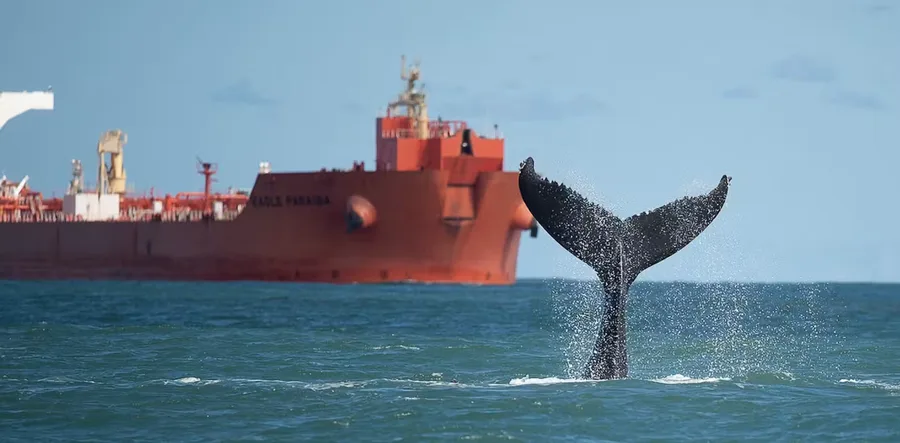
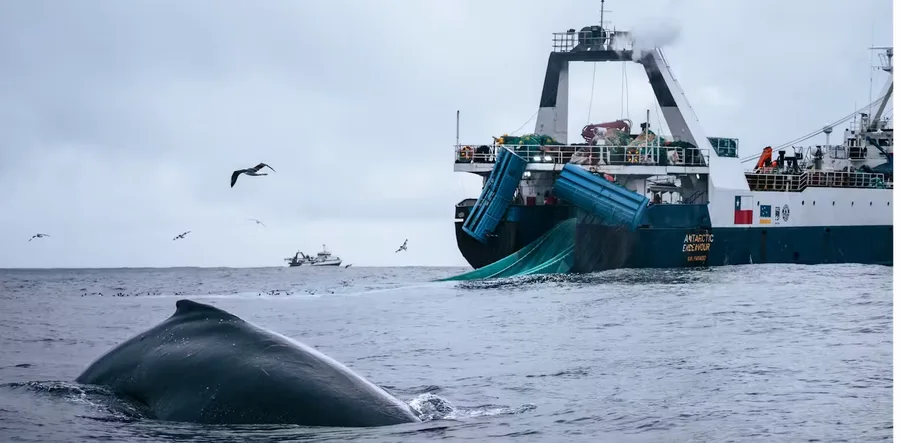
Despite Brazil’s recent expansions of protected areas, research shows that the favorite habitats of whales and dolphins are still threatened by human activities.
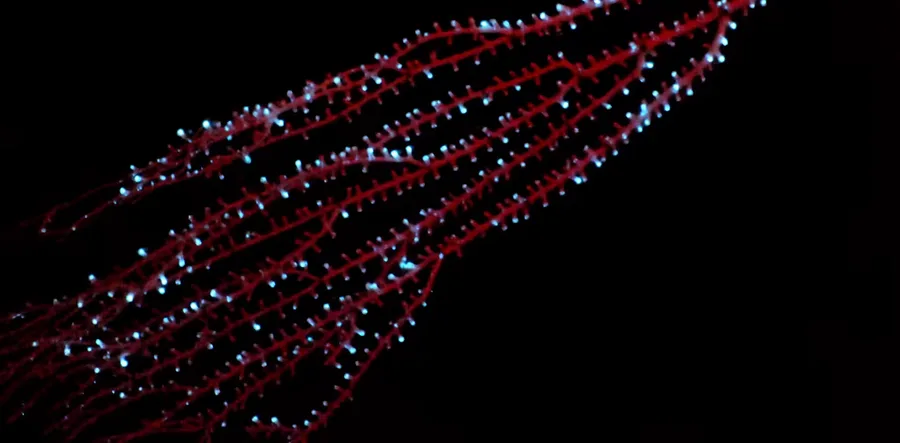
Dozens of animals, some on land but many in the ocean, can produce light within their bodies through chemical reactions. Scientists are still trying to understand when and why this trait developed.
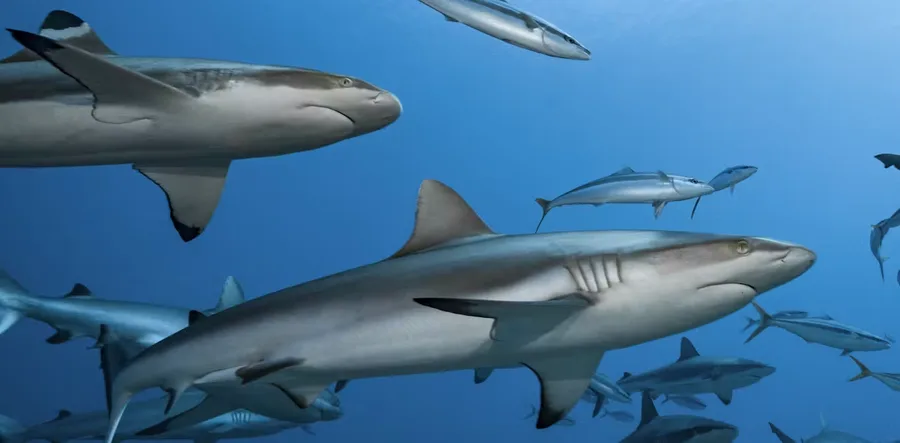
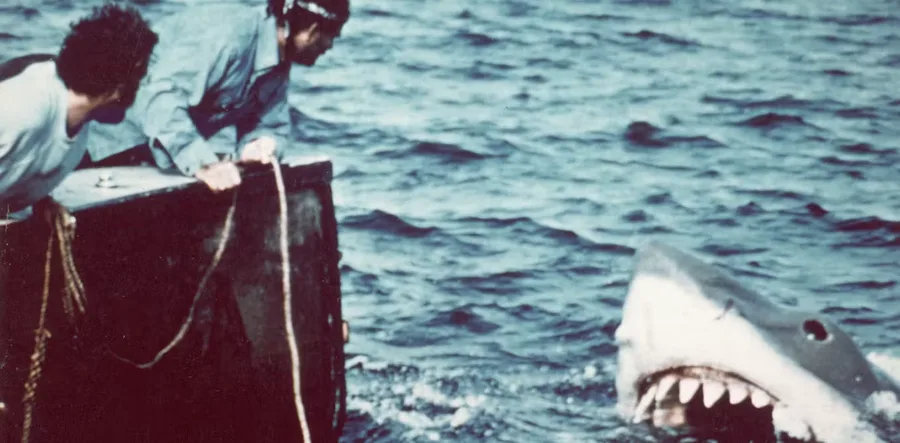
A shark expert whose own curiosity about these fascinating fish was sparked by the movie explains some of their unique features. Many discoveries came in the decades after ‘Jaws.’
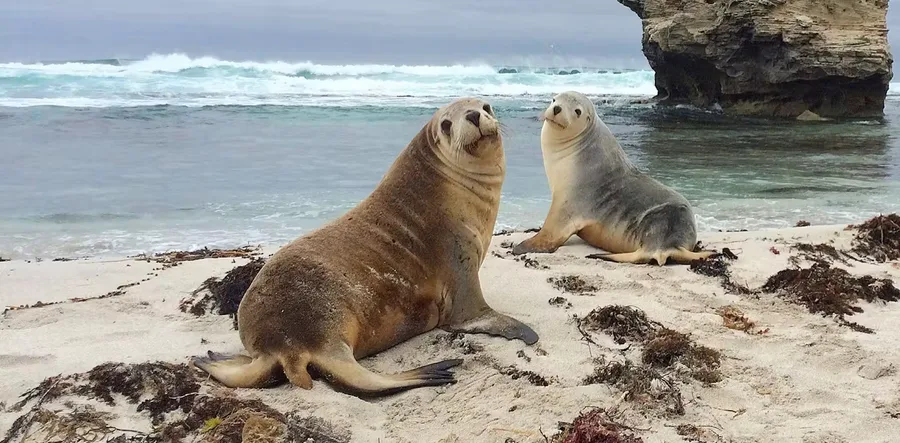
Using cameras and trackers attached to Australian sea lions, we explored previously unmapped ocean habitats off the South Australian coast. The data also fed into predictive computer models.
David Schoeman·...·University of the Sunshine Coast
3d ago
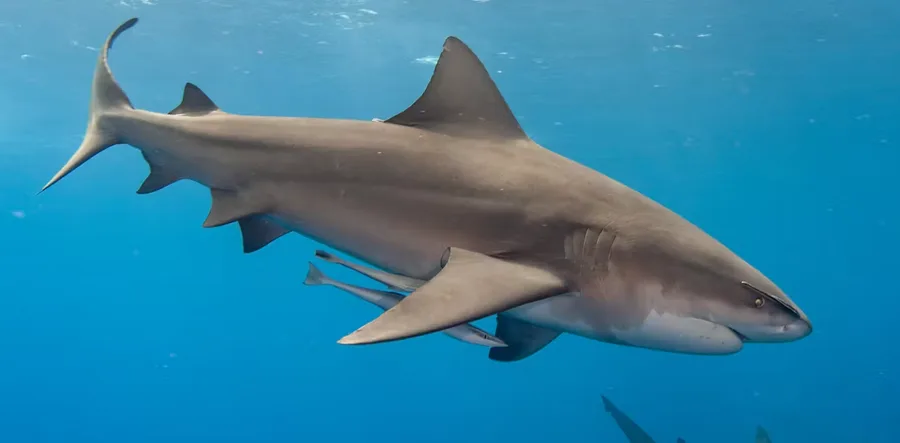
New research shows climate change can drive sudden ocean cooling too. This can have devastating effects on marine life such as bull sharks and manta rays.
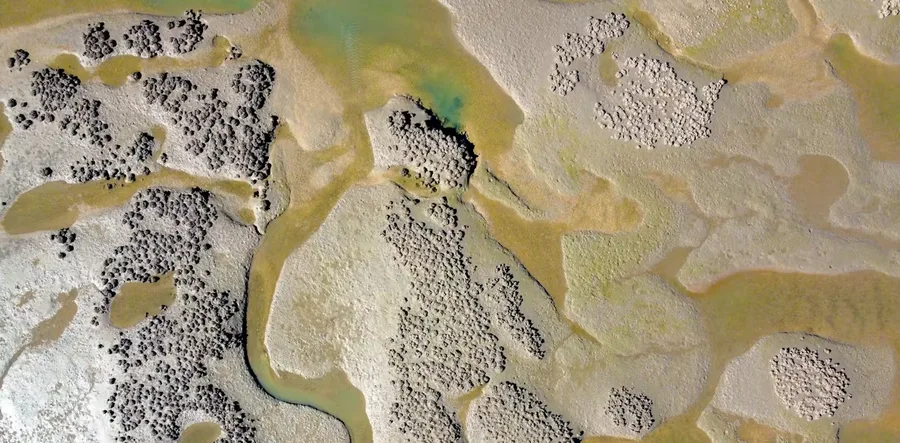
The first detailed study of Australian tropical oyster reefs reveals the main species, yet to be named, is related to the Sydney rock oyster – and is just as delicious.
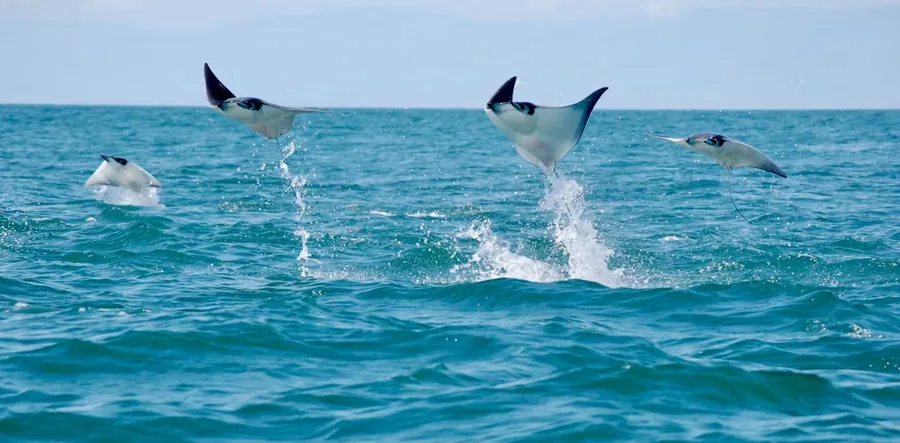
Breaching is one of the most spectacular behaviors among marine animals. A recent review shows that many shark and ray species breach, and identifies the most commonly hypothesized reasons.
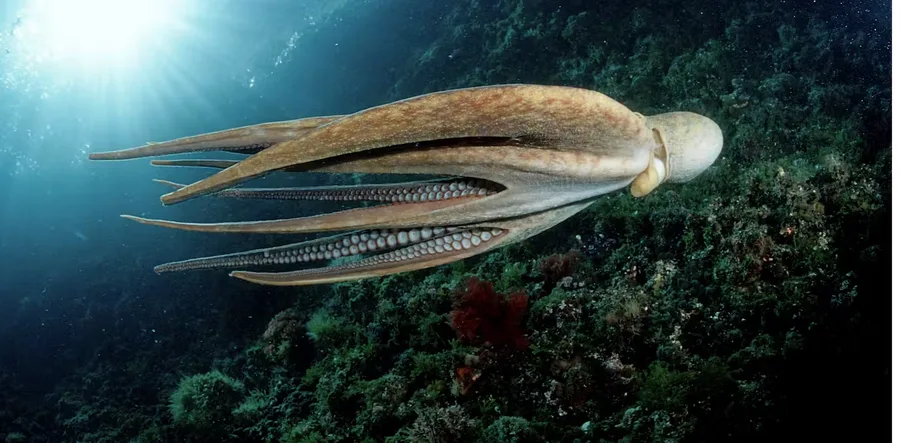
Animal welfare laws don’t protect invertebrates, but there’s evidence that some, such as octopuses, are as intelligent as many mammals – even if their cognition takes very different forms.
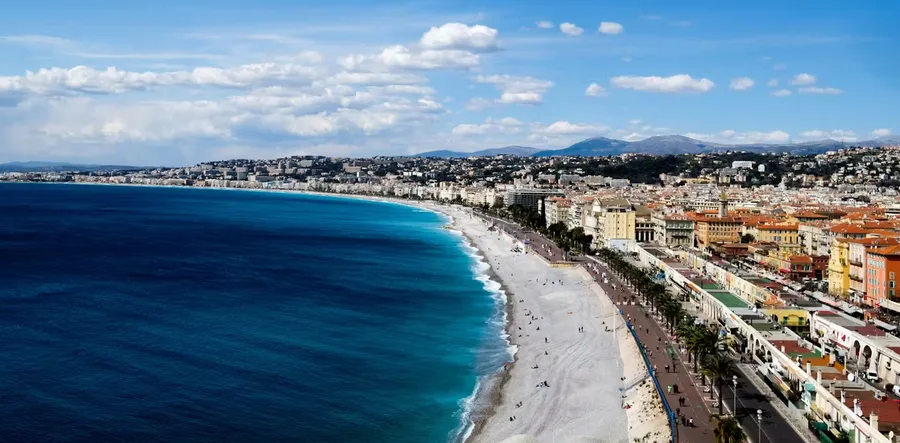
A tsunami risk in the Mediterranean is real. Coastal towns like Nice can get “Tsunami ready” by coordinating fast, effective preventive and awareness-raising efforts.
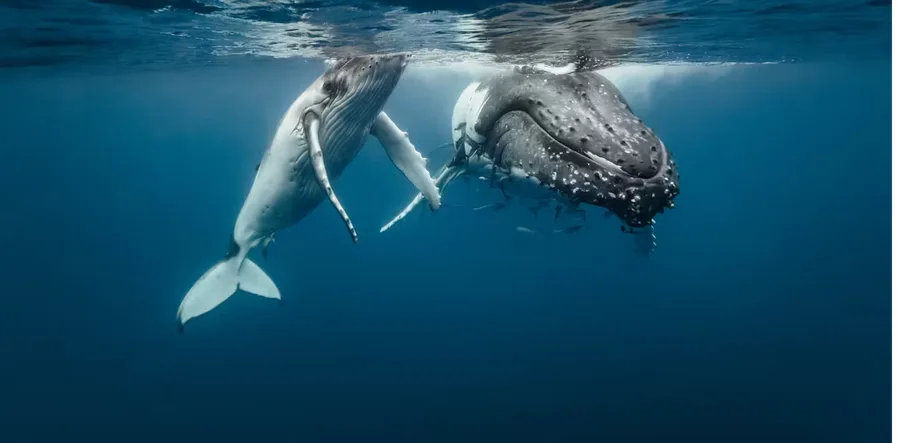
There’s so much we still don’t know about whales. Here’s 3 amazing new things we’ve learnt about whales lately: how humpback whales have sex and give birth – and how baleen whales sing underwater.
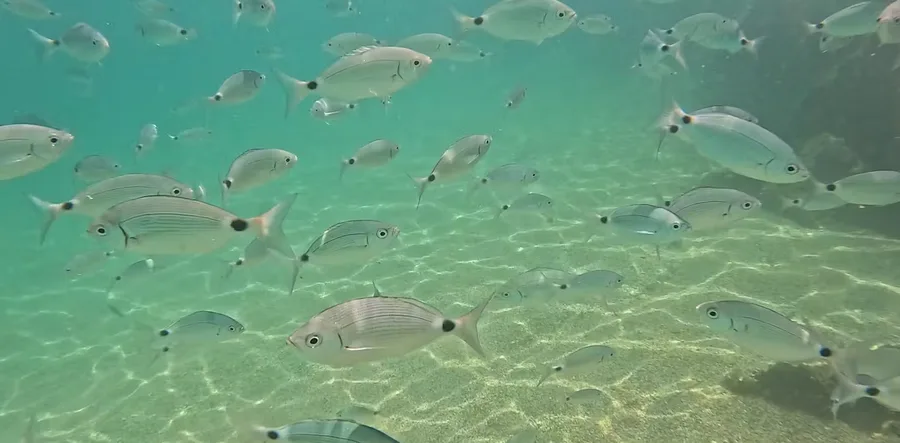
The Mediterranean is one of the world’s most vulnerable ecosystems. A scientific study on shifting distribution dynamics examines how its fish species contend with sea warming.
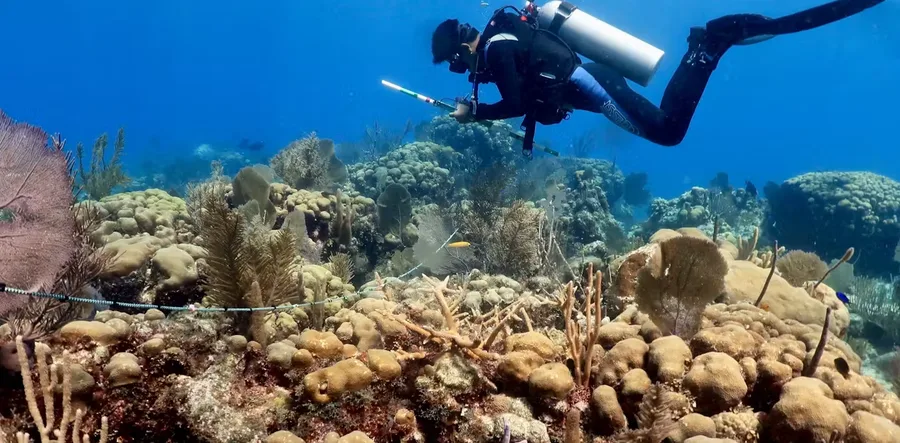
Healthy coral reefs can significantly reduce hurricane damage for coastlines, yet many still face harms, including pollution and ship damage, that people have the power to stop.


 research.io