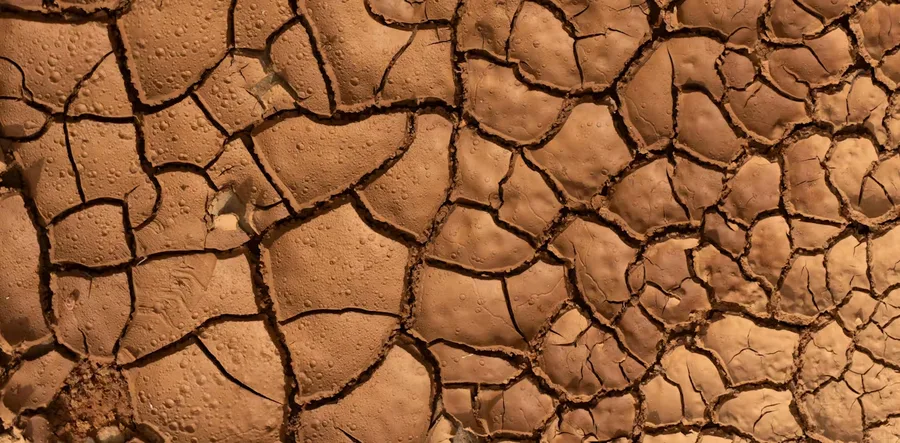
Analysis reveals some of NZ’s worst droughts occurred before 1950 – meaning recent experience may not reflect the full scale of future risk in a warming climate.
A meteorologist explains three essential components of NOAA hurricane data collection that forecasters everywhere rely on yet are being targeted for federal cuts.
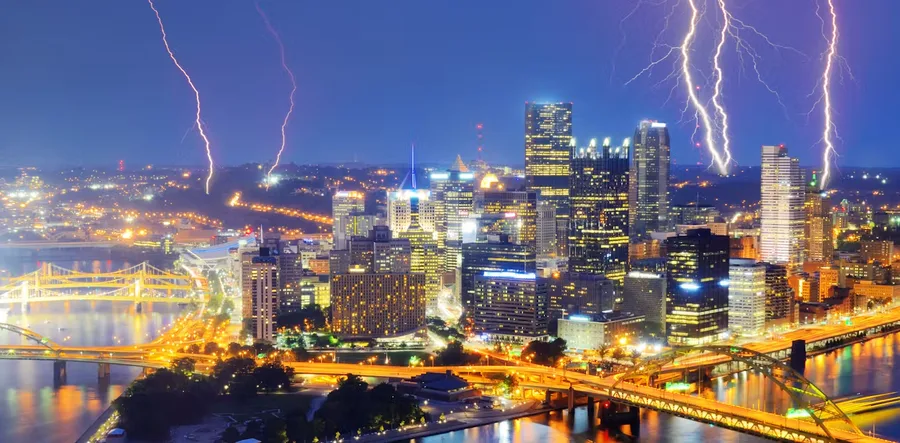
The parasitic fungus sometimes called ‘Himalayan gold’ can provide a good living to villagers who collect it. But rugged terrain and a high risk of lightning strikes make it a dangerous option.
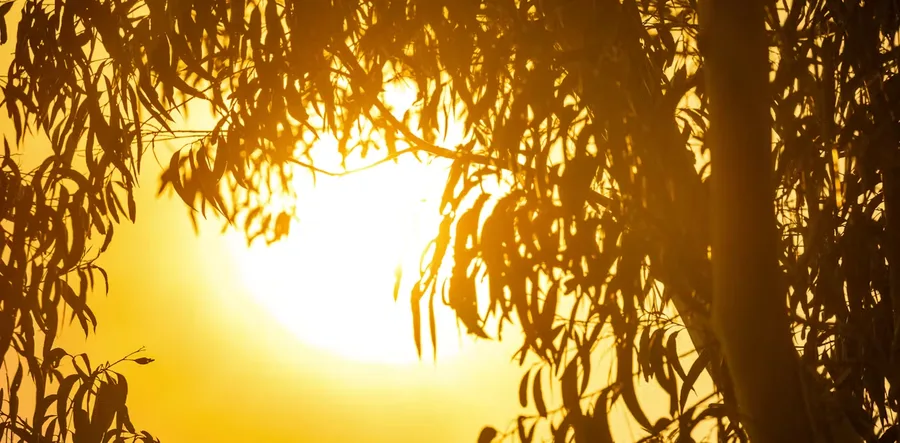
Much of the country is sweltering under extreme heat that was very well forecast. But seemingly minor factors can make a big difference to what happens on the day.
Pennsylvania logged 852 severe weather reports from March through June – more than double the 30-year average. A meteorologist explains what keeps the storms coming.
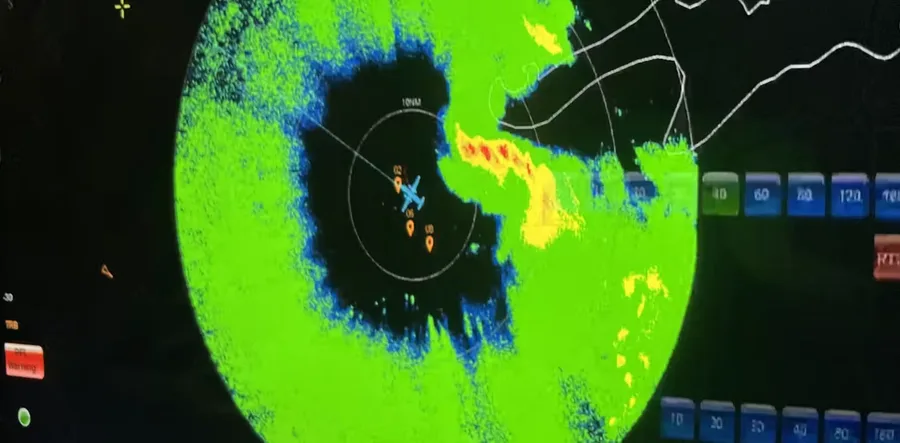
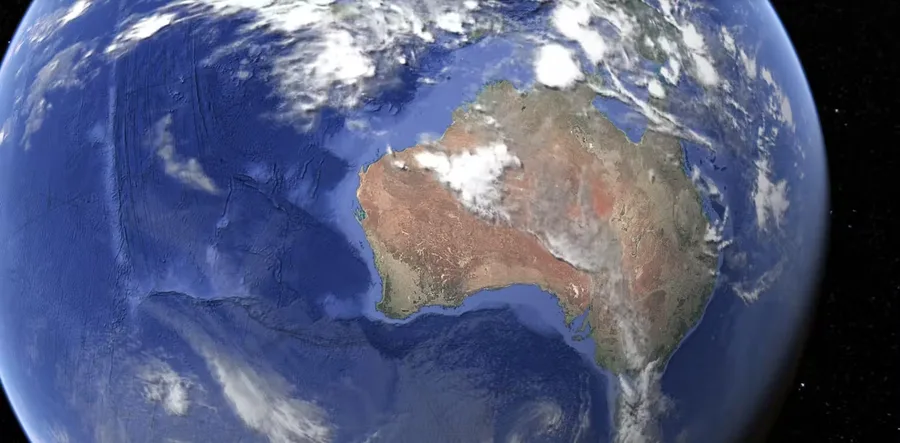
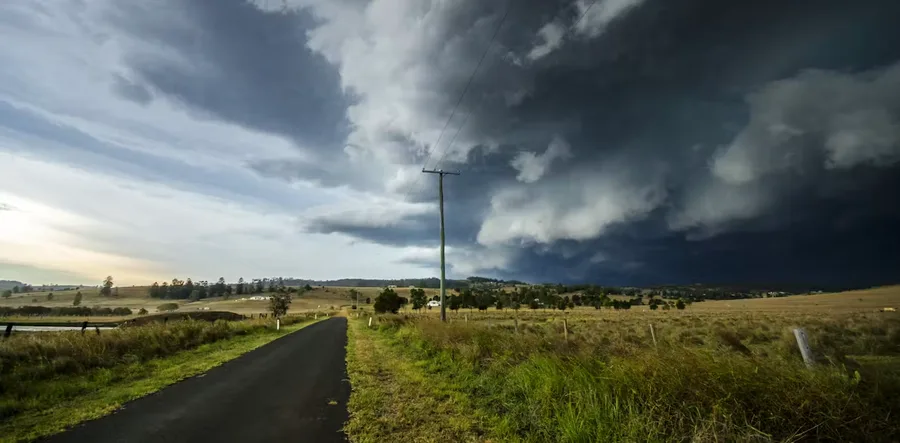
This week, unusually widespread thunderstorms are expected to bring rain, hail and intense winds to swathes of southern Australia. Here’s why – and what threat they can pose.
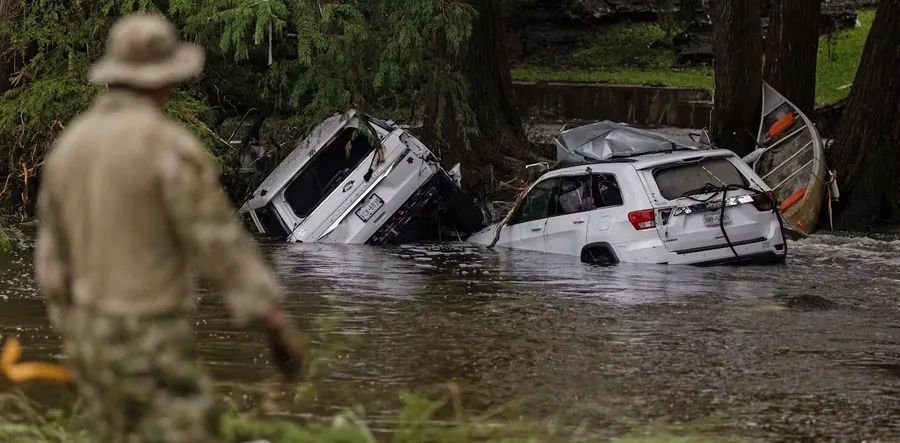
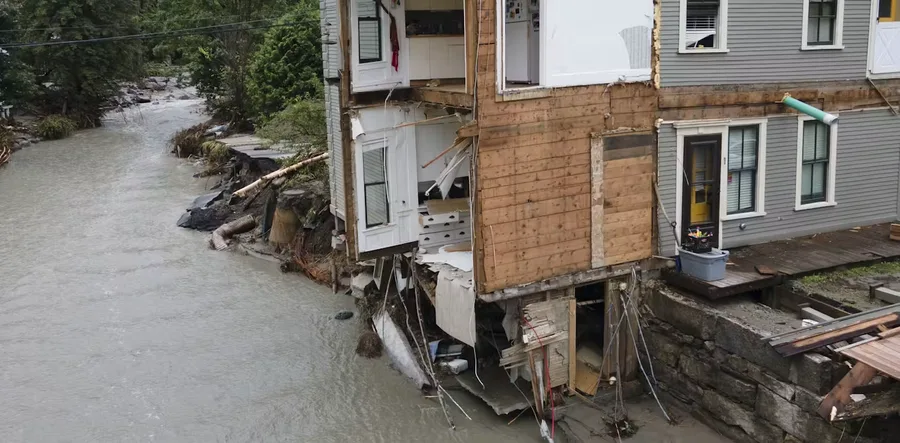
Large parts of the central and eastern U.S. have seen at least 50% more precipitation than normal. An atmospheric scientist explains why and what creates flash flood weather.
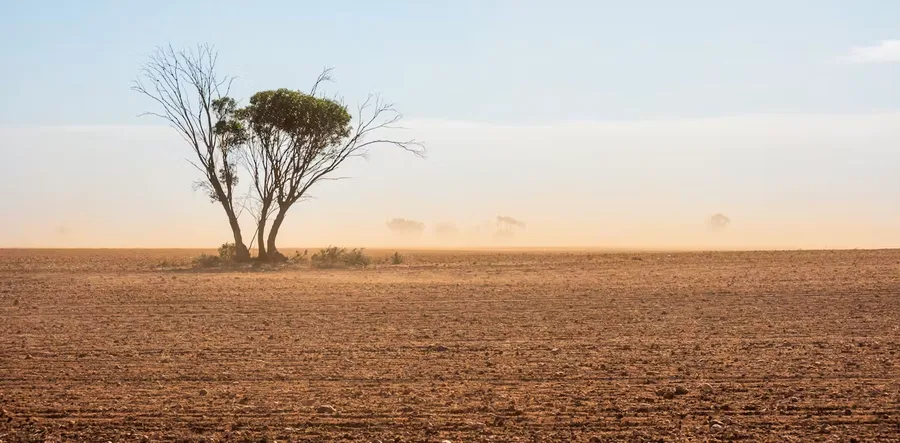
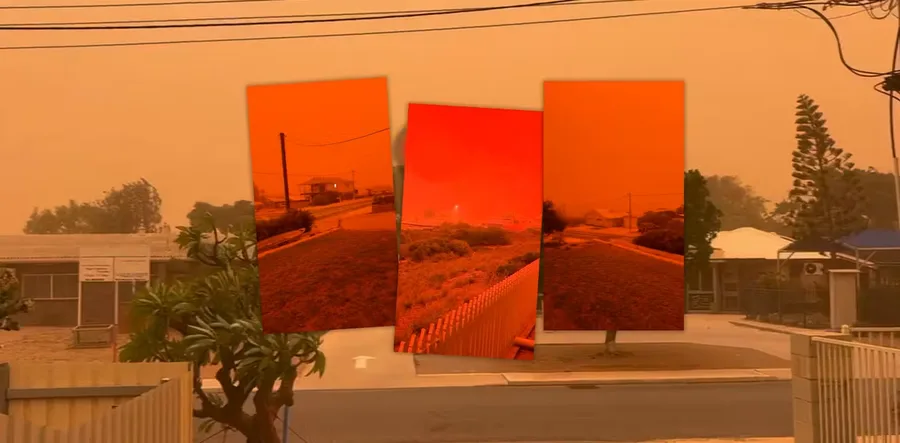
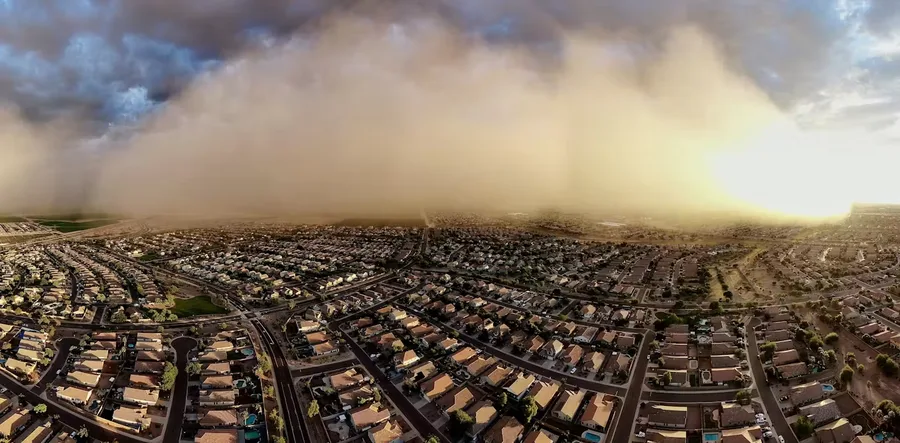
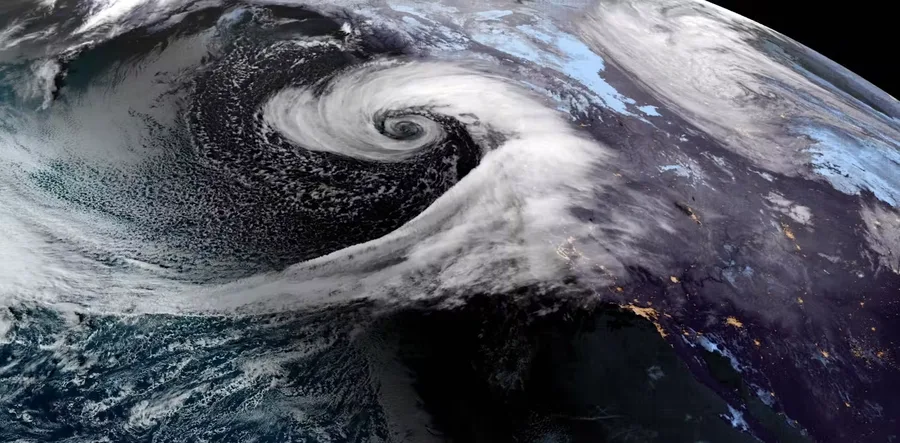
One long line of powerful winds can whip up dust storms, spread wildfires, spin up tornadoes and fuel blizzards – all at the same time across different states.
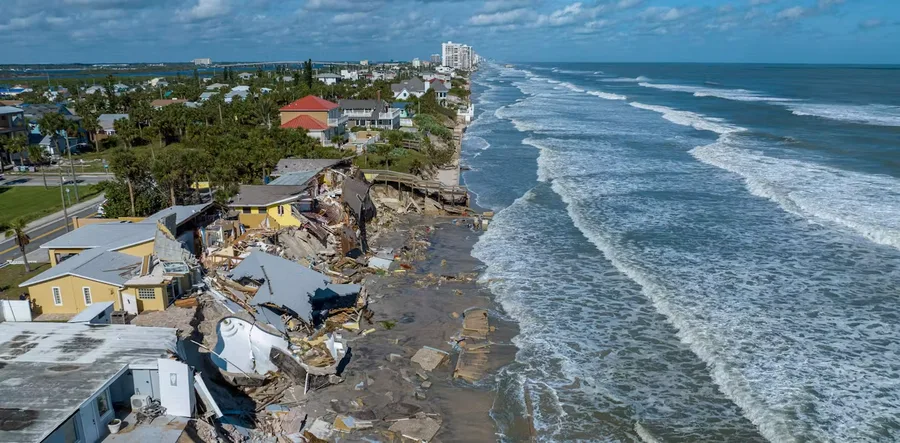
The Defense Meteorological Satellite Program has been particularly important for understanding when a hurricane is about to rapidly intensify, a dangerous situation for coastal communities.
Richard B. (Ricky) Rood·...·University of Michigan
29d ago
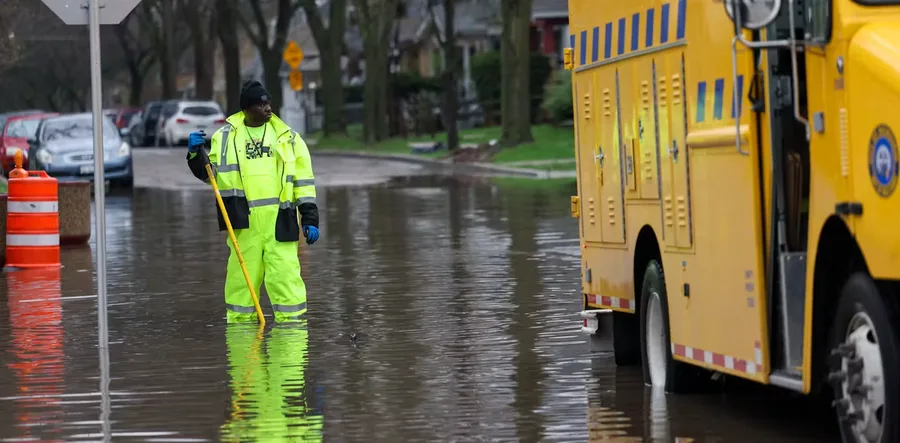
Days of intense rain and snowmelt overwhelmed old dams and breached roads, forcing evacuations. Nearly half the counties in Michigan – often seen as a climate haven – were under a state of emergency.





 research.io