Quantum physics – The Conversation


Scientists thought there was no way to verify the ‘quantumness’ of the enigmatic ‘spin’ just by watching it rotate – until now.

Quantum entanglement is the stuff of sci-fi, advanced physics research and, increasingly, technology used by governments, banks and the military.

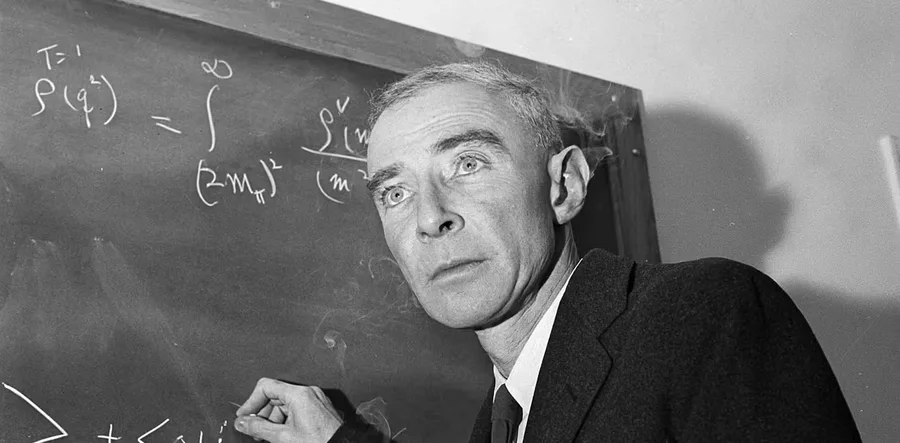
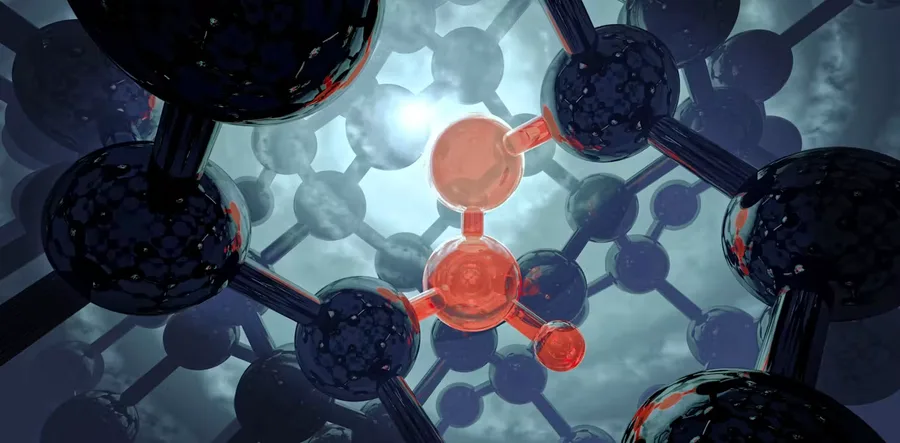
Remember building model molecules with balls and sticks in chemistry class? You have J. Robert Oppenheimer to thank for that, as a quantum chemist explains.

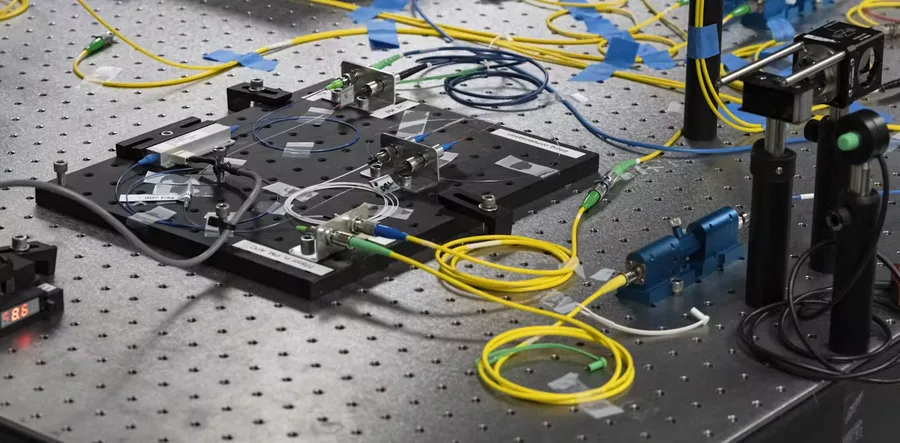
Quantum information theory is the field behind quantum computing, but experts in this field are also applying their way of thinking to some big questions in quantum physics.


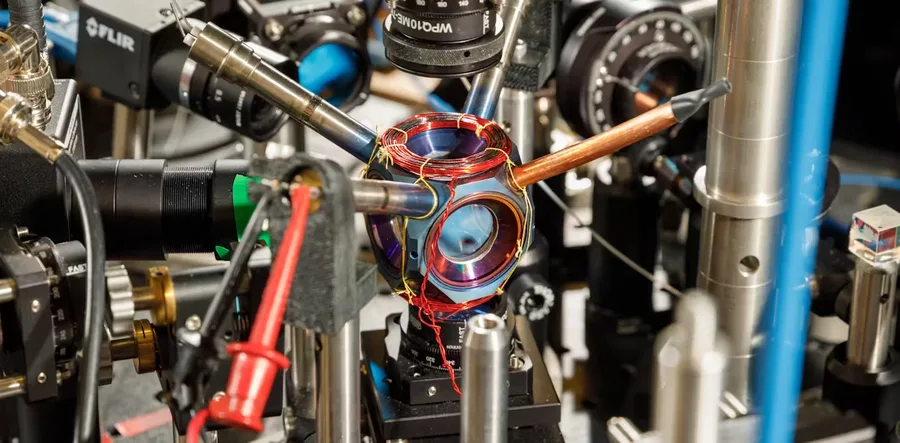
Physicists have found a way to redistribute uncertainty in quantum measurements, paving the way for ultra-sensitive atom-scale sensors.

A cultural collaboration with deafblind people led to the development of a high-tech device to help navigate their world post-lockdown

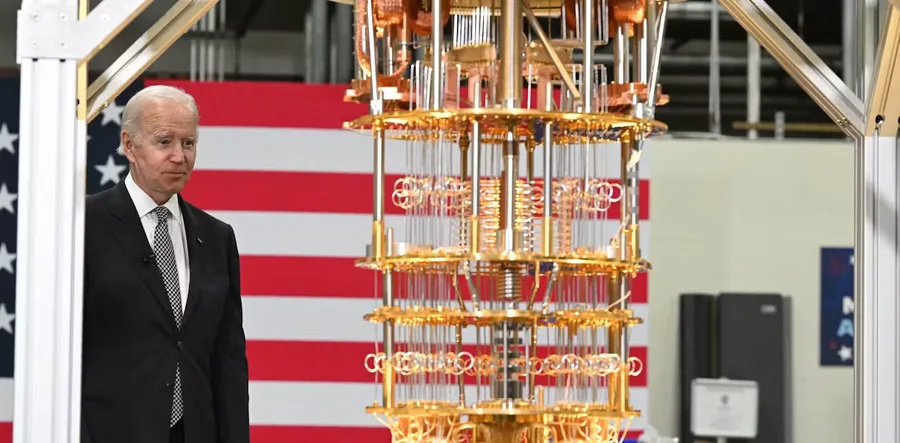
Tech giants, major powers and top research universities are all in a race to build viable quantum systems. Why now?

Canada is well positioned to gain far-reaching economic and social benefits from the rapidly developing quantum industry, but it must act now to secure its success.

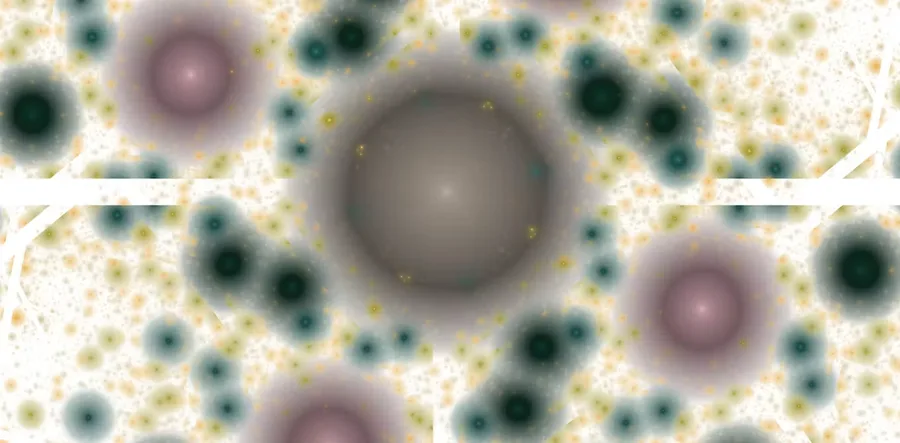
Regular matter makes up just one-sixth of all the matter in the universe. What would it mean to finally understand what makes up the rest?

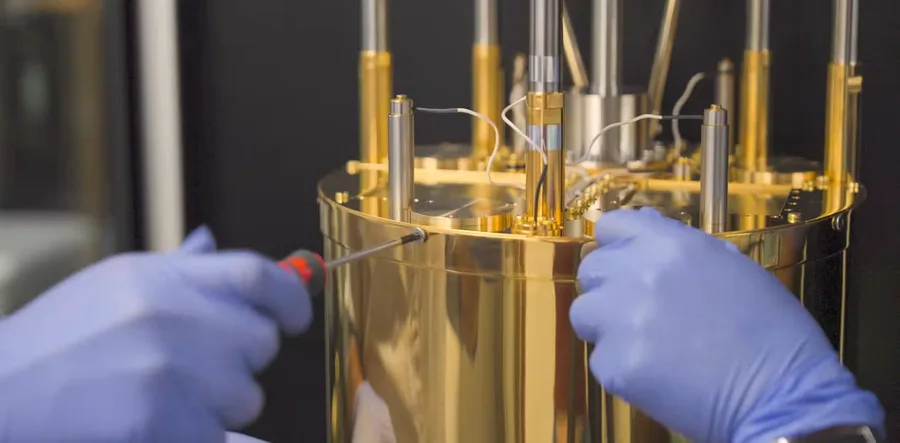
Quantum computers are still a work in progress but quantum sensors are already in use at hospitals, laboratories and by defense contractors.

Several companies have made quantum computers, but these early models have yet to demonstrate quantum advantage: the ability to outstrip ordinary supercomputers.


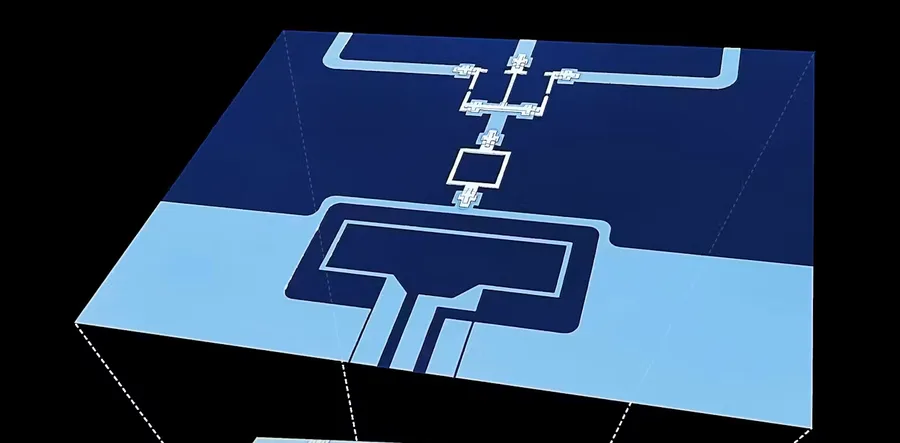
The discovery that superconducting circuits can behave like quantum particles was a revolutionary development in the field of quantum technologies.

Quantum leaders are curious, adaptable and tolerant of ambiguity and uncertainty.

Examining microscopic quantum objects is exceedingly tricky, because their properties are connected to each other. But there could be a new method to measure them as accurately as possible.


Quantum computing has huge promise from a technical perspective, but the practical benefits are less clear.

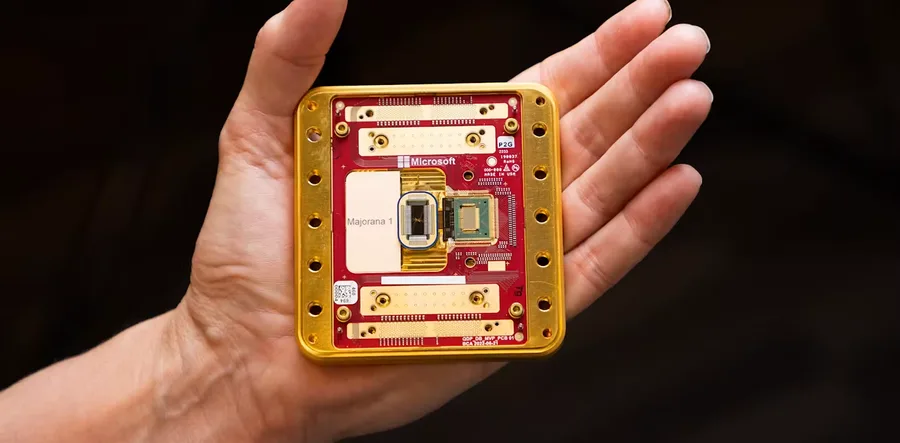
A new “topological” approach to quantum computing may address longstanding challenges with the technology.