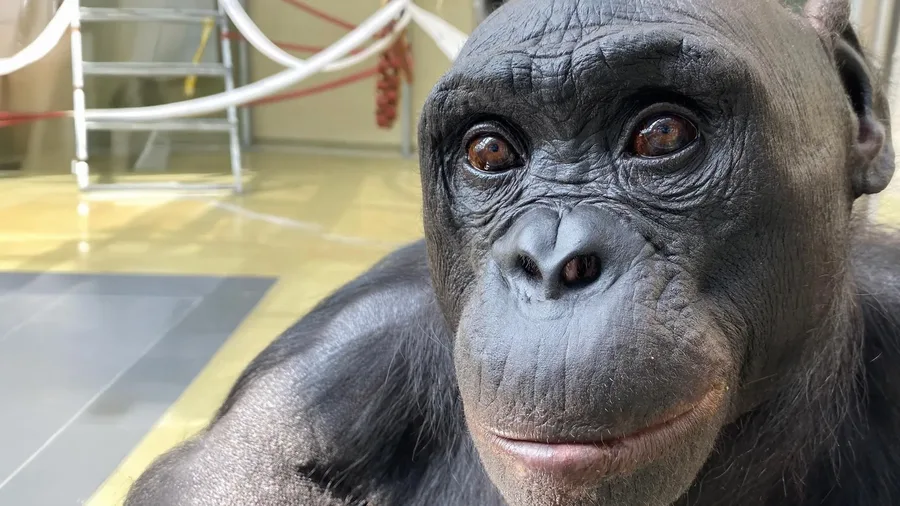
A bonobo named Kanzi surprised scientists by successfully playing along in pretend tea party experiments, tracking imaginary juice and grapes as if they were real. He consistently pointed to the correct locations of pretend items, while still choosing real food when given the option. The results suggest that imagination may not be exclusive to humans after all.
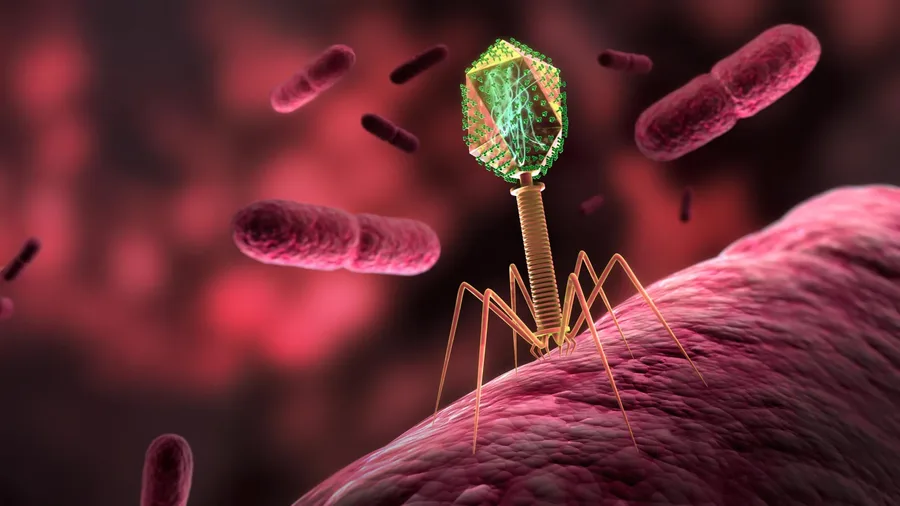
When scientists sent bacteria-infecting viruses to the International Space Station, the microbes did not behave the same way they do on Earth. In microgravity, infections still occurred, but both viruses and bacteria evolved differently over time. Genetic changes emerged that altered how viruses attach to bacteria and how bacteria defend themselves. The findings could help improve phage therapies…
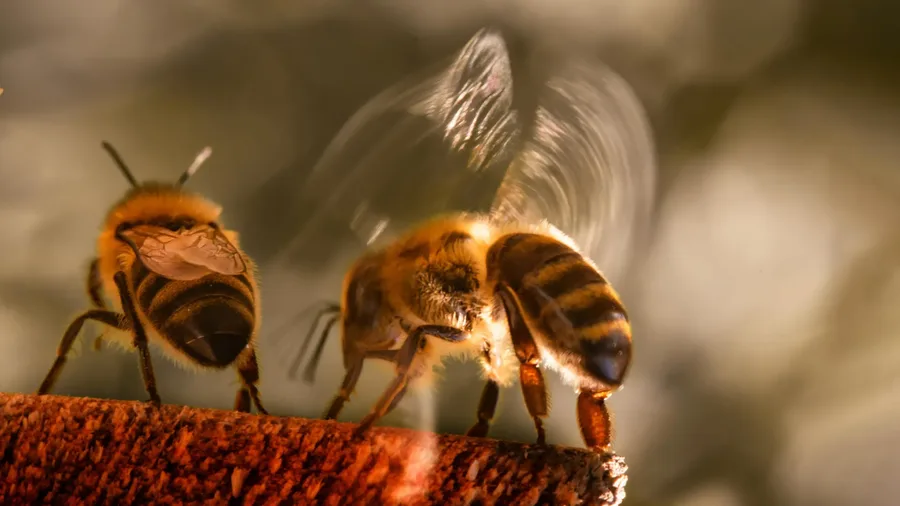
Honey bees can normally keep their hives perfectly climate-controlled, but extreme heat can overwhelm their defenses. During a scorching Arizona summer, researchers found that high temperatures caused damaging temperature fluctuations inside hives, leading to population declines. Smaller colonies were hit hardest, experiencing the most severe swings. As global temperatures rise, heat waves could …
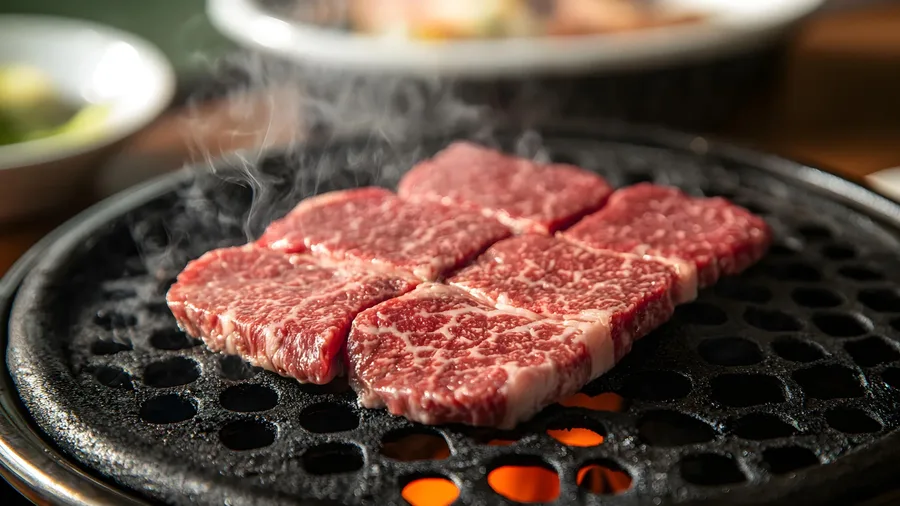
A groundbreaking cattle genome has given researchers their clearest look yet at what makes Wagyu beef so special. By uncovering hundreds of new genes and hidden genetic variations, scientists can now pinpoint traits linked to marbling, health, and productivity with far greater accuracy. The advance could boost profits for beef producers while improving breeding outcomes across many cattle breeds.…
Scientists have identified a brand-new species of worm living in the Great Salt Lake, marking only the third known animal group able to survive its extreme salinity. The species, named Diplolaimelloides woaabi with guidance from Indigenous elders, appears to exist only in this lake. How it got there remains a mystery, with theories ranging from ancient oceans to birds transporting it across conti…