Alexander Smith·...·Worcester Polytechnic Institute
3d ago
Some Californians want to ban people from living in wildfire-prone areas. Behavioral economics offers a less heavy-handed approach to reducing the costs and risks.
Ninety percent of psychology studies come from countries representing less than 15 percent of the world’s population. Researchers are realizing that universalizing those findings might not make sense.
Konrad Grabiszewski·...·Prince Mohammad Bin Salman College (MBSC) of Business & Entrepreneurship
3d ago
Behavioral economists explain how widespread use of face masks, hand sanitizer and other preventive measures could counterintuitively encourage riskier behaviors around coronavirus.
Many dog owners have tales of their faithful companion licking away their tears. Researchers investigated whether, beyond being comforting, canines would actually take action to help an upset owner.
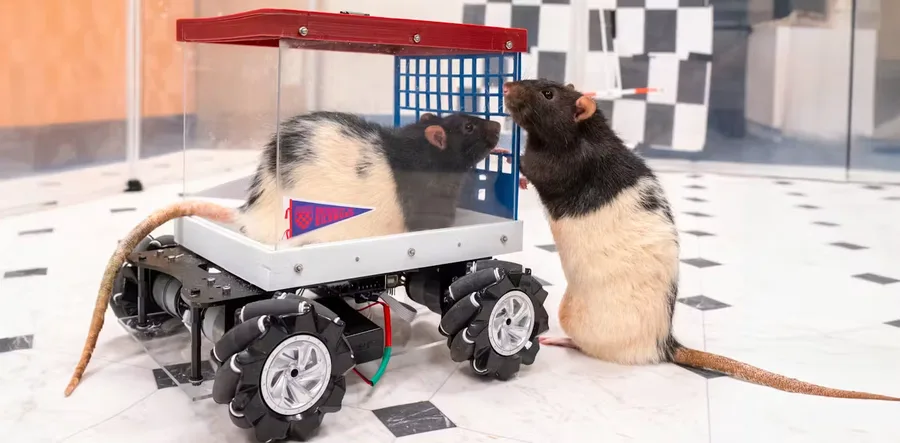
Equipped with a rodent version of a Cybertruck, these driving rats reveal that positive experiences may sculpt the brain just as powerfully as stressful ones
Governments and companies are using incentives in hopes of getting more Americans to get a COVID-19 shot. A behavioral economist explains how they work.
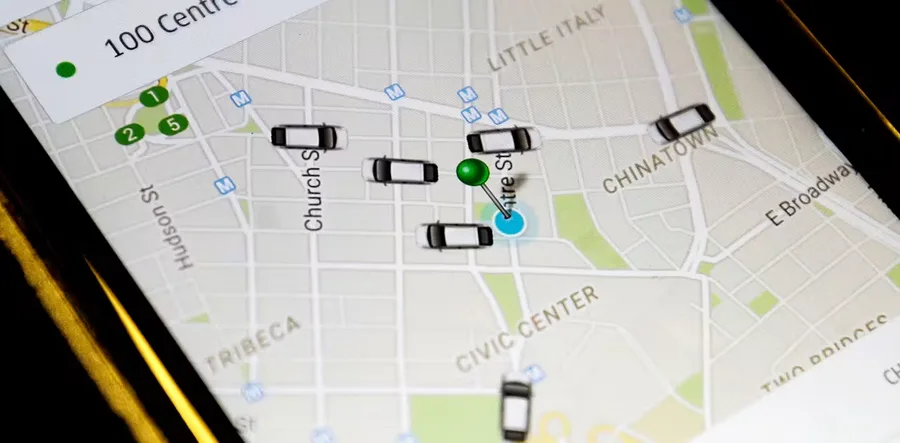
Uber’s IPO will value the company at more than $80 billion, yet the data it collects on its users may be worth even more – and creates the potential for dangerous manipulation.
Mirrors, selfies and knowing other people are looking at you all cause people to think of themselves as objects. Video calls are all three in one and are likely increasing the harms of self-objectification.
You don’t need to be a rebel to defy. Defiance isn’t about personality, it’s a practice – one that’s becoming essential in workplaces, politics and everyday life.
Joshua B. Grubbs·...·Bowling Green State University
3d ago
‘Sex addiction’ isn’t a diagnosable disorder, but the turmoil religious men feel over the disconnect between their sexual values and behavior can lead to real psychological distress.
Animals can be born with genetic or developmental issues that make it hard for them to live normal lives. They also can develop mental health problems in response to conditions around them.
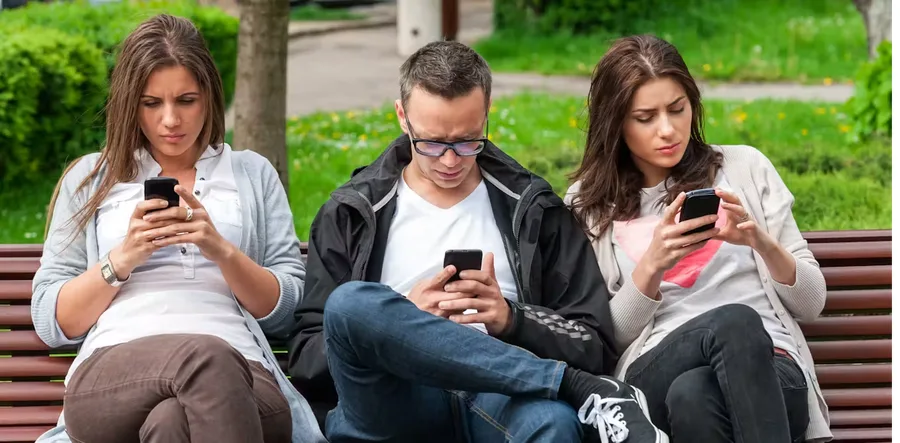
Americans are spending almost three and a half hours on their phones and tablets every day, twice the amount just five years ago. A behavioral scientist offers a few tips on how to take control.


















 research.io