Mines Newsroom has moved to mines.edu/news! Visit the new site to see how Colorado School of Mines is driving innovation in critical minerals, energy, quantum and more.
Colorado School of Mines is integrating AI into the undergraduate educational experience in ways that reflect how technology is transforming engineering, science and industry.
Colorado School of Mines experts lead global research in critical minerals economics and policy, analyzing supply chains, market forces and national security policy.
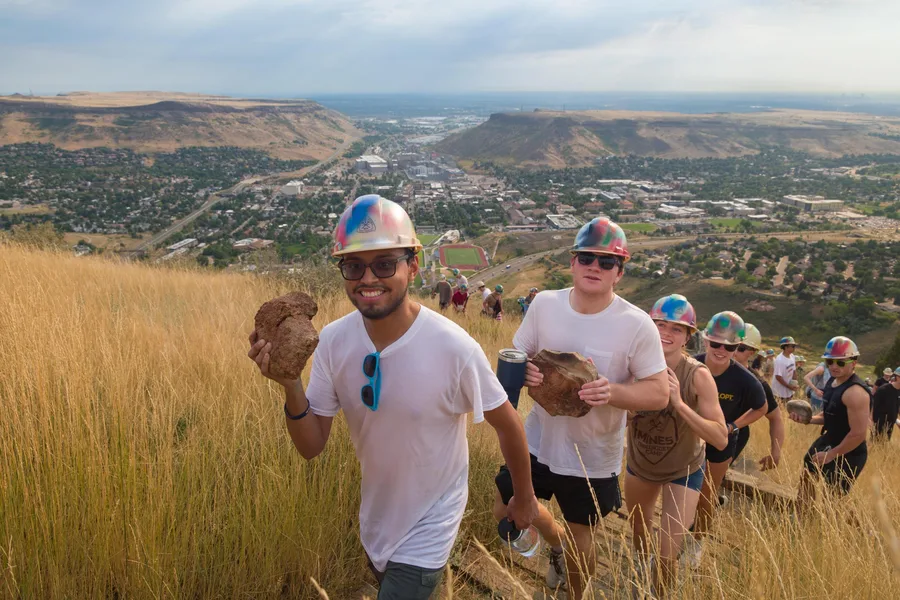
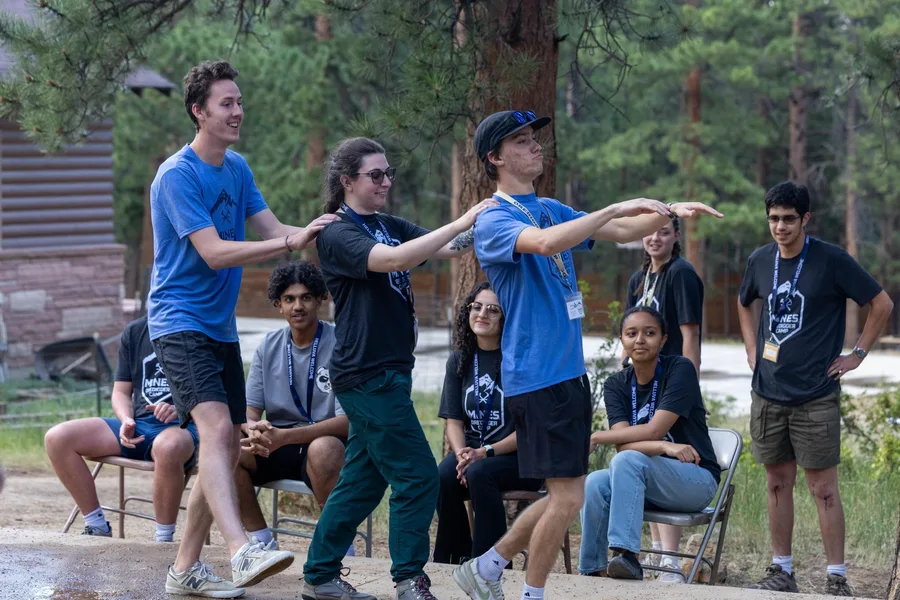
From 195 students in 2017 to the entire incoming class today, Oredigger Camp celebrates a decade of building community for new Colorado School of Mines students.
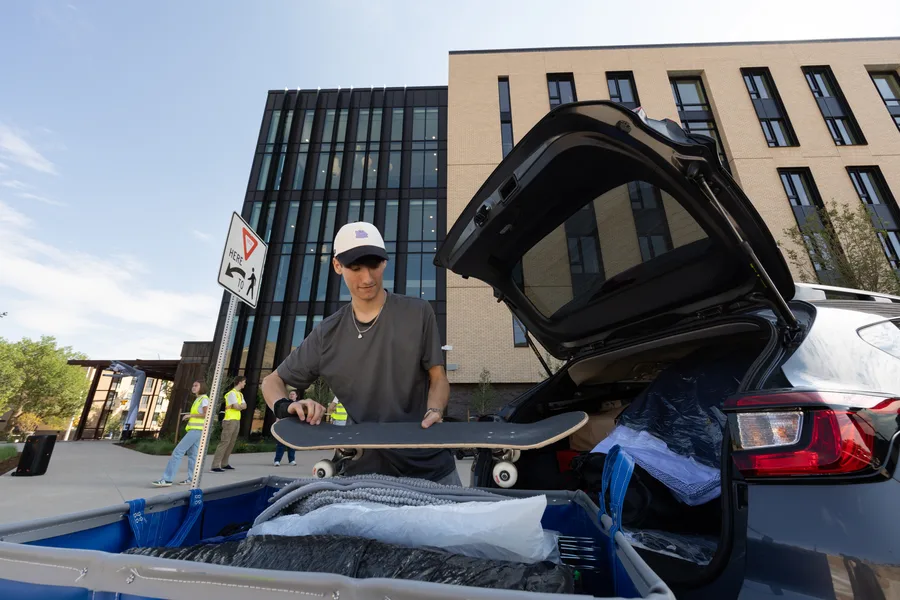
New sophomore residence hall at Colorado School of Mines brings 800 students on campus with apartment-style living and amenities for all Mines students.
Colorado School of Mines was awarded $32.7 million in federal funding to open a critical minerals innovation hub and strengthen the U.S. mining workforce.
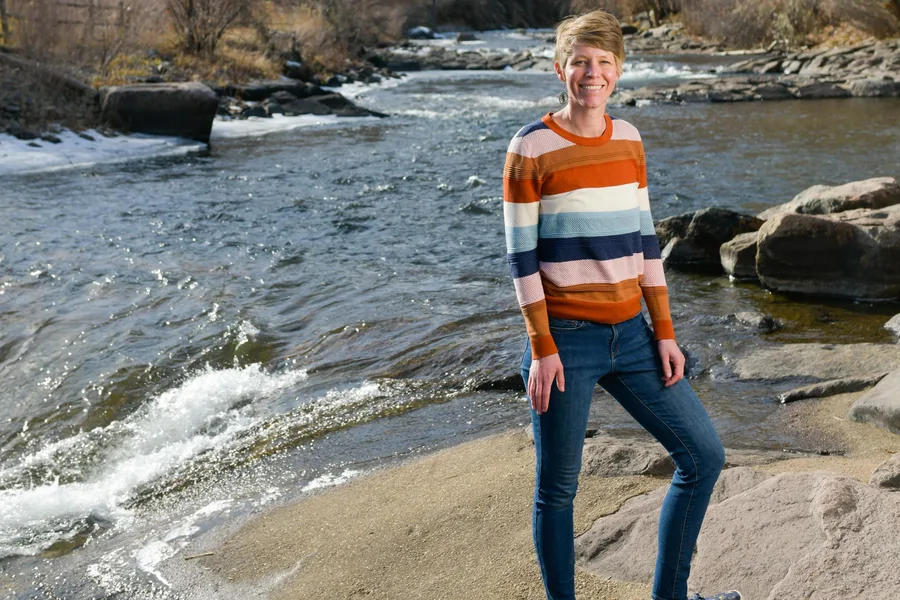
Colorado School of Mines researcher Adrienne Marshall earned an NSF CAREER Award to study Western U.S. snowpack, improving long-term forecasts for water resources and climate resilience.
One of the biggest challenges in the U.S. critical minerals supply chain is in recovering valuable materials not only from traditional sources but also from resources that have already been mined.
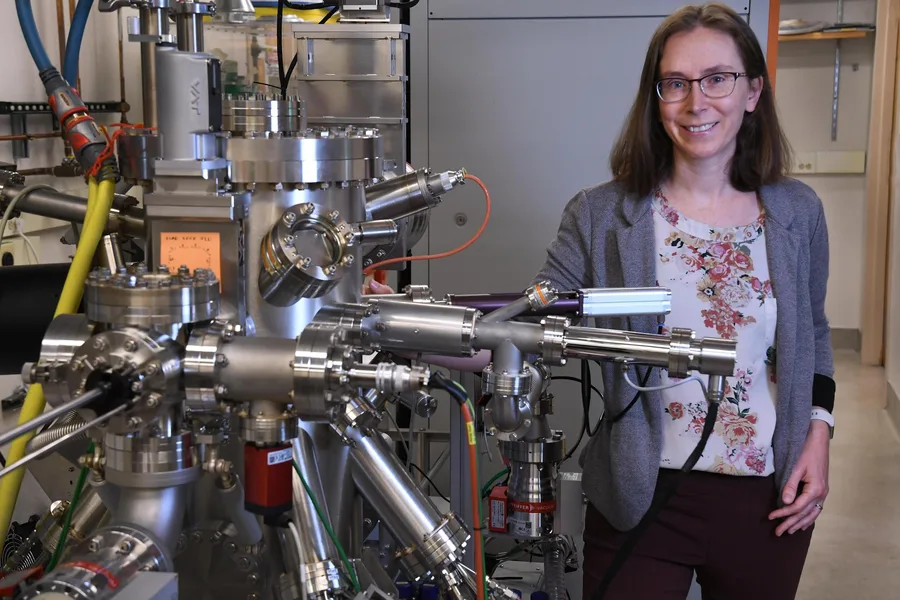
Colorado School of Mines metallurgists are leading the way with creative new recovery and recycling methods, developing innovations in retrieving metals from end-of-life batteries, secondary resources l…
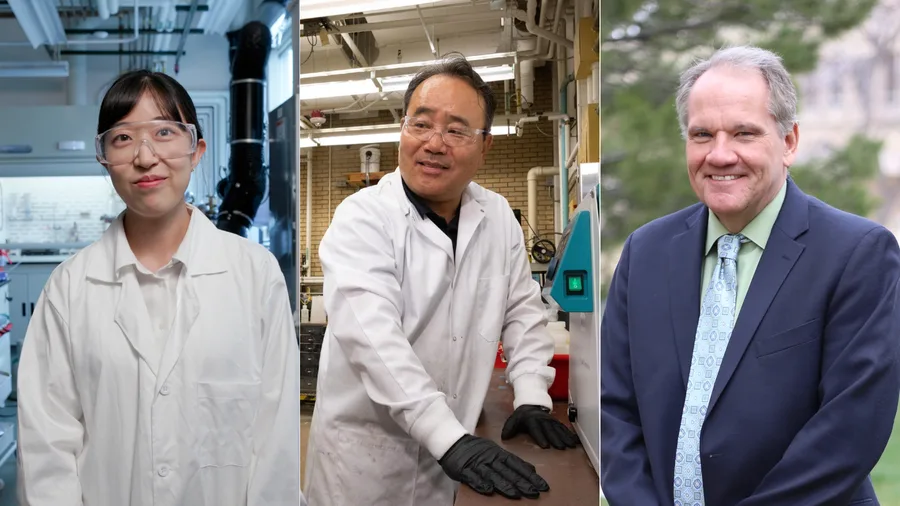
Colorado School of Mines faculty earn three NSF CAREER Awards advancing materials engineering research in steel, quantum materials and critical minerals.
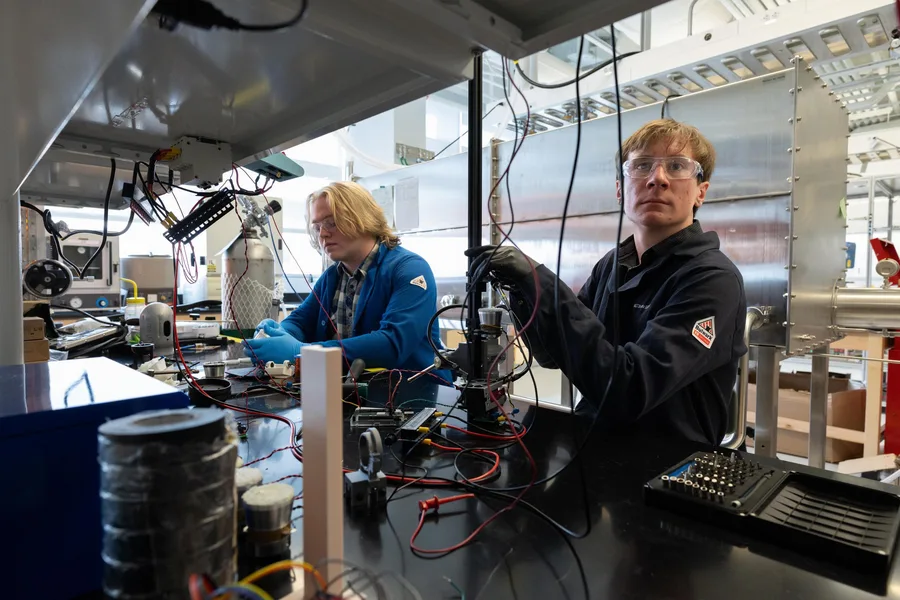
Acoustic levitation is powering FUSE, a student-developed system at Colorado School of Mines that could accelerate materials synthesis while reducing contamination.
Each summer, lawns are marked by a familiar addition: “silly sprinklers,” whose loops and spirals spew water in creative ways. While seemingly frivolous in their construction, a team of mathematicians from Colorado School of Mines and New York University has used their design to address a long-standing mystery surrounding the laws of physics.
For decades scientists have been trying to solve Feynm…
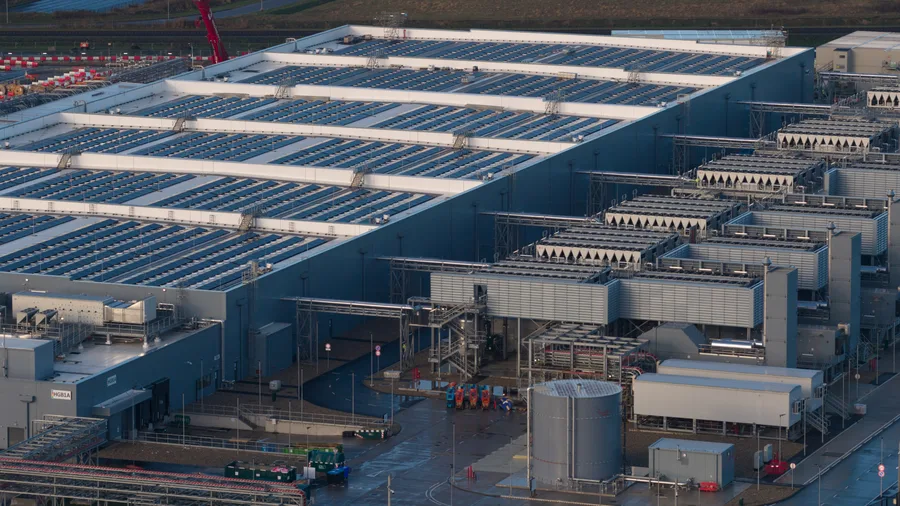
AI is driving an unprecedented expansion of data centers across the U.S., creating challenges for electric utilities, energy producers, policymakers and communities.
While data centers have long been part of the digital economy, the massive computing power required for AI applications is increasing electricity demand. The International Energy Agency projects global data center electricity consump…
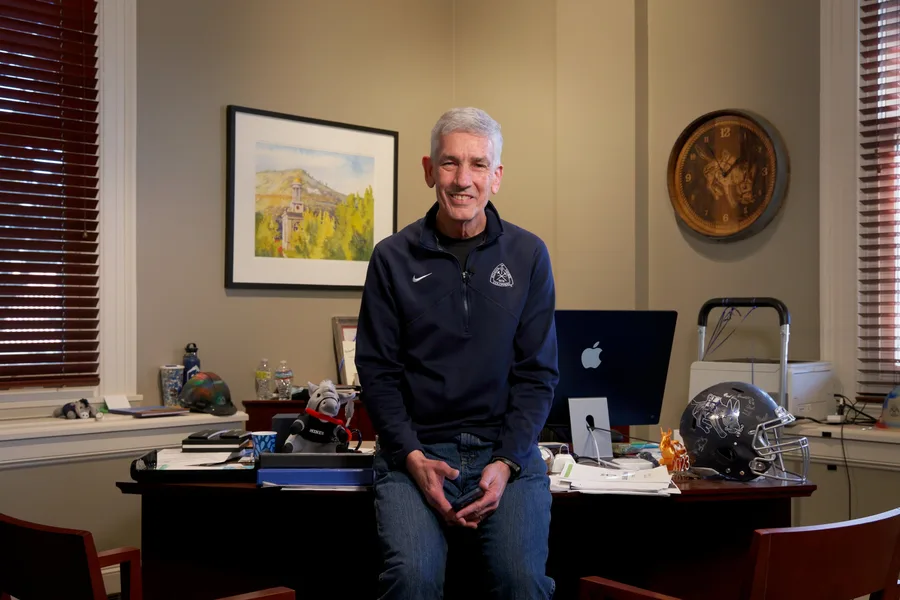
Colorado School of Mines President Paul C. Johnson breaks down why Mines leads on critical minerals research, from new campus investments to the alumni network shaping national mineral strategy.
Two Colorado School of Mines students have been named 2026 Astronaut Scholars. The two were part of a class of 79 students selected from 54 universities around the country.
Samuel Orgeldinger, junior in mechanical engineering, and Anna Williams, senior in geophysical engineering, were honored by the Astronaut Scholarship Foundation. The foundation honors outstanding STEM students in their underg…


 research.io