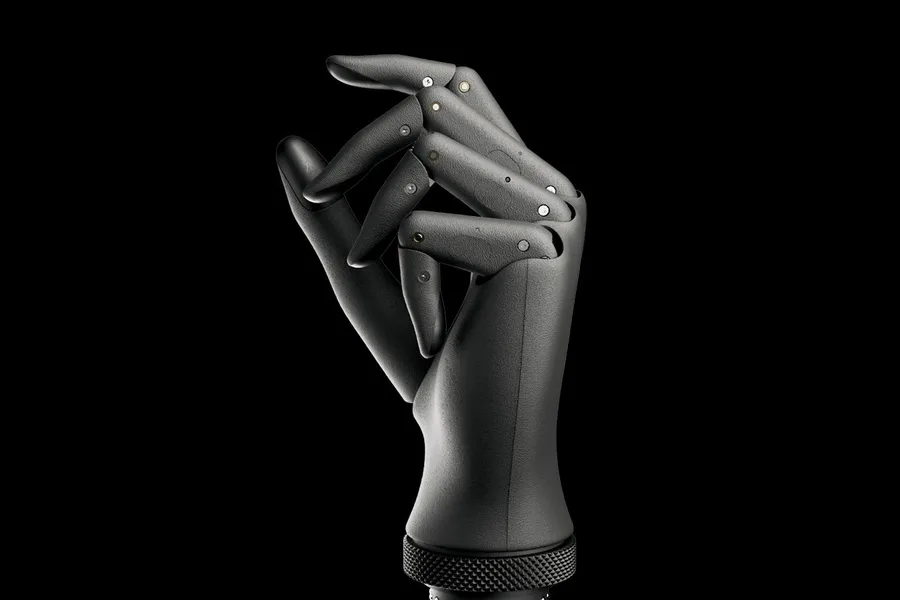
Injuries from the war in Ukraine have forced the country to develop highly advanced prostheses and fit them in record numbers. What can the rest of the world learn from its efforts?
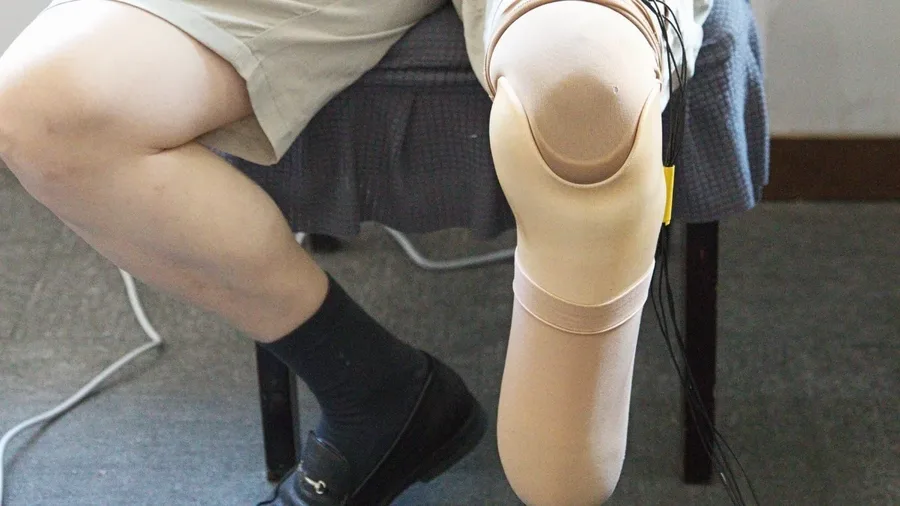
Lower extremity loss affects nearly 150,000 individuals in the United States yearly yielding extreme health care costs annually. Typically, prosthetic devices are prescribed for 5-8 years despite known changes to an individual’s gait as time progresses. Patients can expect to undergo approximately 8-12 weeks of gait retraining to improve their comfort and efficiency. Biomechanical changes occur w…
Humans can accurately sense the position, speed, and torque of their limbs, even with their eyes shut. This sense, known as proprioception, allows humans to precisely control their body movements. Despite significant improvements to prosthetic devices in recent years, researchers have been unable to provide this essential sensation to people with artificial limbs, limiting their […]
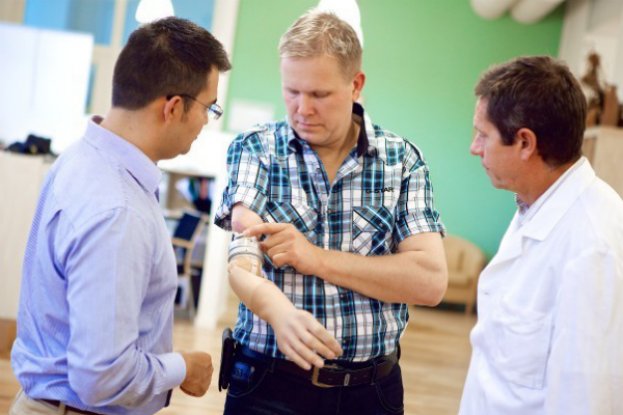
Mind-controlled prosthetic limbs that work outside the lab are now a reality, with a Swedish man becoming the first recipient of a fully implanted device in the world.
The prosthetic arm was developed by Swedish scientists, and is the first ever to plug directly into a patient's bones, nerves and muscles, and translate their thoughts into action.
It was implanted into a Swedish amputee in January…