Soil – The Conversation


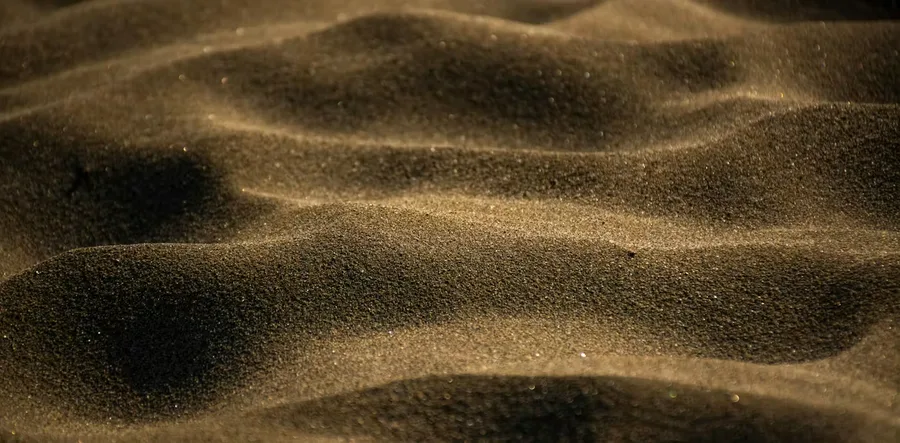
Understanding the movement of granular materials can help with everything from modelling landslides to shifting grains in silos.

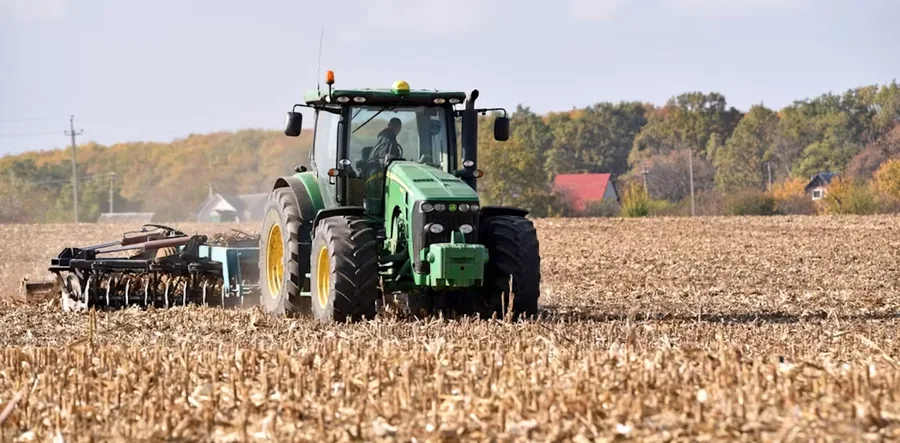
Improved manure recycling is one measure being proposed that could help Ukraine’s soil recover from misuse of fertilisers.

Microbial ecology helps explain how ecosystems respond to environmental pressures.


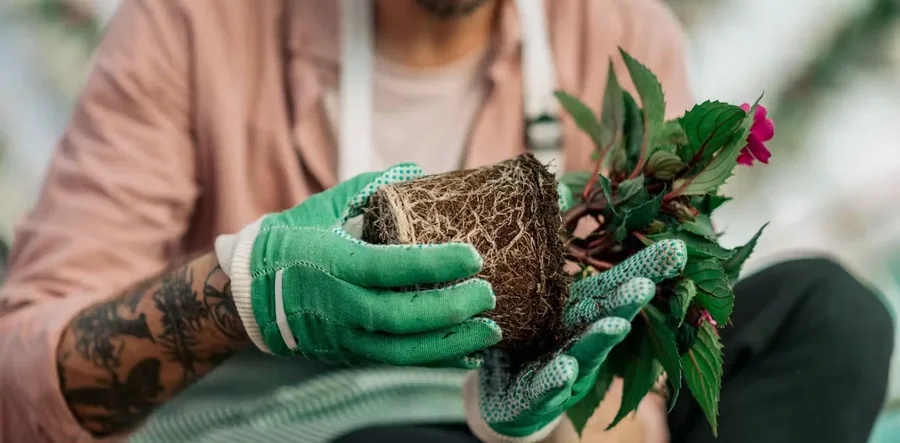
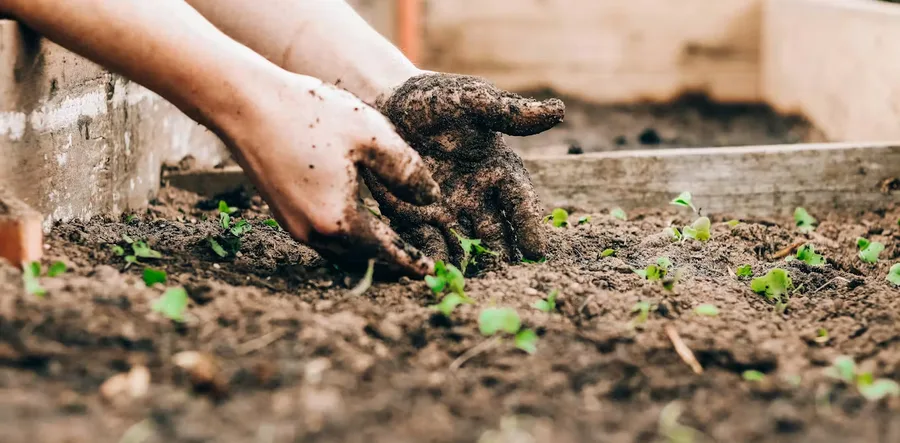
While contamination in soil is real, the benefits of gardening outweigh it, and there are plenty of simple, affordable steps gardeners can take to protect themselves.

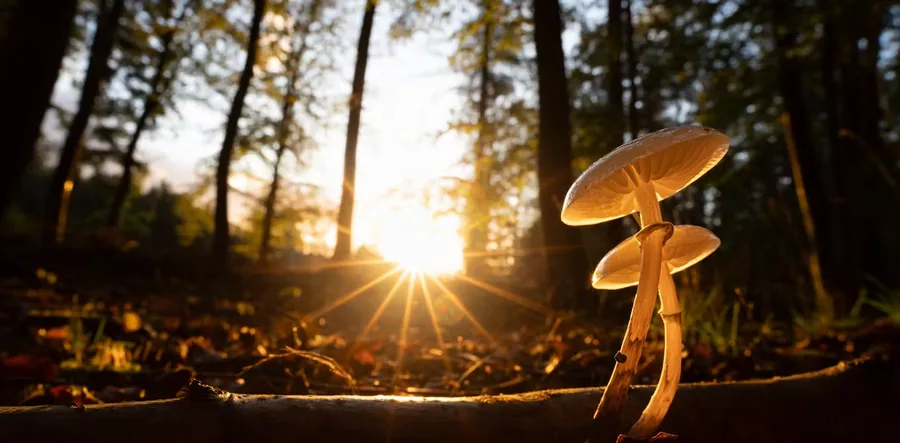
A new study provides a crucial baseline: the first global map of where these fungal networks are and how much of them exists.

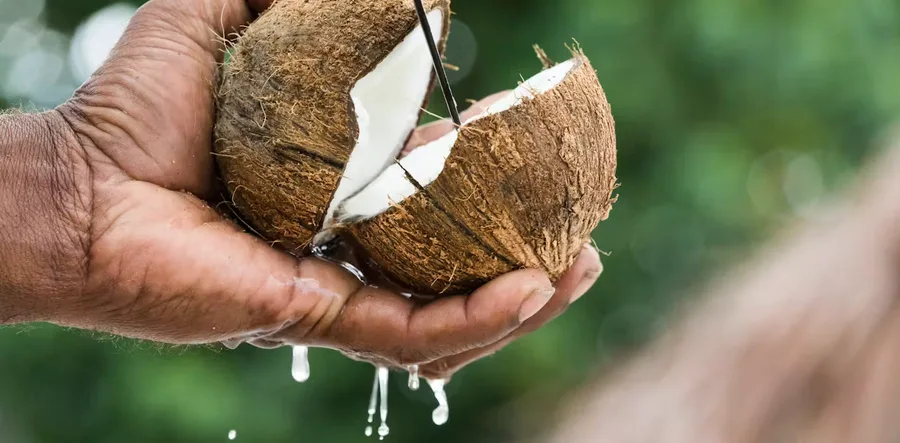
Coconut water is a filtered and nutrient-rich clear liquid formed by the tree itself.

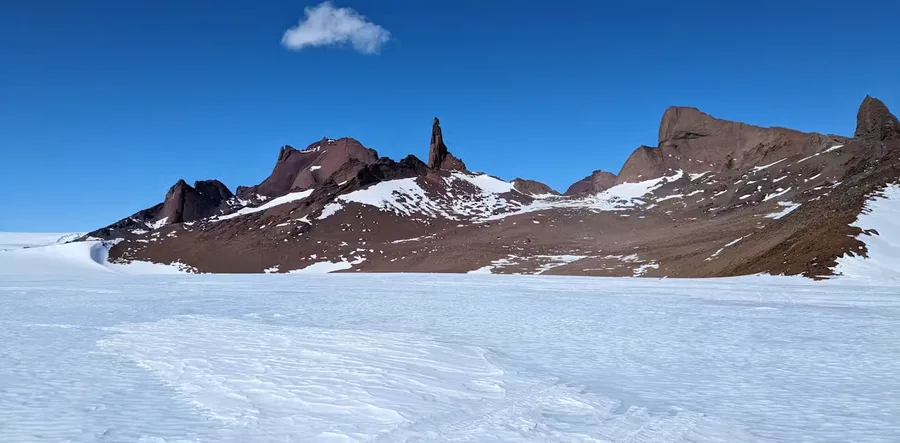
New study provides evidence that Antarctic microbes make energy from the air at temperatures as low as -20°C.

Knowing where best to scale up soil health solutions will help protect people, businesses and ecosystems from extreme events.

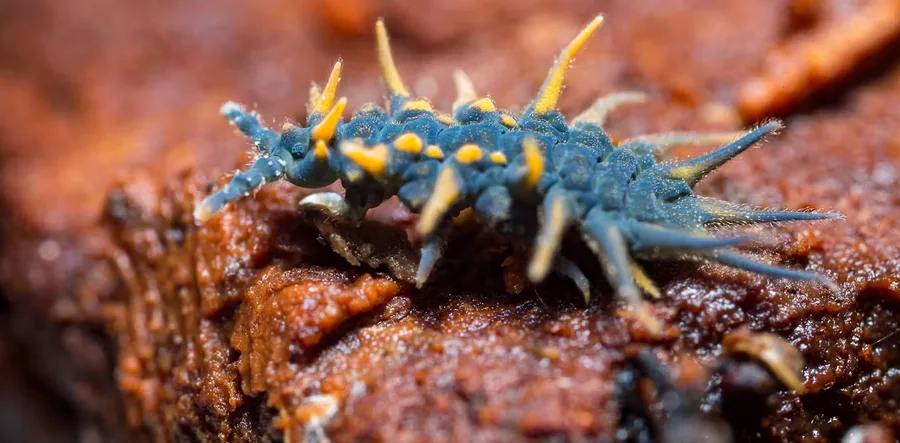
These tiny critters have shaped the health of our planet for hundreds of millions of years.

As soils become saltier, roots are deploying remarkable survival strategies that could help safeguard future food supplies.

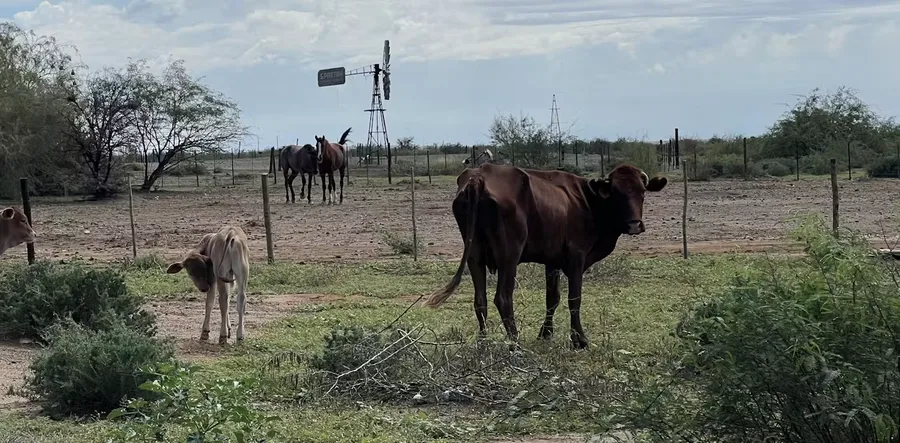
Mesquite tells a story about unintended consequences; but it also shows how careful, collaborative responses can lead to solutions for people and the environment.

From Paris in 2015 to Belem in Brazil in 2025, soil is slowly becoming part of climate policy but more can be done.

Without swift and effective action, composting may become an environmental crisis, rather than a solution.

Aridity is silently spreading through many of the world’s cocoa-producing regions. There are steps we can take to save them.

Researchers have developed a tool that allows farmers to quickly and affordably test soil samples, get results in real-time, and obtain fertilizer recommendations.

Science can only change the world when societies decide to give it the means to do so.

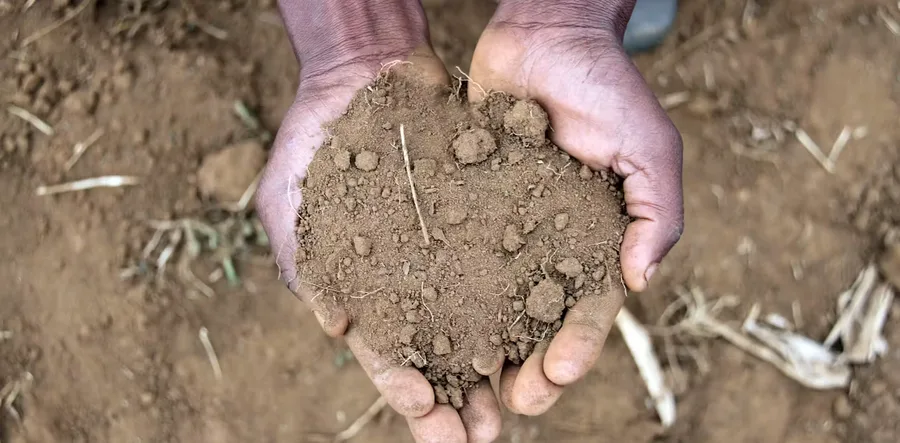
Only 1.5% of soil arriving at waste facilities in England was classed as hazardous, suggesting we are throwing away mostly healthy, usable soil.

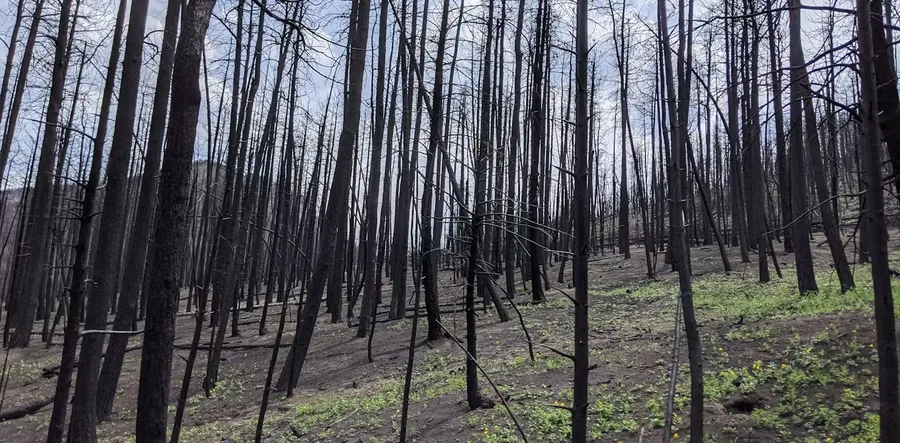
Scientists analyzed water quality in 145 watersheds after wildfires and found dramatic spikes in contaminants.

research.ioSign up to keep scrolling
Create your feed subscriptions, save articles, keep scrolling.