Oceanography – The Conversation


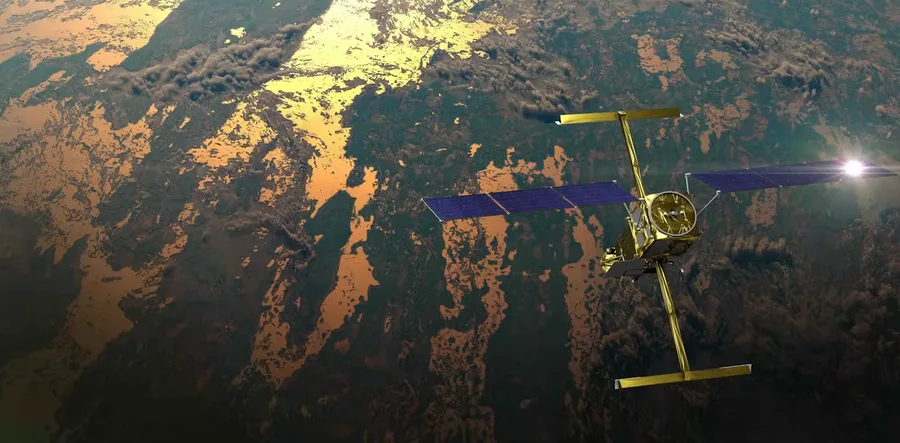
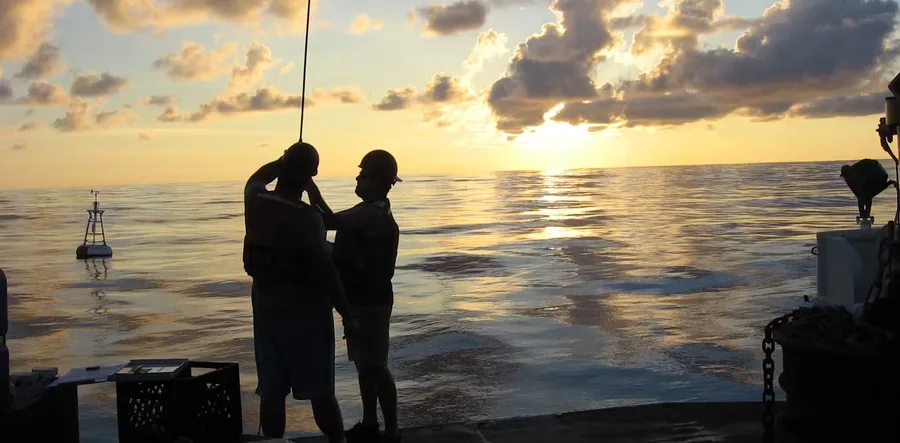
A sea voyage and a satellite mission will combine to produce a more detailed picture of the ocean’s currents than ever before.

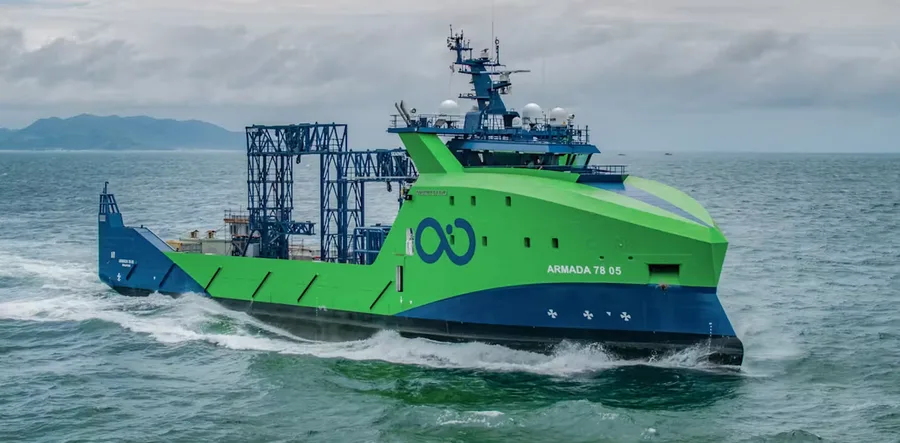
The search will involve a new fleet of underwater robots that can operate independently at depths of up to 6,000 metres for up to 100 hours at a time.

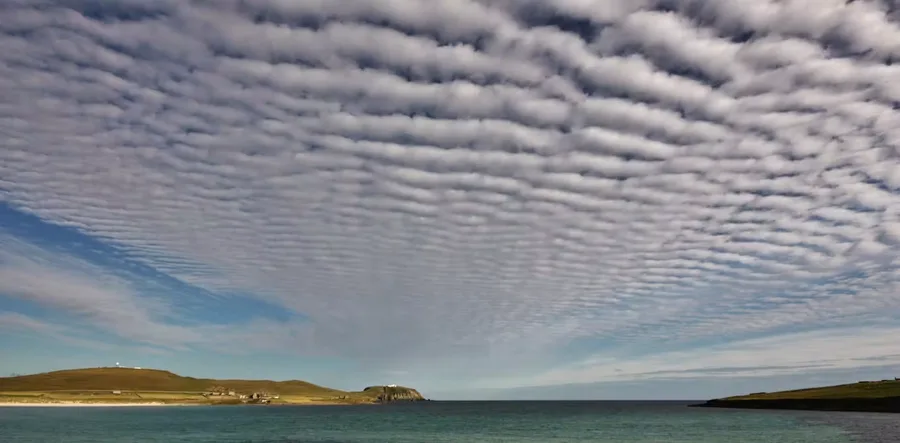
Internal waves can create pretty cloud shapes in the sky, as well as making life unpleasant for passengers on aeroplanes. And in the oceans they can be a deadly hazard to submarines.

Climate change is strengthening the division between the ocean surface and the abyss.

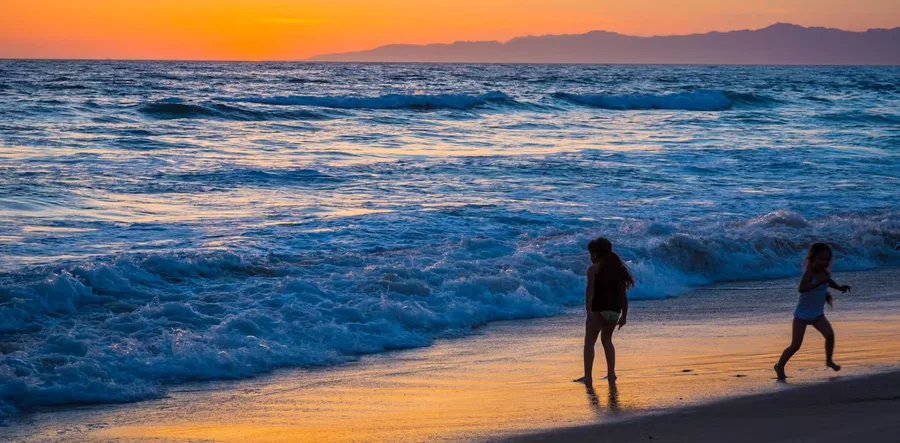
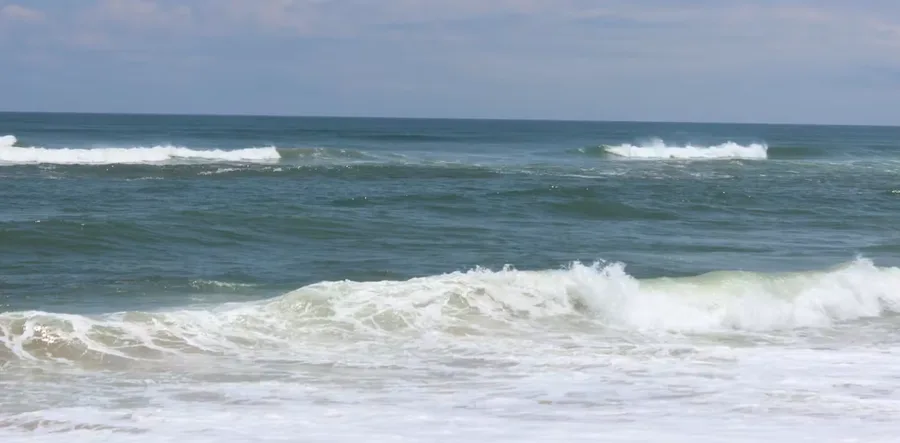
Rip currents are a leading cause of near-shore drownings, but there are effective ways to survive one. And these phenomena also play important ecological roles that are an emerging research area.

Scientists once thought Antarctica might hold onto its sea ice as the world warmed. No longer.

The Global Ocean Observing System informs weather forecasts and climate projections. But funding pressures could create data gaps leaving the world blind.

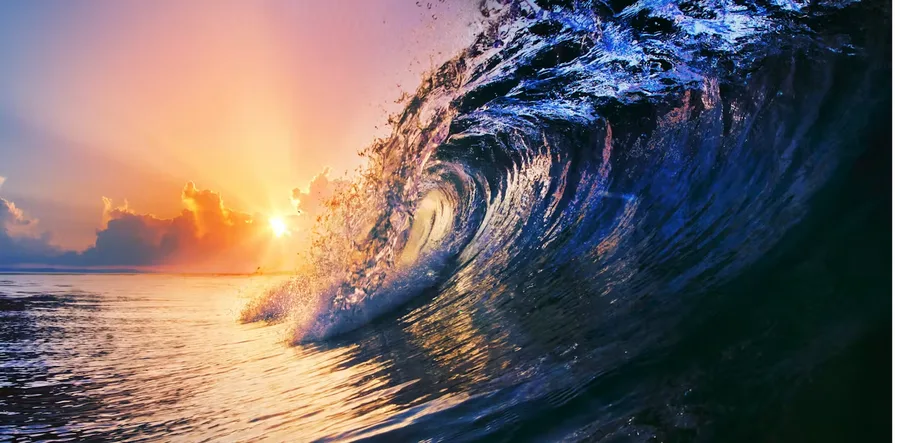
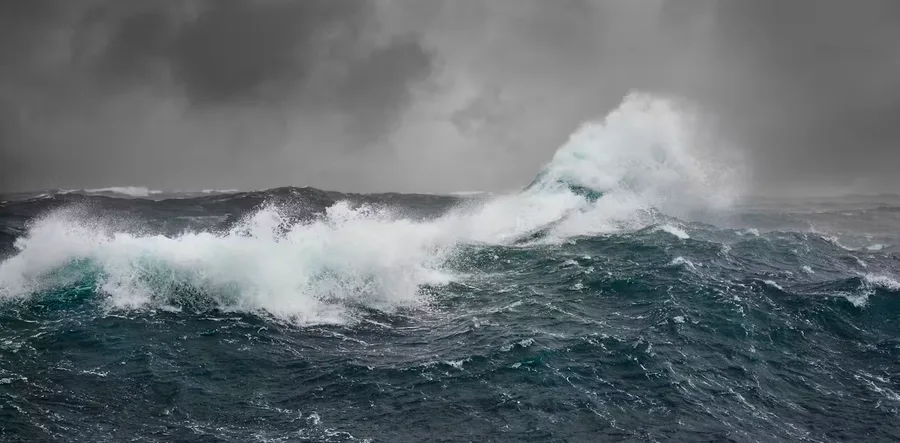
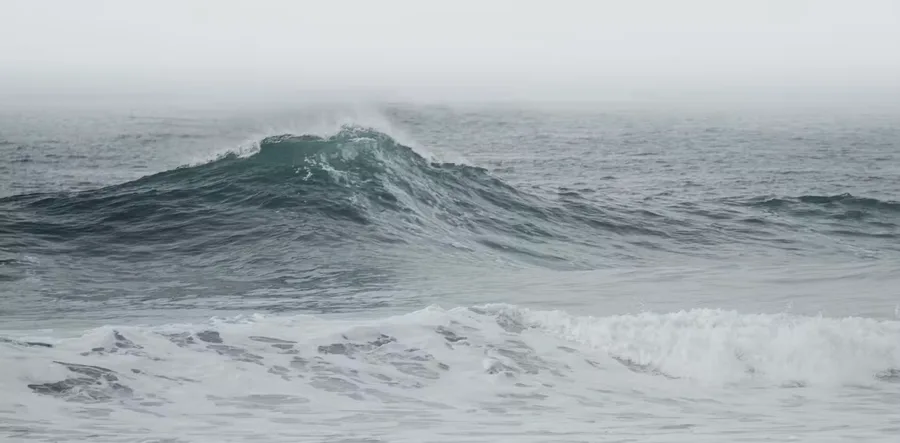
Maritime folklore is awash with tall tales of monstrous waves. A new study gets closer to understanding where they come from and how to predict them.

Expect more extremes and a range of ‘surprises’ to exacerbate the climate emergency.

More than a fifth of the global ocean has gradually lost underwater light. But short, intense “marine darkwaves” can be just as damaging for life below the surface.

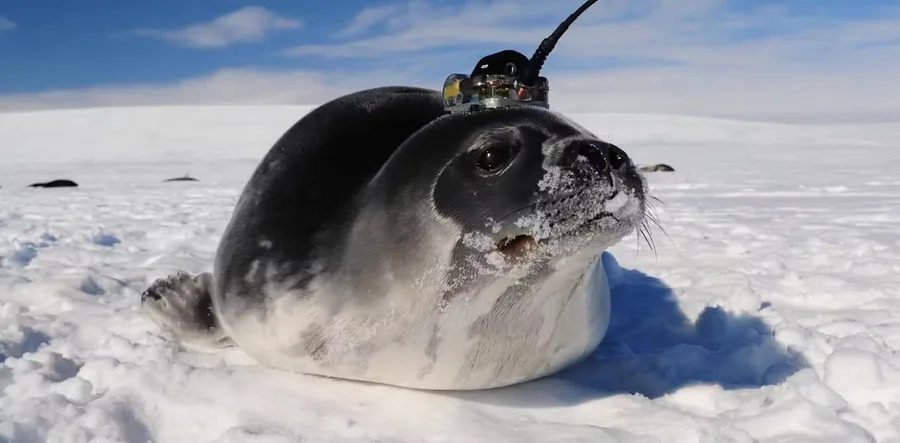
In some of the most remote places on Earth, tags attached to seals collect data at the cutting edge of ocean science.

Marine heatwaves aren’t just on the surface. They can be at their most destructive when they sweep along the seafloor.


How Pacific winds interact with the sea to bring colder waters up from the depths.

Researchers have used lab models to study how rogue waves form, but these don’t always transfer over to the natural world.

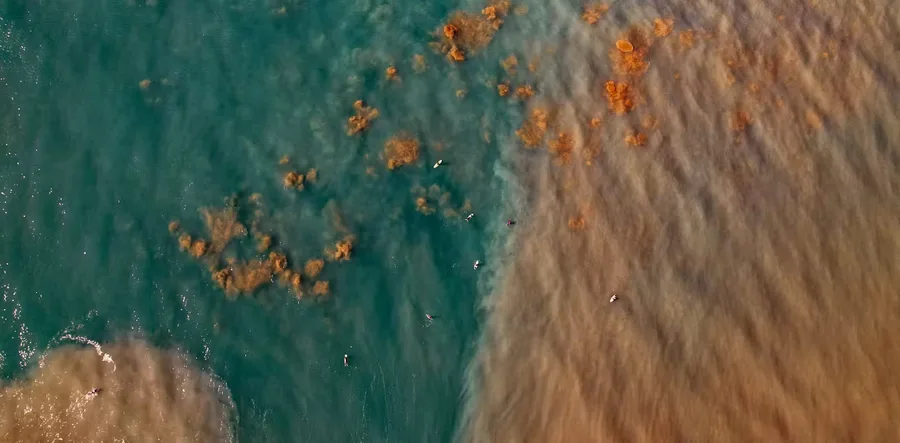
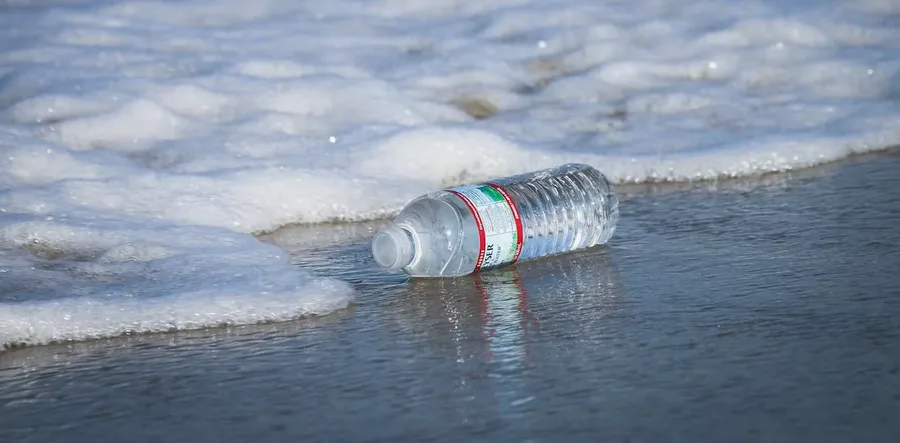
Each bit of plastic takes a unique journey once it reaches the ocean. We’re trying to spot the patterns.

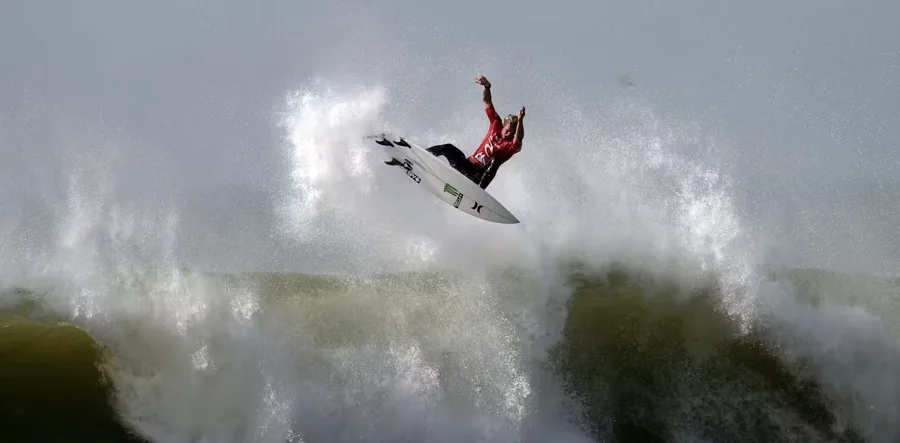
Olympic surfers are coming from around the world to compete in surfing’s Olympic debut. But where will the waves come from?

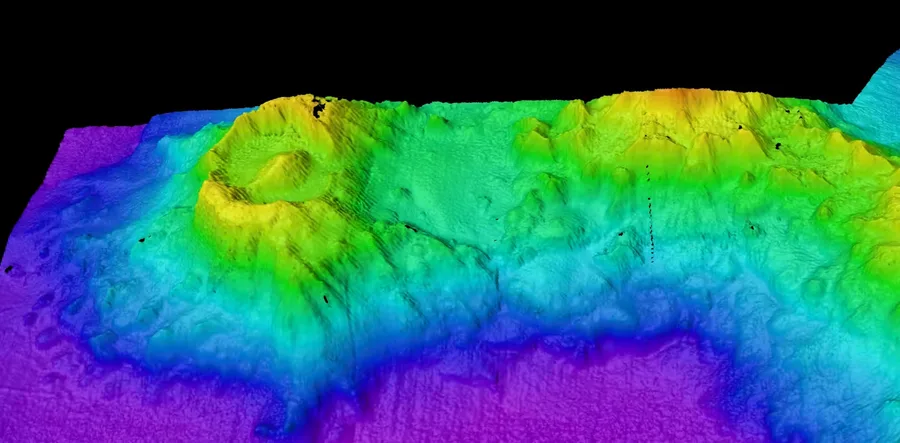
Sonar scans of the Indian Ocean floor south of Christmas Island have revealed a Tolkeinesque landscape of towering peaks, ashen uplands and ominous volcanic craters.

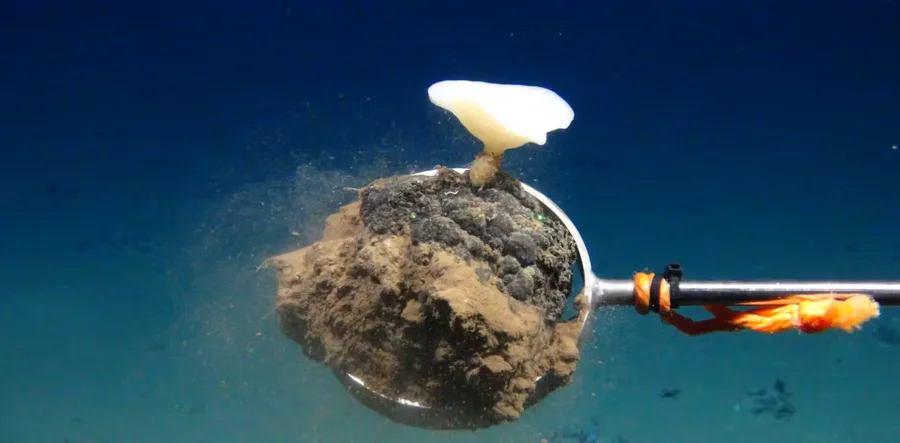
Mining nodules from the deep ocean seabed could provide the metals crucial for today’s EV batteries and renewable energy technology, but little is known about the harm it could cause.

research.ioSign up to keep scrolling
Create your feed subscriptions, save articles, keep scrolling.