Student visa holders face high levels of vetting and monitoring. Escalating those protocols will redirect students to other countries and weaken US global leadership, a scholar argues.
Todd L. Pittinsky·...·Stony Brook University (The State University of New York)
3d ago
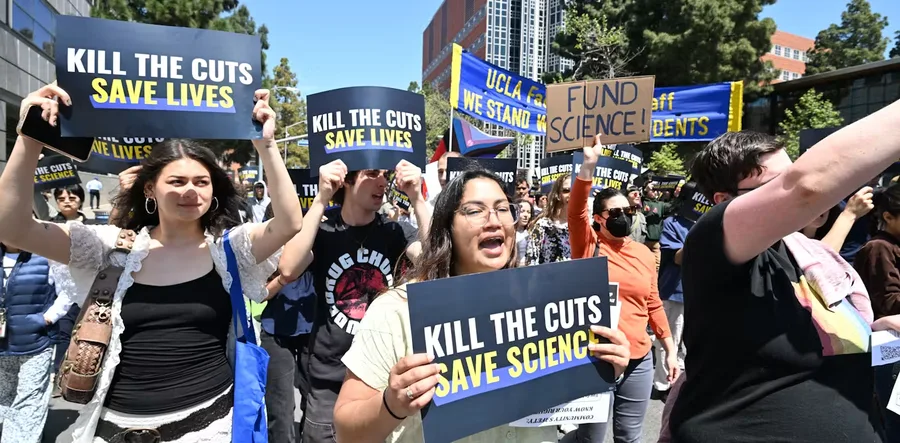
While headlines focus on Harvard and Columbia, state universities train far more STEM students, power the nation’s research engine and have fewer resources to weather sweeping cuts.
Ashesha Weerasinghe·...·Queensland University of Technology
3d ago
From cyber attacks to artificial intelligence, no business can ignore the role of technology. New research shows Australia’s boardrooms are missing key expertise.
A survey of graduate students found that California and New York are the most desirable destinations. Over half of survey-takers said they’d be unwilling to move to Alabama, Mississippi or Arkansas.
Scientists have traditionally focused on educating the public on science or correcting misinformation. But researchers from marginalized communities often have broader goals in science communication.
Women still face discrimination and underrepresentation in STEM fields; receiving mentoring and tools to navigate male-dominated fields can help them succeed.
Stargazing can stimulate an interest in space in kids and lead to a passion for science. But rural schools often lack the resources to nurture these interests.
Students who participated in the virtual Research Experience for Undergraduates at Purdue reported stronger gains in research skills than in-person summer interns.
Chennupati Jagadish·...·Australian National University
3d ago
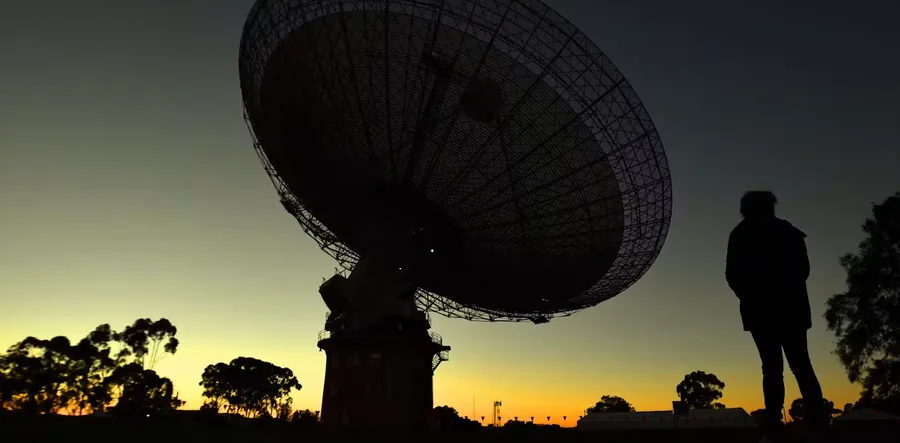
We have gaps – in workforce, infrastructure and coordination – that will cripple our ability to secure a bright future for the next generation, unless we act now.
research.io
Sign up to keep scrolling
Create your feed subscriptions, save articles, keep scrolling.











 research.io