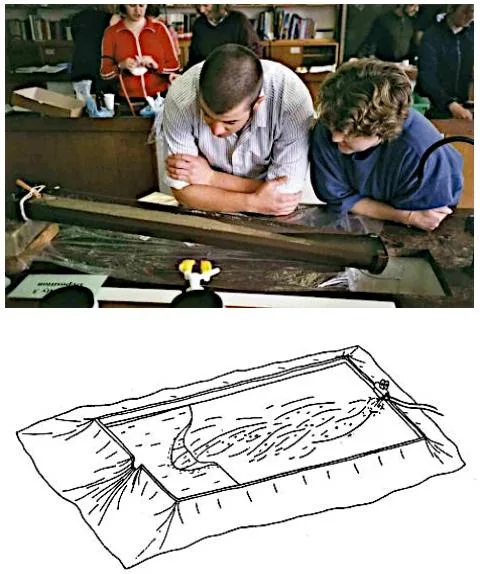
Today's ELI is 'Mighty river in a small gutter; sediments on the move'. This activity investigates the effects of flowing water on loose sediment to see how it is eroded, transported and deposited. A teaching video is available. Other related activities can be found in our Sedimentary Processes category.
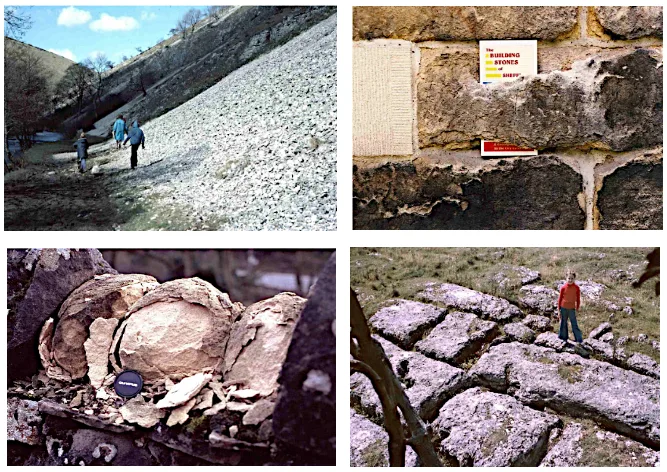
Our ELI for today is 'Weathering- rocks breaking up and breaking down; Matching pictures and descriptions of weathered rocks with the processes of weathering that formed them'. This activity encourages pupils to study the appearance of weathered rocks and to understand the processes which produce weathering. Related activities can be found in our Sedimentary processes in our Earth energy / proces…
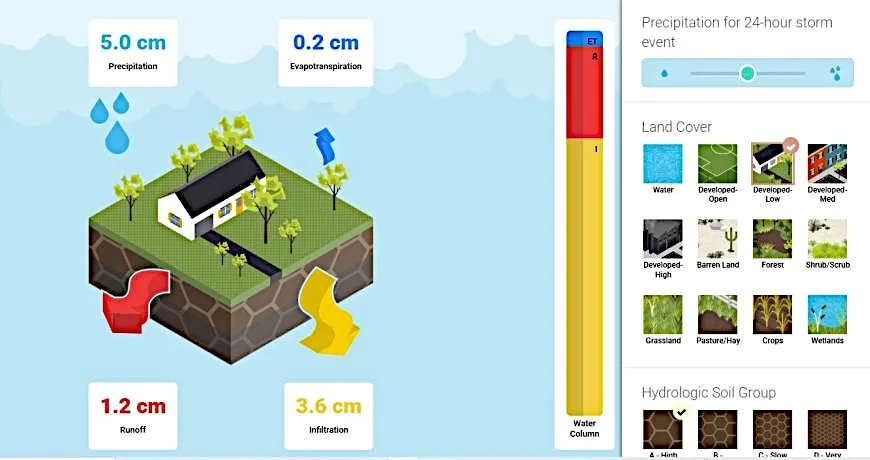
Our new ELI today is 'Soil erosion; a n animated model of the factors affecting soil erosion'. This ELI involves an activity where the students vary the factors affecting soil erosion, via an animated graphic. The animation provides a visual way of learning the effects of several factors in soil erosion. Other activities about soils can be found in our Soils category in Earth materials.
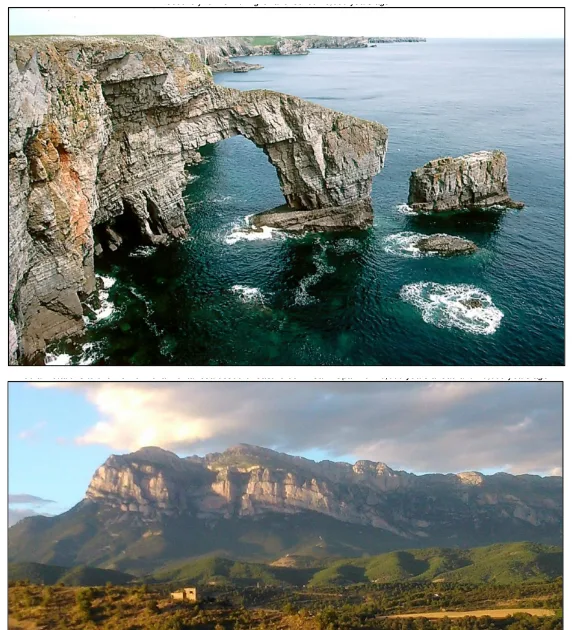
This ELI is useful for teachers planning their lessons. It is also fun to do while out and about. 'View to the future – and the past; u sing a viewpoint or overview educationally'. This ELI provides a strategy for helping pupils to interact with the outdoor environment they are viewing. T hey will examine the landscape for surface processes that attack the land and then they will try to visualise…
Our ELI today is 'What am I made of? - a comparison between the chemistry of the human body and the rest of the Earth'. This activity compares the chemical elements that make up a human body with those that make up the Earth. Notes and possible answers to some of the questions are provided. Related activities can be found in Minerals and Elements in our Earth materials category.
The new ELI today is 'The ocean starts here; follow the current to discover your connection to the ocean... and the fate of litter.' This activity aims to raise students’ awareness of the fact that everything that ends up in road drains (rubbish, other types of pollution), even in inland areas, will reach the ocean via waterways and will eventually be redistributed everywhere by ocean currents. R…
Today's ELI is 'Flood through the window - what would you see, how would you feel? Pupils picture for themselves what a major flood through the window might look like'. In this activity, pupils are asked to visualise a flood seen through the window and imagine its likely impacts now and in the future. It uses the window as a teaching aid. Other activities relating to flooding can be found in our …
We are continuing with our natural hazards theme with 'Bubble-mania; the bubbling clues to magma viscosity and eruptions'. This ELI is a simple test of the viscosity of two similar- looking liquids, linked to volcanic eruption style. Many more 'volcanic' ELIs can be found under Volcanoes in our Natural Hazards category.
Continuing our natural hazards theme, our ELI today is 'When will it blow? – predicting eruptions; how a simple tiltmeter can demonstrate the bulging of a volcano before eruption'. There is also a teaching video demonstrating this activity. You might enjoy watching another video too! This activity demonstrates how a simple ‘tiltmeter’ can show the bulging of a volcano before eruption – using tray…
The new ELI today is an extension of one we published many years ago, 'See how they run; investigate why some lavas flow further and more quickly than others'. This activity involves an investigation into some of the factors which can affect the viscosity of lavas. The two activities included involve varying the temperature and composition of the 'lava' using treacle and honey. Other related acti…
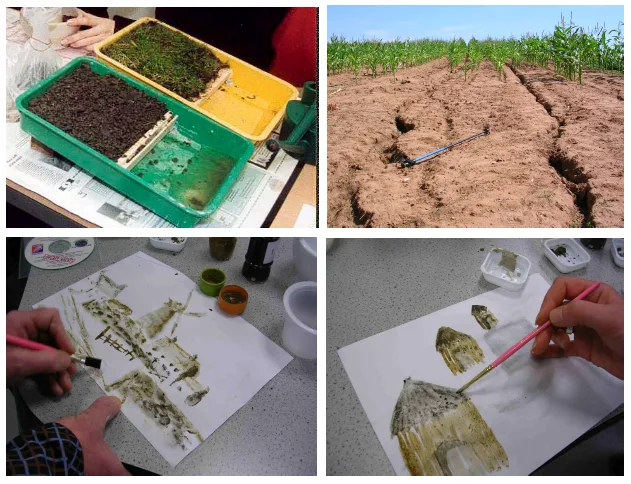
Our ELI today is "Why does soil get washed away? - investigating why some farmers lose their soil through erosion whilst others do not". This ELI investigates the effect of vegetation cover in protecting soil from erosion in heavy rainfall. It provides the opportunity to explore some of the factors involved in limiting soil erosion. A teaching video accompanies this activity. The extension to the…
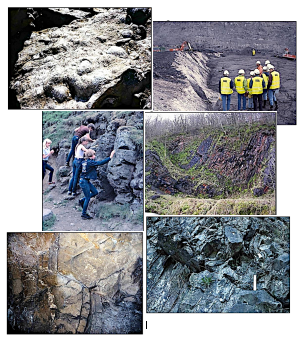
Our ELI today is 'What catastrophic natural processes affected your region in the geological past? Use the evidence in your local region to interpret dramatic geological events'. Several photographs are used to stimulate discussion about possible rapid geological processes in the past which might have had “catastrophic” outcomes if there had been humans on the Earth at those times. Many related a…
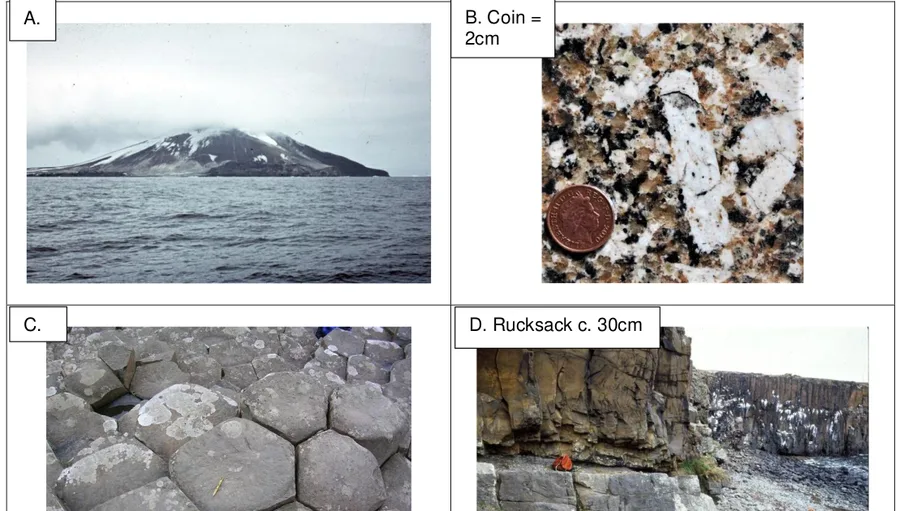
Now we are approaching exam time, our ELI today is a good revision exercise, as are the other activities in the 'Picturing . .' series - ' Picturing igneous rocks 1 - v isualise and draw igneous rocks from a verbal description'. This ELI enhances pupils’ skills of description and interpretation using photographs of igneous rocks and scenery. It could form a useful revision activity. The answers t…
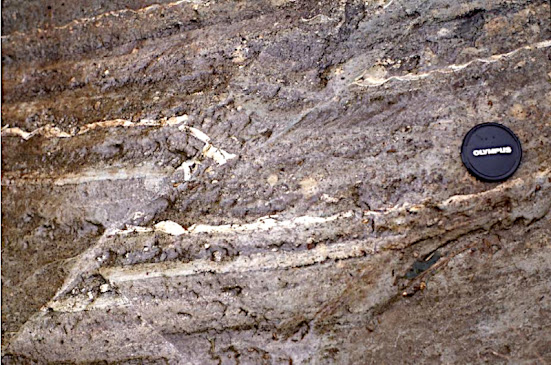
Following on from looking at metamorphic rocks last week, today we investigate an exceptional piece of slate - 'Every rock tells a story; reading the rock history from an exceptional specimen of slate'.
Related activities can be found in Rocks in our Earth Materials category.
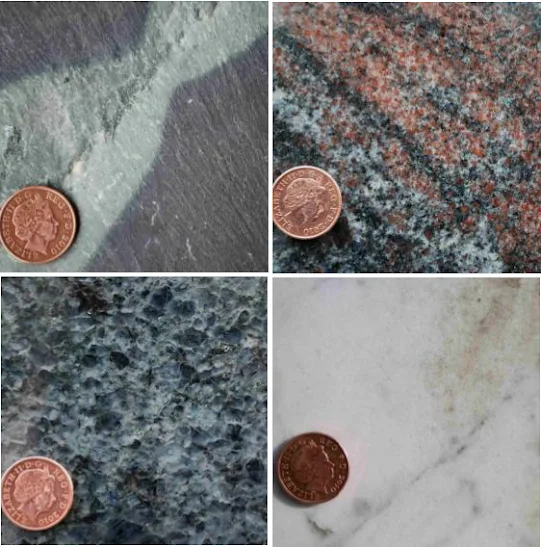
Today's ELI is 'Building Stones 4 - Metamorphic rocks; what are the differences between metamorphic rocks commonly used as building stones'.
This activity uses photographs of metamorphic rocks used for ornamental purposes. This activity follows ‘Building Stones 1’ and is intended for pupils to deepen their understanding of metamorphic rocks. A table showing how the series of Earthlearningidea bui…
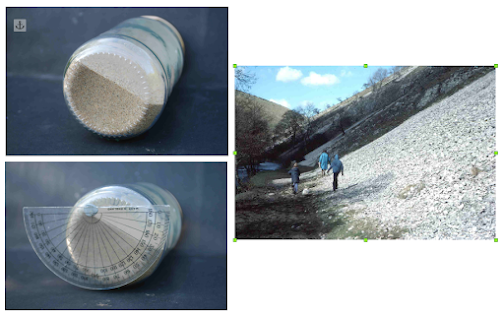
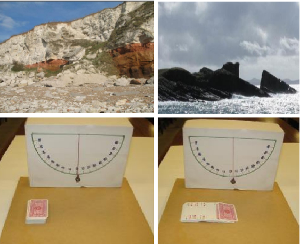
Today we are continuing our theme of slope stability with 'Sandcastles and slopes; what makes sandcastles and slopes collapse?'
This activity investigates the factors which affect the angle at which loose materials rest before they begin to slide.
Related activities can be found in the Natural Hazards category - Landslides and failing slopes.
This activity investigates the factors which affect the angle of slope at which materials fail and slip. It could be used in a lesson on slope failure itself, or as an application of the physics of friction.
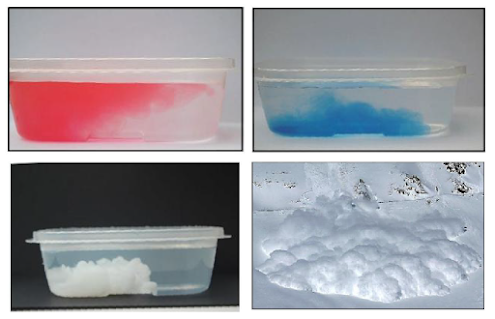
This ELI develops an earlier teacher demonstration in 'Atmosphere and ocean in a tank' into a smaller-scale model for pupil group use.
It explains how warm ocean water, or warm air, rises upwards while cold ocean water or cold air, sinks. It then demonstrates how density currents flow in the water, or air, and can be used as an analogy of density currents in the oceans and atmosphere.
Related act…
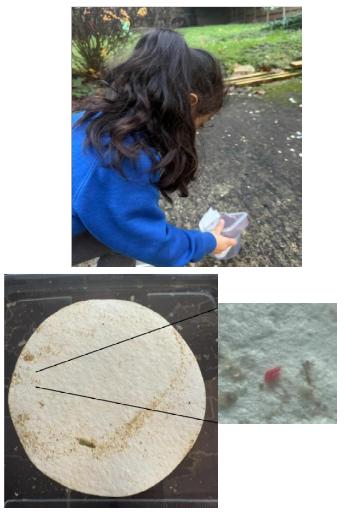
Our new very exciting ELI today is 'The invisible plastic problem – can you find what the eye can’t see? - finding microplastics in the local environment using simple separation techniques'.
This activity introduces pupils to environmental sampling and density separation. It demonstrates how a saturated salt solution can be used to isolate microplastics from soil or sediment and shows how polluti…
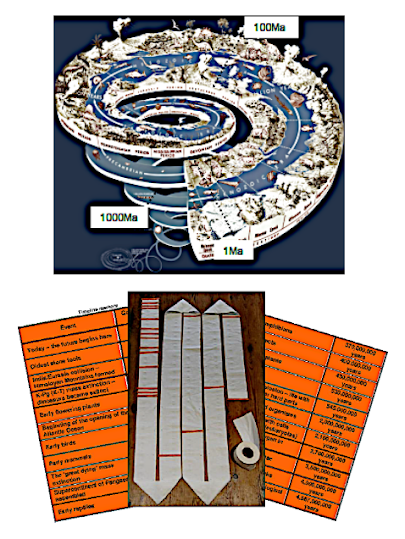
Have you tried 'Counting to one million? - trying to imagine the enormity of geological time'.
This Earthlearningidea is an activity to help young children to understand deep time.
Related activities can be found in our Geological Time category - Visualising deep time.

 research.io