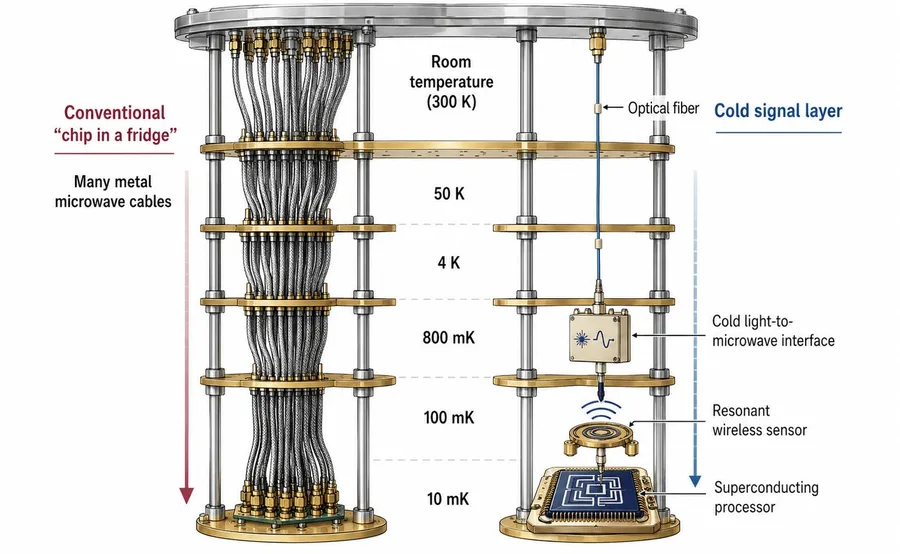
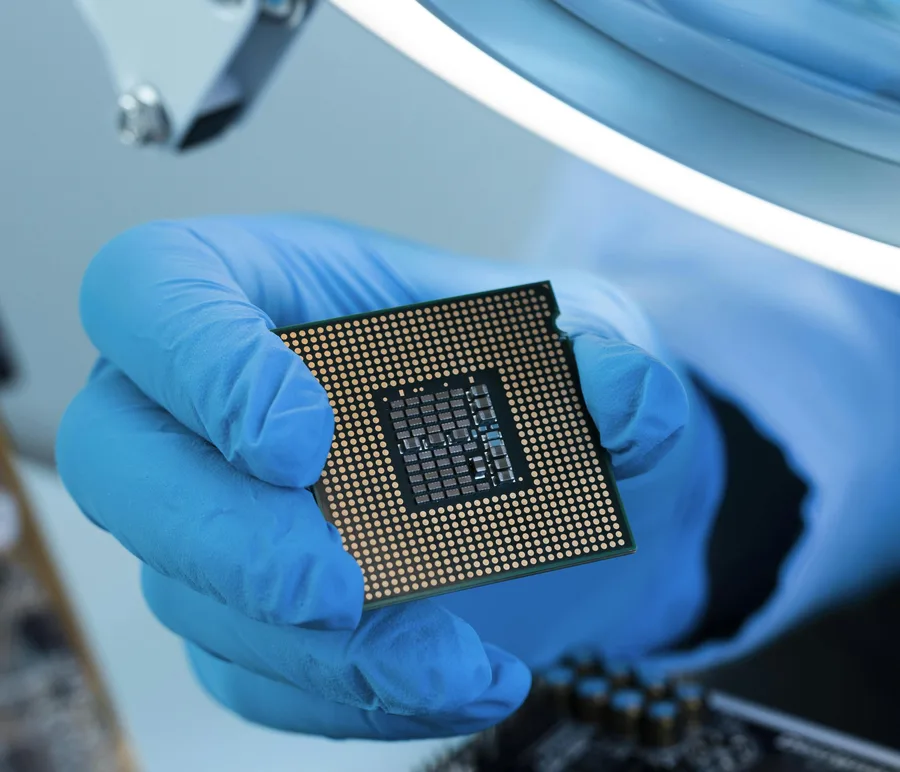
Superconducting quantum computers are often shown as chips inside deep refrigerators, but scale will depend on the cold signal network around the chip. Control, readout, timing, calibration, and diagnostics must pass through a tight refrigerator without adding excess heat, loss, noise, or clutter. Cryogenic photonics can help by using light, fiber, cryogenic conversion devices, engineered electro…
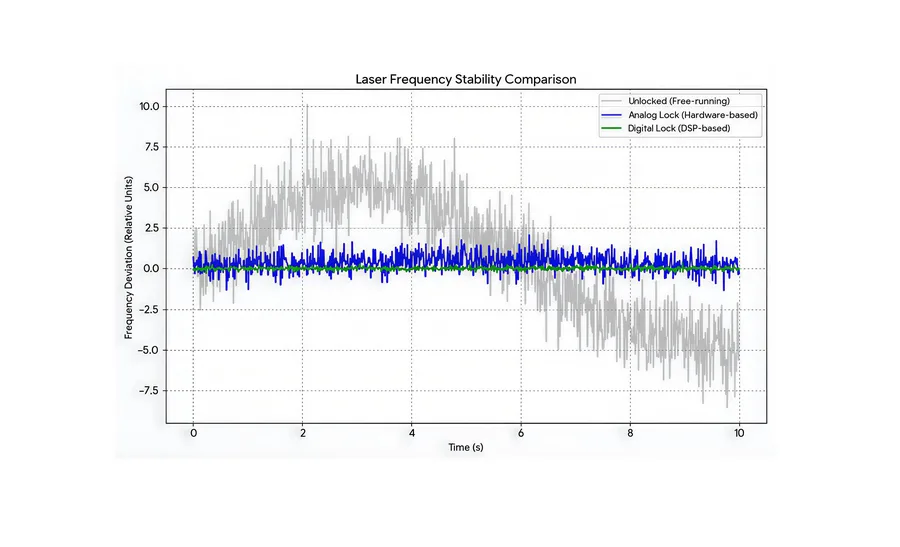
Software-defined FPGA-based approaches enable more flexible, precise, and cost-effective stabilization workflows—particularly for applications such as spectroscopy, interferometry, and quantum optics.
A controlled chaotic metasurface design approach assigns different groups of metapixels each a distinct function. By distributing them across the surface in a disordered mosaic pattern, these groups can be selectively addressed via specific wavelengths or polarization states.
A new photonic chip packaging approach may open the door to applications where conventional photonic packaging simply can’t survive—such as space missions, nuclear environments, and high-energy physics experiments.
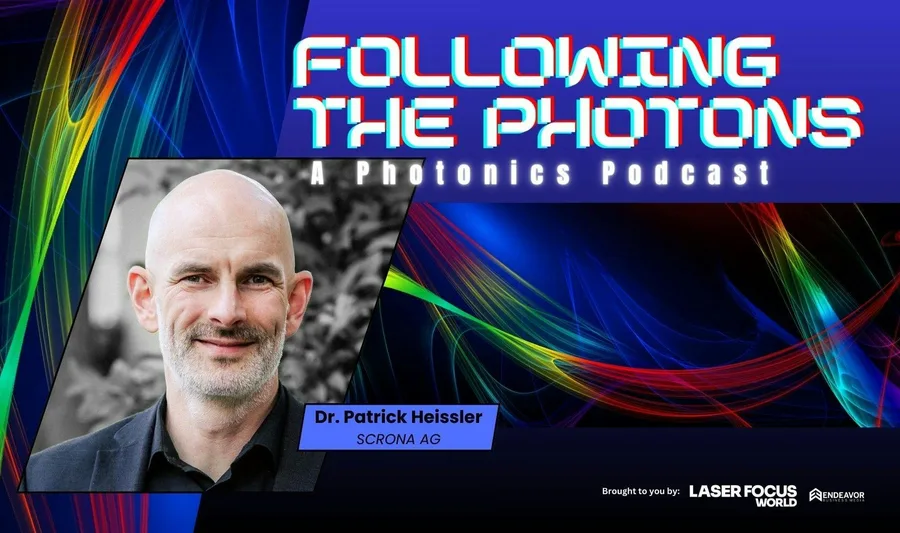
This episode of Following the Photons: A Photonics Podcast features Dr. Judy Wu, the Thomas A. Albright Professor of Chemistry at the University of Houston.
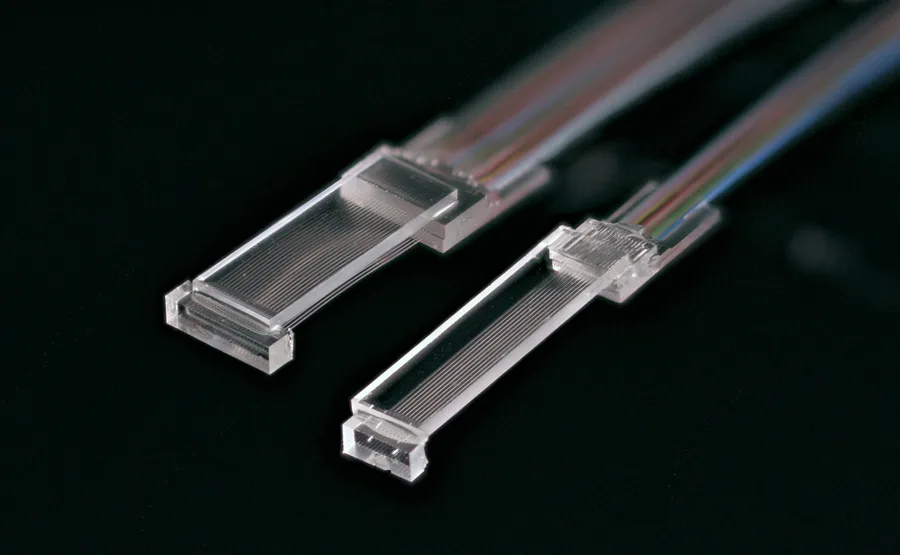
A European Innovation Council (EIC) Accelerator award is helping MicroAlign industrialize nanometer-accurate fiber arrays designed for ultralow-loss photonic systems.
Microlenses inside optical cavities allow physicists to tightly focus light onto single atoms in a way that’s both efficient and massively parallel—and it looks promising for building faster distributed quantum computers.
The shift beyond silicon photonics is an expansion of the photonic materials toolkit. While silicon remains valuable for electronic-photonic integration and certain passive functions, scalable quantum photonic systems demand materials engineered specifically for quantum performance.
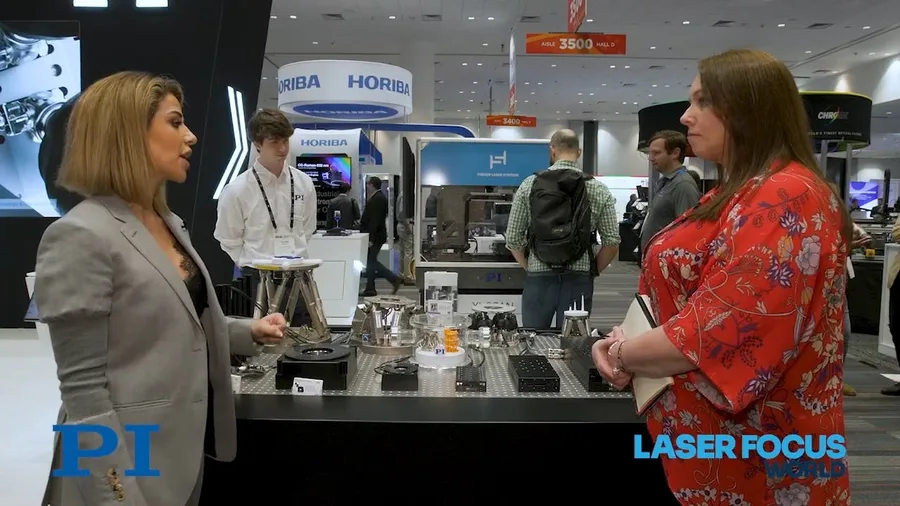
See the latest advances in active photonics alignment, fast steering mirrors for space communication/beam control, and nanopositioning systems, including U.S.-manufactured direct-drive stages, 6-axis hexapods, and piezo stages for quantum applications.