Nature Communications, Published online: 22 July 2026; doi:10.1038/s41467-026-75858-0 Extreme photoreduction is often limited by uncontrolled, diffusion-driven reactivity of highly energetic intermediates. Here, the authors report an association-gated photocatalytic strategy that assembles sequential donor–acceptor complexes to create confined reaction pockets, enabling selective activation of st…
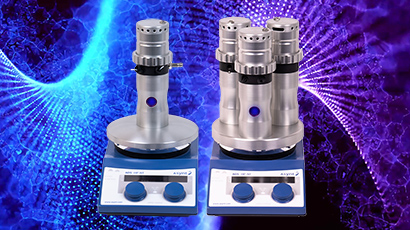
Asynt has introduced the new ColdCoil - a versatile temperature-controlled flow chemistry module designed to provide exceptional flexibility across a broad range of continuous flow applications. The post From Cryogenic Synthesis to Photochemistry: Asynt Introduces the New ColdCoil appeared first on Asynt .
It was the 20th anniversary meeting for the UKASF (UK Automation Synthesis Forum) earlier this month at the Imperial War Museum in Duxford, Cambridgeshire in the UK. Asynt and Uniqsis presented some new technologies for Photochemical Synthesis at this prestigious event: both a new batch photo reactor tool,”PhotoVap”, and a scaleable flow chemistry photo reactor, “PhotoSyn”.
One of these, the Asyn…
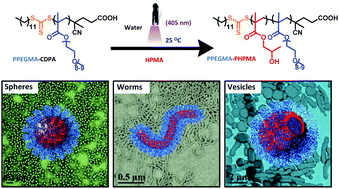
Photochemistry is an incredibly useful field of chemistry which allows for temporal control of reactions through the presence of light. Specifically when applied in polymer chemistry, light can be used to achieve conformational changes, modify polymer chains and to polymerise monomers. This month, focusing on photopolymerisation, we take a look at three papers and a […]
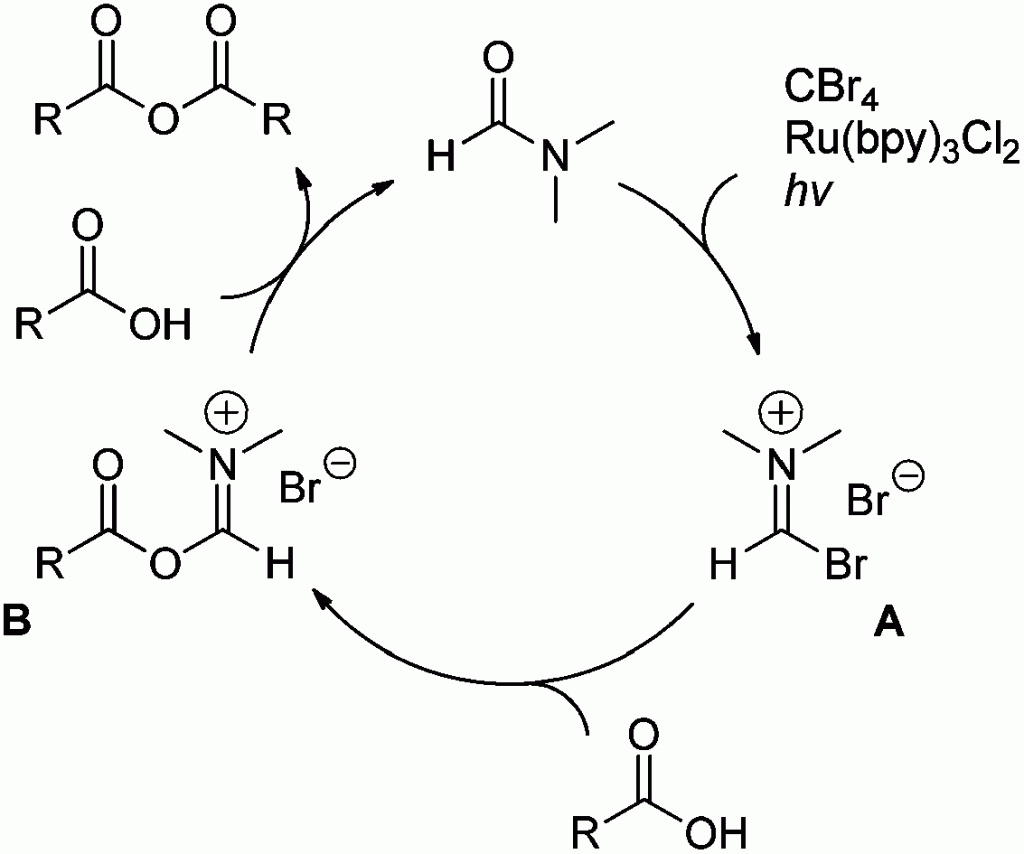
In this HOT communication Corey R. J. Stephenson and colleagues at Boston University demonstrate the application of visible light-mediated photoredox catalysis for the synthesis of symmetric anhydrides. This new approach to anhydride formation proceeds via the activation of C–O bonds by the Vilsmeier–Haack reagent formed by Ru(bpy)3Cl2 and CBr4 in DMF. Stephenson et al. demonstrate […]