News RSS Feed

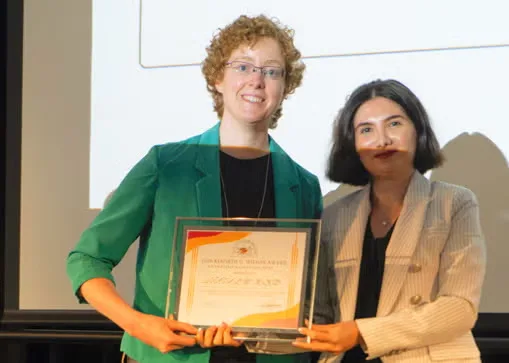
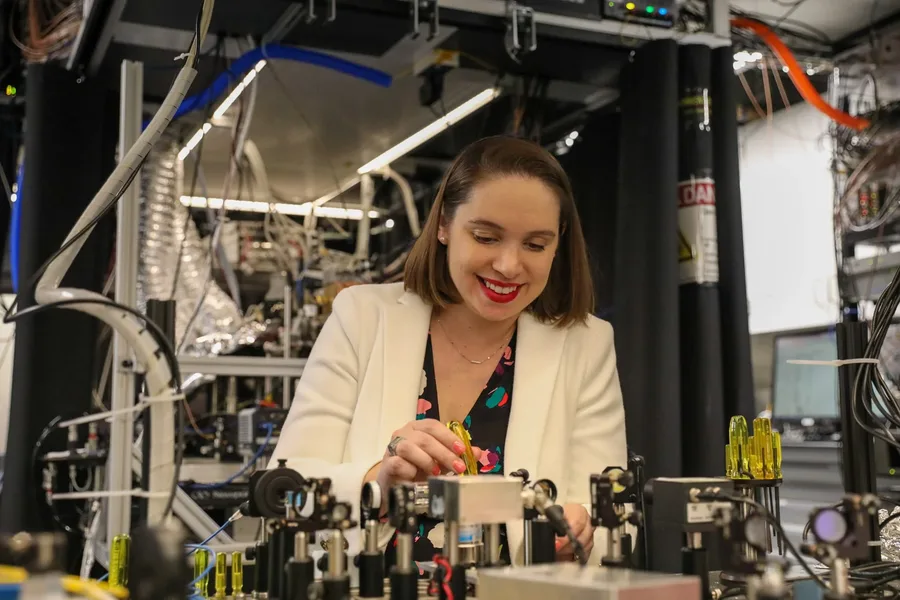
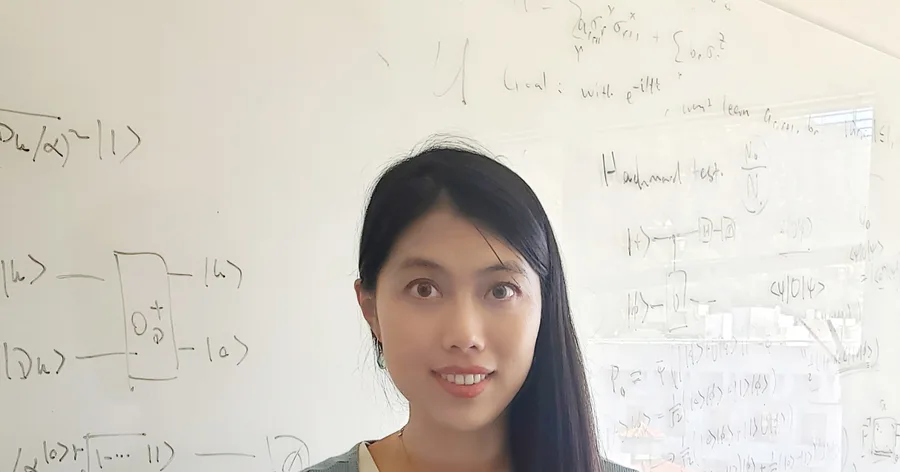
Trinity Communications Natalie Klco, assistant professor of Physics and a member of the Duke Quantum Center, has received the 2026 Kenneth G. Wilson Award “for her pioneering contributions to digital quantum simulations of lattice gauge theories.” Established with support from Physics Nobel Prize laureate Kenneth G. Wilson, whose computational approaches transformed theoretical physics, this inte…
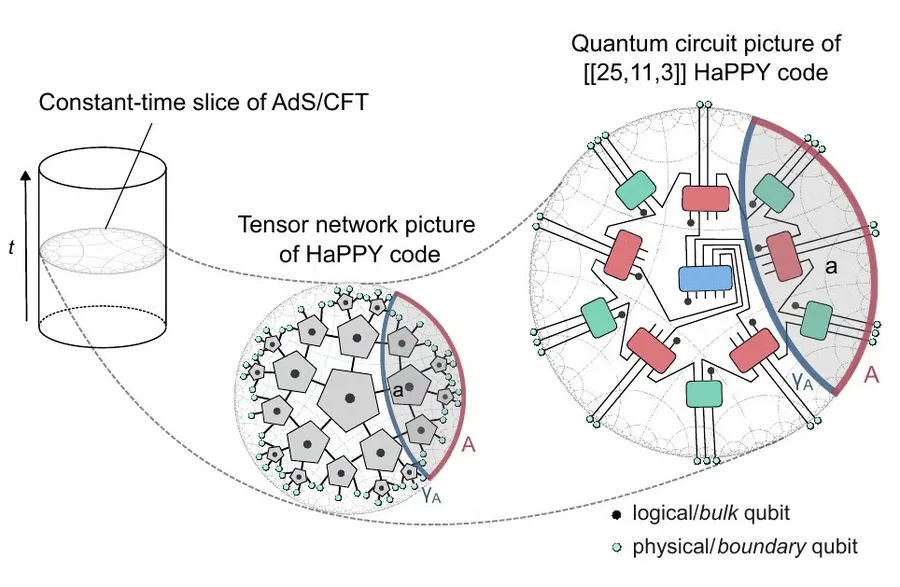
How observed fabric of space-time emerges from fundamental quantum mechanics is one of the great mysteries of the field. A simplified model could emerge from fundamental quantum degrees of freedom through a technique co-developed by Crystal Noel.
Natalie Klco wins the 2026 Kenneth G. Wilson Award for Excellence in Lattice Field Theory The National Quantum Laboratory (QLab) is thrilled to congratulate Dr. Natalie Klco (Duke University) on receiving the prestigious 2026 Kenneth G. Wilson Award for Excellence in Lattice Field Theory. Sponsored by QLab, the award was announced during the 43rd International Symposium on Lattice Field Theory (L…
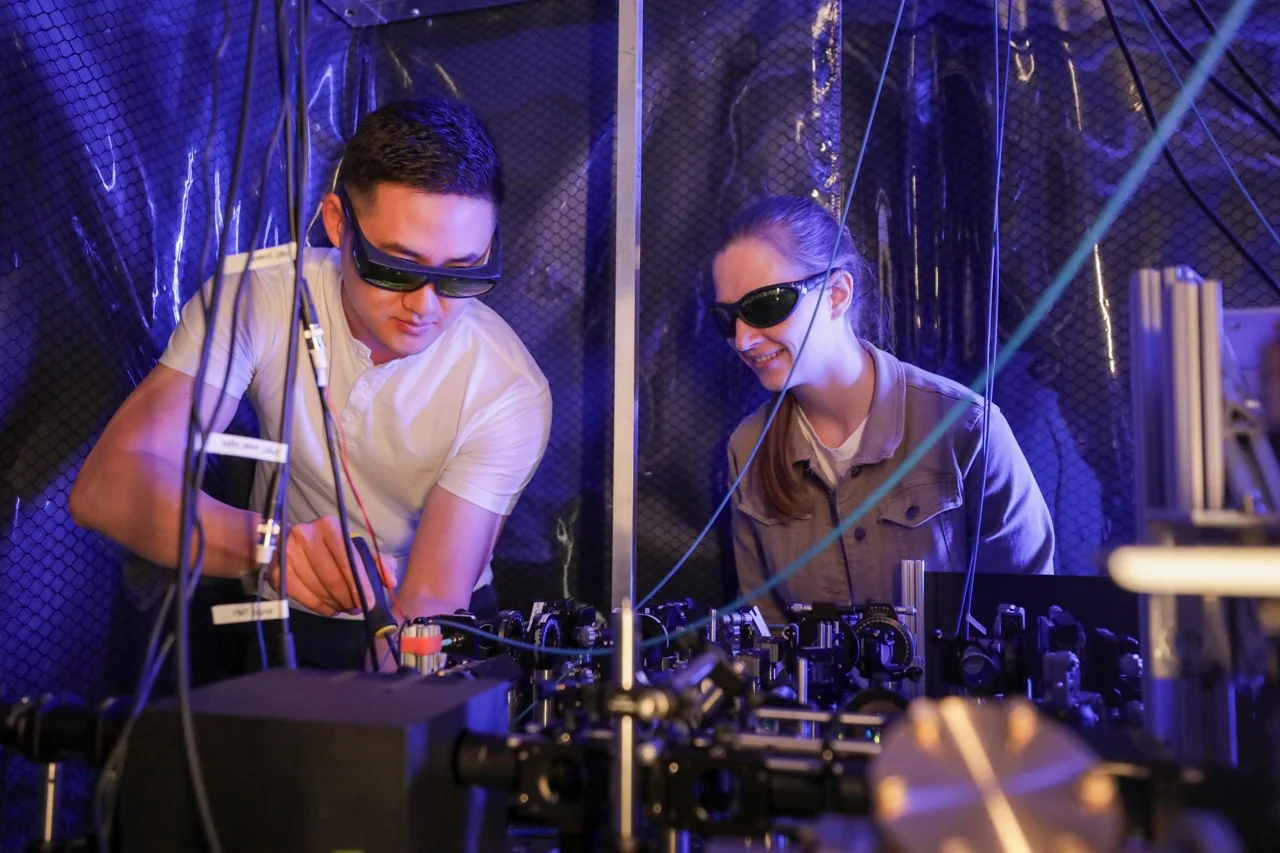
Assistant Professor of Physics and Duke Quantum Center member Marko Cetina has been awarded a prestigious National Science Foundation (NSF) CAREER Award totaling $406,456 for his project, CAREER: ColleqtIon: Collective Ion Optical Interconnects for Quantum Computing. The award will support resear

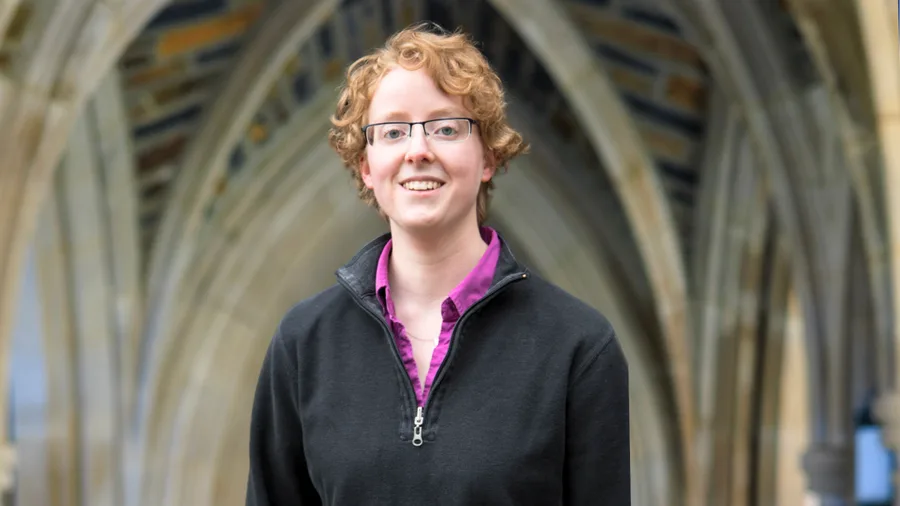
Trinity Communications As quantum computers grow larger and more powerful, one of the biggest challenges is understanding and choreographing the complex patterns of quantum entanglement that make these technologies possible. Natalie Klco, assistant professor of Physics at Duke University and a member of the Duke Quantum Center, has received a prestigious National Science Foundation CAREER Award t…

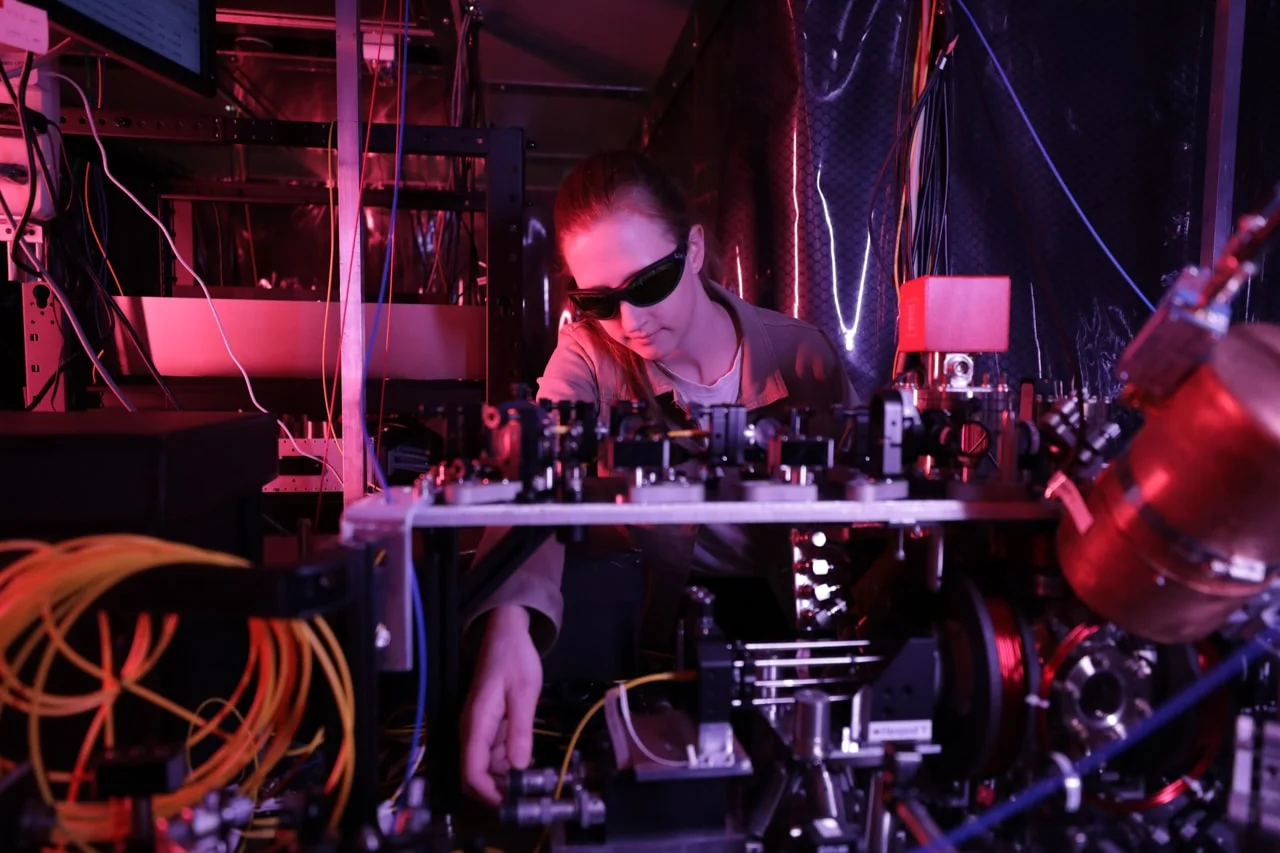
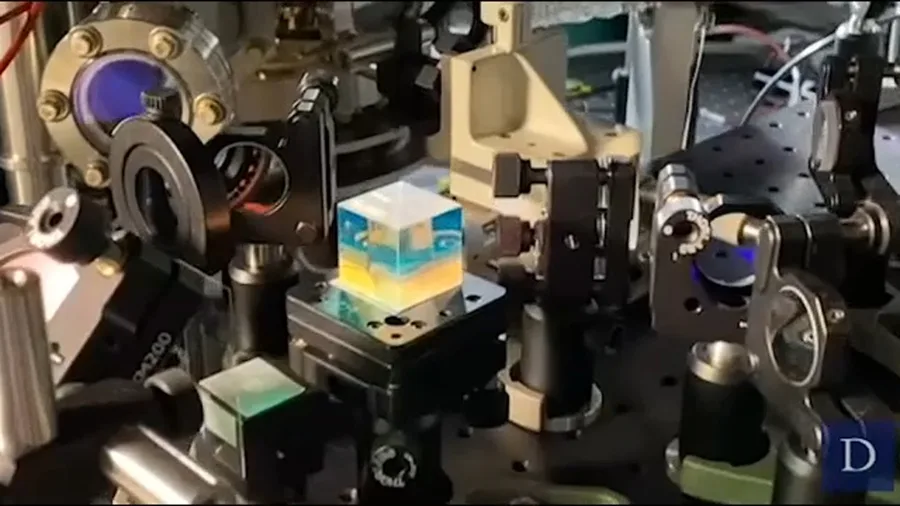
Crystal Noel Receives NSF CAREER Award to Improve Light Delivery in Quantum Computers Duke Quantum Center researcher to explore thin-film lithium niobate to deliver light more efficiently in quantum computer systems. Duke Quantum Center researcher to explore thin-film lithium niobate to deliver light more efficiently in quantum computer systems.
Scaling Up: Building a 96-Qubit Quantum Computer by 2027 By Ken Kingery New $2.66 million grant from the National Science Foundation will support the construction of a 96-qubit quantum computer to enable future advances in the field. New $2.66 million grant from the National Science Foundation will support the construction of a 96-qubit quantum computer to enable future advances in the field.
Di Fang, Assistant Professor of Math at Duke, won the National Science Foundation (NSF) CAREER Award, NSF’s most prestigious award in support of early-career faculty who have the potential to serve as academic role models in research and education and to lead advances in the mission of their department or organization. Professor Fang, whose research focuses on the theory of quantum computing, num…
Skip to main content
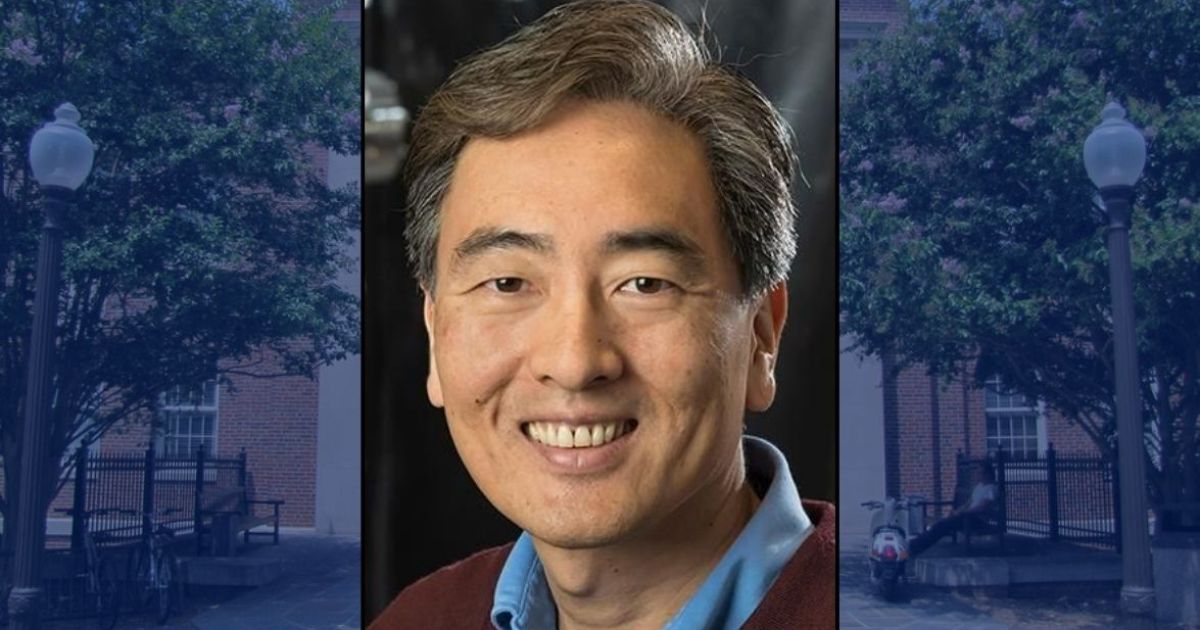
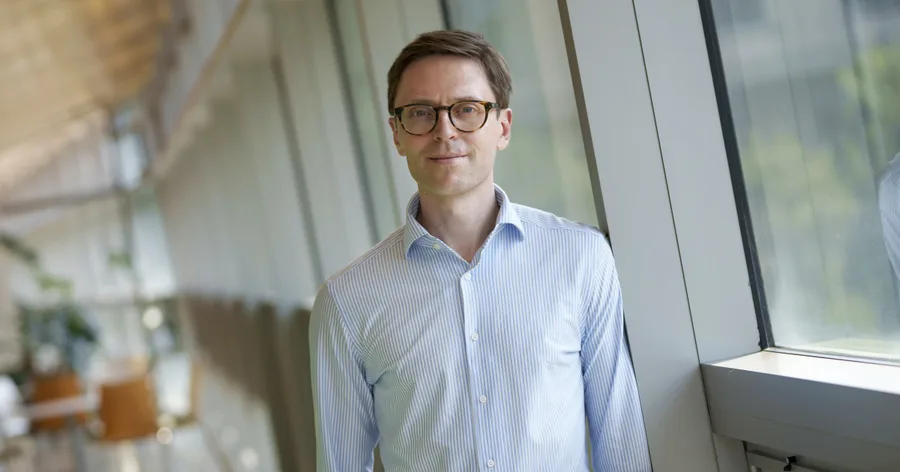
Jungsang Kim Named Chief Science and Technology Strategist for the Provost Quantum computing pioneer to help shape the Duke Science and Technology initiative In 2020, Kim joined with Monroe and Ken Brown, his long-time collaborators, to launch the Duke Quantum Center, which convenes faculty from across the university to put quantum computing and quantum information to work on a variety of scienti…
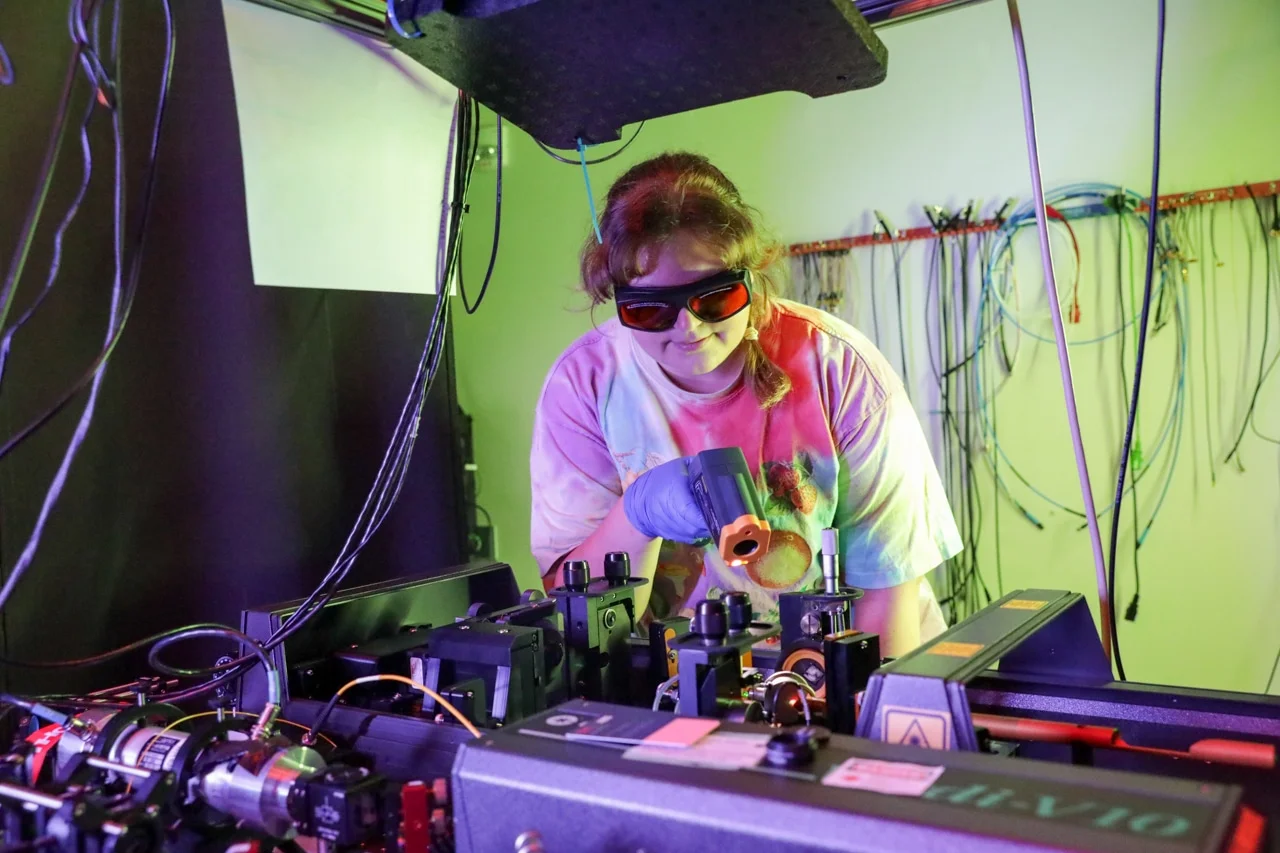
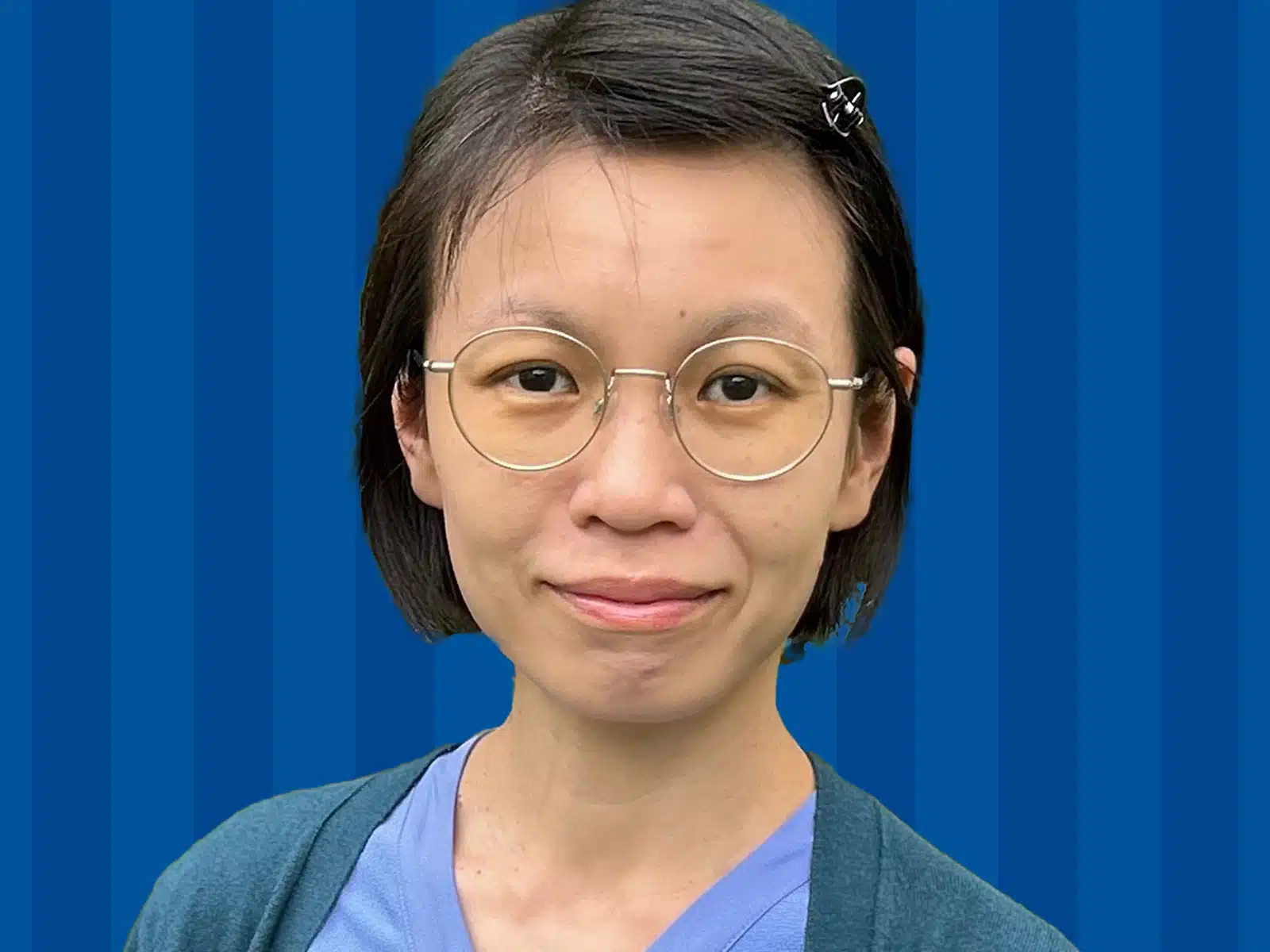
Huanqian Loh Selected for 2025 Sloan Research Fellowship Loh is recognized for her work in neutral atom quantum computer systems. Loh is recognized for her work in neutral atom quantum computer systems.
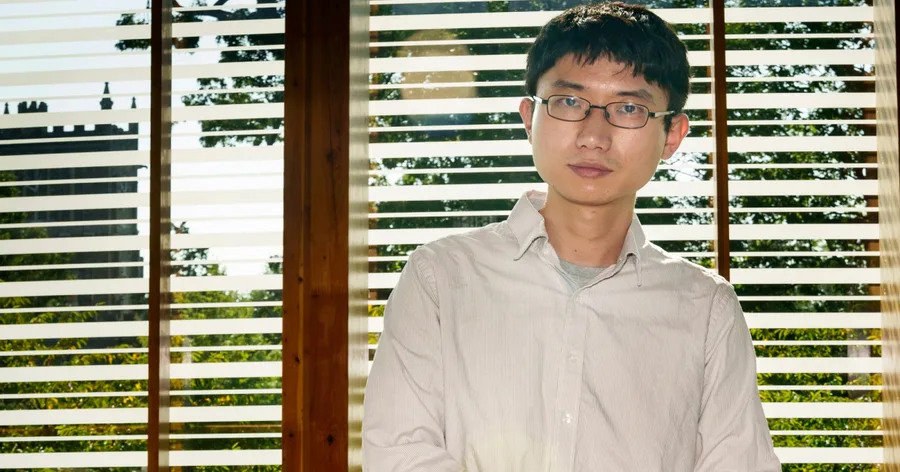
Mary-Russell Roberson for Trinity Communications While physicists and engineers are working on building the computers of tomorrow — quantum computers, that is — Yu Tong is pushing the field forward from a different angle. As a mathematician and a theorist, he works not with subatomic particles and lasers, but with pencil and paper, designing algorithms for quantum computers. “You have to use your…
Mary-Russell Roberson for Trinity Communications Even those of us who aren’t physicists have an intuitive understanding of classical physics — we can predict what will happen when we throw a ball, use a salad spinner, or ease up on the gas pedal. But atomic and subatomic particles don’t follow these ordinary rules of reality. “It turns out that at really small scales there are a different set of …
New faculty member Huanqian Loh brings a new quantum computing approach to the expanding expertise of the Duke Quantum Center

research.ioSign up to keep scrolling
Create your feed subscriptions, save articles, keep scrolling.