WorldPop

Répondez à notre enquête de satisfaction et contribuez à façonner la suite Last week at the DHIS2 Annual Conference 2026 in Oslo, WorldPop team members Andy Tatem and Heather Chamberlain showcased how WorldPop data are now integrated into DHIS2 systems, driving transformations in public health and humanitarian decision-making. Speaking in the Maps, GIS, and Population […] The post From Maps to Im…
Take Our Survey and Help Shape What Comes Next A new study by an international team of researchers has successfully mapped the neighbourhood-level spread of COVID-19 in Dakar, Senegal, revealing that high-density residential areas in the city’s west face the greatest risk of infection. The research, led by WorldPop Research Fellow, Dr Assane Gadiaga at the University of Southampton […] The post N…
Take Our Survey and Help Shape What Comes Next Last week, WorldPop researchers demonstrated how advanced geospatial mapping and machine learning can solve critical global health challenges, from tracking viral tourism trends to reaching “zero-dose” children. Presenting at the GEOMED 2026 conference at the Public University of Navarre, Pamplona, Spain, Dr Edson Utazi, Krishnaveni KS […] The post W…
Take Our Survey and Help Shape What Comes Next During the 2026 Global Data Festival in Nairobi, WorldPop researchers showcased how high-resolution geospatial mapping and artificial intelligence are transforming the way nations count and improve outcomes for their citizens. The event, which was held jointly with the Kenya Space Expo & Conference, brought together international […] The post WorldPo…
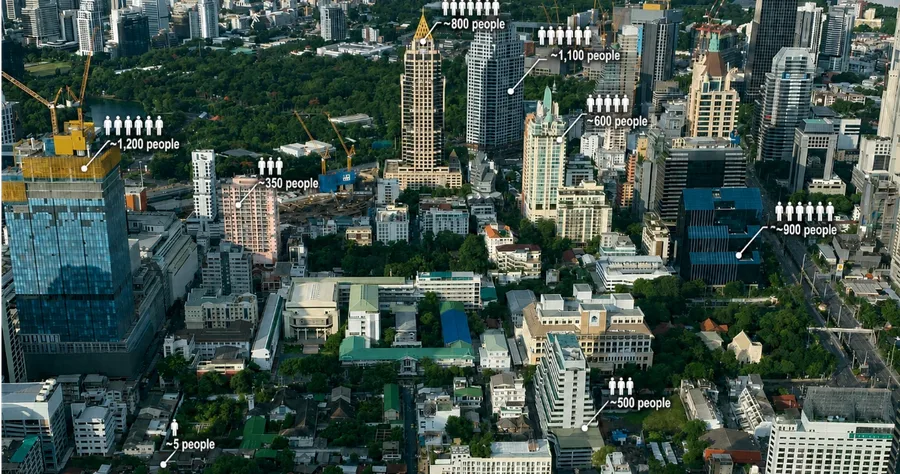
Take Our Survey and Help Shape What Comes Next Access to high-quality demographic data is often one of the biggest barriers to evidence-based decision-making. Whether supporting health service planning, humanitarian response, infrastructure investment, or climate adaptation, organisations need population data that is both current and spatially detailed. That is why we are pleased to see […] The …
Take Our Survey and Help Shape What Comes Next UNICEF is launching the Global Child Hazard Database (GCHD) at London Climate Action Week later this month. The GCHD initiative provides globally standardised datasets on children’s exposure to overlapping climate and environmental risks. The project aims to provide timely and accurate data to support informed decision-making and policy advocacy for …
Take Our Survey and Help Shape What Comes Next WorldPop researchers at the University of Southampton have published the methodology behind the massive subnational dataset used to power Global 2 – our latest high-resolution mapping of the human population. The new article, published as a preprint in VeriXiv, details how the team harmonised and projected population data for more than 716,000 subna…
Take Our Survey and Help Shape What Comes Next Professor Andy Tatem, Director of WorldPop at the University of Southampton, has been recognised as a global research leader in the field of environmental sciences. Academic rankings and researcher profile platform Research.com has awarded Professor Tatem the 2026 Environmental Sciences in United Kingdom Leader Award, ranking him 10th in the […] The …

Take Our Survey and Help Shape What Comes Next Last week, Research Fellow Dr Somnath Chaudhri presented new research on mapping the risks of Guinea Worm Disease across Sub-Saharan Africa at the Intelligent Systems for Vector-Borne Disease Study Group Meeting held at The Hanse-Wissenschaftskolleg, Institute for Advanced Study in Delmenhorst, Germany. The presentation focused on how spatial […] Th…

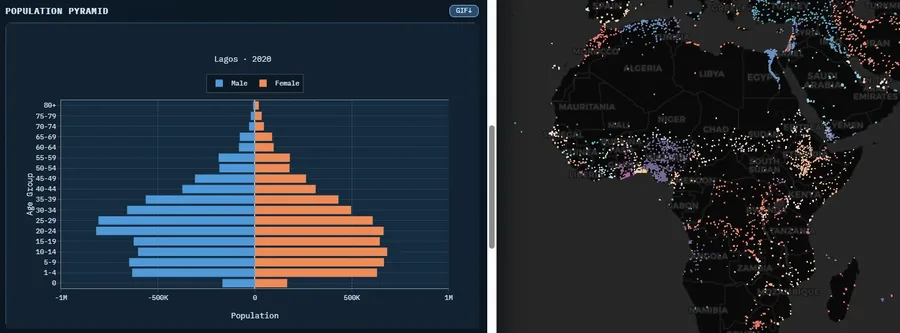
Take Our Survey and Help Shape What Comes Next High-resolution data from WorldPop is uncovering critical demographic shifts in over 10,000 cities that national averages often hide. The study, led by Dr Andrew Zimmer and published in Nature Cities, provides a globally consistent view of urban change between 2000 and 2020. Researchers used WorldPop’s anonymised and aggregated gridded population di…

Take Our Survey and Help Shape What Comes Next WorldPop have launched a new artificial intelligence framework project to test methods for mapping urban populations with improved accuracy. This initiative aims to ensure that vulnerable residents in low- and middle-income countries are accurately represented in vital decision-making processes, from vaccine distribution to disaster response. In […]…

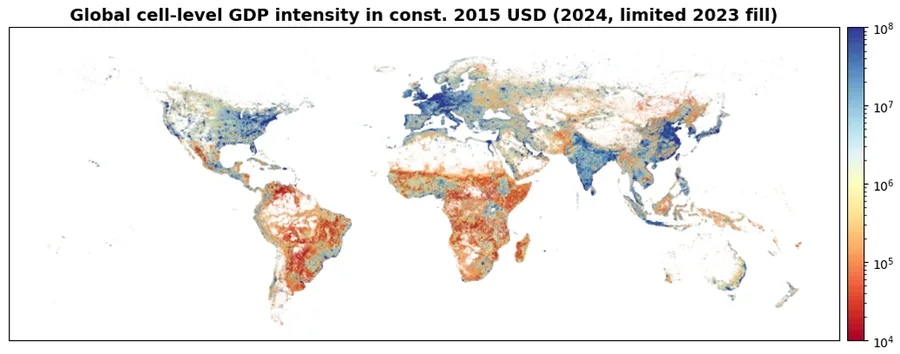
Take Our Survey and Help Shape What Comes Next A new World Bank policy research working paper demonstrates how artificial intelligence and open geospatial data can help governments understand economies at a far more detailed local level. Many important statistics, such as GDP, poverty, infrastructure access, or disaster risk, are usually reported only at national […] The post Mapping the World i…
Take Our Survey and Help Shape What Comes Next Improving accuracy in geospatial data is transforming how we protect vulnerable populations from climate-driven disasters. Earlier this month, a team of researchers from WorldPop and the FuturePop project presented pioneering research at the EGU26 General Assembly in Vienna, Austria. From tracking flood-induced displacement in India to […] The post M…

Take Our Survey and Help Shape What Comes Next Artificial intelligence is already reshaping fields like finance, transportation, and medicine. Now it is being deployed against one of humanity’s oldest and deadliest diseases: malaria. With funding provided by the Web Science Institute, WorldPop is applying its AI and spatial demography and epidemiology expertise to a […] The post How AI and Data …

Take Our Survey and Help Shape What Comes Next WorldPop Associate Professor, Dr Edson Utazi presented Mapping the Risk of Guinea Worm Disease project findings last week at the 2026 Guinea Worm Eradication Program (GWEP) Research Review meeting, organised by The Carter Center. The meeting brought together experts from across the world working in areas such as genomics, geospatial […] The post High…

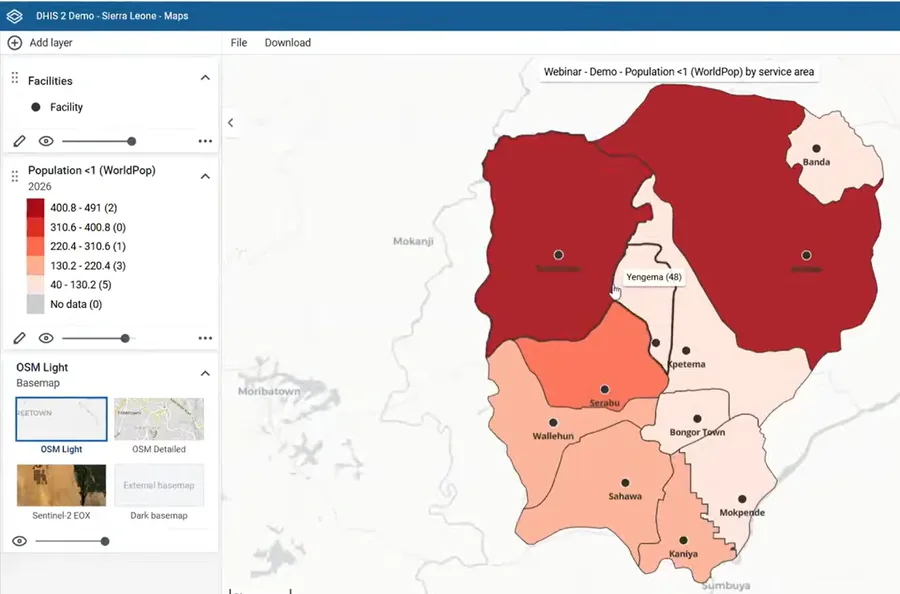
Take Our Survey and Help Shape What Comes Next Last week, the DHIS2 community broadcast a significant webinar detailing how high-resolution WorldPop population data has been integrated into the DHIS2 platform. This digital integration is transforming how life-saving vaccines are delivered in low- and middle-income countries. With WorldPop’s 100m population grid cells now integrated in […] The pos…

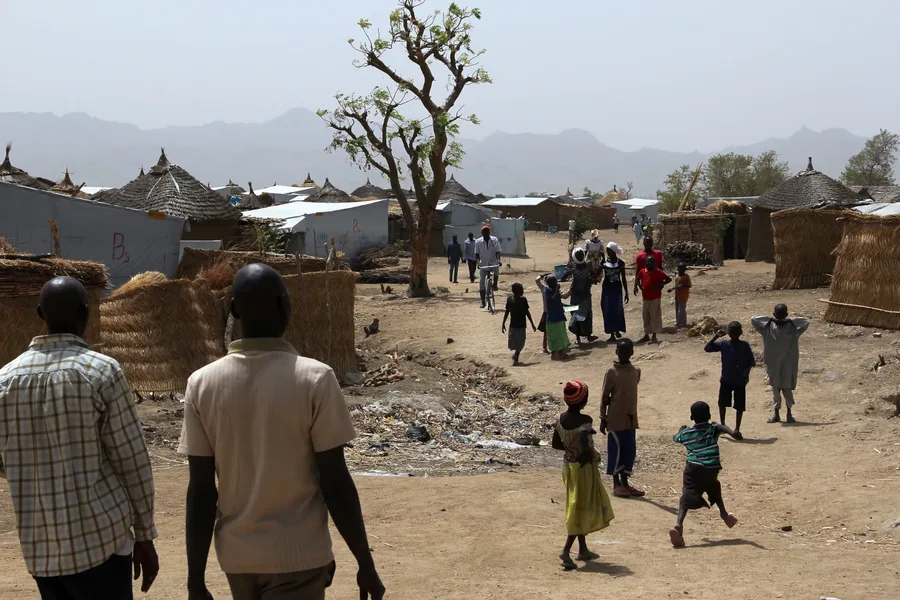
Take Our Survey and Help Shape What Comes Next WorldPop researchers have developed a faster, more accurate way to build national survey frameworks that better represent displaced populations, which is addressing a long-standing gap in humanitarian data. The study introduces a geospatial approach that enables governments and international organisations to identify and include refugees in […] The p…

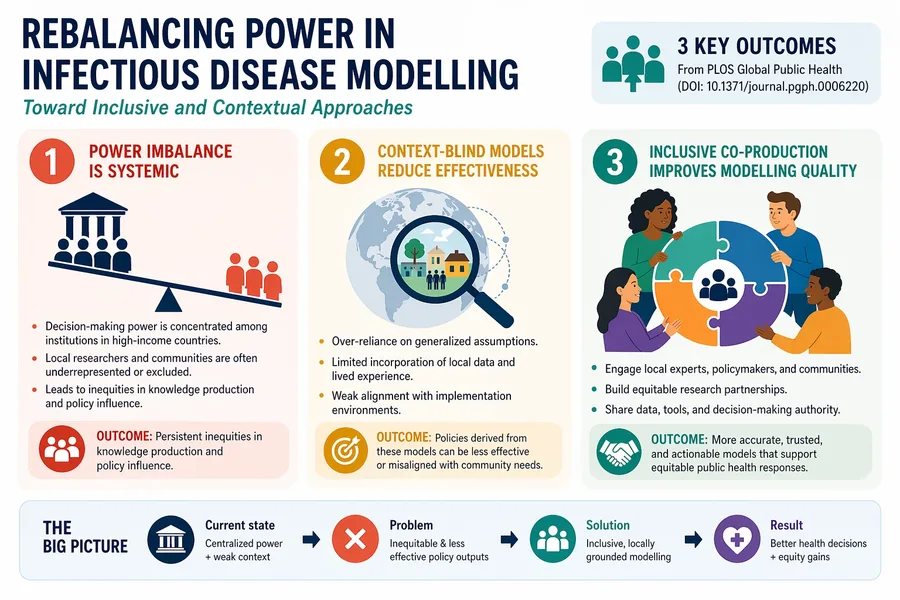
Take Our Survey and Help Shape What Comes Next An international team of researchers, including experts from the University of Ghana and WorldPop, is urging a rethink in how we model infectious diseases, and who gets to lead that work. Their study’s message is simple: to make global health fairer and more effective, countries most […] The post Rebalancing Global Health: Why Local Leadership Matter…

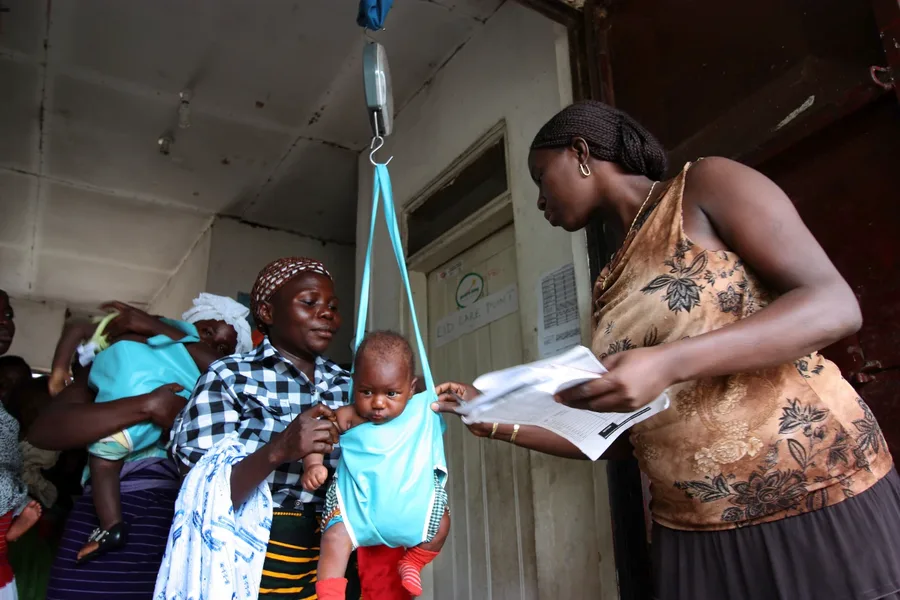
Take Our Survey and Help Shape What Comes Next Districts in Uganda that host refugees are seeing slightly better maternal and child health outcomes than those that do not, according to new research analysing routine health data from 2020 to 2023. The Countdown to 2030 study, led by Rogers Nsubuga, PhD researcher at Makerere University, Uganda, found higher coverage in […] The post Refugee-hostin…

research.ioSign up to keep scrolling
Create your feed subscriptions, save articles, keep scrolling.