Mechanical engineering – The Conversation


A mechanical engineer brings her personal experiences to address human-centered problems and encourage ‘compassionate design.’

Using a technique inspired by how human brains operate, researchers have found a way to help robots move more smoothly and more quickly.

A mechanical engineer explains why you need to go with the flow. The TSA pronouncement that peanut butter is a liquid is scientifically sound.

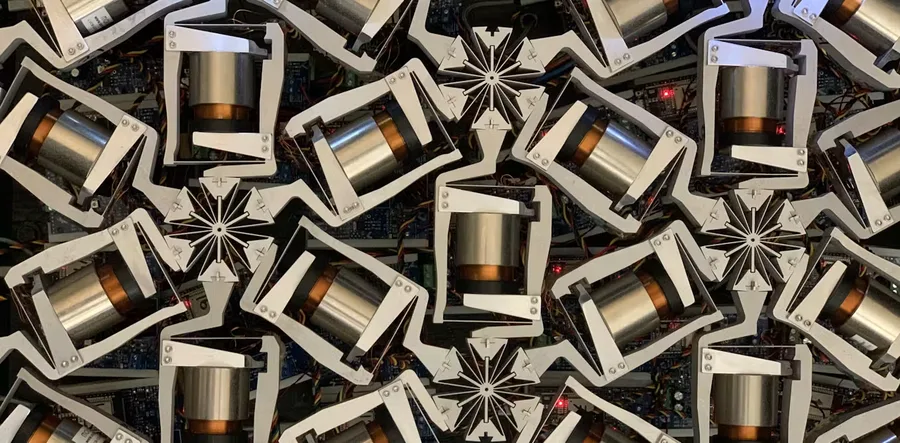
Computer-based neural networks can learn to do tasks. A new type of material, called a mechanical neural network, applies similar ideas to a physical structure.

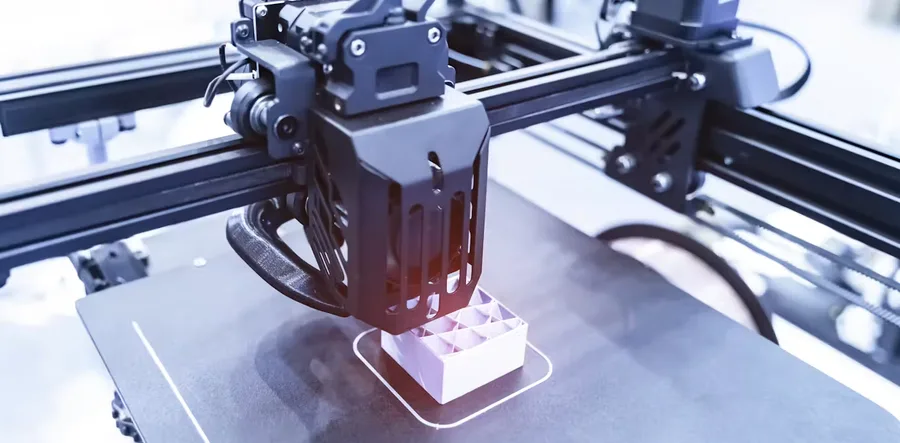
‘Energetic’ materials are ones that readily ignite or detonate. The shapes of those materials have a big effect on how they burn or blow up.

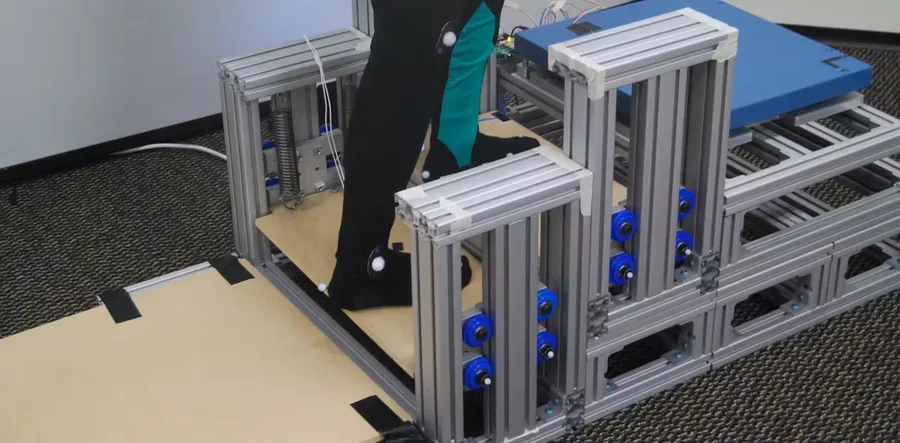
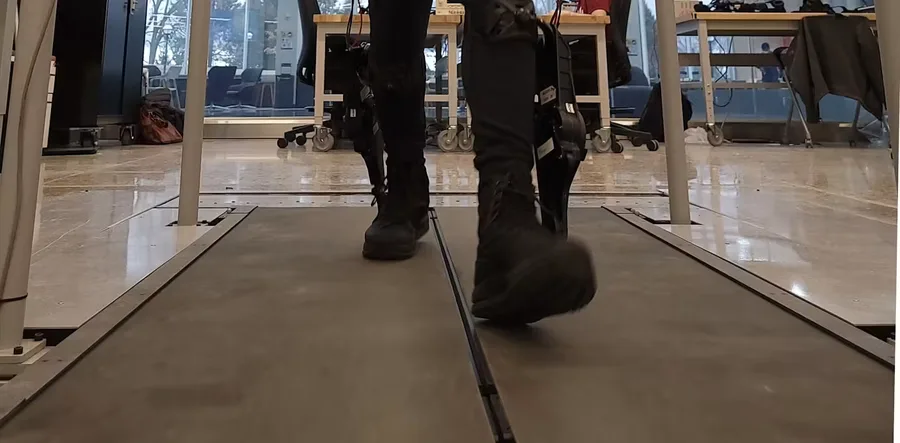
Asking users the dollar value of the costs and benefits of walking in exoskeletons is a better way of finding out how users feel about them than measuring calories saved.

You can squash small bugs by stepping on them, but can you crush even tinier microorganisms like viruses and bacteria? It turns out that you’d need to apply a lot of pressure.

Leonardo’s interest in the human form and replicating human bodily movement foreshadow ideas present in modern robotics.

Dramatic improvements in computing, sensors and submersible engineering are making it possible for researchers to ramp up data collection from the oceans while also keeping people out of harm’s way.


Understanding how brain folding works could help researchers better diagnose and treat neurodevelopmental disorders.

One of the engineers behind Bloodhound, the UK’s anticipated world land speed record attempt, explains how they created a car to reach 1000mph.

Curved origami isn’t just elegant art. It’s also a versatile way to vary the amount of force applied by robots and other machines.