International law – The Conversation


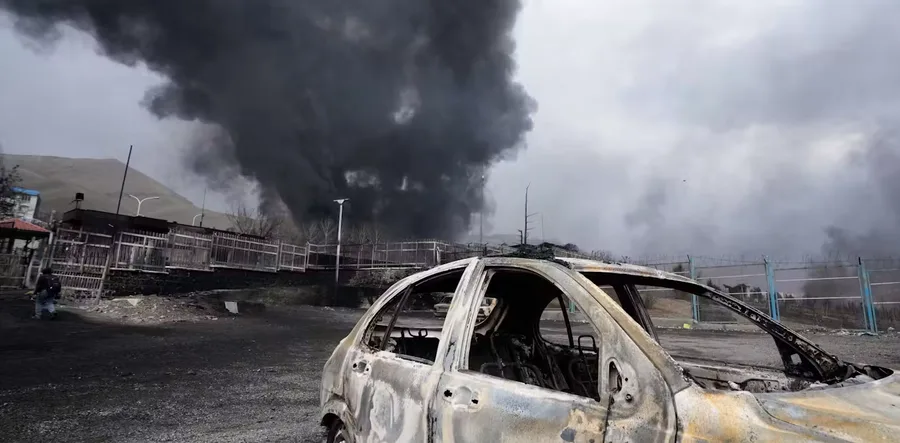
Oil refineries can be legitimate military targets, but only if specific criteria are met.

There is a gap in international law protections when dangerous toxins are released due to attacks on sites like fuel depots.

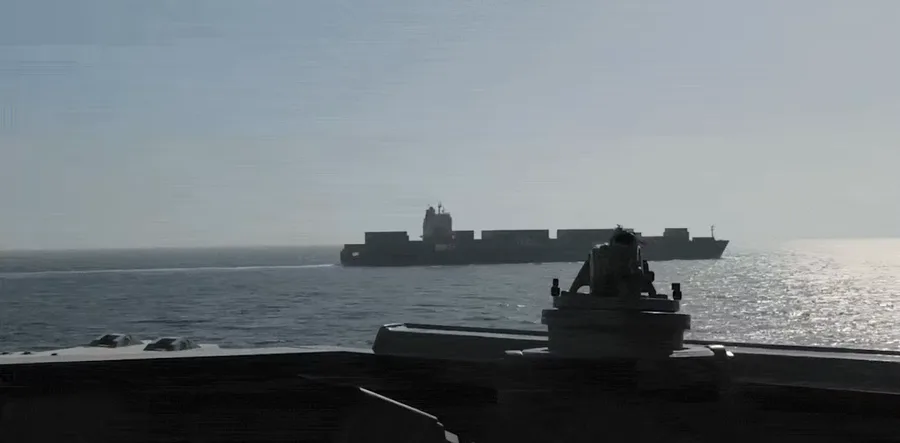
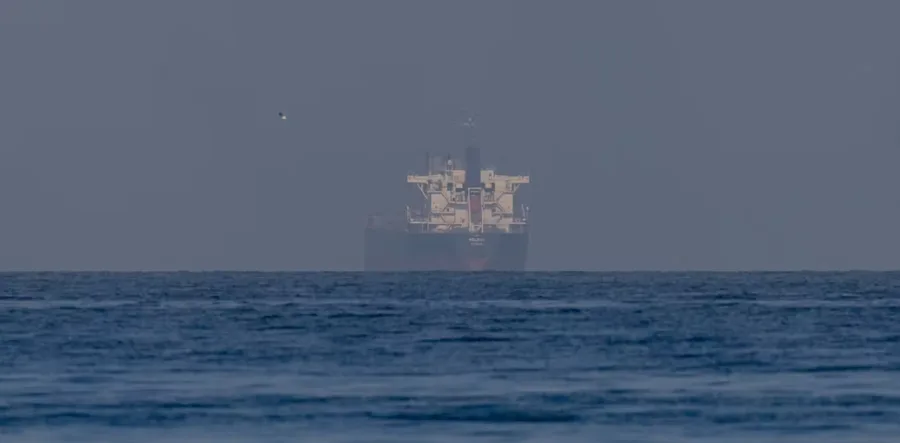
Using force against a ship during a blockade is only lawful under certain conditions. A naval expert explains.

The U.S.-Israel strikes on Iran raise uncomfortable questions about whether the post-1945 rules-based order still constrains the use of force by major powers.

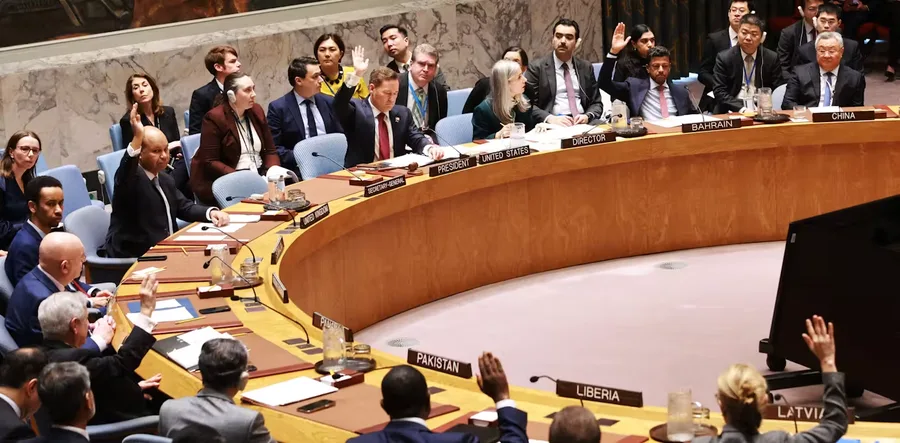
Once again, in a crisis, the UN and the EU seem to pale into insignificance. Multilateralism may not be dead, but it’s currently at an all-time low…

The government must weigh complex moral, legal and political questions before committing to any military involvement in defending the Strait of Hormuz.

Every year on August 2, the Congolese community around the world observes a day of remembrance for the victims of the genocide perpetrated against the people of eastern DRC for economic gain.

These rules have developed over centuries as states sought to regulate the conduct of conflict at sea while still allowing navies to operate effectively.

History suggests that without legal and moral accountability, reconciliation and durable peace will remain elusive.

The whaling industry was wildly profitable, and decimated whale populations around the world until it was banned in the 1980s.

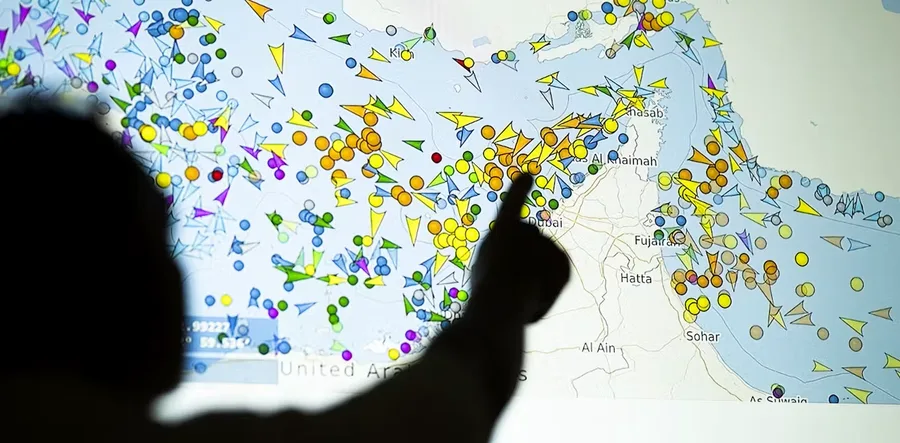
Iran’s decision to levy tolls on ships passing through the crucial choke hold has an unlikely connection to the site of Shakespeare’s ‘Hamlet.’


Russia is not just moving Ukrainian children. It is taking away their identities. Will the $25 million being spent by the US to locate and rehabilitate forcibly transferred children be enough?

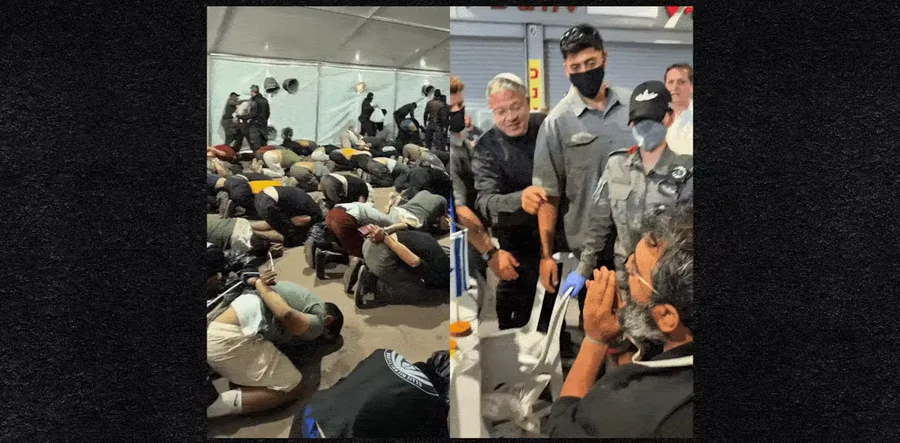
Israeli treatment of the detained flotilla activists has outraged the world. This is why international law matters in conflicts.


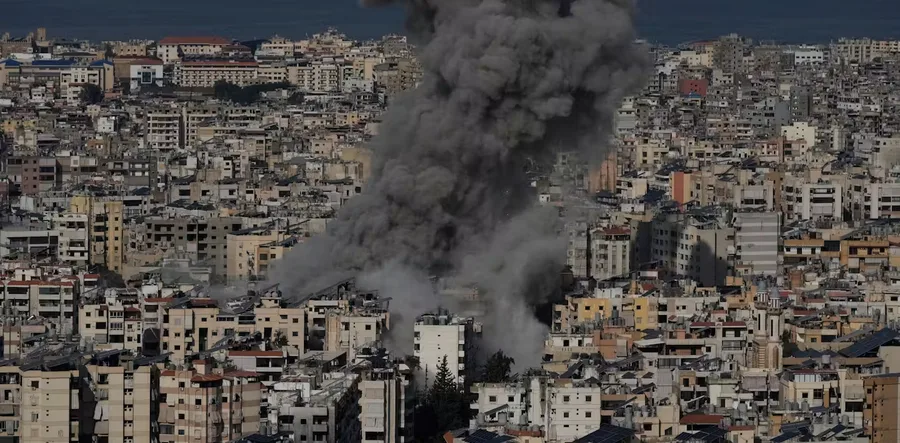
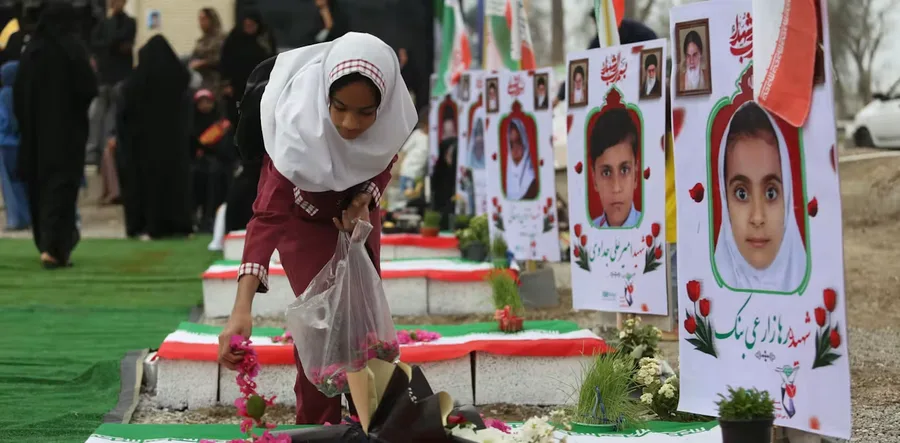
As the war in Iran escalates across the region, urgent questions about civilian harm, accountability and the limits of international law become harder to answer.

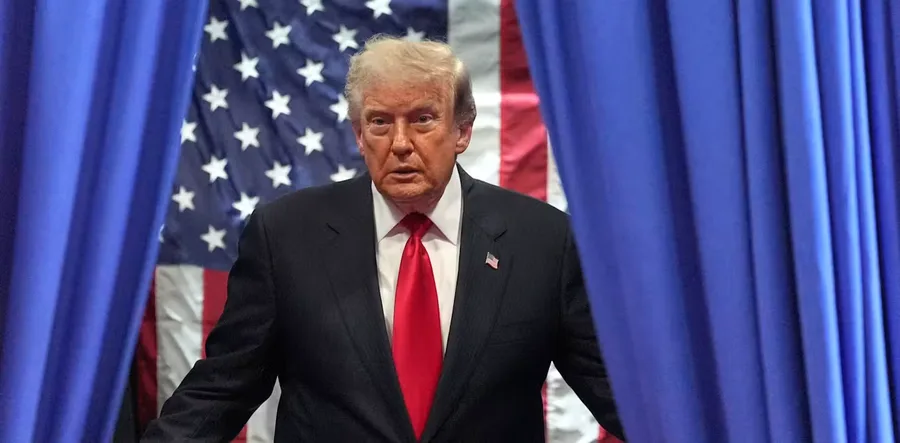
Maggie Haberman and Jonathan Swan’s excellent book Regime Change reveals the depth and consequences of Donald Trump’s obsession with fame and power.

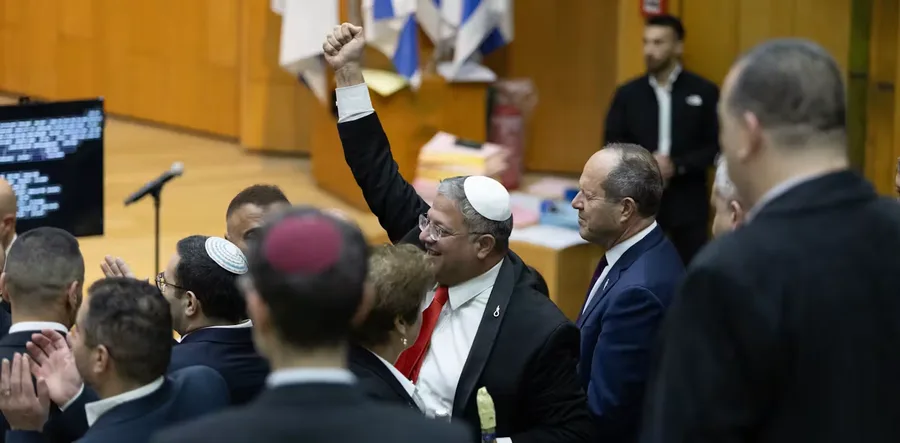
This development reverses decades of global movement towards abolition of the death penalty, while normalising executions in an occupied territory.

If Israel possesses a nuclear arsenal, while Iran is denied that possibility, what do the international norms on accepting, producing or acquiring nuclear weapons have to say about such double standards?

research.ioSign up to keep scrolling
Create your feed subscriptions, save articles, keep scrolling.