Pollution – The Conversation


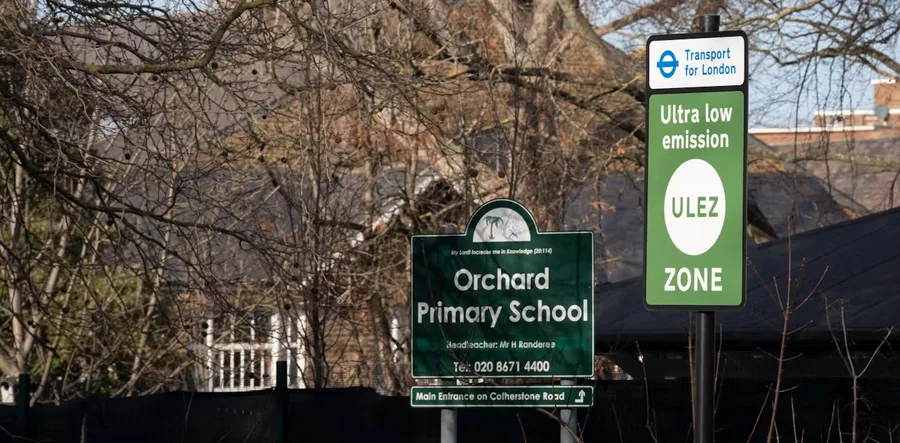
Even modest differences in lung function and growth across childhood can matter for long-term health.


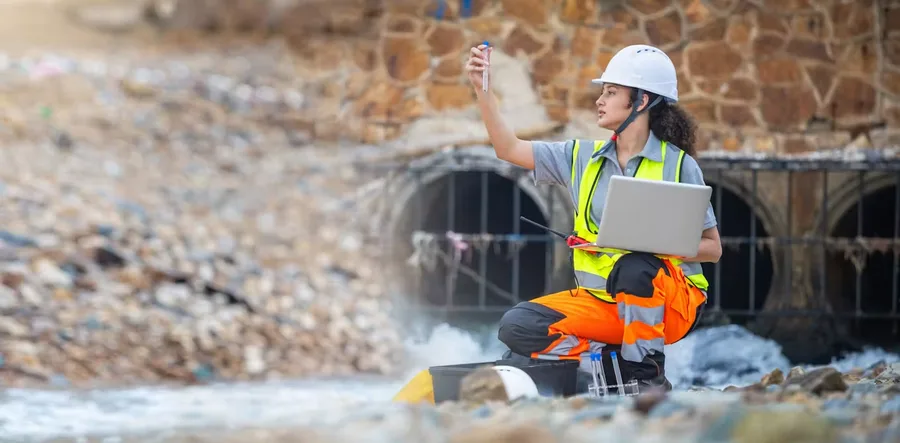
The government promises joined‑up and long‑term regional planning for water. But some pressing challenges appear to receive surprisingly little attention.

Researchers have transformed air quality data into maps, visualisations and exhibitions to connect people to the issues in tangible ways.

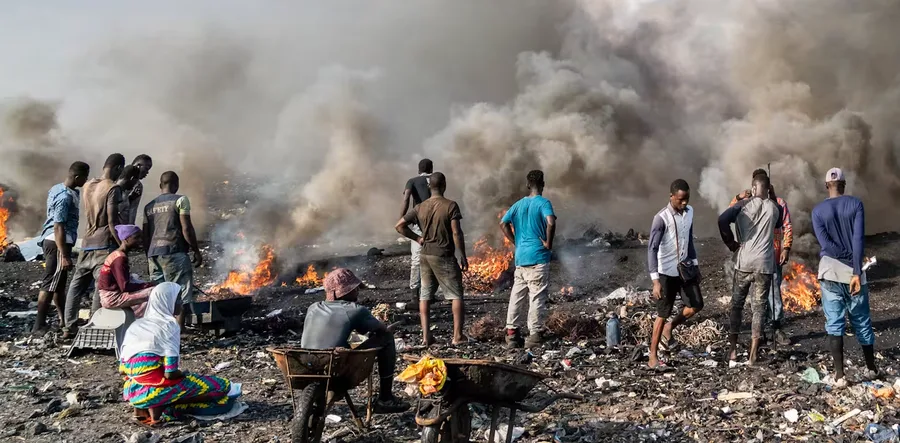
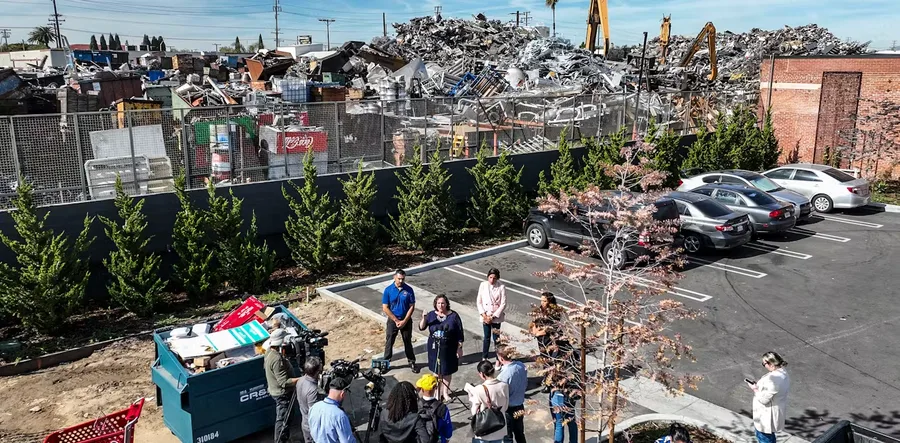
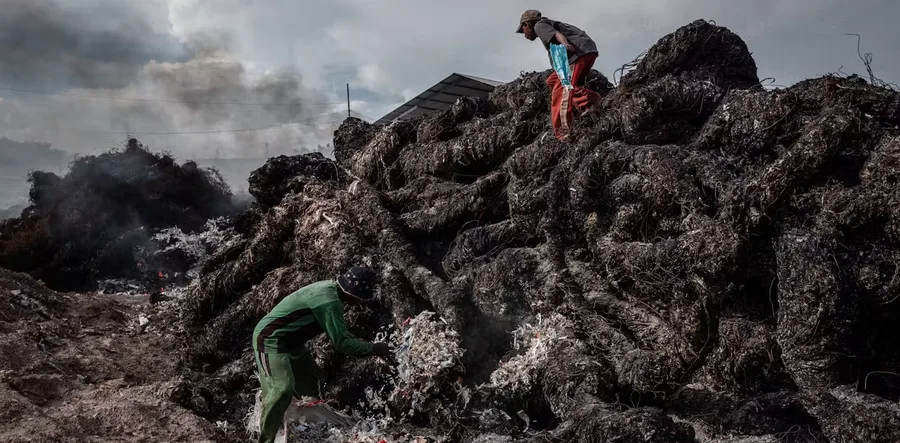
In Agbogbloshie, Ghana, thousands of young women and men burn electronic waste to extract minerals at a cost to their health. They need more protection.

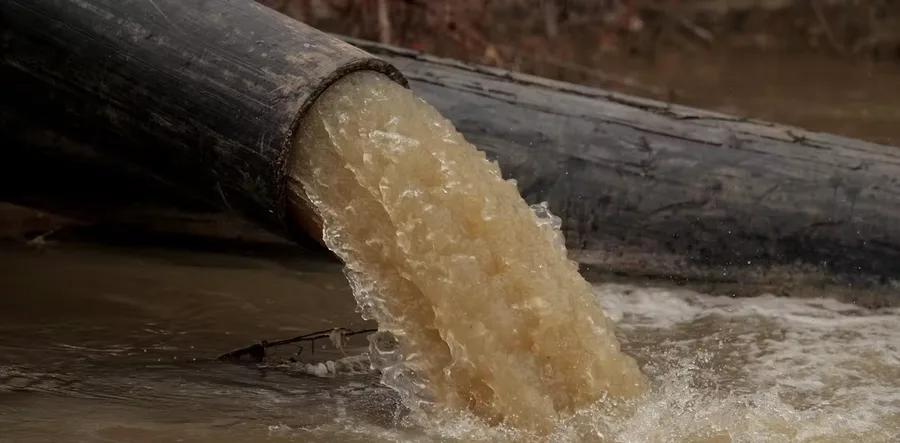
The largest sewage spill in US history wasn’t the first, and it won’t be the last.

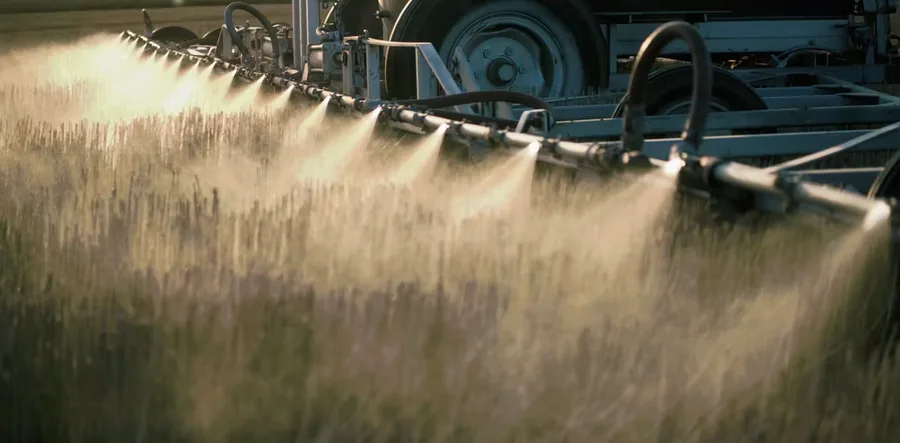
Paraquat is banned in dozens of countries – but this cheap imported herbicide is everywhere in Australia.


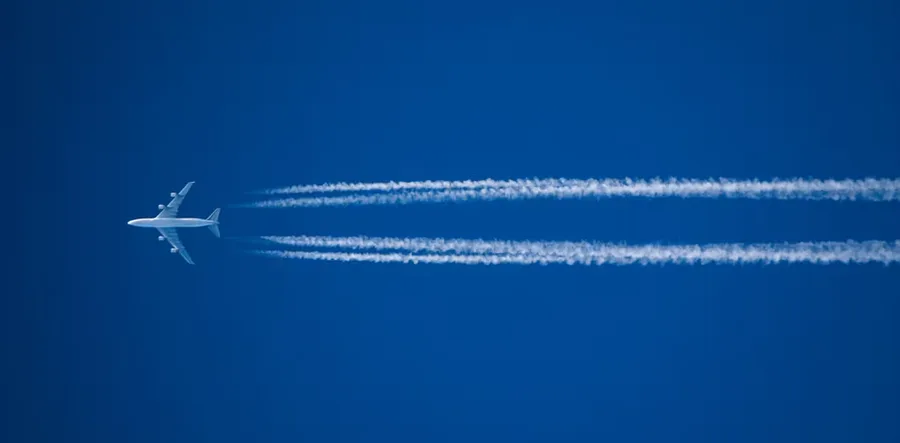
Research suggests there may be ways to reduce the climate impact of flights by addressing the white trails they leave behind.

Detailed data is useful for understanding and addressing environmental effects on people’s lives in ways that become difficult or impossible if only the broadest and blurriest picture is developed.

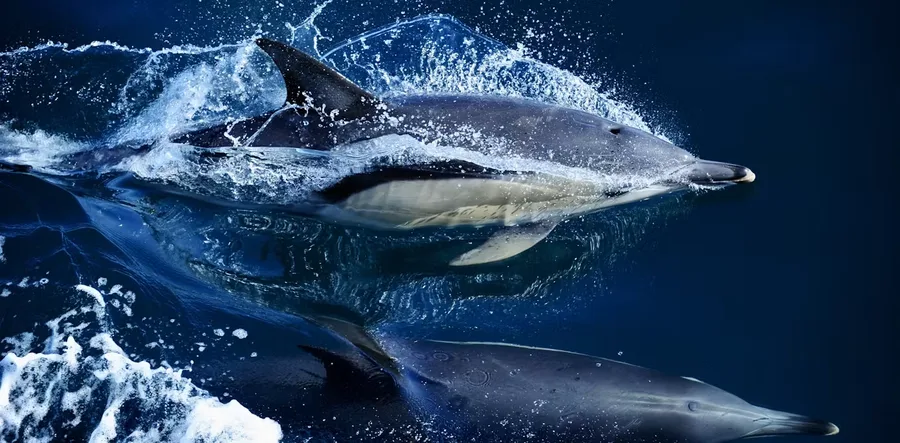
Nowhere is safe from forever chemical pollution – not even the middle of the ocean. PFAS levels are on the rise in the world’s whales and dolphins.

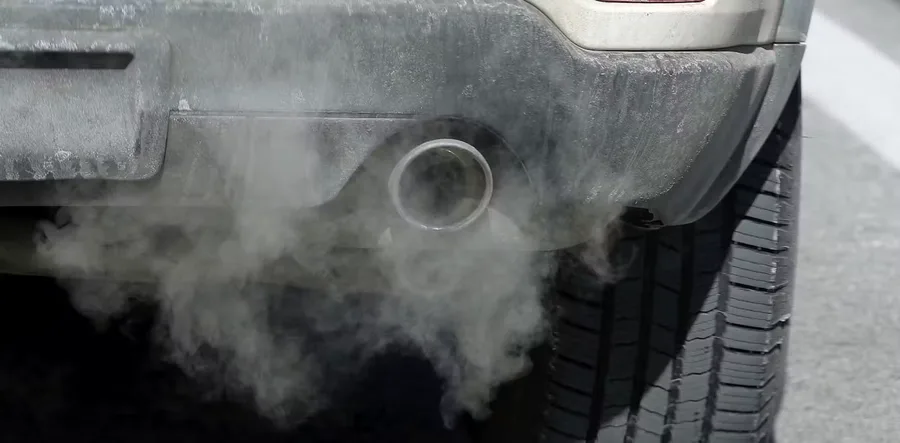
Idling vehicles are easy targets for enforcement – they’re often left running for no good reason.

It’s the largest lawsuit ever brought by the Australian government. But what is the $2 billion forever chemicals case meant to achieve?

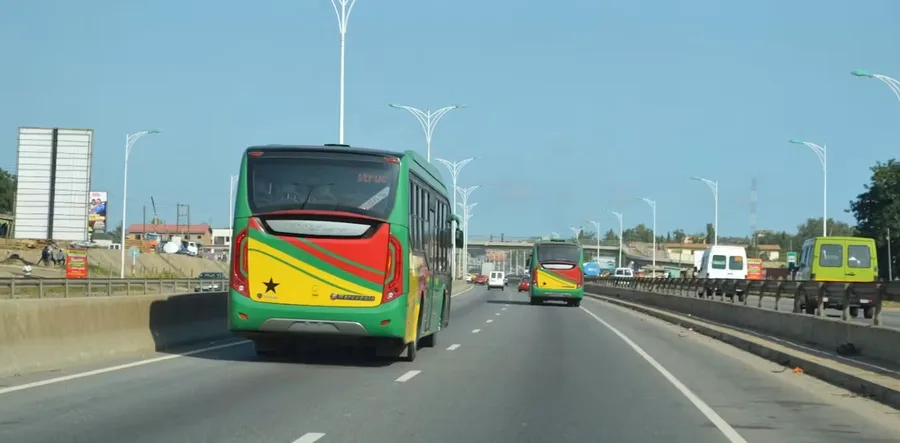
As cities grow, it would be better to have more efficient, higher-capacity transport than more vehicles on the road.

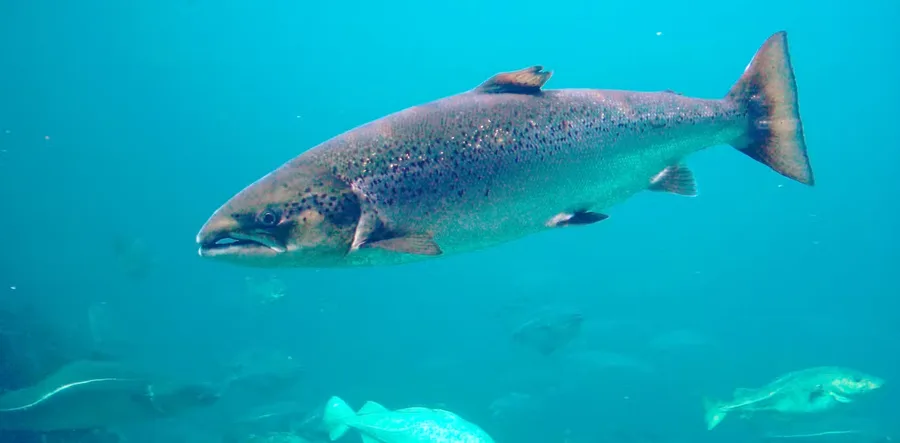
Drugs and their byproducts can end up in wild fish – and strange behaviour results.

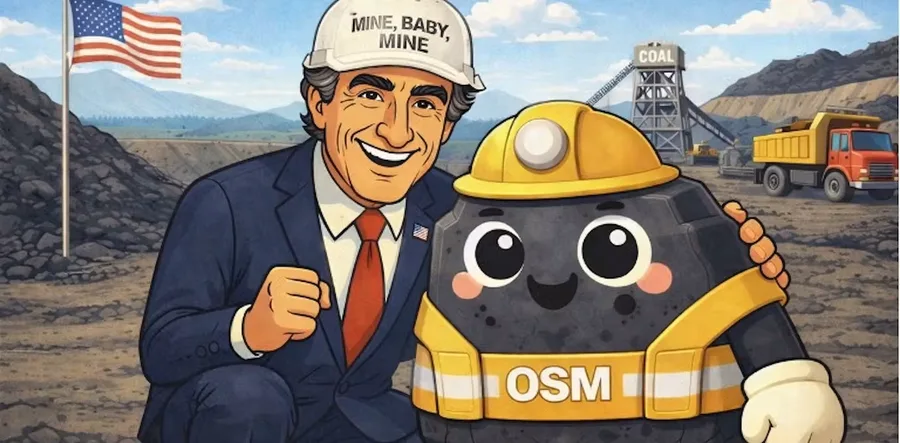
Ads from the 19th and 20th centuries shows how the industry has long tried to promote coal as clean and even healthy, despite evidence to the contrary.

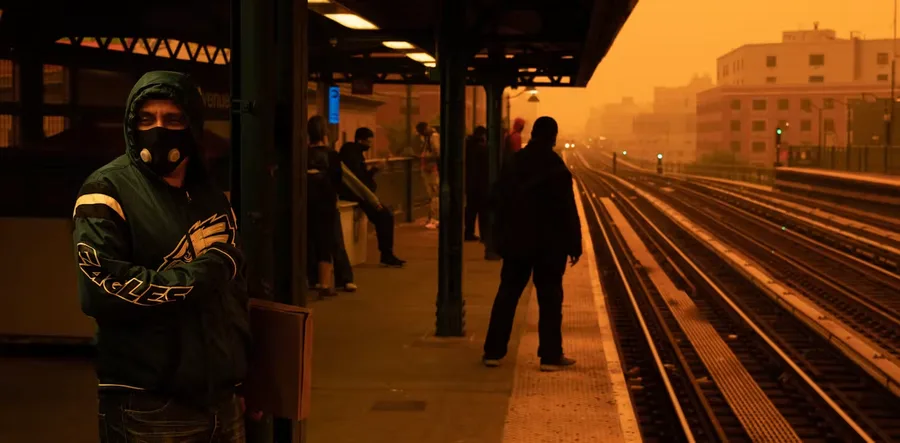
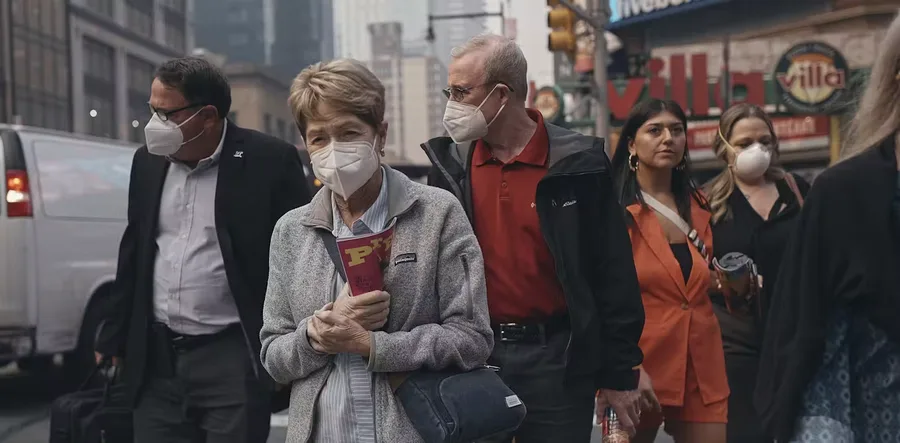
By 2100, 100 million Americans could breathe unhealthy air in the summer, seven times more than in 2000.

As more countries ban waste imports, plastic waste generators like the US will need to find better solutions. A few states are putting more responsibility on producers.

Even quite young children are watching, thinking and feeling things about the future of the environment. Those feelings deserve to be taken seriously.

research.ioSign up to keep scrolling
Create your feed subscriptions, save articles, keep scrolling.