Generative AI – The Conversation


Anyone can now build an app by describing an idea to AI. But software that appears to work isn’t always secure, reliable or ready for real-world use.

Generative AI systems show signs of being addictive, but the evidence is still at an early stage.


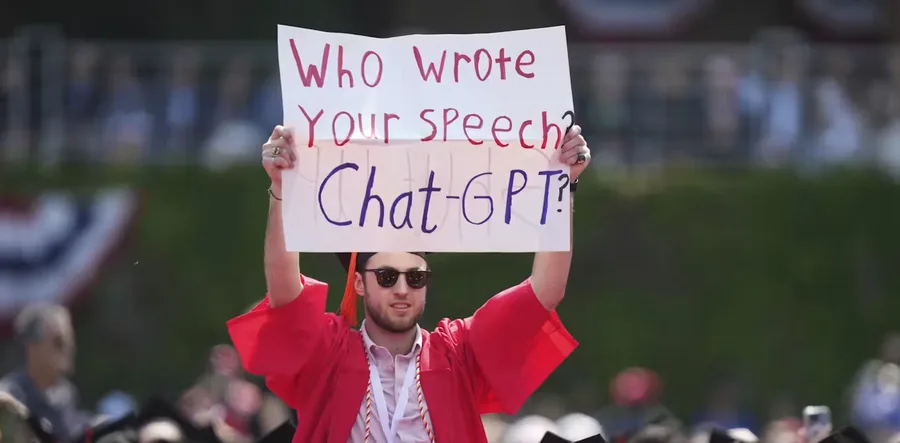
Universities’ crackdown on the use of AI misses the point. They should instead teach it as a vital productivity tool, undepinned by ethics.

The evolution of technology and how it is used, or misused, is central to the study of pop production and performance.

As schools consider AI guidelines, educators are also thinking about how they can adjust their assignments to accurately measure what students are actually learning.

Instead of schools trying to replace teachers with AI, teachers could use AI to become better educators.

Several scientific fields rely on visual evidence to illustrate their claims. Inaccurate AI-generated images put the credibility of science at risk.

For older employees already experiencing burnout, poorly designed or poorly timed training can become an additional job demand rather than a solution.

In her Quarterly Essay, Anna Goldsworthy treats AI as a mirror rather than a monster. Is humanity wise enough to live with a technology that amplifies our weaknesses?

Delivering on Ottawa’s AI for All strategy will require governments to build wraparound supports for workers, businesses and communities.

Beyond technical fluency, Canadian students need judgment to decide how to use AI and when it should not be used at all.

AI-powered breakthroughs are raising big questions about how to do mathematics – and why we do it in the first place.

As AI transforms graduate careers, universities should rethink when students specialise and how they combine disciplinary expertise with broader skills.



When AI is used to manufacture fake endorsements, copyright law doesn’t do enough to protect celebrities, influencers and other public figures.

For legal reasons, organisations require a human reviewer of generative AI outputs. But this human oversight must be valued and budgeted for in the transition to AI.

When AI hands us an answer, we risk bypassing the process through which learning happens.


research.ioSign up to keep scrolling
Create your feed subscriptions, save articles, keep scrolling.