Hydrology – The Conversation


Mosquito populations can respond quickly to changing climate, which means the location of areas at risk of malaria might change.

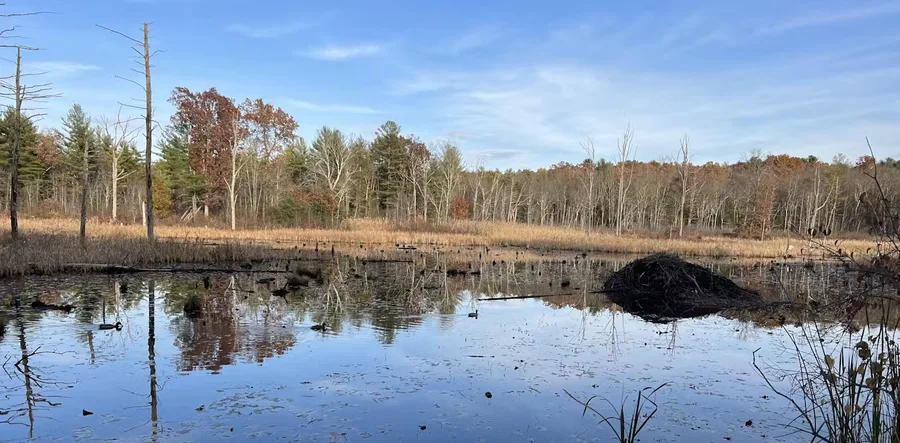
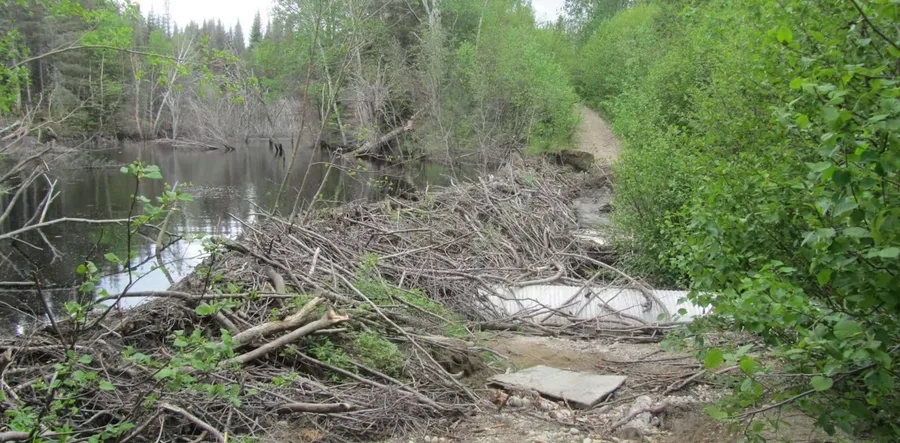
Beavers in our landscapes have great potential to provide small-scale adaptations to climate change – if humans can figure out how to live with them.

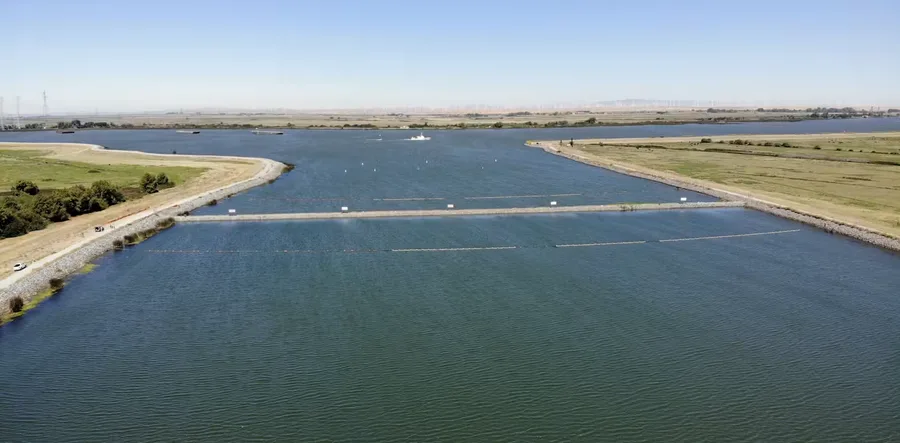
Saltwater intrusion is bad for human health, ecosystems, crops and infrastructure. Here’s how seawater can move inland, and why climate change is making this phenomenon more frequent and severe.

By mismanaging its forestry road system, Québec and the forestry companies operating in public forests have made significant savings, to the detriment of protecting aquatic environments.

It’s about developing a community of practice: people who can work alongside scientists, taking science out of the laboratory and into the field.


‘Green water’ is essential for healthy soils and a benign climate, but it’s under threat.

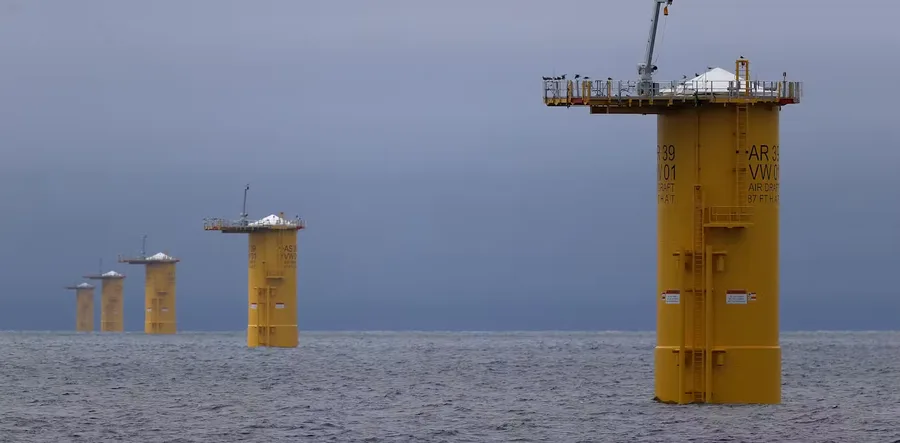
A recent study focusing on how offshore wind farms in Massachusetts waters could affect endangered right whales does not call for slowing the projects, but says monitoring will be critical.

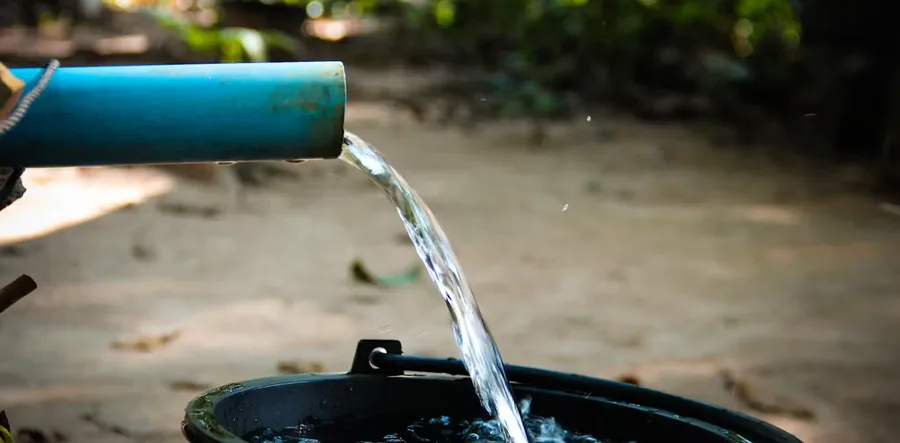
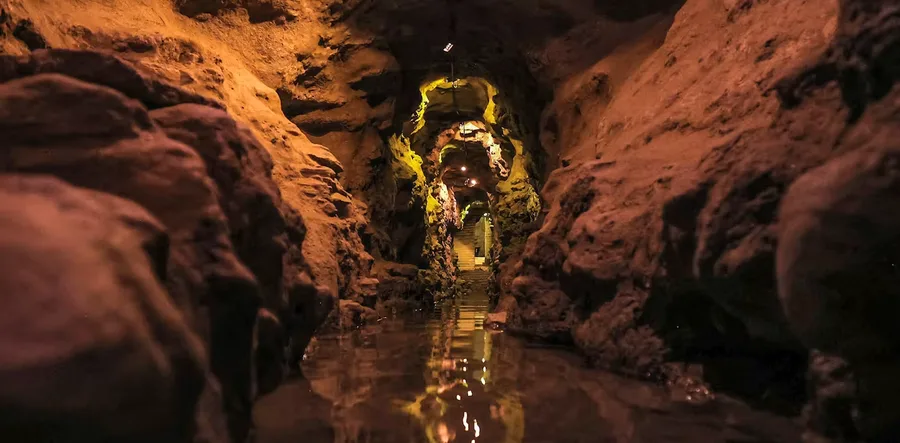
Qanats are an ancient system which could be a useful way of getting water to farms in arid areas.

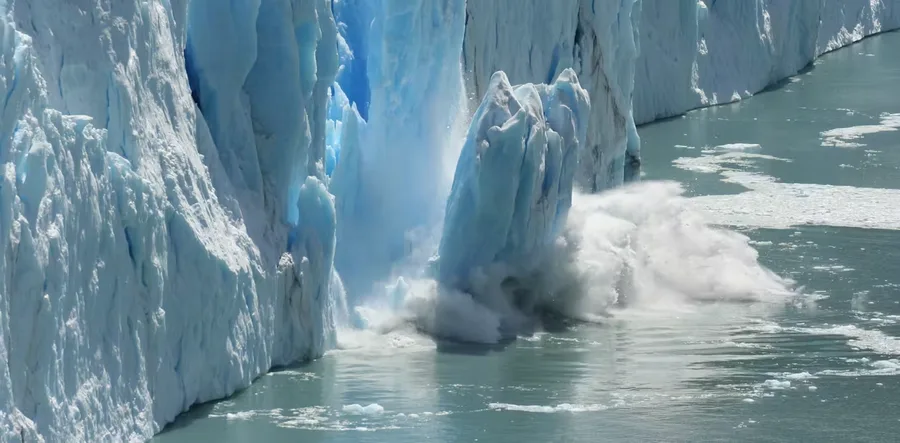
Water is very heavy – and it can move. Until now, changes to water on land have actually offset much of the rising sea level from ice melt. How? Gravity

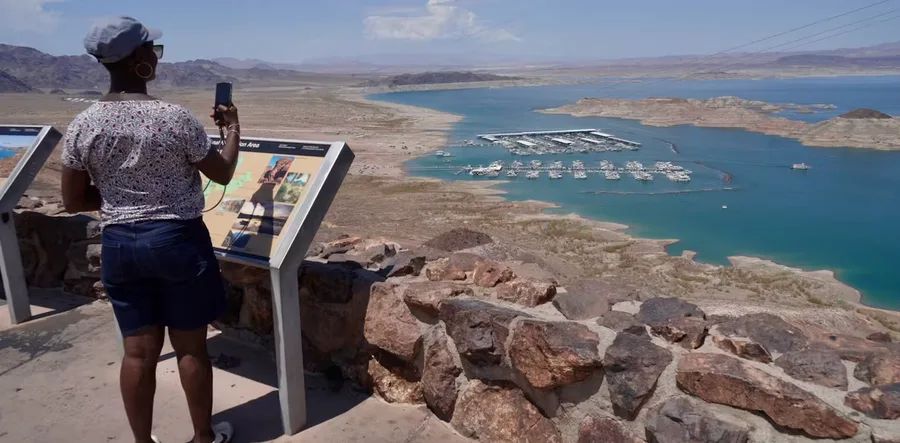
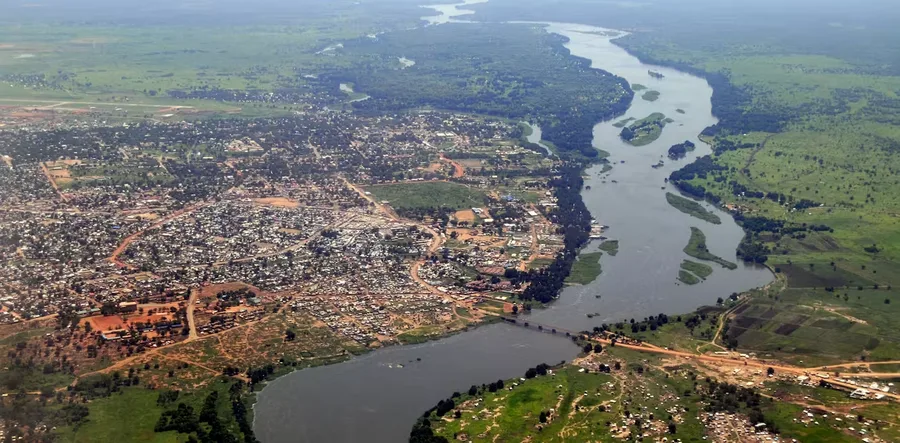
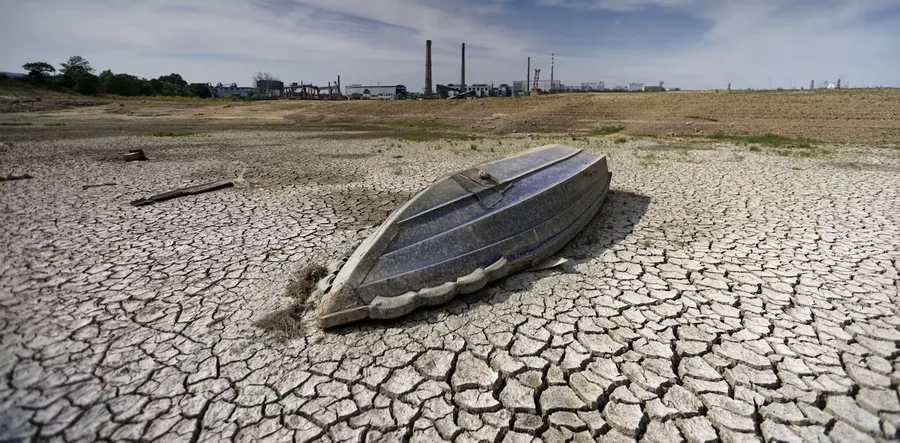
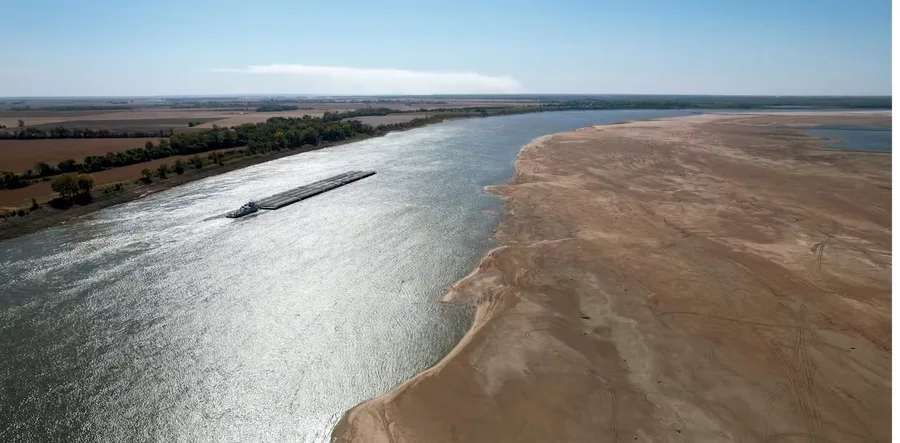
Record low water levels on the Mississippi and other major rivers, as seen in 2022, could become more common, threatening transportation of many key goods and raising prices.


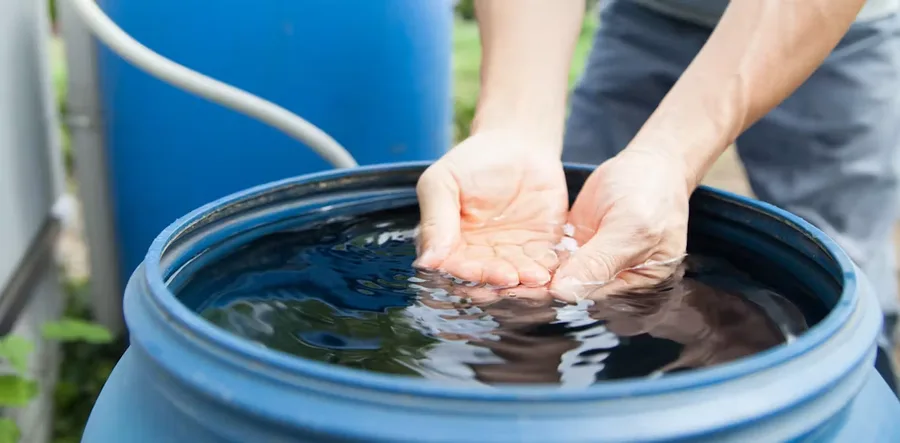
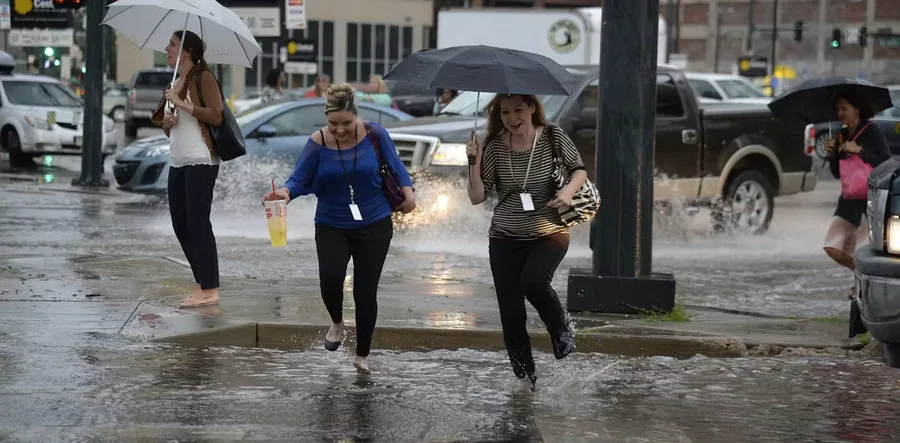
Extreme weather is set to dominate our future – can collecting rainwater reduce the threat posed by both drought and flooding?


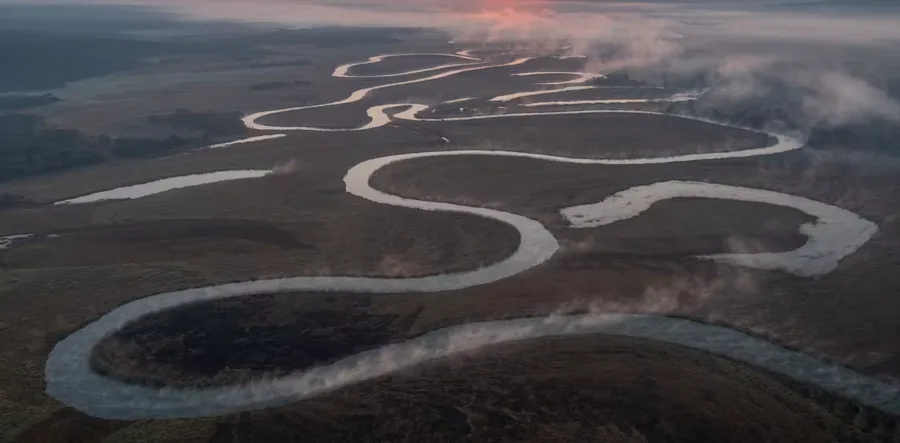
The Angolan Highlands are hydrologically and ecologically important - and the region’s newly mapped peatlands are valuable “carbon sinks”.

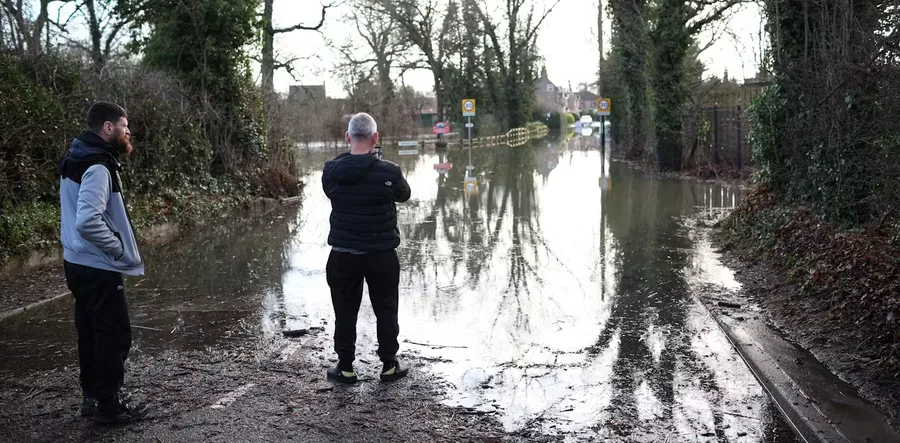
On one stretch of Nottingham’s River Trent, floods that arrived every 50 years now return in ten.

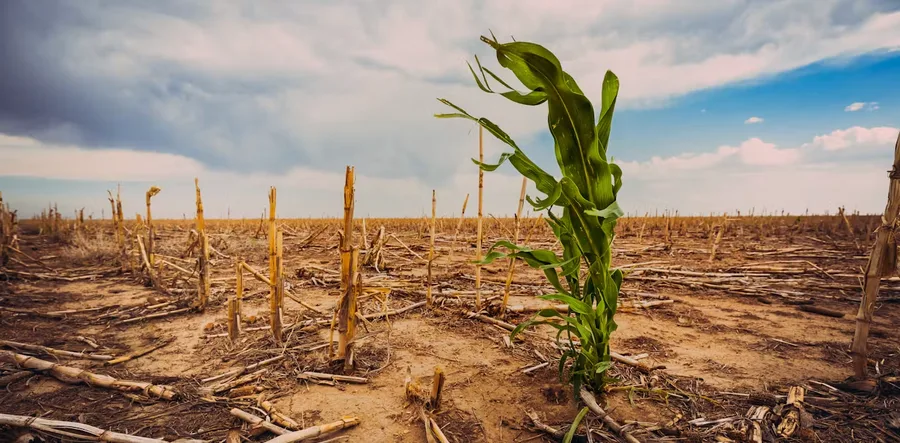
Even though annual precipitation is rising nationally, the landscape is drying out more rapidly. That’s changing the water cycle.

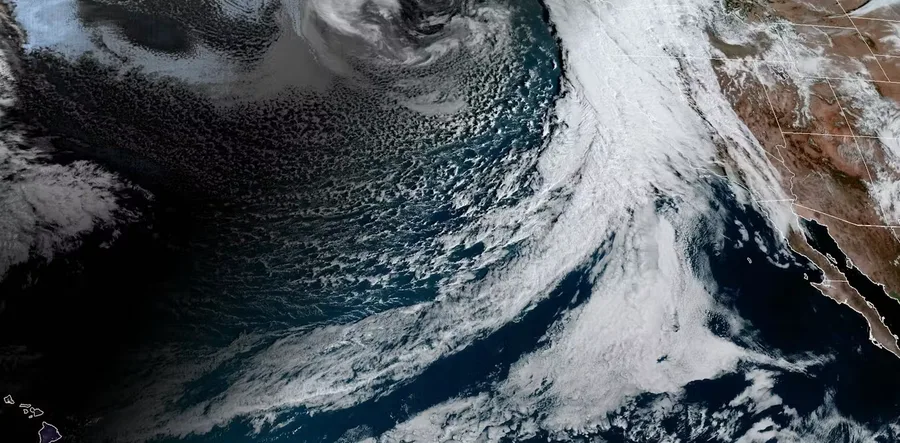
These giant rivers in the sky are both destructive and essential for the Western U.S. water supply.