Natural disasters – The Conversation


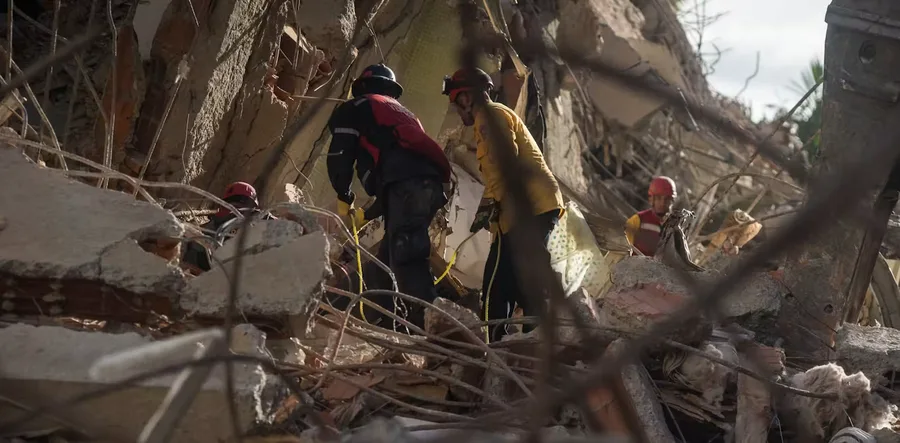
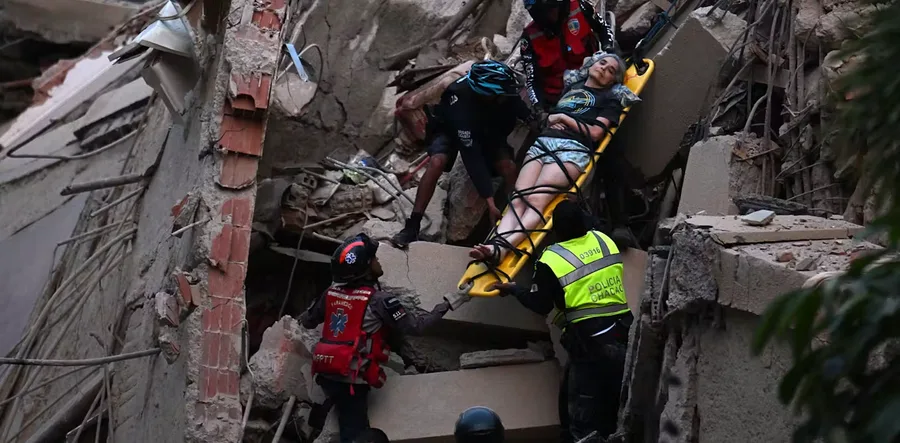
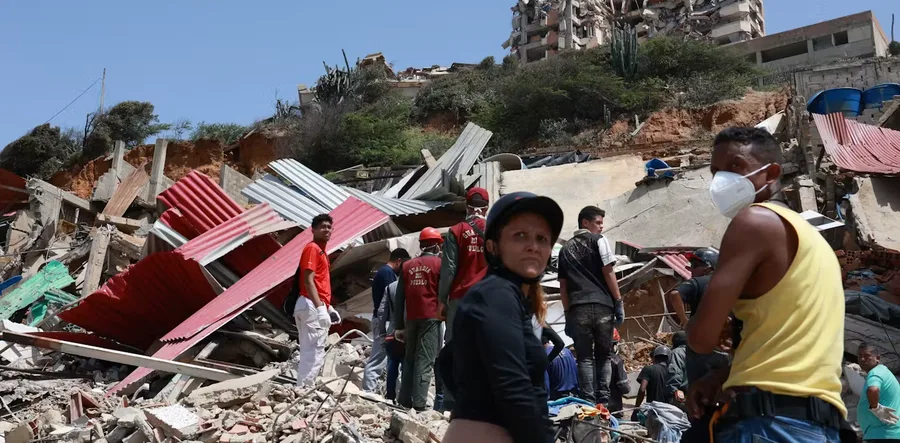
The earthquakes represent a politically perilous moment for Venezuela’s interim president, Delcy Rodríguez.

The federal government’s role in disaster management has been to provide some funding. However, that limited role can lead to poor co-ordinaton.

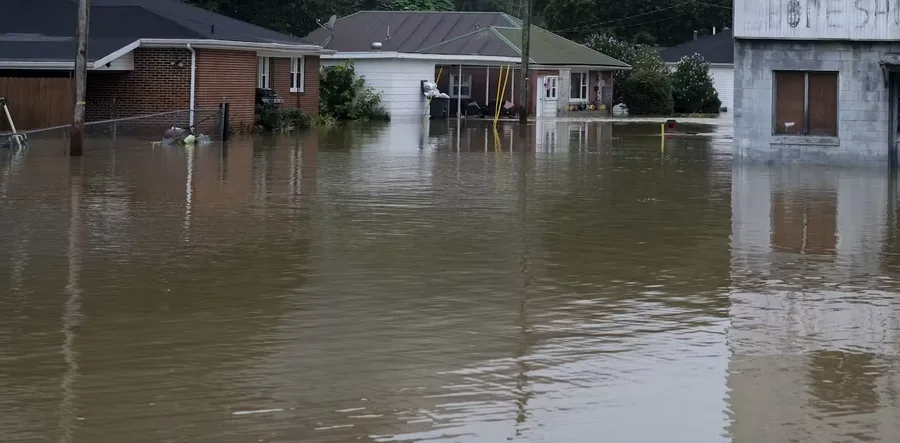
Floods can increase the risk of water contamination. A water safety expert explains how you can ensure your water is safe to drink.

If you want to help, an aid expert advises you to donate cash to nonprofits involved in local rescue and recovery efforts.

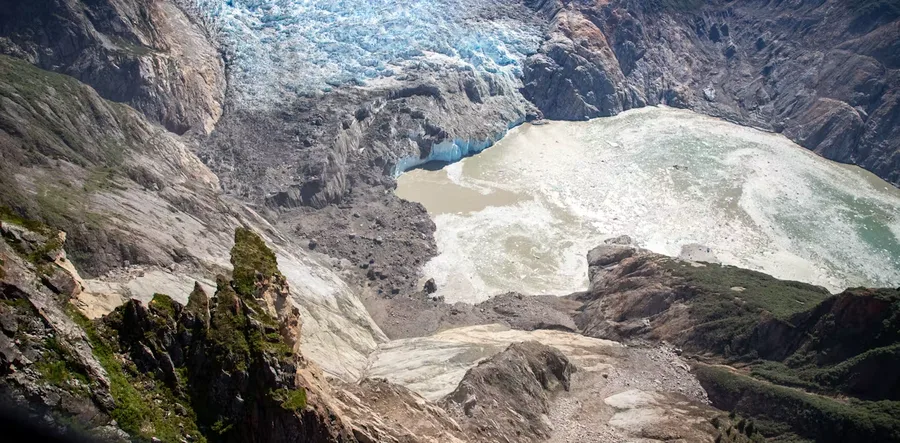
The tsunami struck just 12 hours after a cruise ship had left the fjord, rattling the tourism industry.

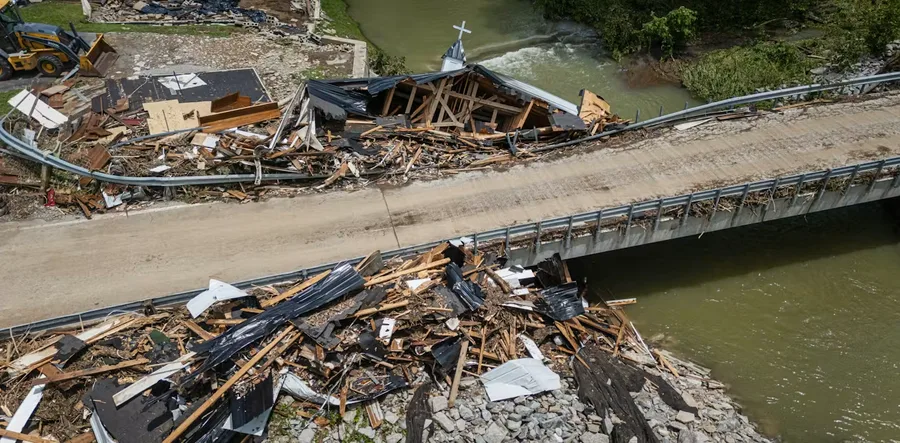
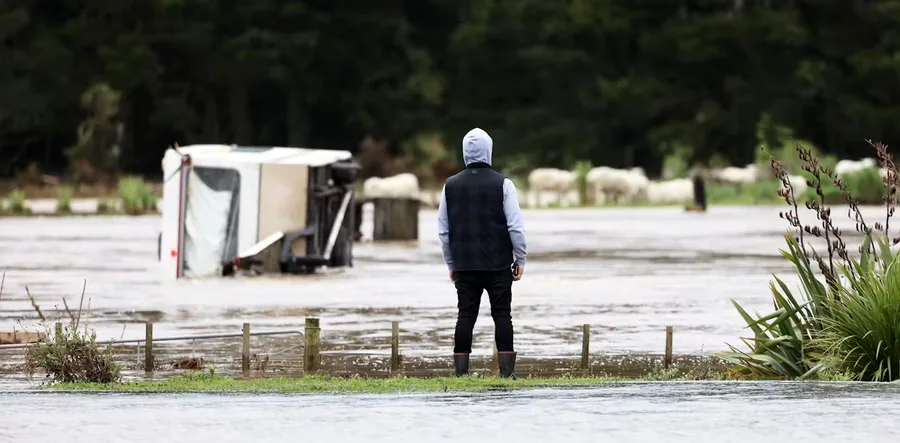
Increasing flash flooding is exhausting communities as they’re hit again and again.

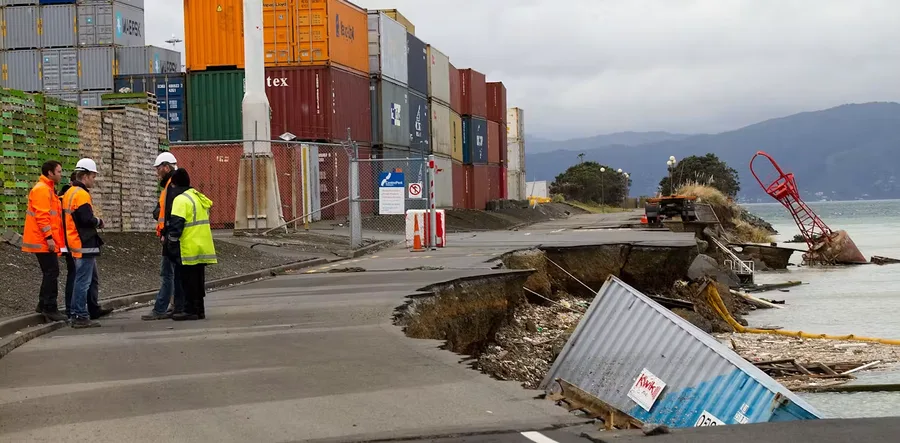
New research reveals a magnitude 8.5 earthquake is likely to trigger a cascade of problems for NZ’s freight networks. But how many are avoidable?

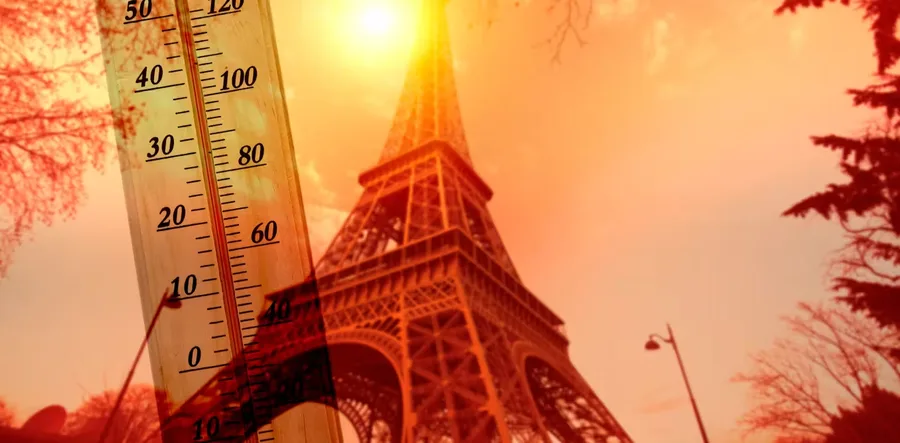
As people across Europe are having to acclimatise to an unprecedented heatwave, coordinated responses for tackling extreme heat need to come from the top, and there’s no time to lose.

Extreme weather events are increasingly coming in waves, giving communities just days or hours to recover before the next disaster hits.


A home might appear fine, but toxic contamination isn’t always evident by sight or smell. An engineer share safety tips for the recovery.

Disasters weaken support systems that take years to rebuild, at the same time people caught in them are under extraordinary financial and psychological stress.

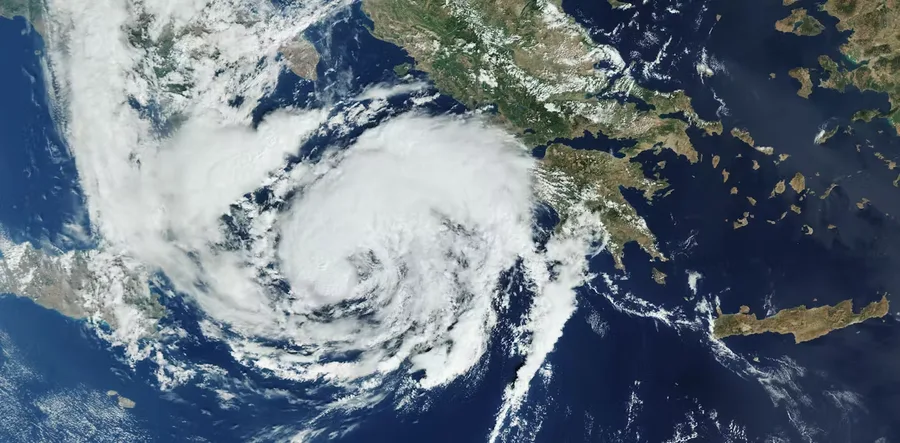
Freak tropical-like storms are highly sensitive to climate change and as a result, could be coming soon to the Mediterranean.

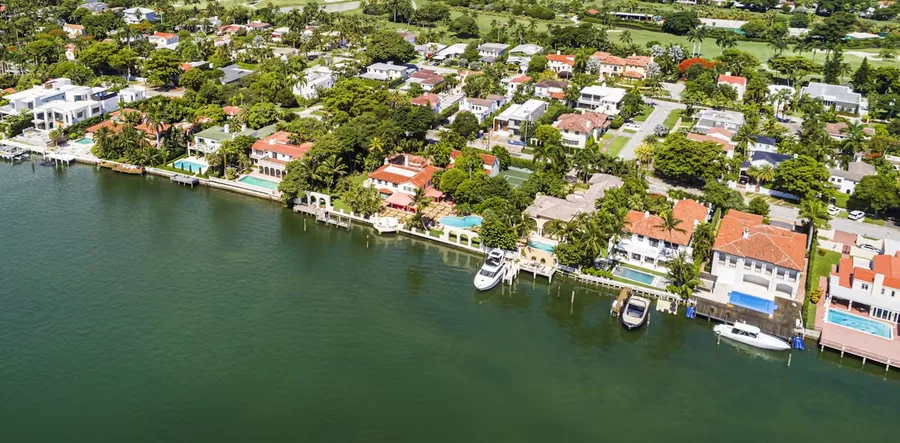
Subsidized insurance makes waterfront property seem safer than it is for wealthier buyers, while many low-income homeowners face repeat disasters with no help.

Two physicians discuss the ongoing earthquake relief efforts in their home country of Venezuela and explain what the healthcare system was like before the disaster.

Post-disaster reviews show NZ repeats the same warnings. Breaking the cycle means stronger laws, clearer responsibilities and greater funding.

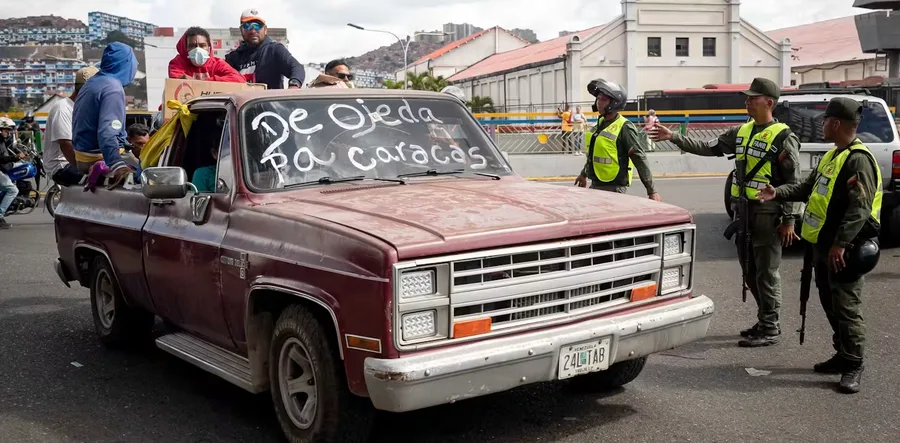
The armed forces are at the heart of the disaster response on Venezuela’s coast, just like they were in 1999.

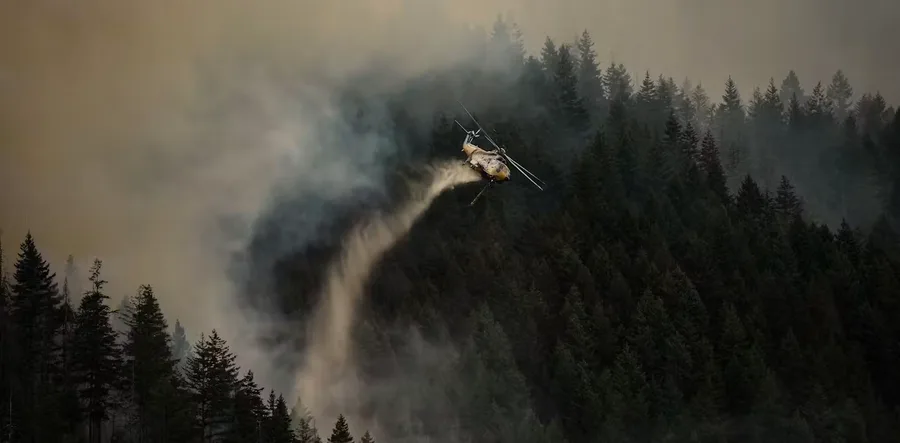
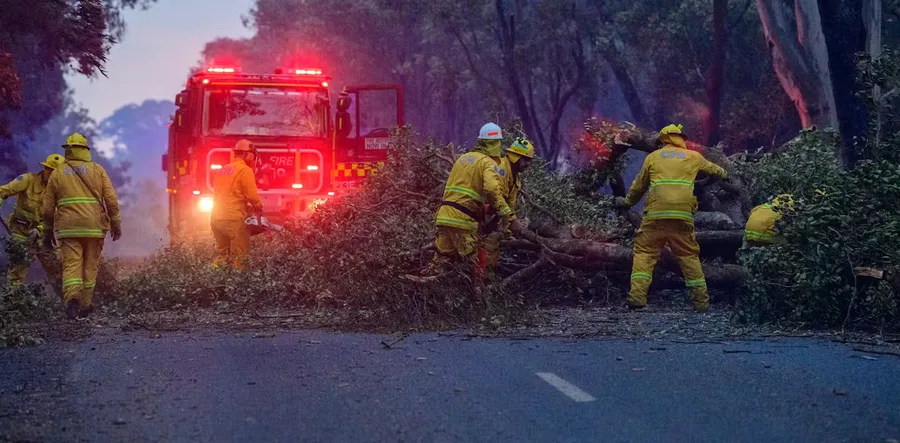
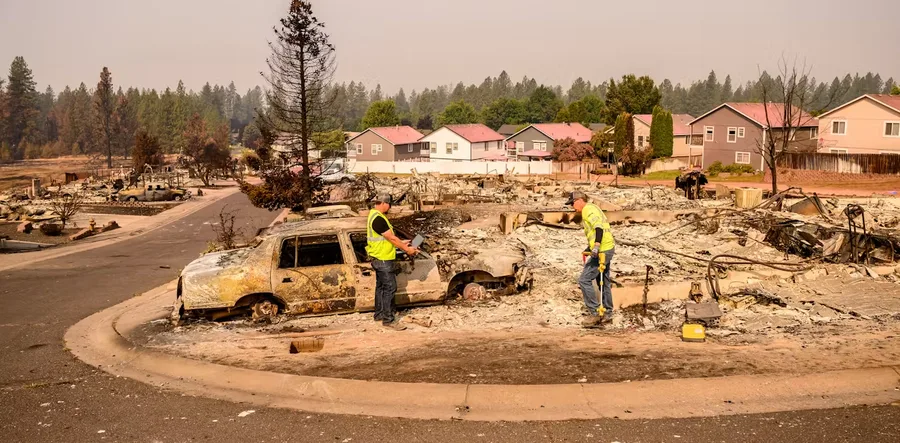
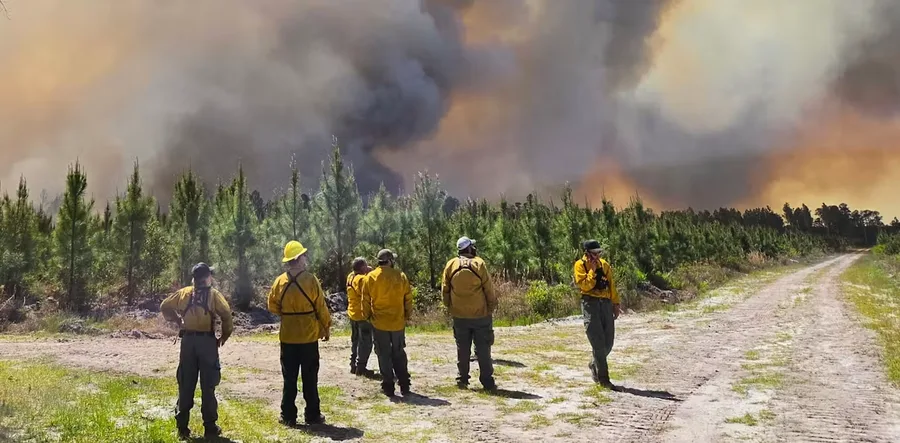
The southeastern US has been in drought for months. With the wind and unusually low humidity, it’s facing perfect conditions for wildfires spreading.

Evacuations in the face of a wildfire, hurricane or other disaster are stressful and can take more time than you might expect. Here’s why practice helps and what to think about.

research.ioSign up to keep scrolling
Create your feed subscriptions, save articles, keep scrolling.