Paleontology – The Conversation

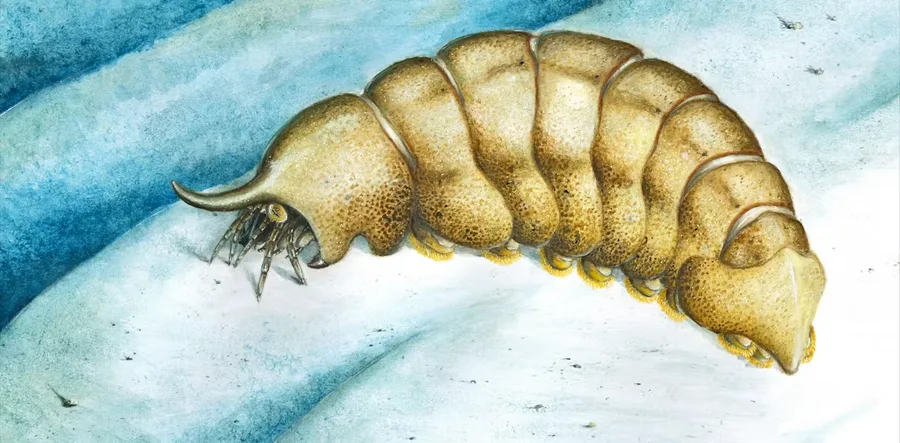
The strange fossils were lost in museum collections around the world for some 50 years.

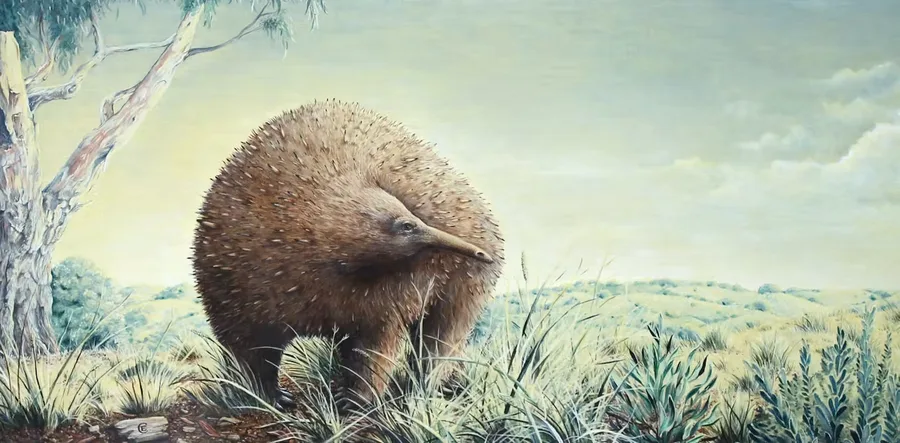
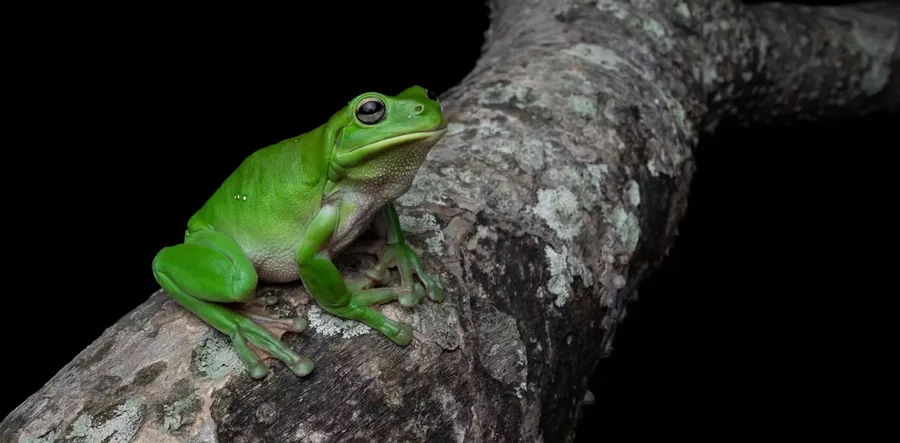
More than a hundred years after it was found in Foul Air Cave in Victoria, the fossil is granting us new insights into deep time.

A team of researchers worked grueling, hot hours in the desert to understand the history of life in Earth’s oceans after a major extinction event.

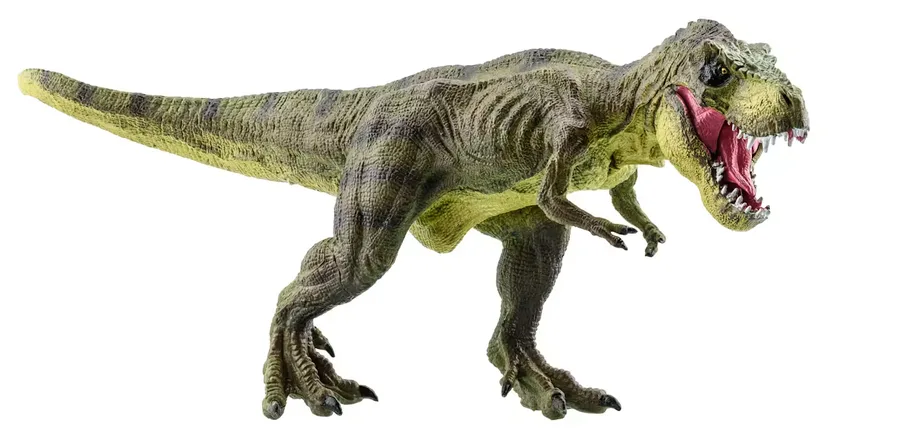
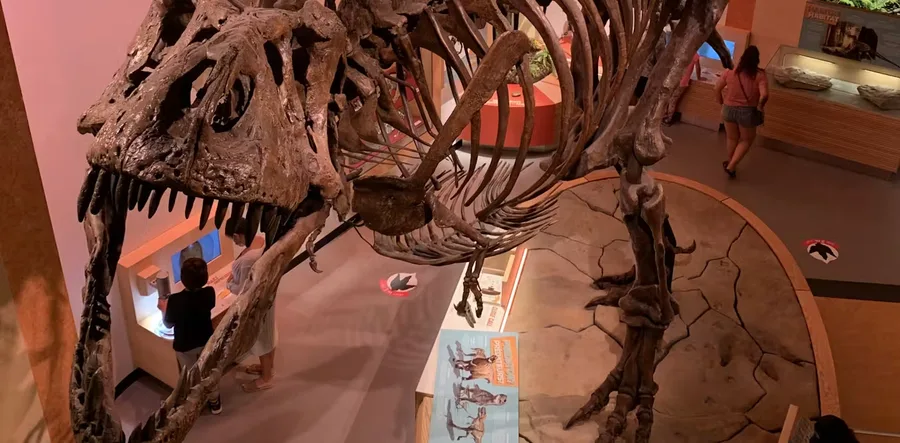
If humans had the same arm proportions as a T. rex, a 6-foot-tall person would have arms about 11 inches long.

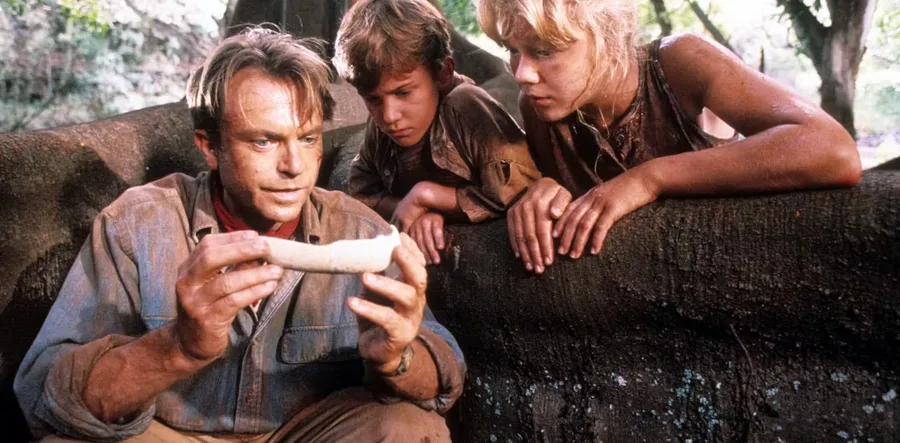
As Dr Alan Grant in Jurassic Park, Sam Neill portrayed a scientist who was authentic, normal and relatable. For many budding paleontologists, it was life changing.

The hunt for a mythicized fossil hot spot took a team of researchers on a journey through the Sahara Desert.

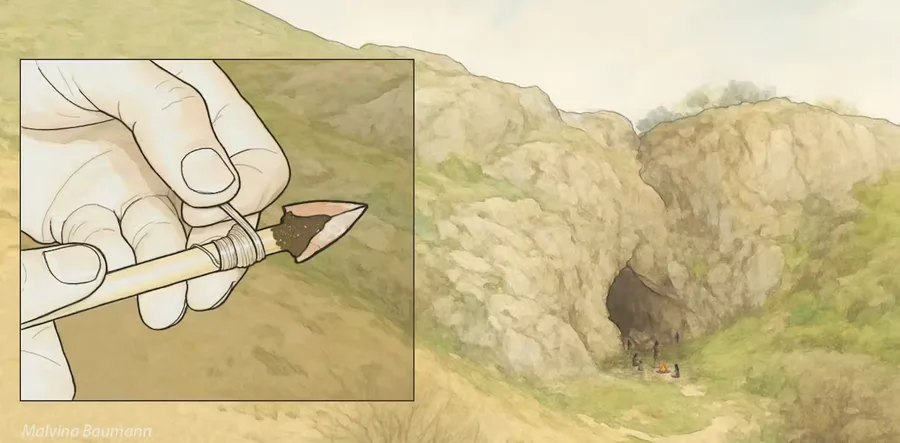
Tiny triangular-shaped flints from arrowheads found in Uzbekistan shed light on how the first settlement of ‘Homo sapiens’ – our modern human ancestors – came to Europe.

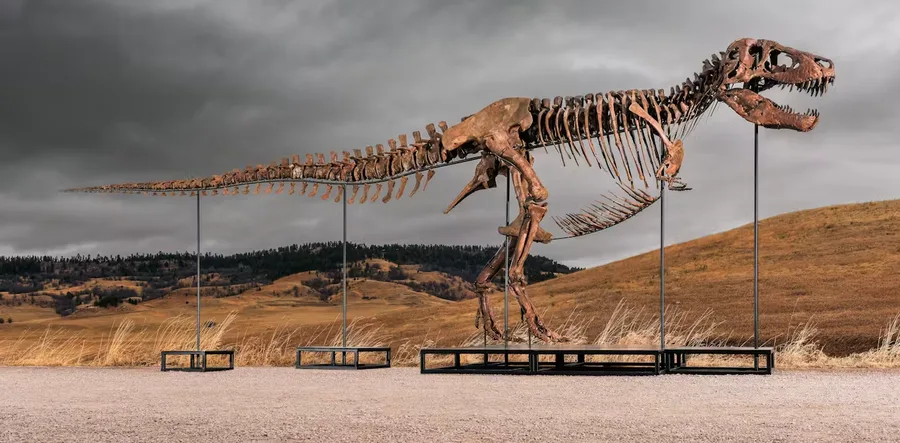
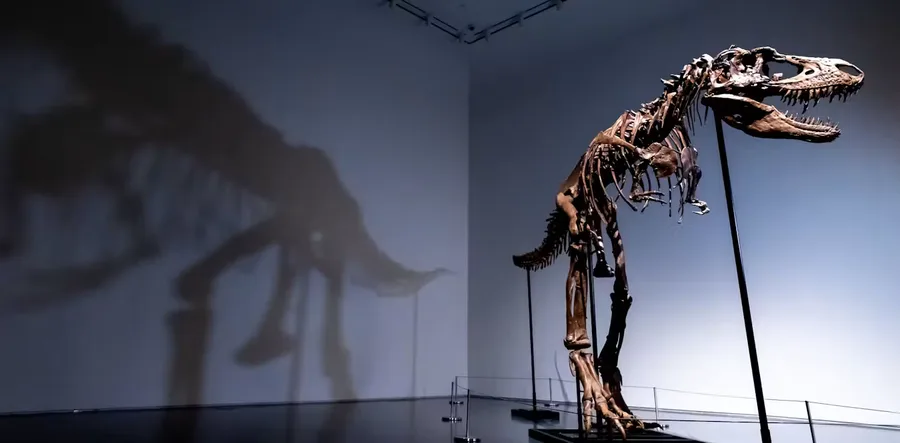
Sold for a record price of more than $50 million, ‘Gus’ was described by Sotheby’s as more than 60% complete.

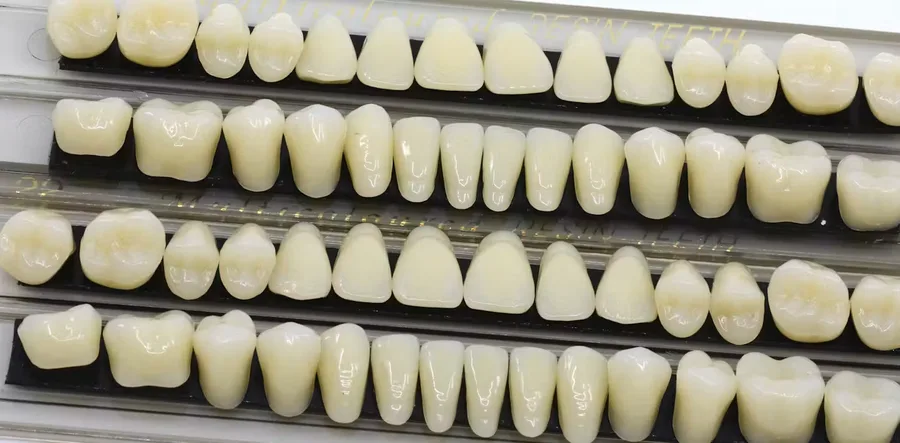
The balance of different varieties of atoms inside a person’s teeth can reveal a week-by-week record of rainfall and protein consumption during their infancy.


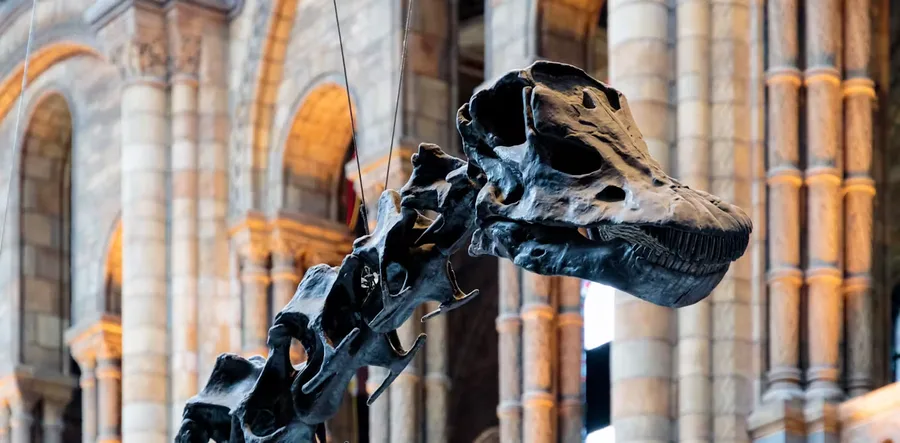
Dippy has been seen up close by more people around the world than any other dinosaur.

A recent study provides evidence that Neanderthals used rhinoceros teeth as tools.

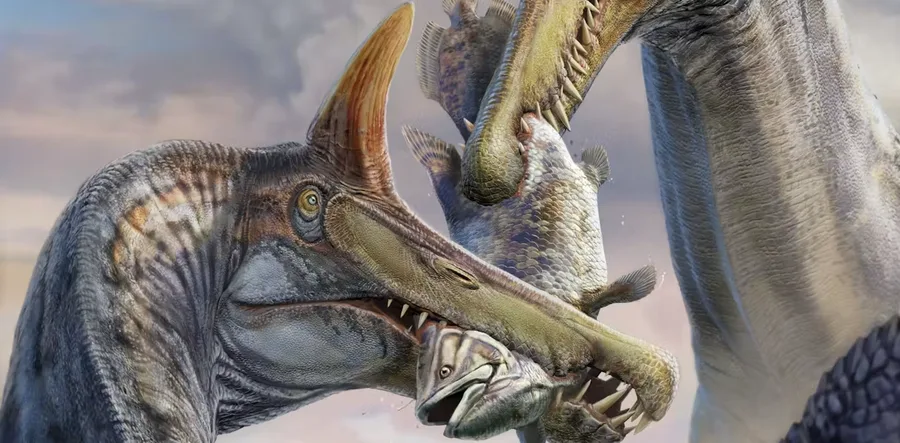
Dinosaur wings seem to have originally been used not to fly but to attract a mate.

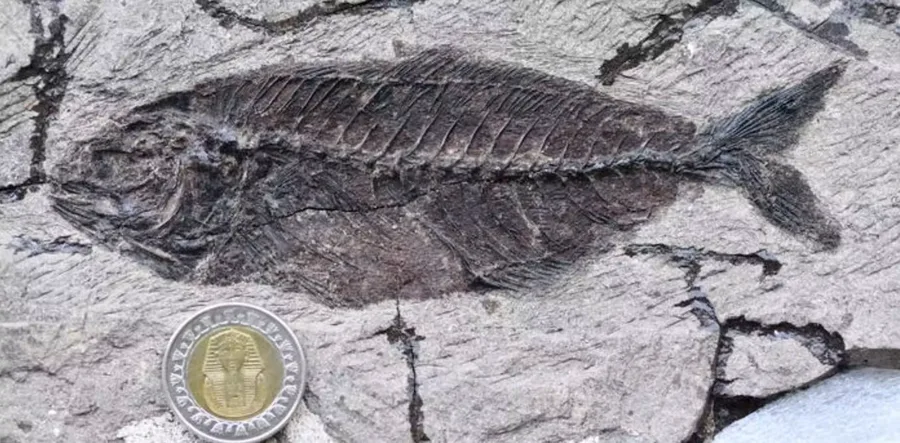
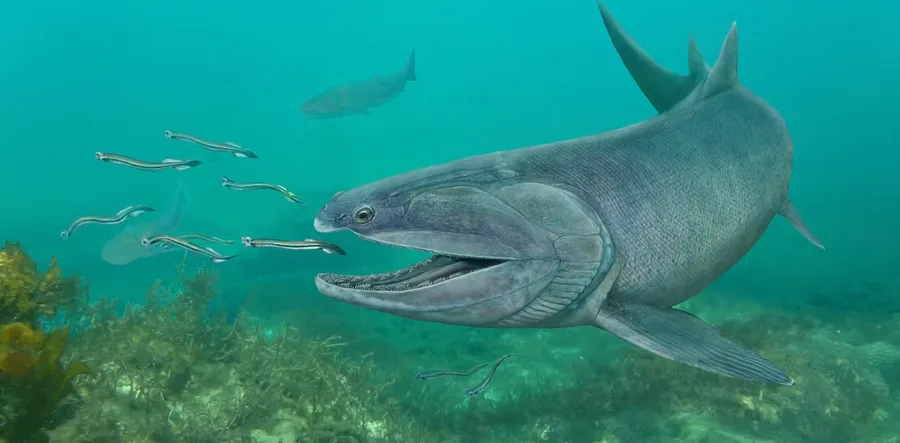
The newly discovered fish fossil fills a key gap in our understanding of the evolution of vertebrate diversity.

A physicist applies new technologies to studying ancient fossils, and makes some intriguing discoveries.

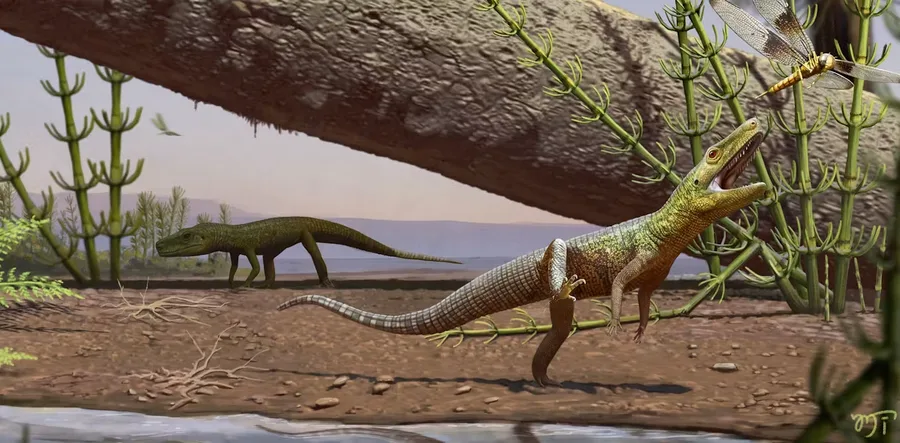
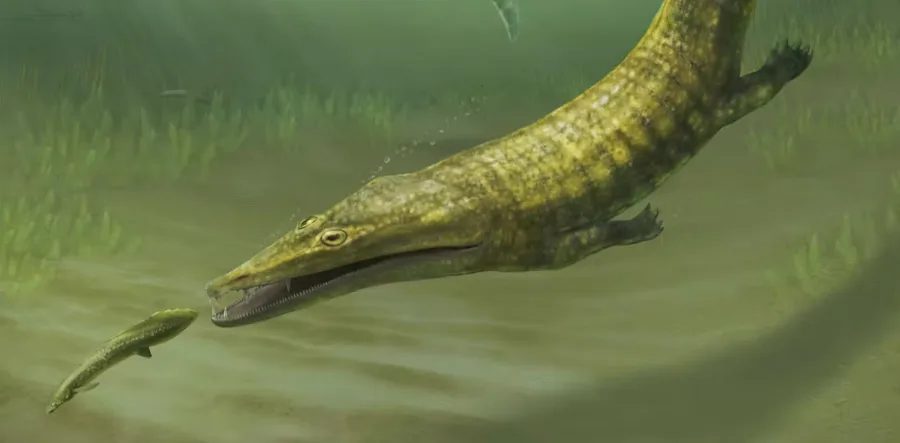
A 240-million-year-old animal helps us understand a period before the rise of dinosaurs and crocodiles, when their close relatives were still experimenting with different body shapes, postures, and modes of locomotion

The fossil is a reminder of how incomplete our understanding of Earth’s history remains.

Dinosaur fossils are sold for millions to private collectors. These fossils are scientific evidence, and need to be accessible for research and public education.

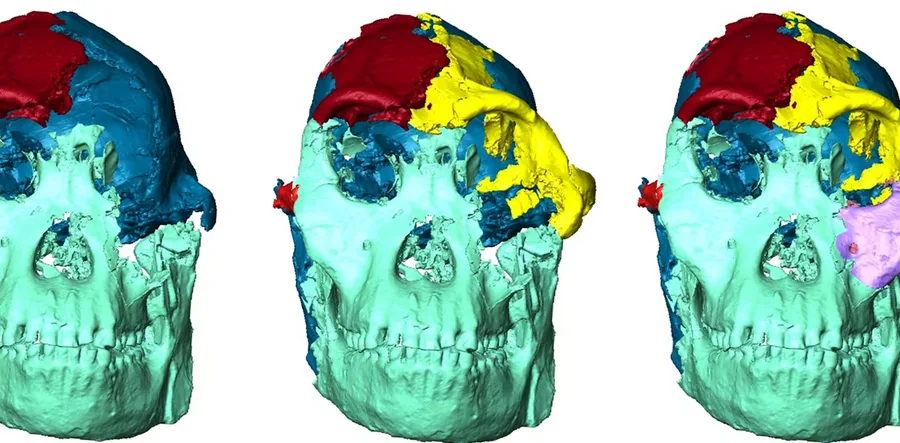
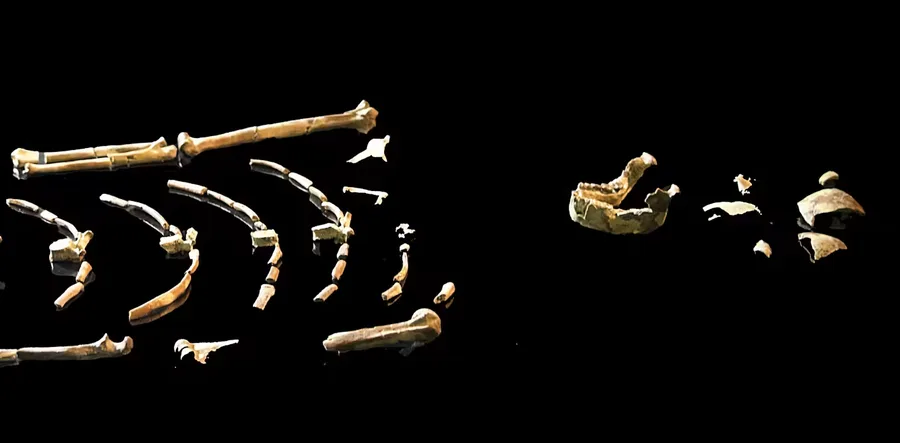
What did the face of our ancestors looks like 3 million years ago? Meet the reconstructed skull of “Little Foot” which provides valuable insights into how our ancestors adapted to their environment.

research.ioSign up to keep scrolling
Create your feed subscriptions, save articles, keep scrolling.