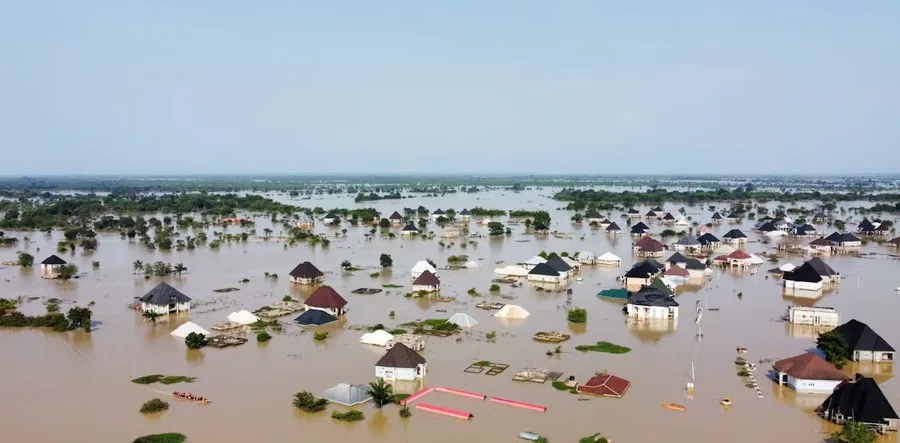
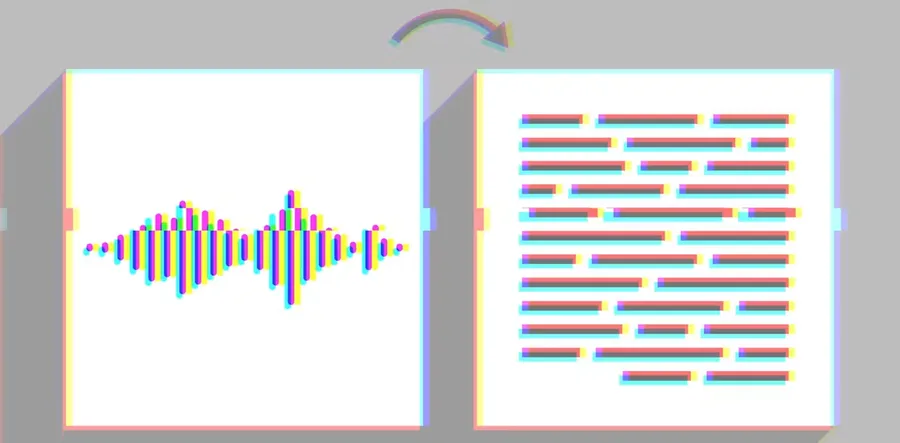
AI tools can help communities respond to floods, heatwaves and other climate emergencies – but only once trained to interpret the nuance of everyday language.
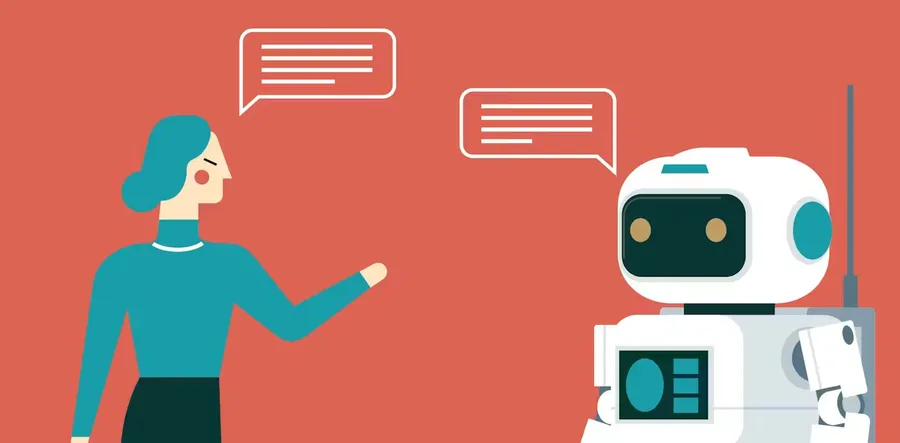
A new book for scholars, students, and curious readers invites readers to think critically about the promises and perils of language tech and examines AI’s impact on poetic practice.
Bubble, hoop, wiggle, bed: Some words bear an uncanny resemblance to the shape of the object or action they describe. And we tend to process them faster.
Phillip M. Carter·...·Florida International University
28d ago
Does a seashell arrangement in the form of the numerals ‘86 47’ amount to a criminal threat to assassinate President Donald Trump, as prosecutors suggest?
Both President Trump and Vice President Vance pronounce Iran as ‘Ih-RAN,’ not ‘Ih-RON.’ A linguist says that how the country’s name is pronounced may be a political choice.
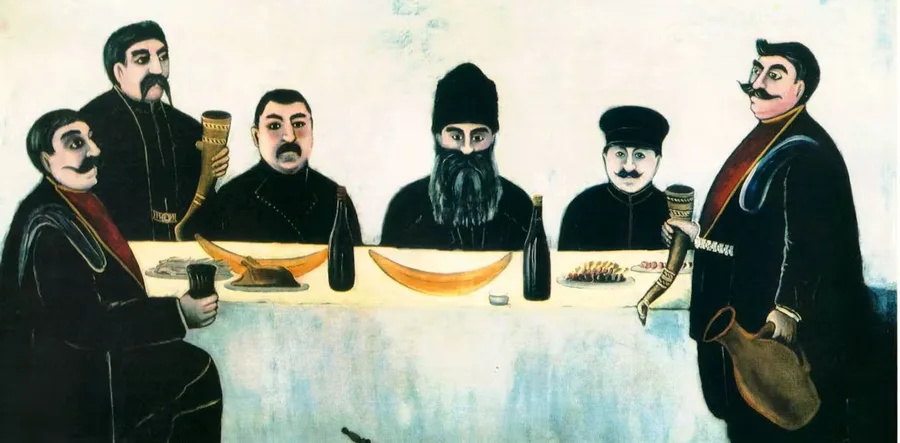
With the dissolution of the Soviet Union came rapid societal shifts. In Georgia, people called for the end of the Russification of their country and their culture.
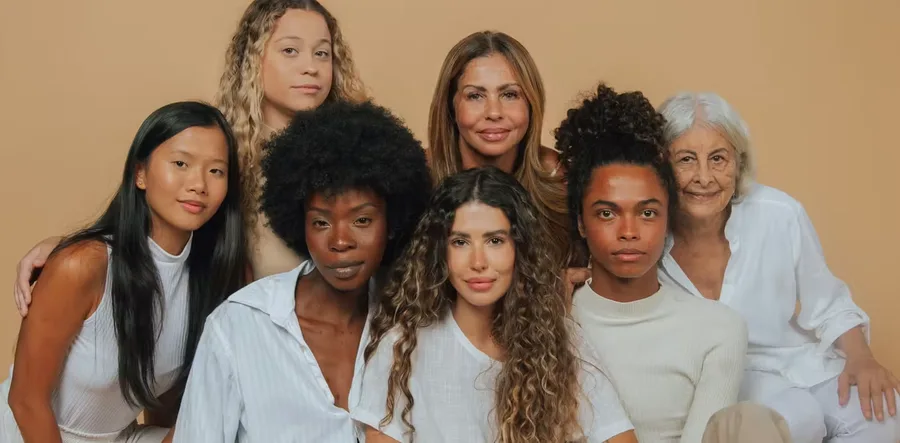
Language that fails to explicitly name women has historically excluded them. And that exclusion is an active, reversible mechanism that’s now resurfacing.
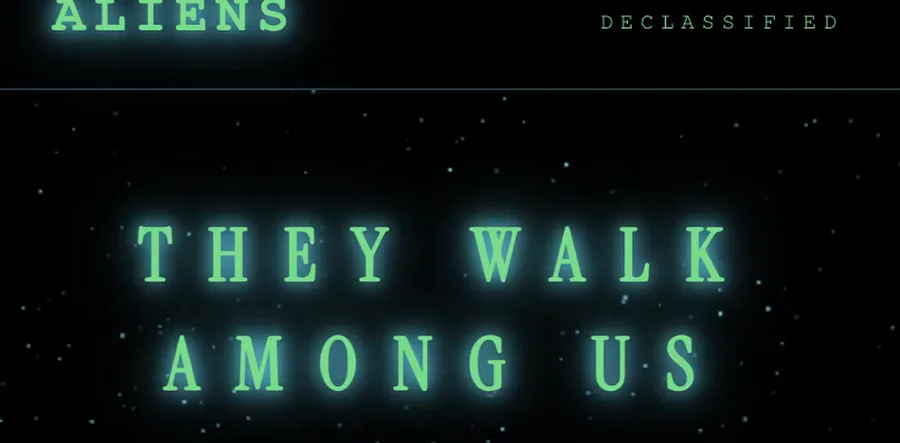
The White House’s controversial Aliens.gov portal dehumanises undocumented non-US citizens by blurring the boundaries between the term “illegal aliens”, or unauthorised residents, and extraterrestrials.



 research.io