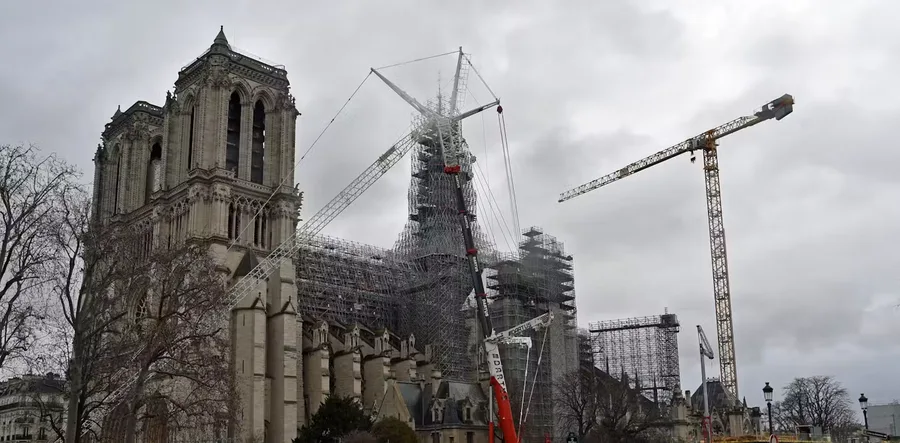
Paris’s Notre Dame cathedral is set to reopen more than five years after a devastating fire. The blaze and its aftermath have fueled debates about the funding of France’s cultural heritage.
Camps are dynamic, culturally significant spaces. We propose the significance of these cultural practices may provide an alternative pathway to protection.
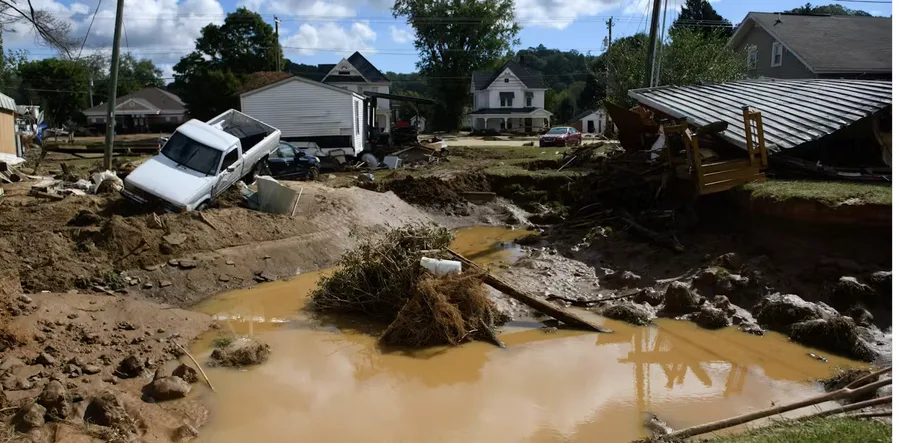
Disaster recovery isn’t just about repairing bridges, roads and homes. Conservationists from the Smithsonian were on the ground in North Carolina helping families piece their lives back together.
Priscila Besen·...·Auckland University of Technology
3d ago
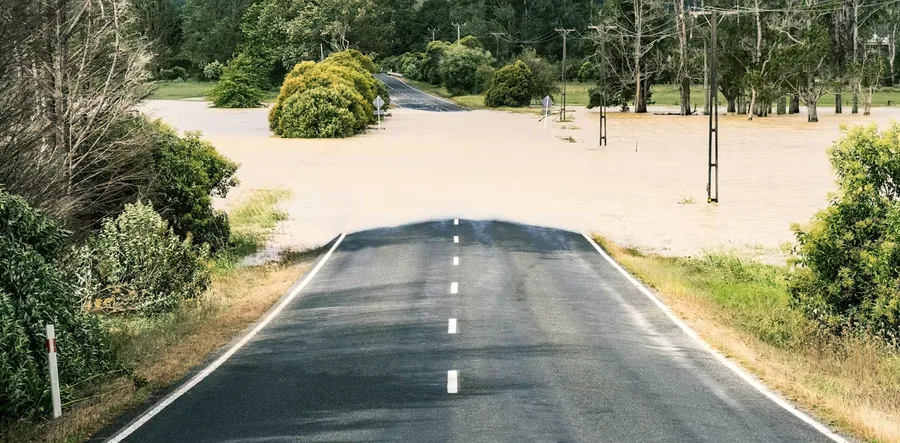
From Australia to Sweden to New Zealand, these towns demonstrate how managed retreat in action is a fine balancing act between history, culture and community.
By targeting a restaurant owner who identifies with a specific cuisine, the protester makes that one person responsible for the actions of an entire group or country.
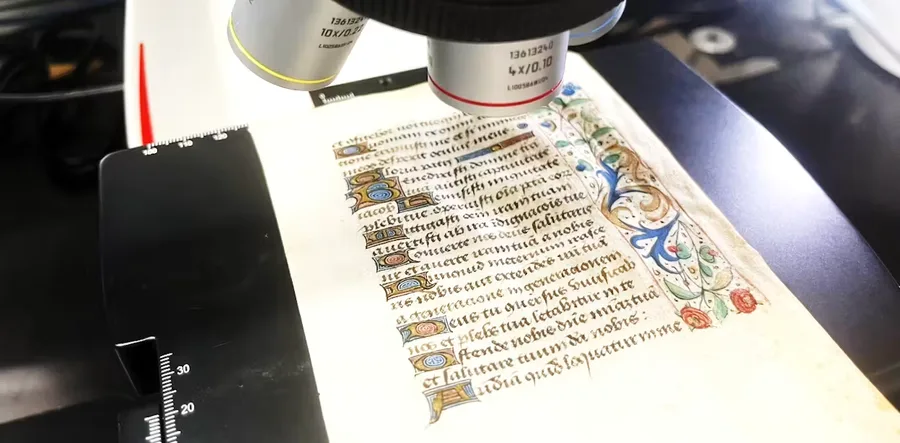
Book science helps decipher and preserve fragile manuscripts, at a moment when climate change and mass digitization are reshaping cultural heritage work.
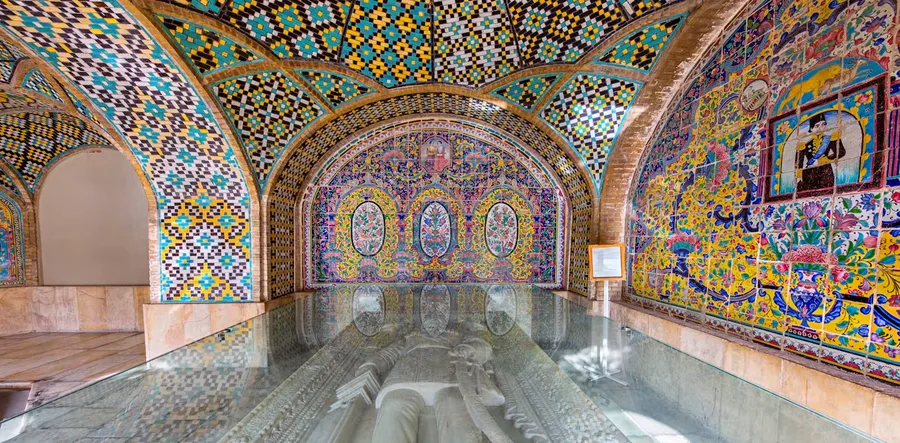
An archaeologist examines the cultural obliteration Iran has incurred as a result of strikes in the US-Israel-Iran conflict. How can such damage be compensated and which global organisations can the country turn to?
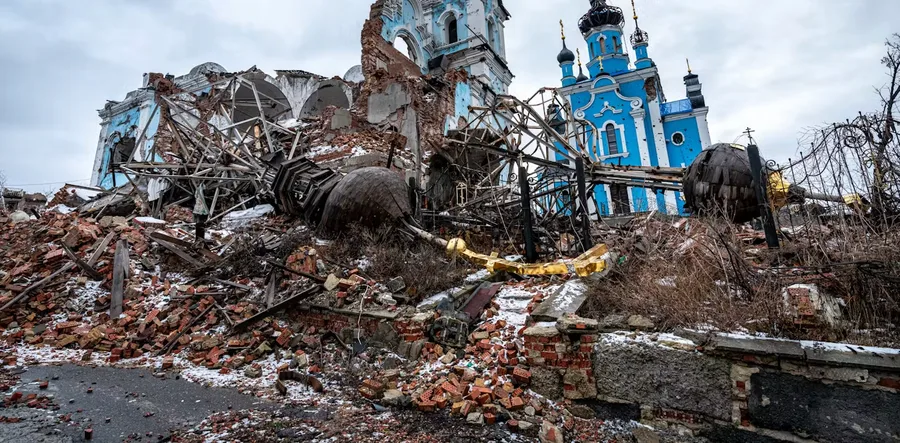
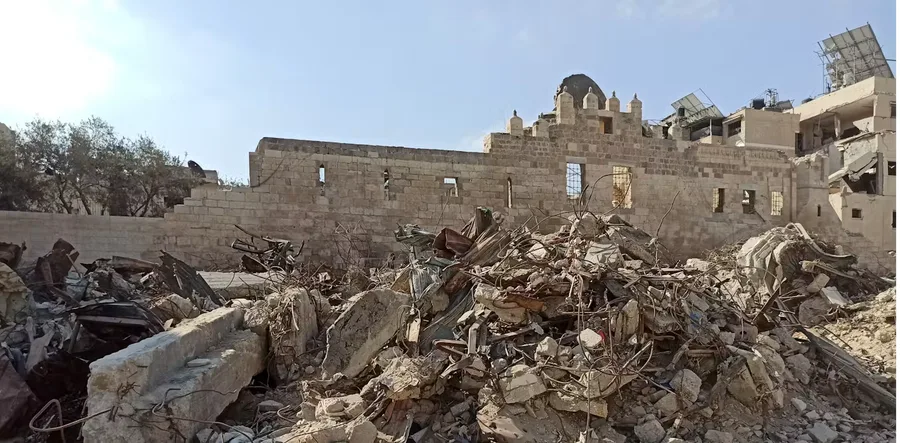
In addition to destroyed buildings, there’s an entire underground world – filled with untold numbers of artifacts, bones and ruins – that are exposed and damaged by the digging of trenches.
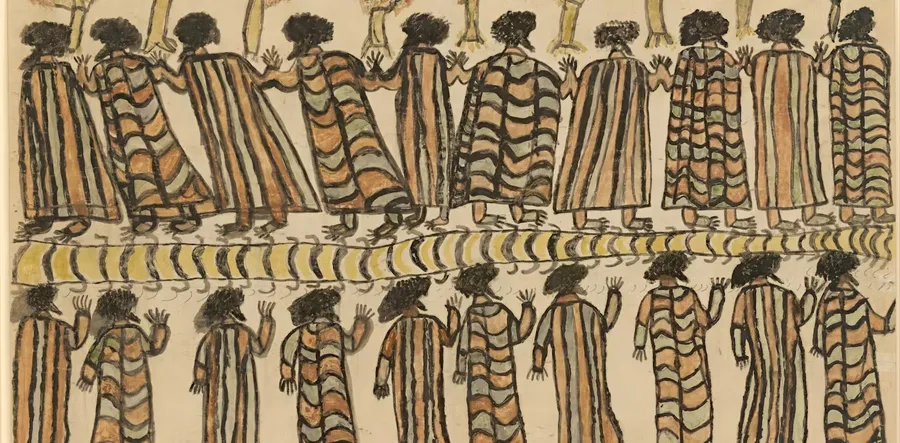
Barak was an Aboriginal leader who witnessed the signing of the controversial 1835 Batman Treaty. He made many works during his life, but many are unaccounted for.

 research.io