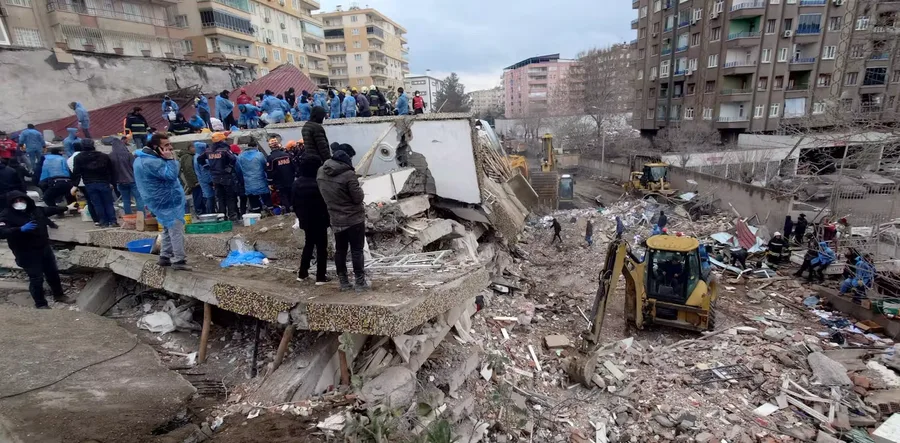
The idea that scientists could warn a region that a big quake was coming at a certain time – with enough advance notice for large-scale preparation and evacuation – remains a dream, not a reality.
Since Vanuatu’s first earthquake was at a magnitude over 7, we would expect to see more aftershocks to come, at declining strengths and frequency – in a pattern that can last weeks to months.
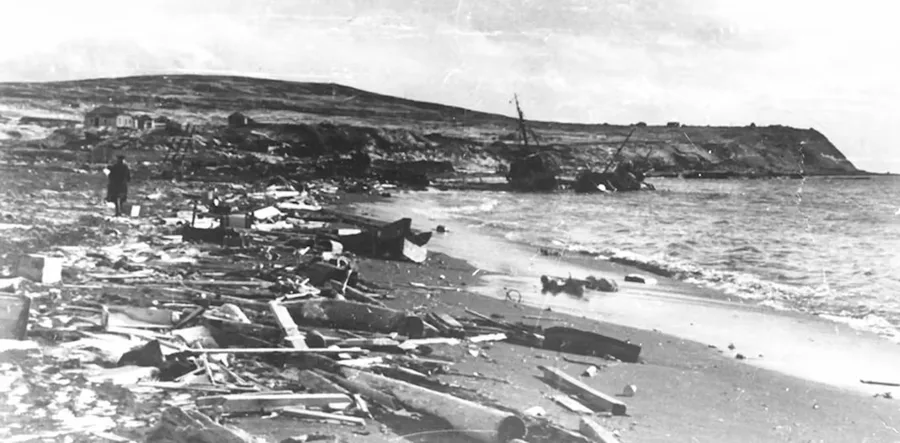
One of the largest earthquakes on record struck far eastern Russia this week. The last time the region was hit by a such a huge quake, the Soviets hushed it up.
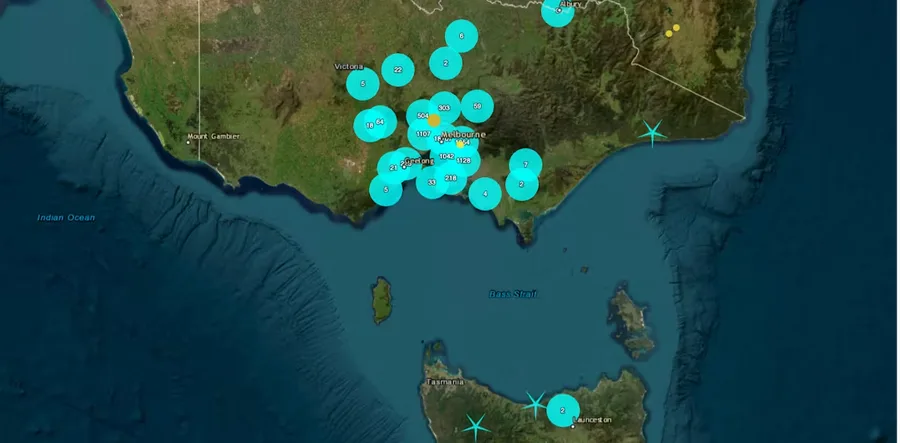
Some people were woken up near midnight by a powerful ground-shake. But did you know earthquakes occur in the greater Melbourne region about once a month – even though we can’t always feel them?
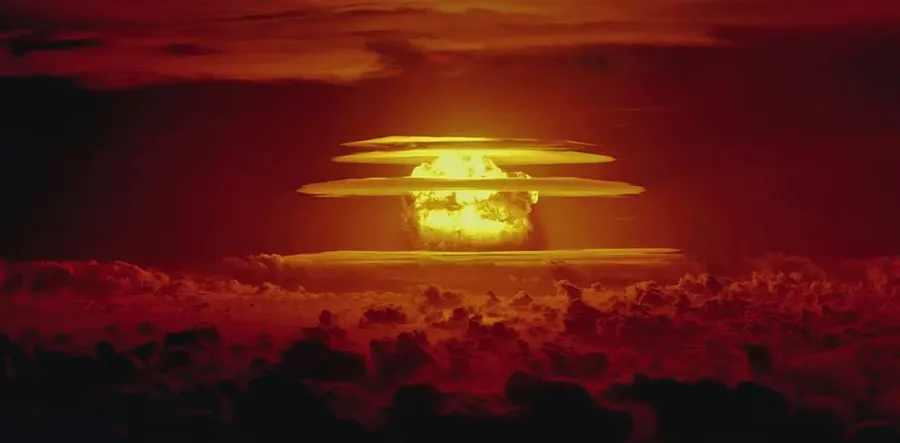
Listening for underground nuclear explosions amid the constant rumble of earthquakes is like looking for a needle that may not exist in a haystack the size of a planet.
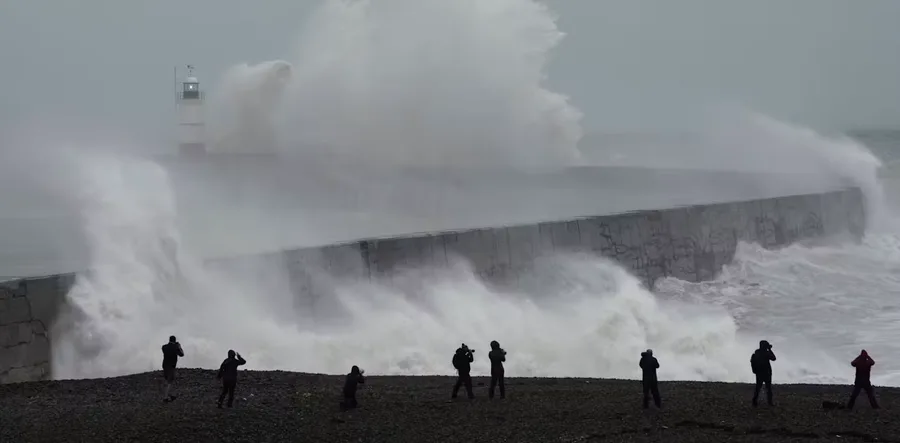
The same instruments used to measure earthquakes pick up vibrations as ocean waves put pressure on the sea floor. Four decades of data tell a story about ocean storms.