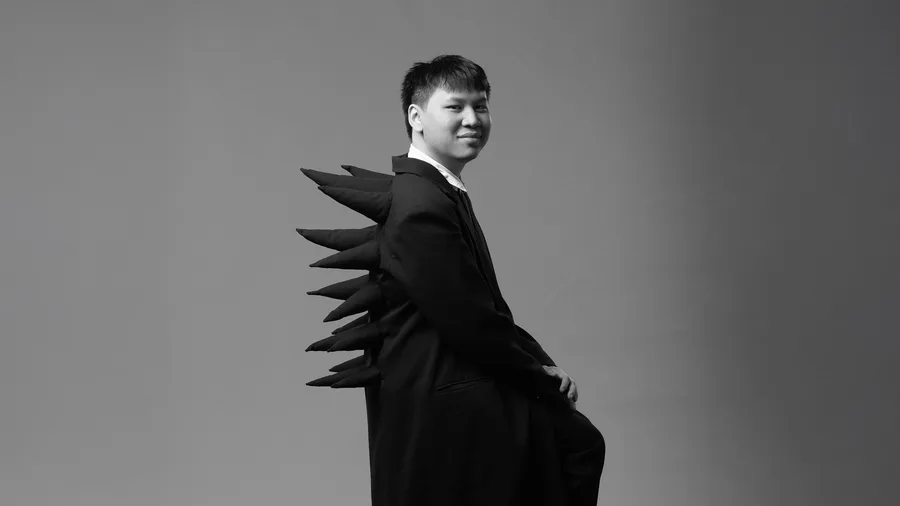
Christopher Dancy, associate professor in the Colleges of IST, the College of Engineering and the College of the Liberal Arts, will discuss how AI intersects with Blackness, human identity and memory, with a focus on digital archives and disaster recovery.
[Amin Motamedi is an Arbitrator at the Iranian Chamber of Commerce (ACIC), a university lecturer, and holds a PhD in international law] Artificial intelligence (AI) has increasingly been employed in a wide range of professional contexts, including legal analysis and dispute resolution. Practitioners have relied on AI tools to address legal questions, conduct analytical assessments, and, in certai…
TL;DR Generative UI is the next evolution of AI interaction, moving beyond text to create dynamic, agent-driven user interfaces. We explored three key patterns - Static (AG-UI), Declarative (A2UI), and Open-ended UI - and used the CopilotKit framework to build two demos: a Tic-Tac-Toe assistant, and a 2D RPG with LangGraph NPC. Why Generative UI? Today’s AI agents primarily communicate through te…
🔬 By Hamed Maleki. Hamed is a communication researcher currently completing a Master’s degree at the University of Wrocław in Poland. His work focuses on human–AI interaction, especially how people build emotional connections with chatbots and what this means for communication and society. In the past few years, chatbots have evolved into more than just […] Source
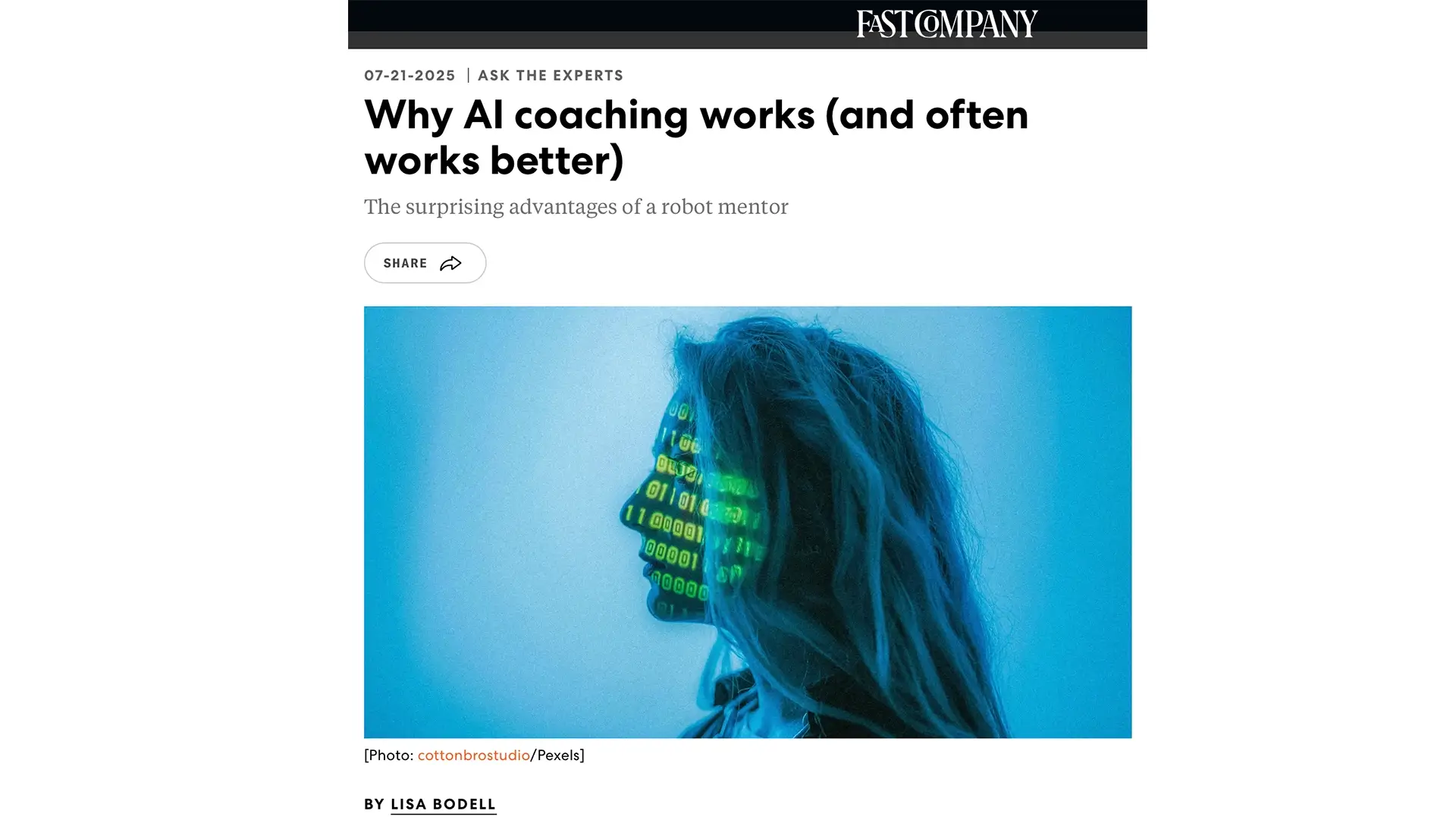
ICT’s work in human–AI interaction was recently featured in Fast Company, highlighting research led by Dr. Gale Lucas, Director of ICT’s Technology Evaluation Lab. The article, by FutureThink CEO Lisa Bodell, examined why AI coaching often works—and in some cases works better—than human coaching. At the heart of the story is ICT’s groundbreaking study demonstrating […]
Pioneering researcher in human–AI interaction, cyborg psychology, and bio-digital interfaces joins the MIT faculty to explore the future of human flourishing with technology.
The MIT Media Lab has appointed Dr. Pat Pataranutaporn as Assistant Professor of Media Arts and Sciences starting September 1, 2025. A visionary technologist, scientist, and designer, Pat explores the frontier of human-AI in…
As part of our summer research series, spotlighting early-career scientists advancing the frontiers of human–AI interaction, we’re pleased to share a new essay by Parisa G. Torshizi, PhD student at Northeastern University. Torshizi is currently part of our visiting scholars (intern) program, working between the Integrated Virtual Humans Lab (research lead: Arno Hartholt) and the […]
🔬 Research Summary by Karim Benharrak, a first-year CS PhD student at the University of Texas Austin, where I design, develop, and evaluate interactive AI systems to unlock the collaborative potential of Human-AI interaction in content creation processes. [Original paper by Karim Benharrak, Tim Zindulka, Florian Lehmann, Hendrik Heuer, and Daniel Buschek] Overview: People write for […] Source
🔬 Research Summary by Hauke Sandhaus, a Ph.D. student in Information Science at Cornell Tech researching wicked design problems in Human-AI-Interaction to create an ethical future of automation. [Original paper by Hauke Sandhaus] Overview: User experience designers face increasing scrutiny and criticism for creating harmful technologies, leading to pushback against unethical design practices. Whi…