Growing up on a small farm in Nebraska, Megan Donahue ’85 discovered the wider world by reading her way through her local library. Today, she is learning how the wider world works by studying galaxy clusters. A professor of physics and astronomy at Michigan State University, Donahue is trying to answer big questions, including How […] The post Nebraska Native Explores Galaxies Far, Far Away appea…
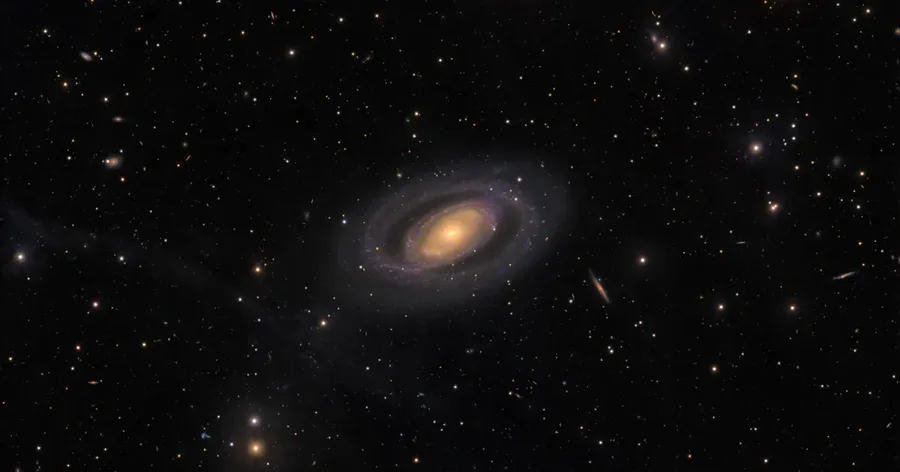
Warren Keller/Mike Selby, taken from Observatorio El Sauce, Chile NGC 7098 is a barred spiral galaxy around 100 million light-years away in the southern constellation Octans. Its unusual double-ring structure — a bright bar wrapped by an inner ring of tightly wound arms and a fainter outer ring — stands out against a deep field Continue reading "Rings within rings" The post Rings within rings app…
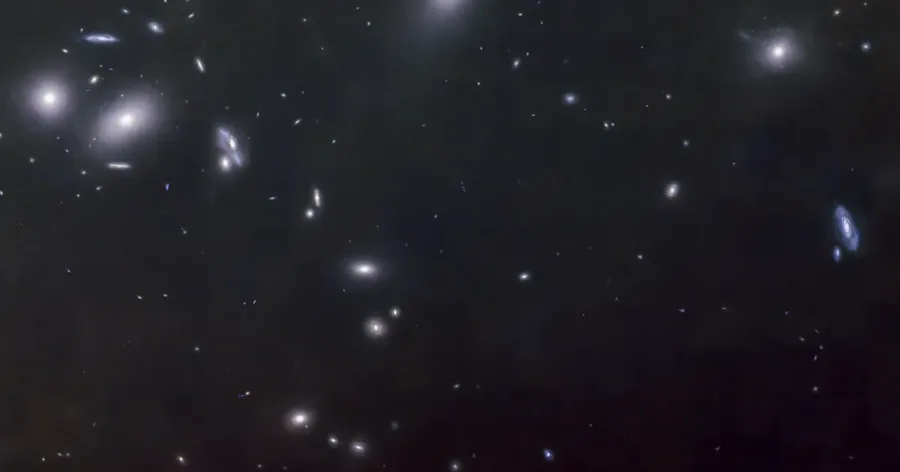
John Vermette, taken from Starfront Observatory, Texas The famous galaxy group Markarian’s Chain in the heart of the Virgo cluster of galaxies dominates this wide-field vista as a line of eight galaxies stretching from upper left. But there are many more galaxies in this image: Every dot of light is a galaxy, as the photographer Continue reading "Virgo vertigo" The post Virgo vertigo appeared fir…
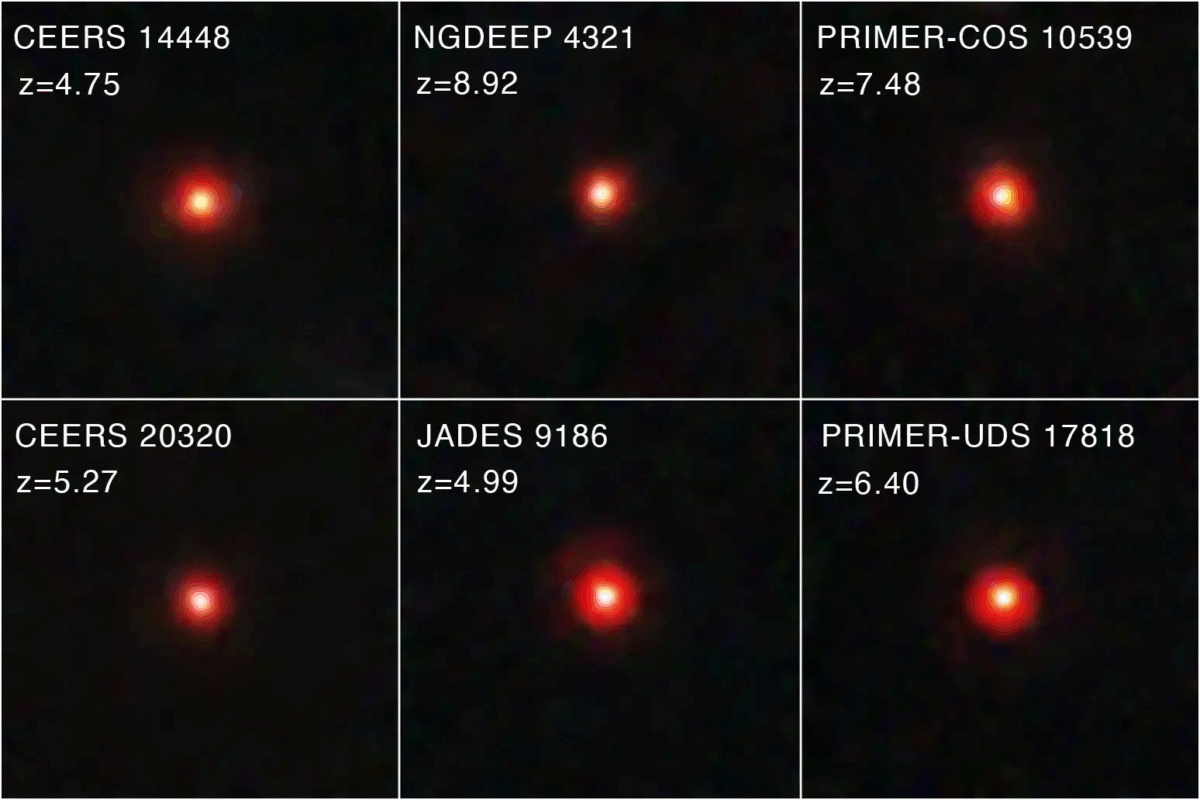
A galaxy appears to be missing the invisible substance thought to hold these objects together, further challenging long-held assumptions about how galaxies form
Galaxy season is upon us — the time of the year in the Northern Hemisphere when Earth’s nightside faces out of the plane of the Milky Way. This week, Astronomy magazine Editor Emeritus Dave Eicher invites you to explore some of the best galaxies on offer in Leo, Ursa Major, Coma Berenices, and Virgo. Clear Continue reading "See spring’s best galaxies" The post See spring’s best galaxies appeare…
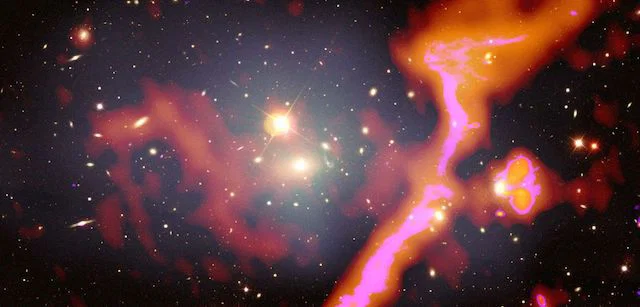
A new international study has discovered hundreds of thousands of previously unknown galaxies using Low Frequency Array (LOFAR) telescope.
The new research provides useful information for many research areas, including black hole research and galaxies evolution.
The team includes more than 200 astronomers from 18 countries. Part of them is from the University of Oxford.
Radio astronomy can show p…