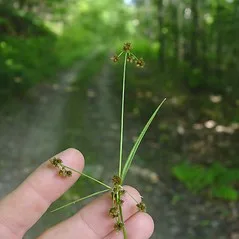
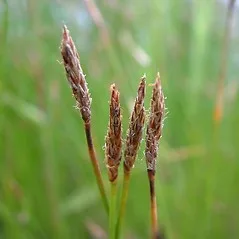
Mosquito bulrush is native to North America but was first described from plants that were introduced into Japan. It is often mistaken for its close relative dark-green bulrush (Scirpus atrovirens). Full profile for this plant
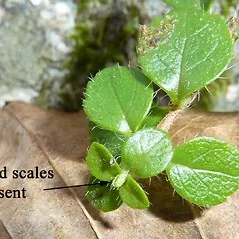
Research has shown that American twinflower cannot pollinate close relatives, and needs less closely-related individuals nearby in order to successfully set seed. Thus, if a population becomes small or isolated from others, it is more likely to die out. Full profile for this plant
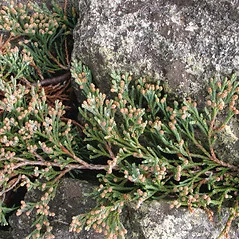
Creeping juniper is a mat-forming, trailing shrub native to the northern regions of North America. It often spreads by layering, a process by which a branch forms new roots and separates from the mother plant. Plants typically colonize open, cold, sandy or rocky barrens or headlands. Various cultivars of creeping juniper are planted in dry, sunny situations in gardens. The blue-green foliage has …
Walking spleenwort is usually found on shaded, high-pH rocks and cliffs. It gets its common name from its ability to develop new roots and shoots from the tips of its slender, arching fronds when they touch the ground. As this process is repeated, the plant may appear to "walk" a short distance. Full profile for this plant
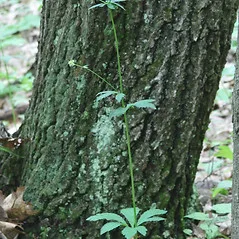
Maryland sanicle is found in moist forests, often on rich soils or rocky slopes. Native Americans used this species to induce vomiting to expel a poison, as a laxative, for menstrual pain and irregular menstruation, for kidney trouble, and for rheumatism. Full profile for this plant
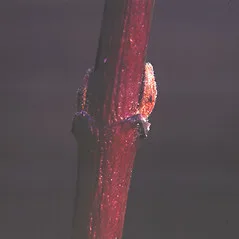
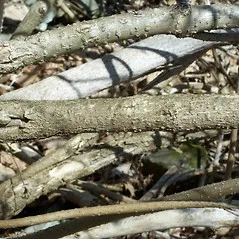
Look for small hairs on the new, reddish twigs and flower buds of silky dogwood. Snap a twig open and note that the pith is dark brown. This shrub has a rounded crown and can spread rapidly by suckering. Birds eagerly consume the blueish fruits. Full profile for this plant
American holly reaches the northern limit of its range along the coast in New England. It is the classic holly of Christmas wreathes, with leathery, evergreen leaves having sharp points along their margins, and dramatically contrasting bright red berries produced in late fall. Tolerant of salt spray, American holly can be planted to restore damaged coastal areas. Its principal value is as an orna…
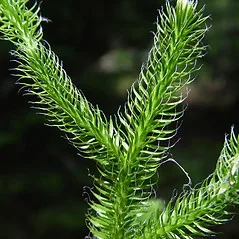
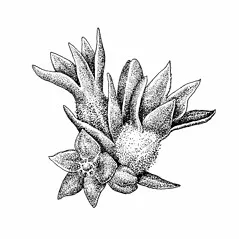
Common clubmoss is abundant in New England, and is known by many different common names, including running pine, staghorn, and wolf's claw clubmoss. It has been used to make wreaths and Christmas decorations. The spores have also been used as a powder for infants and to protect raw skin. Full profile for this plant
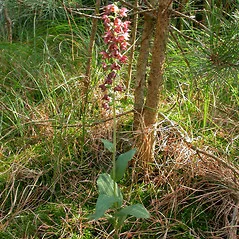
Broad-leaved helleborine is New England's only widespread non-native orchid. It was discovered in New York in 1879 and has become an aggressive weed in some areas. In its native Europe it is pollinated primarily by wasps. Full profile for this plant
Red-footed spikesedge is found in lake and river shores and marshes. As the name suggests, the rhizomes, stolons, and leaf sheaths are tinted reddish. Full profile for this plant
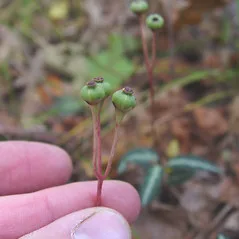
Spotted prince's-pine is a highly recognizable understory species having variegated leaves with pale green veins. It is endangered in Maine. Full profile for this plant
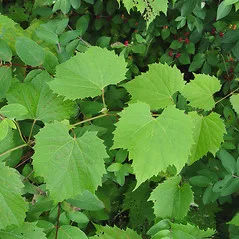
River grape grows on riverbanks and in many other habitats. Its almost hairless, lustrous green, coarsely-toothed leaves and few tendrils distinguish it from other grapes (Vitis). Although the fruits produced by this species tend to be sour to human tastes even when ripe, they do provide food for many species of birds. Many specialist insects feed on the leaves, stems, and roots. Full profile for…
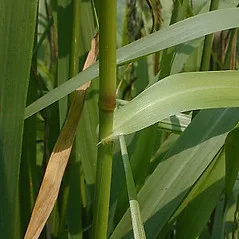
Purpletop tridens is found in fields, roadsides and open woodlands. Although native to New England, some populations are introduced, such as those in Vermont railyards. This grass gets its name from the widely-spaced purple spikelets. After the grain ripens the upper branches become sticky. Full profile for this plant
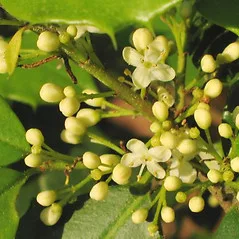
Red elderberry is a tall shrub that grows best in forest openings; its seeds can remain dormant for many years until a gap opens and stimulates germination, sometimes on "nurse logs." It can also stump-sprout from the root crown following cutting or fire. Birds and mammals (such as bears, raccoons, and mice) favor the juicy fruits and disperse them widely. Porcupines and snowshoe hares nibble the…
Annual knawel is native to Europe where it is a frequent weed of crops. Flower essences of annual knawel are occasionally used by herbalists to treat indecision or mood swings. Full profile for this plant
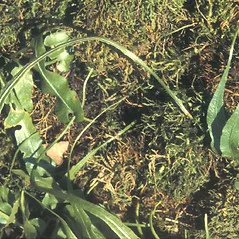
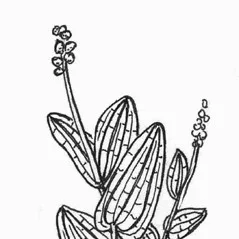
Clasping-leaved pondweed has a circumboreal distribution and is also found in Africa, Australia and Central America. However, in North America it is essentially confined to the Northeast. As the name suggests, the leaf blade clasps the stem in this submerged species lacking floating leaves.
Clasping-leaved pondweed was one of the prominent aquatic species in the Chesapeake Bay before it began to …
One of the most common lawn weeds after dandelion, common plantain also colonizes entirely artificial habitats such as fissures in parking lots. The species has medicinal properties and was widely used in herbal medicine in its native Europe. Full profile for this plant
The dense and hard roots of northern horsebalm (or stoneroot) are used in traditional herbal medicine to treat a variety of conditions. Full profile for this plant
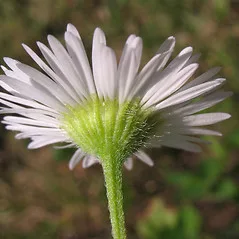
Rough fleabane is native to North America and introduced into Europe. Fleabanes (Erigeron) were at one time thought to repel fleas, but they are not actually effective at this. There are two varieties in New England. Full profile for this plant
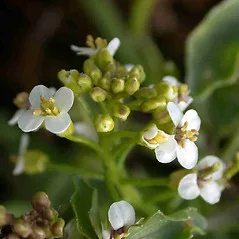
Introduced from Europe, two-rowed watercress is very commonly eaten as a salad green. It also has many uses in traditional medicine. Wild-harvested plants can contain toxic metals and harbor dangerous parasites such as liver fluke. Full profile for this plant

 research.io